If you’ve been exploring Ayurveda, natural nootropics, or herbs for mental clarity, you may have come across the name Mandukaparni. Known worldwide as Gotu Kola, this tiny creeping plant has gained attention for its impressive benefits — especially for the brain, skin, stress, and longevity.
But beyond the hype, what does Ayurveda actually say about Mandukaparni? How does it work? Is the research real or just traditional claims? And most importantly — how can you use it safely and effectively in daily life?
What Is Mandukaparni?

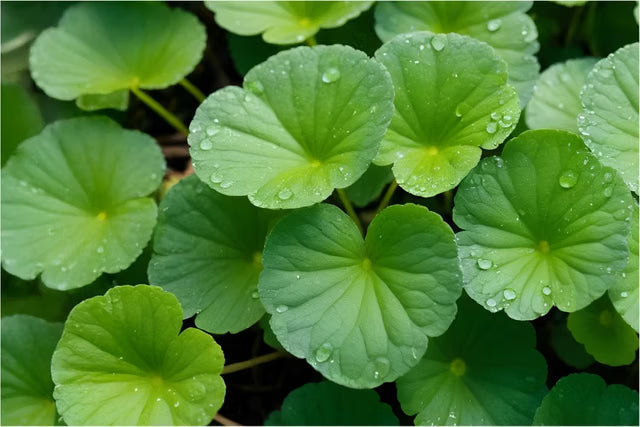
Mandukaparni (Centella asiatica) is a small, water-loving herb found near ponds, rice fields, and wetlands across India and Southeast Asia.
Names You May Know:
| Name | Region/Use |
|---|---|
| Mandukaparni | Ayurveda |
| Gotu Kola | Global herbal medicine |
| Indian Pennywort | English |
| Brahmi (misused) | Common confusion |
Important Note For Audience:
Many people mistakenly call Mandukaparni Brahmi, but the real Brahmi in Ayurveda refers to Bacopa monnieri, a different herb. Both are good for the mind — but they are not the same.
Ayurvedic Profile of Mandukaparni
In classical Ayurvedic texts, Mandukaparni is categorized as a Medhya Rasayana — herbs that nourish the brain and support intelligence, memory, and emotional balance.
| Ayurvedic Attribute | Value |
|---|---|
| Rasa (Taste) | Tikta (Bitter), Kashaya (Astringent) |
| Guna (Quality) | Laghu (Light), Snigdha (soothing) |
| Virya (Potency) | Sheeta (Cooling) |
| Vipaka | Madhur (Sweet post-digestion) |
| Dosha Effect | Pacifies Pitta & Kapha, may elevate Vata if overused |
Its Sheeta (cooling) nature makes it especially beneficial for heat-driven symptoms like inflammation, skin irritation, stress, and restlessness.
Top Benefits of Mandukaparni
1. Supports Memory & Brain Function

Mandukaparni is widely known as a natural nootropic.
It may help with, Memory enhancement, Learning ability, Focus and concentration, Mental fatigue and brain fog.
Research suggests it supports neuronal regeneration, improves blood circulation in the brain, and reduces oxidative stress — a key factor in cognitive decline.
2. Reduces Stress, Anxiety & Nervous Imbalance

Mandukaparni gently calms the nervous system without making you sleepy. People often use it for Stress due to work or academics, Mild anxiety, Irritability, Trouble staying mentally focused under pressure. Unlike modern anxiolytics, it does not suppress the nervous system — it nourishes it.
3. Enhances Skin Healing & Beauty

Mandukaparni has natural compounds that stimulate collagen production — making it a favorite in skincare and anti-aging products. Benefits include like Improving skin elasticity, Reducing wrinkles and fine lines, Supporting wound healing and Reducing acne scars and pigmentation. It has been used for centuries to treat cuts, burns, eczema, and psoriasis.
4. Boosts Immunity & Longevity
As a Rasayana herb, Mandukaparni supports Better resilience against stress, Stronger immunity, Slower aging process and Improved vital energy (Ojas). Many Ayurveda practitioners recommend it for seniors, professionals, and students.
5. Supports Blood Circulation & Vein Health

Studies suggest Mandukaparni may help Improve microcirculation Strengthen blood vessel walls and Reduce swelling due to venous insufficiency. This makes it especially useful for people with desk jobs, varicose veins, or leg fatigue.
What Our Research Says
| Area | Research Strength |
|---|---|
| Memory & cognition | ✔ Strong evidence (animal + emerging human studies) |
| Skin healing & collagen | ✔ Well-supported |
| Anti-inflammatory effects | ✔ Strong evidence |
| Anxiety & stress management | ✔ Promising, needs more large-scale human studies |
| Anti-aging & immunity | ✔ Supported but still developing |
Mandukaparni is not a "miracle cure," but evidence strongly supports its medicinal value.
How to Use Mandukaparni
Mandukaparni is versatile, and that's one of the reasons it fits beautifully into both traditional Ayurvedic routines and modern lifestyles. You can consume it in several forms depending on your need, convenience, and preference. Fresh leaves are the most natural way to take Mandukaparni—you can chew them directly, add them to salads, or prepare a simple herbal tea. Many Ayurvedic practitioners believe fresh leaves carry maximum prana (life energy).
If convenience is your priority, Mandukaparni powder (also known as churna) is a popular option. It can be mixed with warm milk, water, or honey and taken daily to support memory and cooling of the nervous system. For people who prefer standardized dosage, capsules or tablets are available—these are especially helpful for students, working professionals, or anyone who travels frequently.
Juice (swarasa) is another traditional method used in Ayurveda. Usually taken in small amounts on an empty stomach, it delivers the active properties quickly and is often recommended for those seeking faster cognitive or therapeutic benefits. Finally, Mandukaparni also exists in topical forms like oil or cream, which may be applied to the scalp or skin. This can help nourish hair roots, improve scalp circulation, or support wound healing and skin rejuvenation.
Each form has its purpose—so the best choice depends on your body type (Prakriti), lifestyle, and health goals. If you're not sure which form is ideal for you, consulting an Ayurvedic practitioner is always a wise approach.
Recommended Dosage According to Ayurveda Expert:
| Form | Suggested Amount |
|---|---|
| Fresh leaves | 3–7 leaves daily |
| Powder (Churna) | 1–3 g per day |
| Juice | 10–20 ml daily |
| Capsules | As per label |
| Tea/Decoction | 100–150 ml |
Note: Always start with the lowest dose and adjust gradually.
Easy Ways to Add Mandukaparni to Daily Life
You can easily include Mandukaparni in your routine in simple and practical ways—for example, preparing a soothing herbal tea using a pinch of its powder, blending fresh leaves into a smoothie or chutney for daily nourishment, or mixing the powder with warm milk before bedtime to support relaxation and memory.
For skin care, applying a paste of Mandukaparni leaves or powder can help fade marks and scars over time. And if you prefer a hassle-free method, capsules or tablets are the most convenient way to consume it regularly without altering your meals.
Who Should Use Mandukaparni?
Mandukaparni is suitable for a wide range of people, including students who want better focus and memory, working professionals dealing with mental workload, and elderly adults looking to support healthy cognitive aging.
It can also be helpful for anyone experiencing stress, anxiety, or mental exhaustion, as it naturally supports relaxation and sharper thinking. Overall, anyone seeking a gentle, natural boost for brain health and mental clarity can benefit from incorporating Mandukaparni into their daily routine.
Side Effects & Precautions
Although Mandukaparni is considered safe and gentle in Ayurveda, it should still be used mindfully. Taking it in excess may increase Vata, leading to symptoms like dryness, light-headedness, or restlessness. Pregnant or breastfeeding women should avoid it unless advised by a qualified practitioner. If you're using it on the skin—especially if you have sensitive or reactive skin—always do a small patch test first.
People who are already taking sedatives, antidepressants, or medicines for blood circulation should consult a doctor before starting Mandukaparni, as it may interact with their treatment. In short, it works best when taken in the right dose and with balance.
When you're buying Mandukaparni, the quality of the product matters more than the price. Many products in the market claim purity, but not all are genuinely effective. Always look for organic certification, which ensures the herb is grown without harmful pesticides or chemicals.
How to Choose the Right Mandukaparni Product
Choose products that are non-GMO, as these maintain the original genetic integrity of the plant—something Ayurveda values deeply. Make sure there are no artificial fillers, additives, preservatives, or unnecessary binding agents, especially if you’re purchasing powders or tablets. If you're opting for capsules, check whether the product is a standardized extract—this means the active compounds are balanced for consistent potency in every dose.
Lastly, prioritize brands that practice transparent sourcing and clearly mention where and how the plant was cultivated and processed. Remember, a cheaper price often indicates dilution or poor-quality manufacturing, and such products may not deliver the therapeutic benefits Mandukaparni is known for. Quality matters—your health deserves the real herb, not a compromised version.
Final Words
Mandukaparni is a gentle yet powerful Ayurvedic herb that has stood the test of time. Whether you're looking to boost memory, calm your mind, improve skin health, or support long-term wellness — Mandukaparni can be a meaningful addition to a holistic lifestyle.
FaQ
1. What is Mandukaparni used for?
Mandukaparni is mainly used for improving memory, calming the mind, healing skin, and supporting overall brain function.
2. Is Mandukaparni the same as Brahmi?
No — Mandukaparni is Centella asiatica, while Brahmi is Bacopa monnieri, though both support mental wellness.
3. How long before results appear?
Results may take 2–12 weeks depending on the goal — skin and sleep benefits appear sooner than memory changes.
4. Is it safe for children?
Yes, but only in small doses and ideally under Ayurvedic or medical guidance.
5. Are there any side effects?
Side effects are rare but may include mild digestive discomfort or skin irritation if applied externally.
6. Does Mandukaparni help with stress?
Yes, it works as a natural calming herb and helps reduce anxiety, mental fatigue, and nervous tension.