समाचार

Top 8 Health Benefits of Trikatu Powder
Discover the power of Organic Trikatu Powder – a natural Ayurvedic blend that supports digestion, boosts immunity, and promotes overall wellness. Pure, safe, and effective for daily use.
Read moreसमाचार

Natural Ayurvedic Solutions for Digestive Problems
Struggling with indigestion, acidity, or bloating? Ayurveda offers natural solutions to restore digestive balance and improve gut health. Explore time-tested herbal remedies, dietary tips, and lifestyle practices that help soothe your stomach naturally and promote overall wellness.
Read more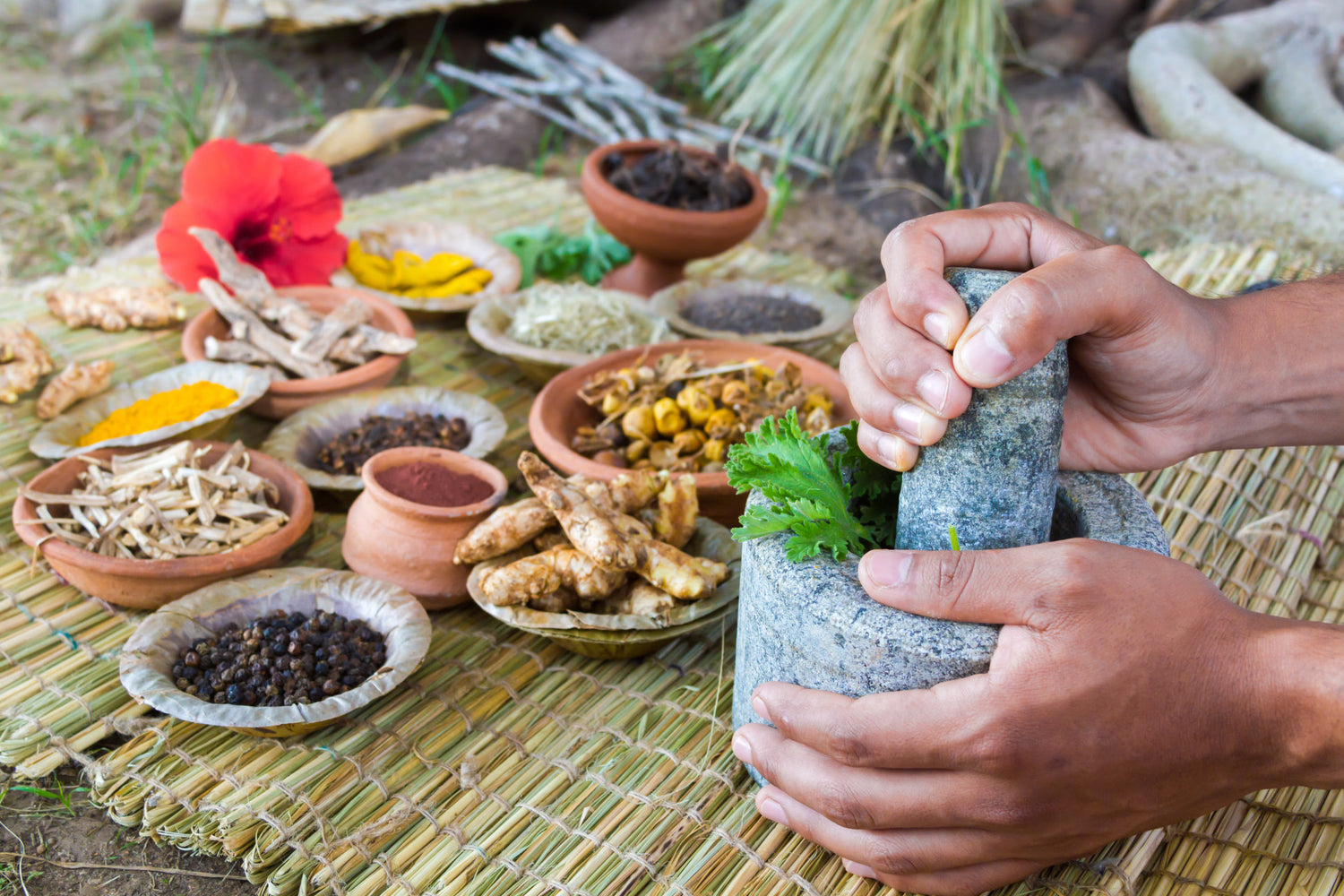
The Science of Herbs: How Plant-Based Medicine Supports Preventive Health
Explore how herbs and plant-based medicine can prevent illness, boost immunity, and promote long-term wellness. Discover the science behind natural healing.
Read more
Ayurvedic Tips to Boost Your Immunity During Monsoon
Monsoon is the season of joy, but also of infections like cough, cold, and stomach problems. In this blog, discover simple Ayurvedic diet tips, immunity-boosting herbs, lifestyle changes, and Panchakarma therapies to stay strong during the rainy season. Learn how Tulsi, Amla, Giloy, and other natural remedies can protect your health. Plus, get expert advice from Deep Ayurveda’s Nutrition & Dietitian team for a personalized immunity plan this monsoon.
Read more
Which Chyawanprash is Best for Women’s Health?
15% off Deep Ayurveda Naripanch Ayurvedic Chyawanprash for women ★★★★★ (4.8/5) ✅ 100% Ayurvedic & Safe ✅ Supports Hormonal Balance ✅ Improves Reproductive Health ✅ Boosts Energy & Reduces Weakness ✅ Helps in Managing PCOS/PCOD Symptoms ✅ No Side Effect ₹ 1,599 ₹1,874 BUY NOW Chyawanprash is one of the most time-tested Ayurvedic formulations, known for its role in boosting immunity, enhancing vitality, and promoting overall well-being. This classical herbal jam has been mentioned in Ayurvedic scriptures as a Rasayana, a rejuvenating tonic that strengthens both body and mind. For centuries, it has been consumed by families across India for its ability to prevent seasonal illnesses, improve digestion, and enhance strength. However, women’s bodies have unique needs that go beyond general immunity. From hormonal balance to reproductive health, from skin vitality to mental wellness—women require specialized support at different stages of life, whether it is adolescence, pregnancy, postnatal recovery, or menopause. This naturally leads to the question: Which Chyawanprash is best for women’s health? The answer lies not just in choosing any herbal formulation but selecting one that is tailored to support the female body’s holistic needs. Why Chyawanprash is Beneficial for Women The chyawanprash benefits for female health are wide-ranging and deeply impactful. Here are the key reasons why women should make this Ayurvedic elixir a part of their daily routine: Immunity & Disease Resistance Women often juggle multiple roles at work, home, and society, making them more vulnerable to fatigue and infections. Chyawanprash strengthens the immune system, protecting the body against cough, cold, flu, and seasonal changes. Energy & Vitality Modern lifestyle pressures lead to exhaustion and burnout. A daily dose of Chyawanprash works as a natural energy booster, improving stamina and reducing chronic fatigue. Skin & Anti-Ageing Benefits Enriched with Amla, a natural source of Vitamin C, Chyawanprash supports collagen production, slows skin ageing, and keeps the complexion radiant. For women concerned with premature wrinkles or dullness, this is a natural skincare ally from within. Reproductive Health & Hormonal Balance Ayurveda highlights herbs like Shatavari and Ashwagandha that support menstrual wellness, ease PMS symptoms, and assist post-pregnancy recovery. Chyawanprash fortified with these herbs is especially nourishing for female reproductive health. Stress & Mental Health Workload, emotional responsibilities, and hormonal fluctuations often impact women’s mental peace. Chyawanprash acts as a medhya rasayana (nervine tonic) that calms the mind, reduces stress, and enhances focus. Key Ingredients in Chyawanprash That Support Women’s Health The strength of Chyawanprash lies in its herbal synergy—over 40+ herbs blended with ghee, honey, and jaggery to create a rejuvenating formula. For women, some ingredients are particularly beneficial: Amla (Indian Gooseberry): Rich in Vitamin C and antioxidants, it enhances immunity, rejuvenates skin, and improves hair health. Ashwagandha: Known for its adaptogenic properties, it combats stress, enhances stamina, and supports hormonal balance. Shatavari: The queen of herbs for women, it nurtures reproductive organs, promotes fertility, and balances menstrual cycles. Guduchi (Giloy) & Pippali: Strengthen immunity, detoxify the body, and enhance respiratory health. Honey & Ghee: Act as carriers (yogavahi) that improve the assimilation of herbs, while nourishing body tissues. Together, these herbs make Chyawanprash an unmatched health tonic for women at every stage of life. How to Choose the Best Chyawanprash for Women Not all Chyawanprash available in the market are equal in quality. To truly experience its benefits, women should consider these points while choosing the best chyawanprash: 100% Ayurvedic & Natural Ingredients – Free from harmful preservatives, refined sugar, and synthetic additives. Fortified with Women-Centric Herbs – Look for Shatavari, Ashwagandha, and other female-friendly adaptogens. Trusted Ayurvedic Brand – Ensure the product is crafted under the guidance of Ayurvedic doctors, GMP-certified, and uses authentic formulations. Sugar-Free or Low-Sugar Options – Important for diabetic or fitness-conscious women. A well-formulated product that balances traditional wisdom with modern quality standards can make a big difference in women’s health outcomes. Recommended Chyawanprash for Women Several reputed Ayurvedic brands in India offer good Chyawanprash options. However, when it comes to female health, formulations designed with women’s wellness in mind stand out. Among these, Deep Ayurveda’s Herbal Chyawanprash has gained recognition for its authentic and doctor-formulated approach. It is enriched with organic herbs, crafted without preservatives, and fortified with Shatavari and Ashwagandha, making it highly suitable for women. Additionally, Deep Ayurveda has introduced Naripanch Prash, a unique Ayurvedic superfood created exclusively for women. While traditional Chyawanprash focuses on immunity and vitality, Naripanch Prash addresses the deeper needs of the female body and brain—balancing hormones, improving reproductive health, nourishing the skin, and supporting emotional wellness. This makes Naripanch Prash an excellent complement or alternative for women who want targeted nourishment beyond general immunity. So, if you’re asking which is the best chyawanprash for women, the answer lies in choosing a herbal, women-centric, preservative-free formulation like Deep Ayurveda’s range. 6. How & When Should Women Take Chyawanprash? For maximum results, it’s important to take Chyawanprash correctly: Dosage: 1–2 teaspoons daily. Best Time: Early morning on an empty stomach with warm milk/water, or before bedtime. Tips for Women: Pair it with a balanced diet, yoga, meditation, and adequate rest for complete benefits. When consumed consistently, Chyawanprash builds resilience, energy, and natural beauty from within. Precautions & Who Should Avoid It While Chyawanprash is generally safe, women should keep a few points in mind: Women with diabetes should opt for sugar-free variants. Pregnant and lactating women should consult an Ayurvedic doctor before use. Avoid overconsumption, as moderation is key in Ayurveda. Conclusion Chyawanprash is not just a herbal jam—it is an Ayurvedic Rasayana, a daily rejuvenator for women’s health. From strengthening immunity to enhancing skin glow, from supporting reproductive balance to reducing stress, the chyawanprash benefits for female wellness are profound. However, to experience these benefits, it is essential to choose the best chyawanprash that is natural, doctor-formulated, and enriched with women-specific herbs. Deep Ayurveda’s Herbal Chyawanprash and Naripanch Prash stand out as holistic options that align with the unique health needs of women. Embrace this Ayurvedic treasure daily, and let it nurture your immunity, energy, and inner vitality for years to come. For authentic Ayurvedic formulations, explore Deep Ayurveda’s Herbal Chyawanprash and Naripanch Prash—designed to support the complete health of today’s women.
Read more
How an Ayurvedic Doctor Can Help Improve Your Health Naturally
Introduction Our modern lifestyle has given us comfort, but it has also brought many health problems. Stress, poor digestion, joint pain, and issues like PCOS are now very common. Irregular eating habits, busy routines, and pollution make these problems worse. Modern medicine gives quick relief, but it often doesn’t solve the real cause of illness. This is where Ayurveda, India’s ancient system of healing (more than 5000 years old), comes in. Ayurveda focuses on balance, prevention, and natural healing. It treats the root cause of disease instead of just hiding the symptoms. An Ayurvedic doctor plays a very important role in this process. They study your body type (Prakriti) and current imbalances (Vikriti) to guide you with diet, lifestyle, herbs, and detox therapies. And now, with online Ayurvedic doctor consultations, you can access authentic care easily—whether you are in Mohali, abroad, or anywhere in the world. How Ayurveda is Different from Modern Medicine Modern medicine usually focuses on treating symptoms. Ayurveda is different because it looks at your whole health and aims for long-term balance. Treats the Root Cause – Ayurveda checks which dosha (Vata, Pitta, Kapha) is disturbed and corrects it, preventing the illness from coming back. Natural & Safe Remedies – Herbal medicines, minerals, and natural formulations have no harmful side effects when used properly. Mind–Body–Spirit Balance – Ayurveda connects physical and mental health. It uses herbs, yoga, meditation, breathing practices, and lifestyle changes to restore harmony. Ayurveda is not just a treatment—it is a healthy way of living. Role of an Ayurvedic Doctor Everyone is unique, and Ayurveda respects this uniqueness. An Ayurvedic doctor gives personalized treatment, not one-size-fits-all solutions. Personalized Consultation – The doctor studies your health history, lifestyle, and habits. They may check your pulse, tongue, and ask detailed questions. Customized Treatment Plan – This can include: Herbal medicines like Ashwagandha, Triphala, or Shatavari. Specific diet plans to balance doshas. Detox therapies like Panchakarma (Basti, Virechana, Abhyanga). Lifestyle corrections, yoga, and meditation. This complete approach helps in long-term healing and prevents future diseases. Health Problems Ayurveda Can Help With Ayurveda works very well for today’s common health issues. At Deep Ayurveda Mohali, doctors provide care for: Digestive Health – Acidity, IBS, constipation, bloating. Herbs: Triphala, Jeera, Pippali. Joint & Muscle Health – Arthritis, back pain, sciatica. Herbs: Shallaki, Guggulu + therapies like Abhyanga. Women’s Health – PCOS, irregular periods, infertility, menopause. Herbs: Shatavari, Ashoka + detox. Mental Health – Stress, anxiety, depression, insomnia. Herbs: Brahmi, Ashwagandha + meditation and therapies. Skin & Hair Care – Acne, eczema, psoriasis, dandruff, hair fall. Herbs: Neem, Manjistha, Khadir. Men’s Vitality & Energy – Low stamina, weakness, reproductive health. Herbs: Ashwagandha, Safed Musli, Makardhwaj. Ayurveda for Prevention Ayurveda is not only for treating illness—it is also for staying healthy. Daily & Seasonal Routines – Simple habits like oil pulling, yoga, pranayama, and seasonal changes keep you fit. Immunity Boost & Detox – Herbs like Giloy, Amla, Tulsi improve immunity, while Panchakarma removes toxins. Healthy Lifestyle Guidance – Tips for better sleep, mindful eating, and stress control help you maintain balance every day. Benefits of Consulting an Ayurvedic Doctor Choosing Ayurveda means choosing natural and safe healing. Some key benefits are: Holistic care for body, mind, and spirit. Side-effect free treatments, safe for long-term use. Long-lasting results by correcting the root imbalance. Gentle and safe for children, adults, and elders. Easy access through online consultation, no matter where you live. Conclusion Ayurveda is not just medicine—it is a way of life that brings balance, energy, and well-being. An Ayurvedic doctor not only helps you recover but also prevents future diseases. If you are facing lifestyle problems, digestive issues, hormonal imbalance, or stress-related concerns, Ayurveda has safe and effective solutions for you. At Deep Ayurveda Mohali, our expert doctors have already helped thousands of patients worldwide with authentic Ayurvedic treatments, Panchakarma, and personalized care. Whether you visit our clinic or book an online consultation, we are here to guide you on your journey to natural healing. 👉 Choose Ayurveda. Choose health. Choose Deep Ayurveda.
Read more
6 Common Myths About Ayurveda and the Truth Behind Them
Ayurveda is the ancient Indian system of treatment that is truly a treasure for our country, yet often undervalued by people. It is not just a medical system but a complete Shastra that teaches us how to live a healthy and balanced life. Unfortunately, due to several myths and misconceptions surrounding Ayurveda, many people are misguided and fail to understand its true essence and scientific approach. People often lack proper knowledge about Ayurveda and have developed many myths in their minds regarding it. In this blog, we will explore some of the most common myths about Ayurveda and uncover the true facts behind them. Myth no 1- Ayurveda Works Slowly Fact-The most common myth about Ayurveda is that it works slowly. In reality, Ayurveda does not work slow; instead, it works on the root cause of the disease. When treatment is done under a qualified Ayurvedic doctor by identifying the body type (Prakriti) and correcting the doshic imbalance, Ayurveda can give instant results. Many Panchakarma therapies such as Agnikarma, Viddhakarma, Marma therapy, and Raktamokshan provide immediate relief in pain. Ras Aushadhis (herbo-mineral medicines) are known to act quickly, even in chronic conditions. Basti Chikitsa offers fast pain relief while also addressing the root cause of nervous system disorders. Even common problems like acidity respond instantly to Ayurvedic medicines—for example, ENO, one of the most popular remedies for acidity in India, is based on Ayurvedic formulation, making it a perfect example of how Ayurveda can act fast. Myth no 2- Ayurveda means only Herbal Medicine Fact- This is one of the biggest myths about Ayurveda—that it only involves herbal medicines or jadibooti, as people commonly say. In reality, Ayurveda is a vast medical science that also includes specialized Ras Aushadhi (herbo-mineral medicines). These medicines are prepared from purified minerals and metals, processed through classical methods, and converted into Bhasma (nano-particle form). Because of their fine particle size, they have high potency, quick absorption, and faster results. Ras Aushadhi are widely used in Ayurveda to treat many chronic and complex diseases, where only herbal medicines may not be sufficient. Myth no 3- Ayurvedic Medicine Means Only Bitter Churnas Fact- This is another very common myth people still believe—that Ayurveda means only taking churnas (powders). In reality, Ayurveda has a wide range of medicines available in different forms such as tablets, syrups, capsules, oils, avaleha (like chyawanprash), and much more. With the help of modern technology, Ayurveda has evolved further, and today we even have Ayurvedic creams, cosmetics, shampoos, and health supplements. It is also a misconception that all churnas are bitter. In fact, Ayurveda classifies herbs according to different rasas (tastes)—some are sweet, some sour, some pungent, and not all are bitter. Thus, Ayurveda is not limited to churnas alone but offers a complete system of medicine in multiple convenient and effective forms Myth no 4- Ayurveda is a Pseudo Science and not Scientific Fact- Ayurveda is one of the oldest and most systematic medical sciences in the world, with a history of more than 5,000 years. It is based on well-documented principles like Tridosha theory (Vata, Pitta, Kapha), Agni (digestive fire), Dhatus (body tissues), and Srotas (channels). Ancient Ayurvedic texts such as Charaka Samhita and Sushruta Samhita describe detailed concepts of anatomy, physiology, pathology, diagnosis, and treatment. Modern research has validated Ayurvedic herbs and formulations for their pharmacological and therapeutic effects. Moreover, Ayurvedic Rasayana (rejuvenation therapy) and Panchakarma detox therapies are increasingly being studied and practiced worldwide. Ayurveda is not unscientific—it is a time-tested, evidence-based holistic science, now being re-validated through modern clinical research. For example, the most common Ayurvedic herb Haridra (Haldi/Turmeric) is described in classics as Kushtaghna (useful in skin diseases), Kandughna (relieves itching), Raktashodhak (blood purifier), Vranaropana (wound healer), and Yakrituttejak (liver stimulant). Modern research has also validated this, as turmeric is found to contain Curcumin, a powerful compound with antioxidant, anti-inflammatory, and healing properties. Chyawanprash, which is used by millions today for boosting health and immunity, is a classical Ayurvedic formulation made from a combination of multiple herbs processed through a scientific and standardized procedure. Its effectiveness is well-recognized across generations. If such time-tested and well-documented formulations exist, then Ayurveda can never be called a pseudo science. Myth no 5: Ayurvedic Medicines Have No Side Effects and herbs can be taken without guidance of Ayurvedic Doctor Fact- Ayurveda works on the fundamental concept of Tridosha – Vata, Pitta, and Kapha, and every herb acts differently depending on an individual’s body type and doshic imbalance. That is why even simple herbal medicines should always be taken under the guidance of a qualified Ayurvedic doctor. Many people consume commonly known herbs like Triphala or Ashwagandha on their own, assuming they are suitable for everyone. However, in some cases, these may cause issues like constipation, acidity, or discomfort if not prescribed according to one’s prakruti and current health condition. This often leads to the misconception that Ayurveda works slowly or causes side effects, whereas the real issue lies in self-medication without proper consultation. For example Some people experience body heat or acidity after taking Ashwagandha because in Pittaj prakruti individuals, long-term or high doses can aggravate Pitta. Hence, even Ayurvedic medicines should always be taken under proper doctor’s guidance. Myth no 6- All Ayurvedic Medicine Are “Heating” In Nature Fact-Another common myth is that all Ayurvedic medicines are “heaty” in nature. The fact is that Ayurveda is a highly scientific system where every herb and formulation is prescribed according to the individual’s body type (Prakriti) and the imbalance of doshas. Some medicines are indeed ushna (hot in potency), but many are sheeta (cooling) or madhya (neutral). For example, herbs like Amla, Giloy, and Shatavari are cooling in nature and are widely used to balance excess heat in the body. Therefore, it is wrong to generalize that all Ayurvedic medicines cause heat—when prescribed properly by an Ayurvedic physician, medicines balance the body rather than create imbalance. An Ayurvedic doctor always prescribes medicines according to your Prakruti and balances them with suitable herbs, so you will never be given only heating medicines. Conclusion Ayurveda arise from lack of awareness and half-knowledge. Ayurveda is not just about bitter churnas or jadibootis—it is a scientific, holistic, and time-tested medical system that includes herbal medicines, Ras Aushadhi, formulations like Chyawanprash, modern dosage forms, Yoga, Panchakarma therapies, and even surgical practices described by Acharyas like Sushruta. Ancient wisdom combined with modern research continues to prove the effectiveness and scientific basis of Ayurveda. Instead of labeling it as slow or pseudo-science, it is time we recognize Ayurveda as a treasure of health and healing that India has gifted to the world.
Read more
Shatavari Uses for Female With Deep Ayurveda
10% off Deep Ayurveda Organic Shatavari Powder ★★★★★ (4.8/5) ✅100% Organic & Chemical-Free ✅ Supports Women’s Hormonal Balance ✅ Enhances Fertility & Reproductive Health ✅ Boosts Immunity & Vitality ₹214 ₹238 BUY NOW When it comes to women’s health, Ayurveda has always offered natural and effective solutions. One such powerful herb is Shatavari (Asparagus racemosus). It is highly valued for balancing hormones, supporting reproductive health, and boosting overall vitality in women. In this blog, we’ll explore Shatavari Uses for Female, how to take it, and its Ayurvedic importance. What is Shatavari? Shatavari, botanically known as Asparagus racemosus, is a Rasayana (rejuvenating herb) mentioned in classical Ayurvedic texts. It is especially known for its cooling, nourishing, and balancing properties. Traditionally, it has been used to strengthen the female reproductive system, promote lactation, and improve fertility. From menarche (onset of menstruation) to menopause, Ayurveda recommends Shatavari for supporting women in different stages of life. Ayurvedic Perspective on Shatavari In Ayurveda, Shatavari is classified as a balya (strength-promoting), stanya-janana (increase breast milk production), and rasayana (rejuvenator) herb. It pacifies Vata and Pitta doshas while nourishing Shukra dhatu (reproductive tissue). This makes it one of the most essential herbs for women, especially during phases of hormonal shifts such as puberty, pregnancy, postpartum, and menopause. From an Ayurvedic Perspective on Shatavari, it is not just a medicine but a daily tonic for women’s vitality and emotional balance. Shatavari Uses for Female Health Here are some key benefits of this wonder herb: Hormonal BalanceShatavari helps regulate estrogen and progesterone levels naturally, making it useful for irregular periods, PMS symptoms, and menopausal issues. Fertility & Reproductive HealthIt nourishes the reproductive organs and improves ovulation, thereby supporting fertility. Menopause SupportHot flashes, mood swings, and dryness during menopause can be eased with Shatavari due to its cooling and lubricating qualities. Boosts LactationAyurveda prescribes Shatavari for new mothers as it improves breast milk production. Stress & Energy SupportIt acts as an adaptogen, helping women manage stress, fatigue, and weakness while boosting immunity. By including Shatavari in your routine, you can experience the full package of Shatavari Uses for Female health in a holistic manner. How to Use Shatavari for Women There are different ways to consume Shatavari depending on your health needs and convenience: Shatavari Powder (Churna) – Mix 1 tsp with warm milk or lukewarm water. Traditionally, it is taken with ghee or honey for better absorption. Shatavari Capsules/Tablets – Easy and convenient for daily use. Ayurvedic Formulations – Deep Ayurveda’s Naripanch formulation is specially designed for women’s hormonal balance and reproductive health, containing Shatavari along with other synergistic herbs. Shatavari Syrup – Suitable for women who prefer liquid formulations for digestion and absorption. When deciding How to Use Shatavari for Women, always consult an Ayurvedic practitioner to find the right dosage and form according to your body type and health condition. Final Thoughts From ancient times to modern wellness practices, the relevance of Shatavari has remained strong. With its ability to balance hormones, strengthen reproductive health, and rejuvenate the body, it stands out as a true “female-friendly” herb. If you are seeking natural solutions for women’s health, exploring Shatavari Uses for Female through Deep Ayurveda’s authentic formulations can be a safe and effective step toward holistic well-being.
Read more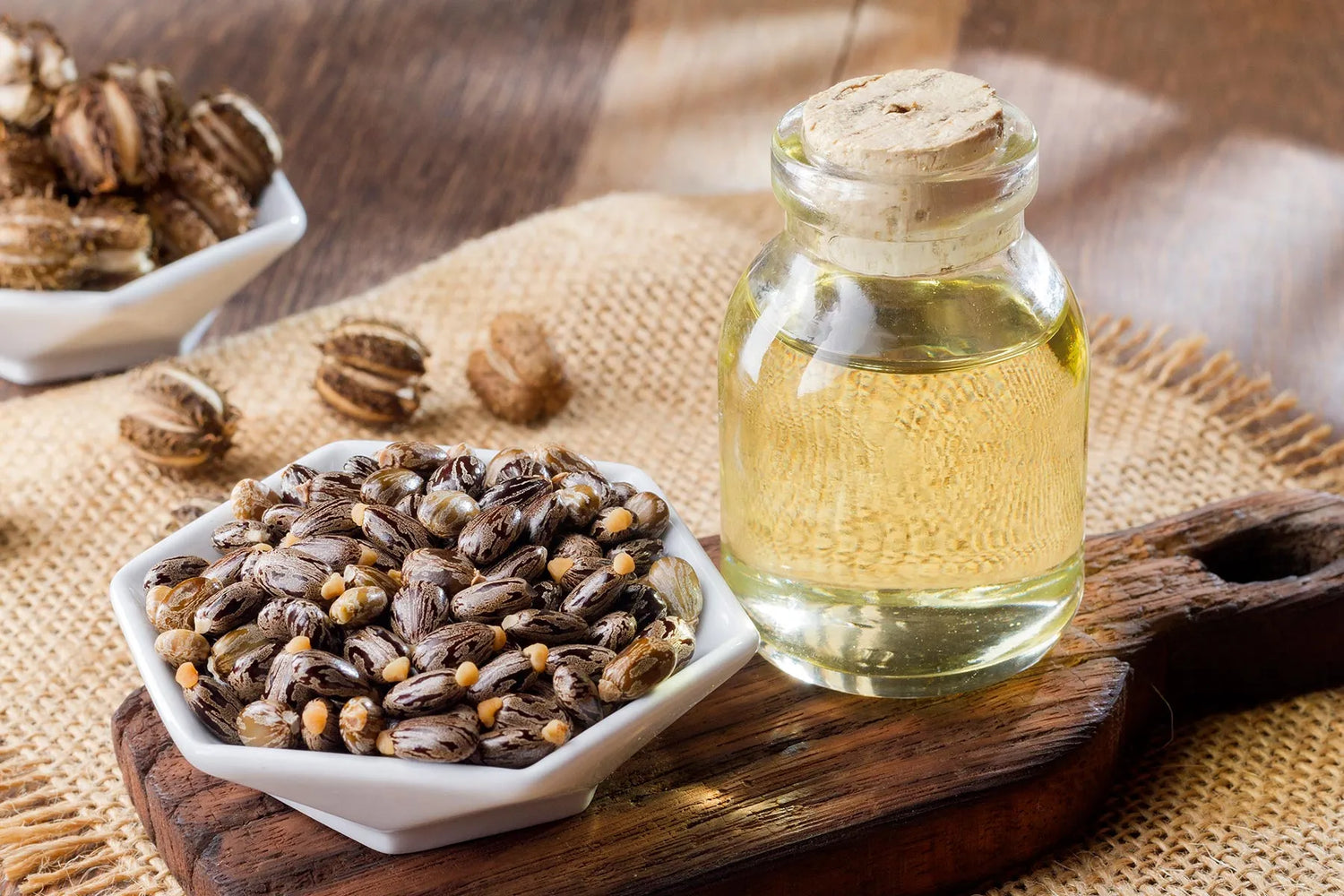
Castor Oil (Erand Tail) – Benefits & Healing Uses
Ricinus communis or castor plant is a widely traditionally used and potent medicinal plant amongst all the thousands of medicinal plants. Castor oil is a vegetable product extracted from Ricinus communis (castor seed). Eranda Taila (Castor oil) is a wonderful Ayurvedic herbal oil which can rejuvenate the body and can be administered in many ways. Its unique qualities make it a go-to natural solution in many health and beauty regimens. Properties of Castor Oil- Botanical Name: Ricinus communis Family: Euphorbiaceae Rasa (Taste): Katu (Pungent), Tikta (Bitter), Madhura (Sweet)Guna (Qualities): Snigdha (Unctuous), Guru (Heavy), Sara (Spreading), Picchila (Sticky)Veerya (Potency): Ushna (Hot in potency)Vipaka (Post-digestive effect): Katu (Pungent)Dosha Karma (Effect on Doshas):Vatahara (Balances Vata)Kaphahara (Balances Kapha) Benefits Of Castor Oil- 1. In Vataj Rog -Erand Tail (Castor Oil) is a highly effective Ayurvedic remedy for managing various Vata disorders such as Rheumatoid Arthritis (Amavata), Dysmenorrhea (Kashtartava), and Constipation (Vibandha). In Rheumatoid Arthritis, Erand Tail works as an anti-inflammatory agent that reduces joint pain and stiffness and can be used both orally and in Basti karma (medicated enema).In Dysmenorrhea, it acts as a natural antispasmodic and vaat anuloman dravya, easing painful menstrual cramps and promoting smoother flow. 2. Liver Detoxification-Castor oil (Erand Tail) is valued in Ayurveda for its powerful detoxifying and cleansing properties, especially in relation to the liver and digestive system. It possesses tikshna (penetrating), ushna (heating) and virechaka (purgative) qualities, which help stimulate the liver and promote the removal of ama (toxins) from the body. When taken in appropriate doses, castor oil enhances bile flow, supports liver function, and clears accumulated waste from the intestines .It is often used in Ayurvedic Panchakarma therapies, particularly Virechana karma, to expel deep-seated toxins and restore digestive fire (agni). Castor oil thus serves as a natural liver cleanser, improving metabolism. 3.Promotes Hair Growth- Rich in ricinoleic acid and omega-6 fatty acids, castor oil boosts blood circulation to the scalp, strengthens roots, and promotes healthy hair growth. It also reduces dandruff and split ends. 4. Nourishes Dry Skin- Castor oil is a natural humectant that deeply moisturizes the skin, reduces inflammation, and heals dry, flaky patches.Rich in ricinoleic acid, it deeply moisturizes dry, rough, or flaky skin, making it ideal for Vata-type (dry)skin conditions. 5. Natural Laxative- Ayurveda recommends castor oil as a mild yet effective purgative (Virechana karma) to cleanse the colon and relieve chronic constipation. Ayurveda Reference of Erand Tail(Castor Oil)- एरण्ड तैलं वातघ्नं स्नेहनं च अति श्रेष्ठम् | सर्ववातविकारेषु पथ्यं चैव सततम् ||Bhaishajya Ratnavali – Amavata Chikitsa (Chapter 29) Castor oil is excellent for pacifying Vata dosha and is considered one of the best for internal oleation. It is beneficial and suitable in all Vata disorders. एरण्ड तैलं मधुरं स्निग्धम् उष्णं वातहरं परम् | विरेचनं च पित्तस्य बद्धपुरीषनाशकृत् ||Charaka Samhita – Siddhi Sthana (4/9) Eranda Tail is sweet, unctuous, hot in potency, highly effective in pacifying Vata, and works as a purgative to eliminate vitiated Pitta and hardened stools. एरण्डमूलं वृष्यवातहराणाम्॥ (च.सू २५) From all the herbs which have the capability for pacifying vata dosha and are aphrodisiac in nature, eranda is the best. Disorders in which Erand Tail(Castor Oil) is Beneficial- 1. Rheumatoid Arthritis 2. Osteoarthritis 3. Sciatica 4. Stiffness and muscular spasm 5. Gall Bladder Stones 6. Constipation 7. Piles 8. gas 9. Dysmenorrhea 10. Fatty Liver 11. Melasma 12. Dry Skin 13. Hairfall or thin hair 14. Jaundice 15. Ascites Conclusion- Castor oil is truly a multi-purpose Ayurvedic remedy with profound benefits for internal and external health. Regular use of castor oil nourishes the skin from within, supports tissue regeneration, and delays signs of aging, making it a natural and holistic solution for maintaining soft, healthy, and youthful skin. It also supports hair growth and liver detoxification. Whether applied topically or taken under guidance, castor oil is a timeless Ayurvedic tool for holistic health.
Read more
Rainy Season Detox: Monsoon Dosha Balancing Diet Plan
During Varsha Ritu (monsoon), Ayurveda emphasizes detoxifying the body due to weakened digestion and increased dosha imbalance. A monsoon detox includes light, warm foods, digestive spices, and Panchakarma therapies like Virechana and Basti. Lifestyle practices such as gentle yoga, staying dry, and avoiding heavy exertion help maintain balance and boost immunity.
Read more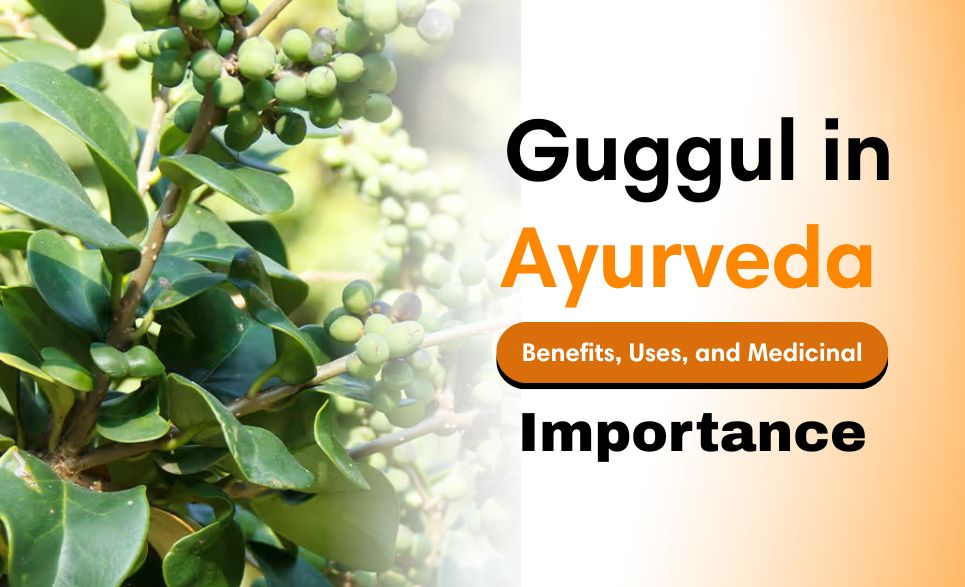
Guggul in Ayurveda: Benefits, Uses, and Medicinal Importance
Guggul, a resin extracted from the Commiphora mukul tree. This is a kind of small tree, grows up to 6 m with spiral, brown colored ascending branches ending in sharp scented spines. The Commiphora wightii or Guggulu is distributed in the rocky tracts of Gujarat, Rajasthan and Mysore in India, Sindh and Balochistan of Pakistan. Guggulu is a popular herb classified as tridosh har in Indian Ayurvedic medicine that is used to treat several ailments. Guggulu is a shrub or small tree belonging to Burseraceae family. It contains volatile oil, gum resin, gugulipids, guggulsterones, guggulsterols, mukolol and other steroids. Due to its miraculous healing properties, it has been used for centuries in India to treat a range of health conditions. Properties and actions- Guna of puran(old)guggulu: Laghu, Ruksh, Tikshna, Vishad, Suksham, Sar, Sugandhi Guna of Naveen(fresh) guggulu: Snigdh, Picshil Rasa: Katu, Tikta, Kasaya Vipaka: Katu Virya: Ushna Prabhav: Tridosh har Karma: Balya, Rasayana, Varnya, Vatabalasajit, Bhagnasandhanakrit, Medohara, Balances Vata and Kapha, may aggravate Pitta in excess Benefits of Guggul- 1. Weight Management & Fat Metabolism Guggulsterones, active compounds in guggul, help reduce LDL (bad cholesterol) and triglycerides while promoting HDL (good cholesterol).According to Ayurveda its Medohara (fat-reducing) property help in reducing cholesterol and increases fat metabolism by kaphshamak action. 2. Aids in Weight Management Guggul boosts metabolism and enhances fat burning(through medohar and kaphshamak action) by stimulating thyroid function. It is a key ingredient in Medohar Guggulu, traditionally used to reduce excess fat and manage obesity. 3. Anti-inflammatory & Pain Relief Guggul has Vaatshamak property that causes relief in arthritis, joint pain, and Kaphshamak property helps relieve muscle inflammation. 4.For Blood Purification and Acne Pimples- A Kapha-Pitta dosha skin type can be prone to acne and pimples. According to Ayurveda, an aggravation of Kapha increases sebum production which clogs the pores. This results in the formation of both white and blackheads. An aggravation of Pitta also causes red papules (bumps) and inflammation with pus. Guggul helps to balance Kapha-Pitta because of Tridosha balancing property and reduces clogs and inflammation when taken orally in the form of classical formulation Kaishor guggul . 5. Antioxidant & Anti-aging- Guggul delays cellular aging and supports longevity. It rejuvenates tissues and boosts overall vitality. 6. Bone and Joint Support- Promotes bone healing and strengthens joints. It is also used in degenerative disorders like osteoarthritis and cervical/lumbar spondylosis. 7.Balances Hormones and Supports Thyroid Function- Guggul is especially beneficial for hypothyroidism, guggul in classical formulation of Kanchnar guggul and Triphala guggul stimulates thyroid hormone production and supports hormonal balance, making it helpful in PCOS and menstrual disorders. 8.Balya & Rasayana- Guggul act as Strength-giving and rejuvenating dravya Classical Ayurvedic References of Guggul- "गुग्गुलुस्तिक्तका क्षौद्रा मधुरा त्रिदोषहा । रसायनी तीक्ष्णा शीघ्रव्यापिनी पाचनी ॥"— Bhavaprakasa Nighantu Guggulu is bitter in taste (tikta rasa) has honey-like sweetness ,Balances all three doshas (Vata, Pitta, Kapha),acts as a rejuvenator (Rasayana) ,sharp/potent in action ,spreads quickly through the body,enhances digestion (Deepana-Pachana). "गुग्गुलुस्तु महावीर्यो दोषान् हन्ति त्रयांश्च सः | वातपित्तकफघ्नश्च विशेषेणानिलापहः ||" Yogaratnakara – Vata Vyadhi Chikitsa Guggulu is of great potency, destroys all three doshas, with special emphasis on Vata alleviation—making it highly effective in neuromuscular and joint disorders. Guggul-Based Ayurvedic Classical Formulations- Yograj Guggulu – Joint and muscle pain Kaishor Guggulu – Skin disorders and blood purification Medohar Guggulu – Obesity and weight loss Kanchnar Guggulu – Thyroid and glandular swellings Triphala Guggulu – Detoxification and digestive support Amritadi Guggul-gout Abha Guggul-spondylitis Lakshadi Guggul-any type of bone fracture Conclusion- Guggul stands as a timeless Ayurvedic remedy, deeply revered for its tridosha-balancing, detoxifying, and rejuvenating properties. From managing cholesterol, weight, and joint pain to addressing skin disorders and hormonal imbalances, Guggul offers a holistic approach to wellness. Backed by classical Ayurvedic texts and centuries of traditional use, Guggul is not just a herb—it's a potent healer for today’s lifestyle disorders. Incorporating purified Guggul under the guidance of an Ayurvedic practitioner can be a safe and effective way to restore balance and vitality naturally.
Read more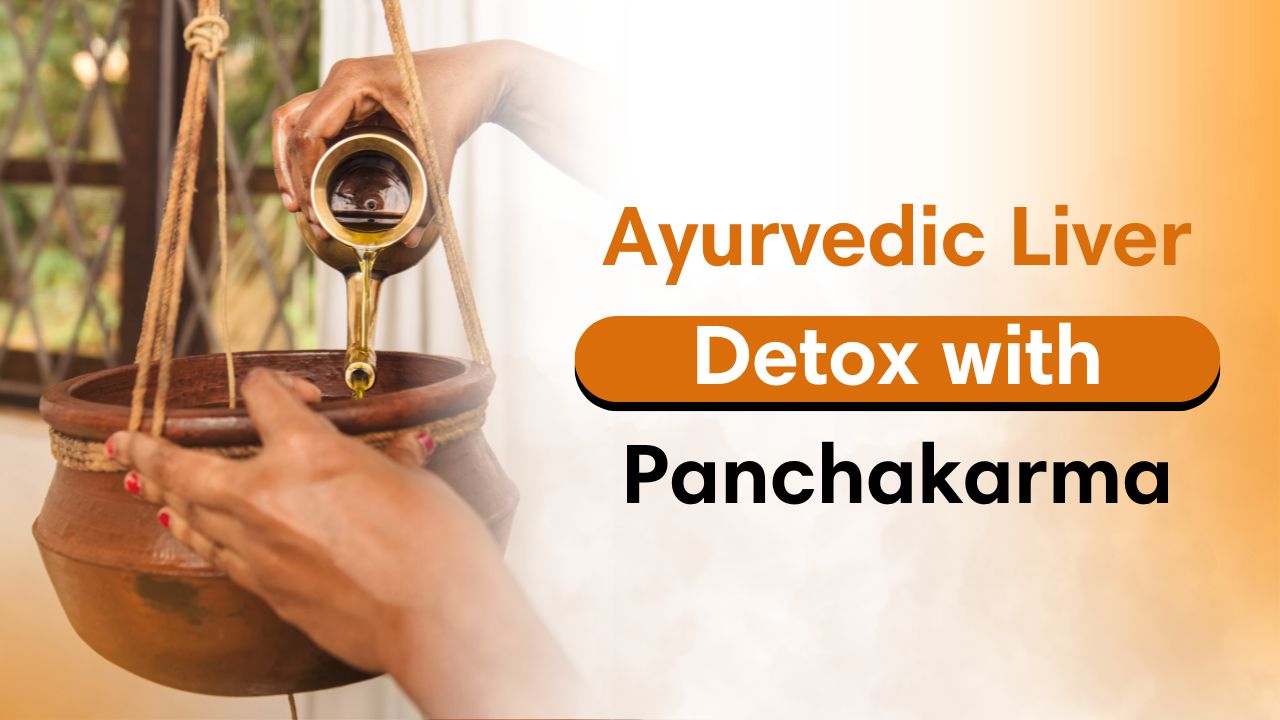
Ayurvedic Treatment for Liver Detoxification: How Panchakarma Heals from Within
The liver is the body’s natural detoxifier, playing a crucial role in filtering toxins and waste from our bloodstream. In today’s fast-paced world filled with processed foods, environmental pollutants, and stress, liver health often takes a backseat. This is where Ayurvedic treatment for liver detoxification steps in, offering time-tested holistic methods to restore liver function naturally. One of the most effective therapies is Panchakarma, the crown jewel of Ayurvedic healing. What is Panchakarma? Panchakarma, which literally means "five actions," is a set of five therapeutic treatments in Ayurveda designed to cleanse the body of toxins (Ama) and restore balance to the Doshas—Vata, Pitta, and Kapha. It not only rejuvenates the liver but also improves digestion, boosts immunity, and enhances overall vitality. The Five Panchakarma Therapies: Vamana Virechana Basti Nasya Raktamokshana Among these, Virechana is particularly effective for liver detoxification as it targets excess Pitta—the dosha most associated with liver function. Ayurvedic Treatment for Liver Detoxification Through Panchakarma When it comes to cleansing the liver, Ayurvedic treatment for liver detoxification focuses on eliminating deep-rooted toxins and balancing metabolic functions. Here's how Panchakarma helps: 1. Virechana— Virechana uses herbal laxatives to cleanse the liver and gallbladder. This purgation process removes accumulated Pitta from the body, reducing inflammation and improving bile flow. 2. Pre-Treatment: Snehana and Swedana Before the actual detox, the body is prepared with: Snehana (internal and external oleation) using medicated ghee or oils. Swedana (steam therapy) to open up bodily channels for effective toxin elimination. 3. Post-Treatment Rasayana (Rejuvenation) After detox, rejuvenating Ayurvedic herbs for liver detoxification are administered to repair and nourish liver cells. Top Ayurvedic Herbs for Liver Detoxification The power of Ayurveda lies not only in the treatments but also in the healing herbs that support liver health. Here are the most effective Ayurvedic herbs for liver detoxification: Bhumyamalaki (Phyllanthus niruri)—Regenerates liver cells and protects against hepatitis. Kutki (Picrorhiza kurroa)—Detoxifies and acts as a hepatoprotective agent. Kalmegh (Andrographis paniculata)—Reduces liver inflammation and enhances bile secretion. Triphala—a combination of three fruits that gently cleanses the liver and supports digestion. Turmeric (Curcuma longa)—a powerful anti-inflammatory and antioxidant herb. These herbs are often used in combination with Panchakarma to provide both detoxification and rejuvenation. Benefits of Panchakarma for Liver Health Deep cellular detoxification Improved bile secretion and metabolism Relief from fatty liver and liver congestion Better digestion and appetite Enhanced energy and mental clarity When to Consider Ayurvedic Liver Detox If you experience symptoms like chronic fatigue, bloating, skin issues, or frequent headaches, your liver might be under stress. An Ayurvedic treatment for liver detoxification using Panchakarma can restore balance and prevent future health complications. Conclusion Liver health is vital for overall well-being, and Ayurveda offers a natural, holistic approach to detox and rejuvenate this essential organ. By combining Panchakarma with Ayurvedic herbs for liver detoxification, you can support long-term health and vitality without harmful side effects. If you're considering a natural way to heal your liver, consult a qualified Ayurvedic practitioner to create a personalized Panchakarma detox plan.
Read more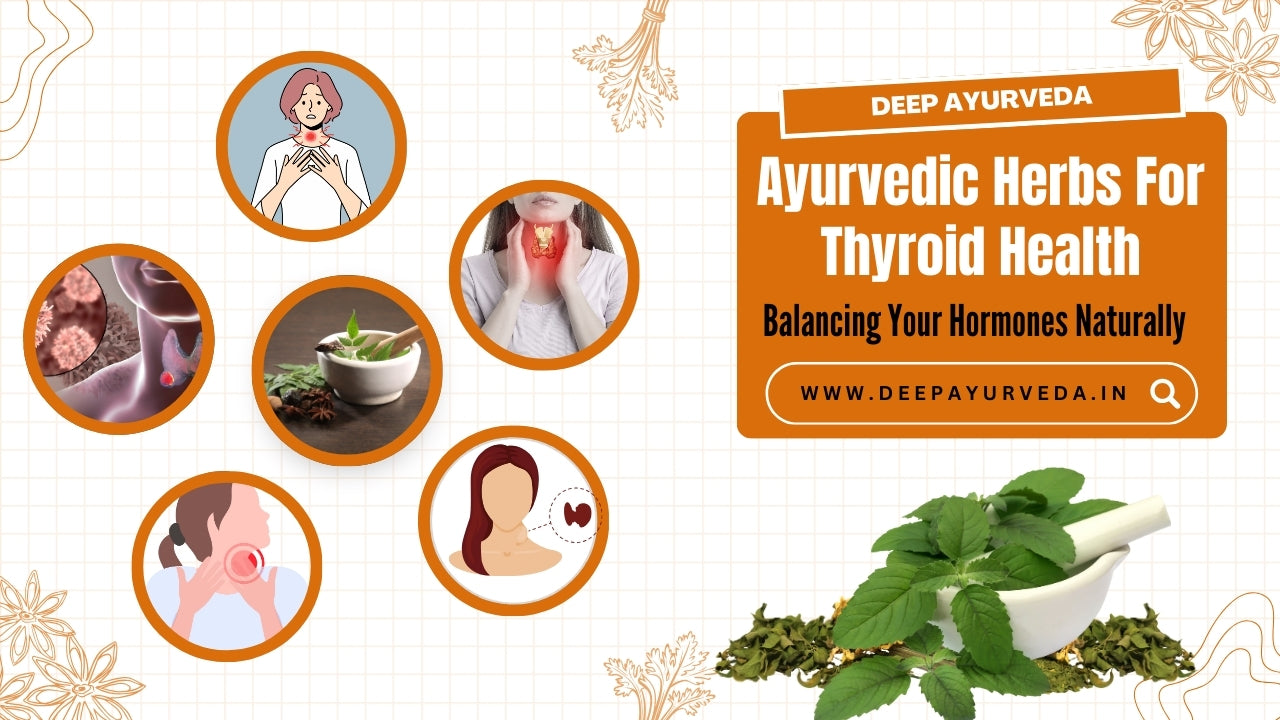
Ayurvedic Herbs For Thyroid Health: Balancing Your Hormones Naturally
Feeling tired, moody, or struggling with unexplained weight changes? Your thyroid might be the hidden culprit. In this blog, discover how Ayurvedic herbs like Ashwagandha, Brahmi, and Guggul can help naturally restore thyroid balance and support hormone health. Learn how Ayurveda, combined with simple lifestyle changes, offers a holistic path to managing thyroid-related symptoms and improving overall well-being.
Read more