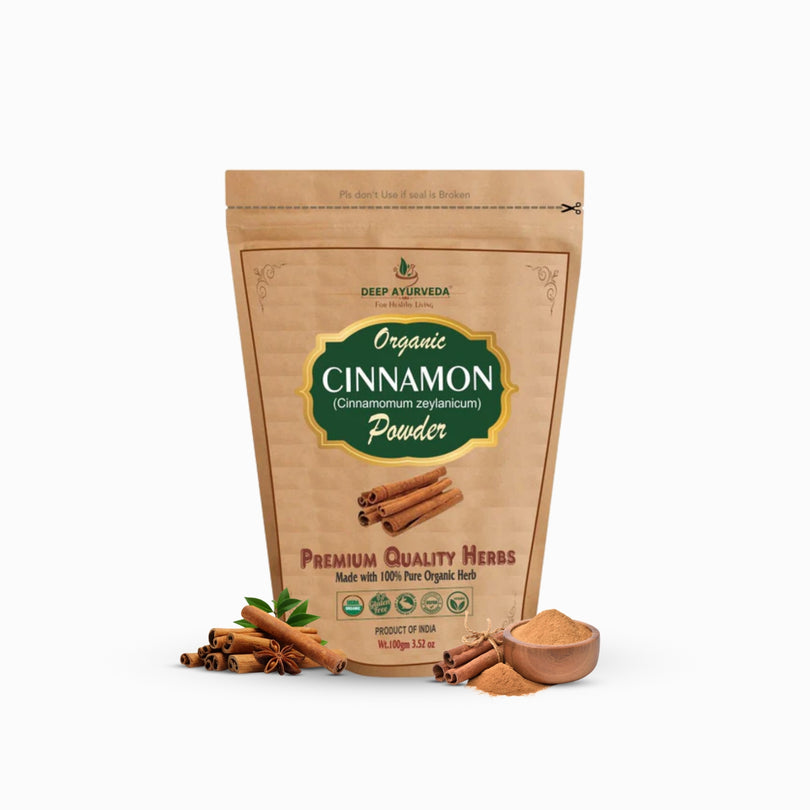
Deep Ayurveda Organic Dalchini Powder
✅ 100% Organic & Chemical-Free ✅ Supports Healthy Digestion ✅ Boosts Immunity ✅ Balances Blood Sugar Levels ✅ Promotes Heart Health
Dalchini (Cinnamon) is commonly known as a flavorful kitchen spice, but in Ayurveda, it holds a much deeper significance as a therapeutic herbal substance (Aushadhi Dravya). For centuries, it has been used not only to enhance taste but also to stimulate digestion (Agni), balance doshas, and support overall health.
In today’s lifestyle characterized by poor eating habits, stress, and sedentary routines many chronic conditions such as indigestion, obesity, and blood sugar imbalance arise due to weakened digestive fire (Mandagni). Dalchini plays a crucial role in rekindling Agni and eliminating Ama (toxins) from the body.
This guide is written from an Ayurvedic doctor’s perspective, combining classical Ayurvedic principles with modern scientific understanding to provide safe, effective, and practical knowledge.
What is Dalchini in Ayurveda?
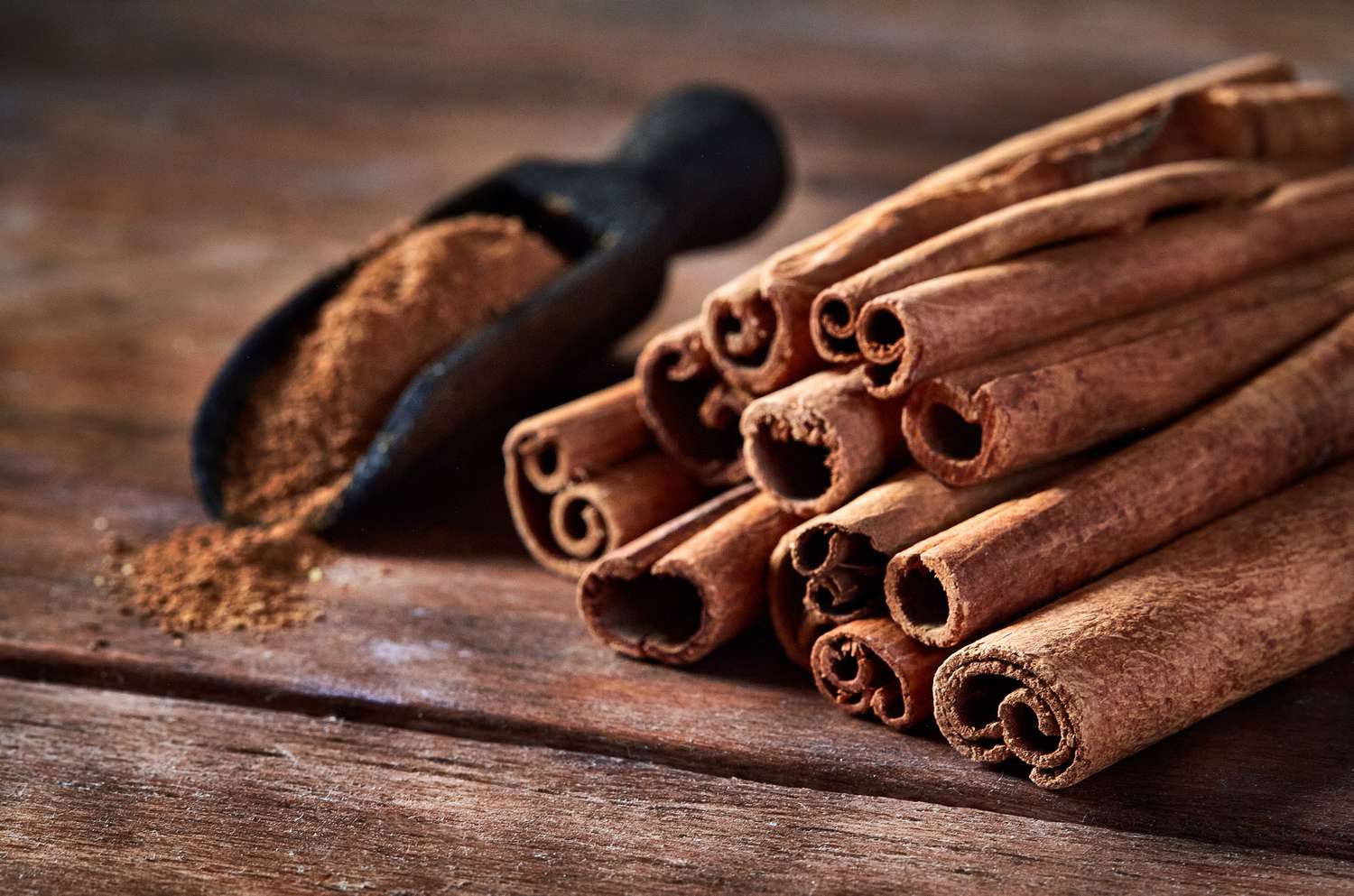
Dalchini is obtained from the inner bark of trees belonging to the Cinnamomum genus and has been valued in Ayurveda for its warming and stimulating properties. Traditionally, it is known as Tvak or Darusita and is widely used in daily remedies to support digestion and overall balance in the body.
In common usage, it is referred to as Dalchini in Hindi and Cinnamon in English, making it a familiar yet powerful ingredient found in most Indian kitchens.
Ayurvedic Properties of Dalchini
In Ayurvedic texts, Dalchini is described based on its taste, qualities, potency, and post-digestive effect, which together define how it interacts with the body.
It has a pungent and slightly sweet taste (Katu and Madhura Rasa), which helps in stimulating digestion and reducing heaviness after meals. Its light and sharp nature (Laghu and Tikshna Guna) allows it to act quickly in breaking down toxins and improving metabolic activity.
Dalchini is considered hot in potency (Ushna Virya), which is why it is especially beneficial in conditions caused by coldness, such as cough, congestion, and slow digestion. After digestion, it produces a pungent effect (Katu Vipaka), further supporting the reduction of excess Kapha in the body.
Effect on Doshas
Due to its warming and penetrating nature, Dalchini is particularly effective in balancing Kapha and Vata doshas, which are often associated with coldness, dryness, and sluggishness in the body.
However, because of its heat, excessive consumption may aggravate Pitta, especially in individuals who are already prone to heat-related symptoms such as acidity or skin sensitivity.
These characteristics make Dalchini especially useful in managing conditions linked to low digestive fire (Mandagni), toxin accumulation (Ama), and excess mucus (Kapha imbalance), when used in the right quantity.
Types of Dalchini: Which One is Best?
Understanding the type of Dalchini is important, as its quality directly affects both its therapeutic benefits and safety in long-term use.
1. Ceylon Cinnamon (True Dalchini)
Ceylon cinnamon is lighter in color, softer in texture, and has a mild, pleasant taste. It contains very low levels of coumarin, which makes it a safer and more suitable option for regular use, especially from an Ayurvedic perspective.
2. Cassia Cinnamon (Common Market Type)
Cassia cinnamon is darker, thicker, and has a stronger, more intense flavor. It contains a higher amount of coumarin, which in excess quantities may put stress on the liver when consumed regularly.
My Advice
For daily or therapeutic use, it is always advisable to choose high-quality, organic Ceylon cinnamon, as it is gentler on the body and better aligned with Ayurvedic principles of safe, long-term healing.
Nutritional & Medicinal Compounds in Dalchini
Dalchini contains several active compounds that are responsible for its therapeutic effects. The most important among them is cinnamaldehyde, which gives cinnamon its characteristic aroma and plays a key role in reducing inflammation and controlling harmful microbes in the body.
It is also rich in polyphenols, natural antioxidants that help protect cells from oxidative stress and support overall immunity. In addition, the essential oils present in Dalchini stimulate digestive enzymes, improve circulation, and contribute to better metabolic function.
Ayurveda + Modern Science Connection
From an Ayurvedic perspective, Dalchini works by stimulating Agni (digestive fire) and clearing Ama (toxins) from the system. Interestingly, modern research explains these same effects in terms of improved metabolism, reduced oxidative damage, and better insulin response.
This alignment between classical Ayurvedic knowledge and modern science highlights why Dalchini continues to be valued as a reliable herb in holistic health practices.
Nutritional & Medicinal Compounds in Dalchini
Dalchini contains several active compounds that are responsible for its therapeutic effects. The most important among them is cinnamaldehyde, which gives cinnamon its characteristic aroma and plays a key role in reducing inflammation and controlling harmful microbes in the body.
It is also rich in polyphenols, natural antioxidants that help protect cells from oxidative stress and support overall immunity. In addition, the essential oils present in Dalchini stimulate digestive enzymes, improve circulation, and contribute to better metabolic function.
Ayurveda + Modern Science Connection
From an Ayurvedic perspective, Dalchini works by stimulating Agni (digestive fire) and clearing Ama (toxins) from the system. Interestingly, modern research explains these same effects in terms of improved metabolism, reduced oxidative damage, and better insulin response.
This alignment between classical Ayurvedic knowledge and modern science highlights why Dalchini continues to be valued as a reliable herb in holistic health practices.
Top Health Benefits of Dalchini
1. Improves Digestion
Dalchini is a potent Deepana (appetizer) and Pachana (digestive) herb. It stimulates digestive enzymes and helps in breaking down food efficiently.
Main Benefits
- Dalchini helps in reducing bloating and gas by supporting proper digestion and preventing the formation of excess air in the stomach.
- It provides relief from indigestion by enhancing the breakdown of food and improving overall gut function.
- Regular use of Dalchini can naturally improve appetite by stimulating digestive fire (Agni).
2. Supports Blood Sugar Balance
Dalchini is widely recognized in Ayurveda for its supportive role in managing Madhumeha (Diabetes). Its action is not direct like a drug, but it works by improving the body’s internal metabolic processes.
Regular and controlled use of Dalchini may help the body respond better to insulin, allowing glucose to be utilized more efficiently rather than accumulating in the bloodstream. It also helps in slowing down the rapid breakdown of carbohydrates, which can prevent sudden spikes in blood sugar levels after meals.
From an Ayurvedic perspective, Dalchini works by enhancing Agni (metabolic fire) and reducing Ama (toxins), both of which are considered key factors in the development of metabolic disorders like diabetes.
⚠️ Important:
Dalchini should always be used as a supportive measure alongside proper medical treatment and lifestyle management, not as a replacement for prescribed medication.
3. Aids in Weight Management
In Ayurveda, weight gain is often associated with a slow metabolism and the buildup of Ama (toxins) in the body. Dalchini, due to its Ushna (heating) and Tikshna (sharp) properties, helps stimulate metabolic activity and supports the body’s natural fat metabolism. It also assists in reducing toxin accumulation, which can otherwise interfere with proper digestion and weight balance.
👉 When used regularly in the right dosage, Dalchini can support healthy weight management as part of a balanced lifestyle.
4. Boosts Immunity
Due to its antioxidant and antimicrobial properties, Dalchini strengthens the body’s defense system.
Instead of short bullet points, you can write it like this:
Dalchini helps the body resist common infections by supporting natural immune responses and reducing internal inflammation. Its regular use, especially during seasonal changes, can assist in protecting against frequent issues like cold, cough, and mild infections.
5. Helps in Cold, Cough & Respiratory Health
Dalchini’s Ushna (warming) nature helps to reduce excess Kapha in the respiratory system, which is often responsible for symptoms like cough, congestion, and mucus buildup.
It works by gently loosening thick phlegm, supporting easier breathing, and providing relief in common conditions such as seasonal cold and mild throat irritation.
How to Use Dalchini in Daily Life
In Ayurvedic practice, dalchini is not used in large doses but incorporated in simple, daily forms to support digestion and overall balance. When taken correctly and consistently, it can offer gentle yet effective health benefits without disturbing the body’s natural harmony.
1. Dalchini Water
Boiling a small piece of dalchini in water and drinking it in the morning helps gently stimulate digestion and metabolism, especially for those with sluggish Agni.
2. Dalchini Tea
Adding dalchini to your regular herbal tea not only enhances its taste but also supports immunity and helps the body deal better with seasonal infections.
3. Powder with Honey
A small pinch of dalchini powder mixed with honey can be taken occasionally to soothe the throat and provide relief in mild cough conditions.
4. In Daily Diet
Dalchini can be easily included in everyday cooking—such as in curries, soups, or even desserts—to support digestion in a subtle and consistent way.
👉 In Ayurveda, the focus is always on regular and moderate use, rather than consuming large quantities at once.
Recommended Dosage of Dalchini
Proper dosage plays a crucial role in ensuring that Dalchini provides benefits without causing any unwanted effects. In Ayurveda, even natural herbs must be used in the right quantity and according to individual body needs.
For general use, Dalchini powder can be taken in a quantity of around 1–2 grams per day, which is sufficient to support digestion and metabolism without overstimulating the system. If you prefer using it in stick form, a small piece boiled in water as a decoction is considered effective for daily use.
The timing of consumption also matters. Taking Dalchini in the morning can help gently activate metabolism and improve energy levels throughout the day, while consuming it after meals supports better digestion and reduces issues like bloating or heaviness.
Seasonal factors should also be considered. Since Dalchini has a naturally heating (Ushna) effect, it is more suitable during winter or colder climates, when the body benefits from warmth. During hot weather or in individuals with a Pitta-dominant constitution, it should be used in smaller amounts and with proper balance.
Side Effects & Precautions
While Dalchini is highly beneficial when used correctly, excessive or inappropriate use may lead to certain unwanted effects, especially in individuals with sensitive body constitutions.
Mouth irritation:
In some individuals, especially when taken in higher quantities or in raw powder form, Dalchini may cause a mild burning sensation or irritation in the mouth and throat.
Increased body heat:
Due to its Ushna (hot potency) nature, overconsumption of Dalchini can increase internal heat, which may lead to symptoms like acidity, sweating, or a feeling of heat in the body.
Liver stress (due to excess coumarin):
Regular intake of large amounts, particularly of Cassia cinnamon, may put stress on the liver because of its higher coumarin content, which should be consumed in moderation.
Who Should Avoid or Use with Caution
Pregnant women:
High doses of Dalchini are generally not recommended during pregnancy, as its strong heating nature may not be suitable without medical supervision.
Individuals with liver disorders:
Those with existing liver conditions should be cautious, as excessive intake may further burden liver function.
People with high Pitta constitution:
Since Dalchini increases heat in the body, individuals with a dominant Pitta dosha may experience aggravation if it is taken in excess.
👉 It is always advisable to consult a qualified Ayurvedic practitioner before using Dalchini regularly or in therapeutic doses.
Dalchini and Dosha Balance
Understanding dosha interaction is essential before using any Ayurvedic herb regularly.
Effects:
Kapha: Dalchini helps reduce excess Kapha by clearing mucus and improving heaviness in the body.
Vata: Its warming nature supports Vata balance, especially in cases of coldness and poor circulation.
Pitta: Due to its hot potency, excessive intake may aggravate Pitta, leading to heat-related symptoms.
Clinical relevance:
Because of its warming and stimulating properties, Dalchini is especially useful in cold climates, Kapha-dominant conditions, and in individuals experiencing low digestive fire or sluggish metabolism.
How to Choose the Best Quality Dalchini
Selecting the right quality Dalchini is essential to get its true Ayurvedic benefits. Always try to choose organic and chemical-free cinnamon, as impurities can reduce its therapeutic value.
In my clinical experience, thin, soft, and layered sticks (Ceylon variety) are considered superior because they are milder, safer for long-term use, and better aligned with Ayurvedic principles. A good-quality Dalchini will always have a naturally sweet and warm aroma, which indicates freshness and potency.
On the other hand, avoid cinnamon that looks overly dark, thick, or artificially polished, as it is usually the Cassia variety and may not be suitable for regular consumption in higher amounts. Similarly, low-quality powdered Dalchini often contains fillers or loses its natural oils over time, reducing its effectiveness.
Final Advice
Dalchini is a powerful natural herb with significant benefits when used correctly. However, Ayurveda emphasizes individualized treatment—what works for one person may not work the same way for another.
Rather than viewing Dalchini as a quick remedy, it should be used as part of a holistic lifestyle approach, including proper diet, routine, and mental balance.
👉 When consumed in the right dosage, according to body constitution and seasonal needs, Dalchini can be a valuable addition to daily wellness.
Frequently Asked Questions
Q1. Can I take Dalchini daily?
Yes, in small amounts (1–2 grams), Dalchini can be taken daily. However, long-term use should be guided by an expert.
Q2. Is Dalchini good for weight loss?
Dalchini supports metabolism and digestion, which may help in weight management when combined with a healthy lifestyle.
Q3. Can diabetics use Dalchini?
Yes, it may help regulate blood sugar levels, but it should not replace prescribed medication.
Q4. What is the best time to take Dalchini?
Morning or after meals is considered ideal for better digestion and metabolic support.
Disclaimer
This content is for educational purposes only and is based on Ayurvedic principles. It should not be considered a substitute for professional medical advice, diagnosis, or treatment.