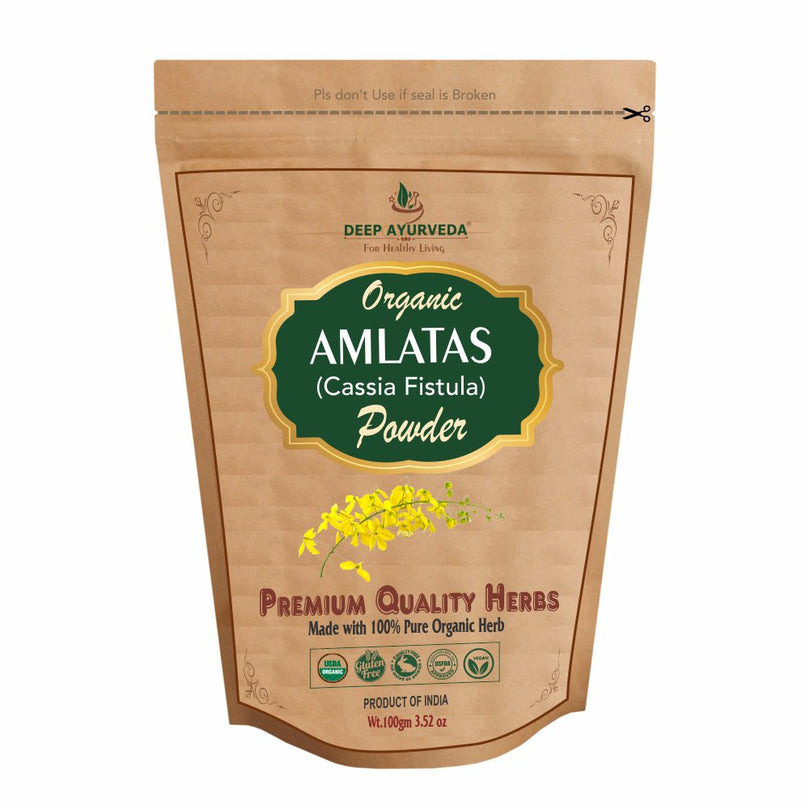
Deep Ayurveda Organic Amaltas Powder
✅100% Organic & Chemical-Free ✅ Relieves Constipation ✅Improves Digestion ✅ Natural Body Detox ✅ Supports Mild Fever & Cough Relief
Amaltas (Cassia fistula), known in Ayurveda as Aragvadha, is a classical medicinal plant widely used for managing constipation, skin disorders, and Pitta-related imbalances. It is especially valued for its mild laxative (Mridu Virechak) and blood-purifying (Raktashodhak) properties.
In my clinical Ayurvedic practice, Amaltas is commonly prescribed in patients suffering from chronic constipation, piles (Arsha), acne, and heat-related disorders, where gentle detoxification is required without aggravating Vata.
Unlike strong purgatives, Amaltas works naturally and safely when used in proper dosage, making it a preferred herb in both classical formulations and home remedies.
What is Amaltas (Cassia fistula) in Ayurveda?
Amaltas (Cassia fistula), referred to as Aragvadha in Ayurveda, is a well-documented medicinal plant primarily used for mild purgation (Mridu Virechan) and blood purification (Raktashodhana). It is especially indicated in conditions arising from Pitta aggravation and intestinal toxin accumulation (Ama).
Botanical Identification and Ayurvedic Name (Aragvadha)
- Botanical Name: Cassia fistula
- Sanskrit Name: Aragvadha (meaning disease killer)
- Family: Fabaceae
Parts Used in Ayurvedic Medicine
- Fruit pulp (Phal Majja) – most commonly used
- Bark and leaves – used in specific classical formulations
How Amaltas is Classified in Classical Texts
In classical Ayurvedic literature, Aragvadha is categorized under Virechanopaga Dravyasherbs that assist in detoxification through controlled purgation.
Ayurvedic Properties of Amaltas
Understanding the Dravya Guna of Amaltas is essential for its correct clinical application.
Rasa, Guna, Virya, Vipaka
-
Rasa (Taste): Madhura (sweet), Kashaya (astringent)
-
Guna (Qualities): Guru (heavy), Snigdha (unctuous)
-
Virya (Potency): Sheeta (cooling)
- Vipaka (Post-digestive effect): Madhura
Effect on Doshas
- Reduces Pitta Dosha (heat-related disorders).
- Balances Vata due to its unctuous nature.
- May slightly increase Kapha if overused.
Therapeutic Actions (Karma)
- Mridu Virechak (mild laxative)
- Raktashodhak (blood purifier)
- Pittashamak (reduces body heat)
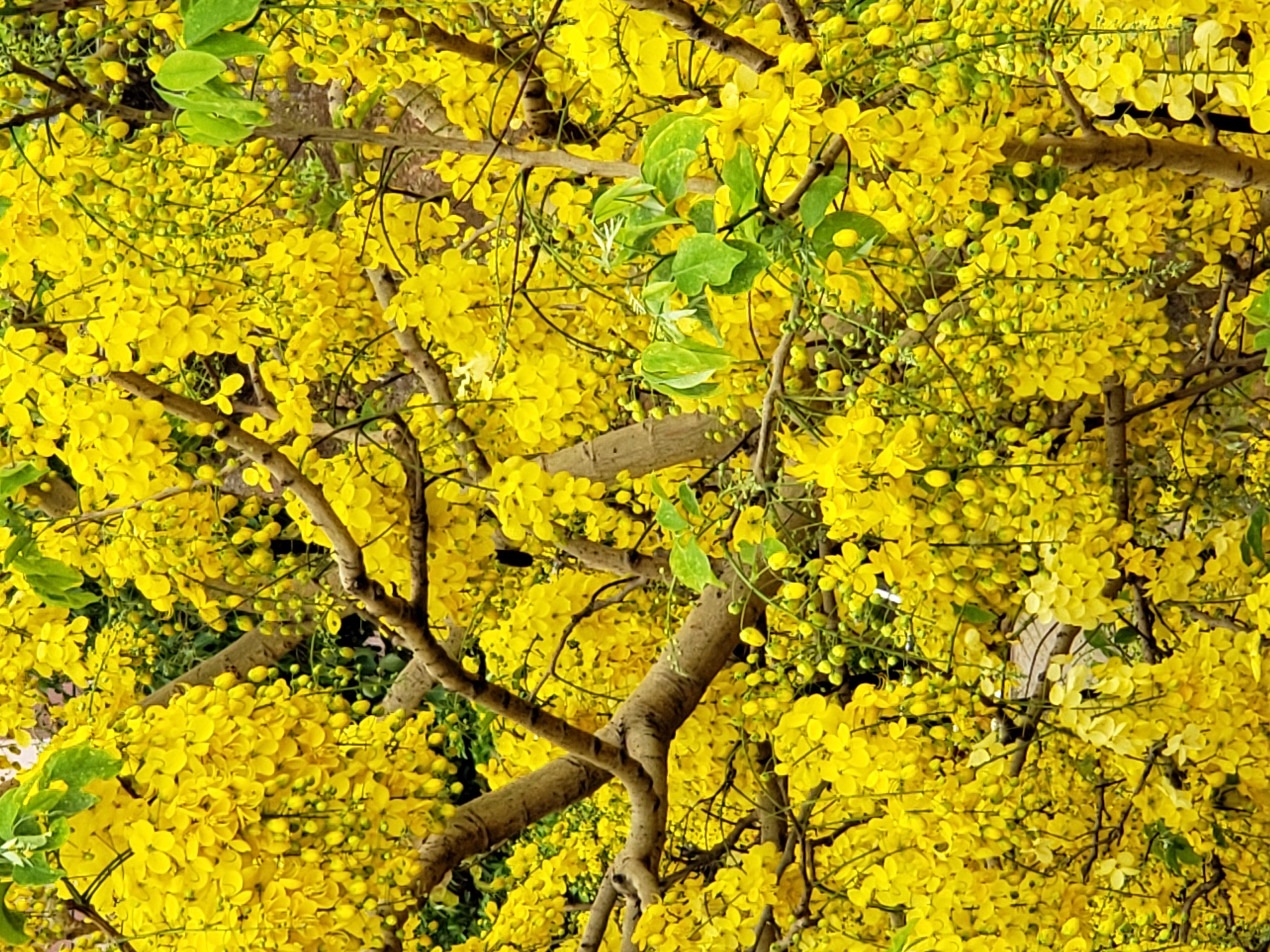
Amaltas Tree and Flower: Botanical Description and Identification
Amaltas is a deciduous tropical tree commonly found across India, especially during summer.
Physical Characteristics of Amaltas Tree
-
Height: 10–20 meters
-
Leaves: Compound, green
- Bark: Smooth, grayish
Identification of Amaltas Flower and Fruit
-
Flowers: Bright yellow, hanging clusters
- Fruit: Long cylindrical pods containing sweet black pulp.
Seasonal Availability in India
- Flowering: April to June
- Fruit maturity: Summer season
Evidence-Based Ayurvedic Benefits of Amaltas
How Does Amaltas Help in Relieving Constipation Naturally?
Amaltas is considered one of the most effective mild laxatives in Ayurveda, especially in cases where constipation is associated with dryness and heat in the body.
Instead of forcing bowel movement like strong purgatives, Amaltas works gently by softening the stool and promoting natural intestinal movement, making the process of defecation easier and less painful. It also helps reduce straining, which is particularly important in patients suffering from piles or fissures.
Ayurvedic Mechanism:
From an Ayurvedic perspective, Amaltas acts through Mridu Virechan Karma, which helps eliminate aggravated Pitta Dosha and accumulated toxins (Ama) from the gastrointestinal tract, thereby restoring normal bowel function.
Is Amaltas Effective for Piles (Arsha) Treatment?
Yes, Amaltas is clinically useful in managing piles (Arsha), especially when constipation is the underlying cause. In Ayurveda, difficulty in bowel movement and excessive straining are considered major factors that aggravate this condition.
Amaltas helps by softening the stool and promoting easy evacuation, which reduces pressure on rectal veins. Its mild cooling and anti-inflammatory nature also supports healing in inflamed tissues. In practice, it is often combined with formulations like Triphala or natural fiber sources such as Isabgol for better results.
How Amaltas Purifies Blood and Improves Skin Health?
Amaltas is traditionally described in Ayurveda as a Raktashodhak (blood purifier), meaning it helps cleanse impurities from the bloodstream that are often responsible for various skin disorders.
Instead of acting directly on the skin, Amaltas works internally by supporting the elimination of accumulated toxins (Ama) and excess Pitta from the body, which are considered the root causes of conditions like acne, boils, and त्वचा विकार. With regular and appropriate use, this internal cleansing gradually reflects on the skin as reduced inflammation, fewer eruptions, and a clearer complexion.
Can Amaltas Support Liver Detoxification in Ayurveda?
In Ayurveda, Amaltas is not considered a direct liver stimulant, but it plays an important supportive role in detoxification by promoting regular bowel movements and reducing excess Pitta. By facilitating the elimination of accumulated waste (Ama) through mild purgation, it helps reduce the metabolic load on the liver and supports its natural functioning.
In clinical practice, it is often used during summer (Grishma Ritu) when Pitta tends to accumulate, making gentle detoxification more beneficial.
How Does Amaltas Help in Reducing Body Heat (Pitta)?
Due to its Sheeta Virya (cooling potency), Amaltas helps pacify aggravated Pitta by reducing internal heat in the body. In clinical practice, it is often used in patients experiencing symptoms like burning sensation, acidity, or heat intolerance, as it supports the body’s natural cooling and detoxification processes.
Scientific Research and Pharmacological Properties of Amaltas
Modern research on Cassia fistula suggests that the plant contains several bioactive compounds such as anthraquinones, flavonoids, and tannins, which are known to influence digestive health and inflammatory responses in the body.
Studies indicate that Amaltas exhibits a mild laxative effect, helping to promote bowel movements without causing significant irritation to the intestines. In addition to this, its anti-inflammatory and antioxidant properties may support overall metabolic health and help in reducing oxidative stress.
From an Ayurvedic perspective, these findings closely resemble the classical concept of Virechan Karma, where the herb facilitates gentle elimination of accumulated toxins and excess Pitta from the gastrointestinal tract.
How to Use Amaltas: Dosage, Forms, and Method of Consumption
Recommended Dosage
In general practice, the pulp of Amaltas is used in a quantity of 5–10 grams, usually taken at night. It is commonly advised with lukewarm water or milk, as this helps in smooth bowel movement the next morning without causing irritation.
Different Forms

Amaltas is most effective when consumed in its natural fruit pulp form, as it retains its mild laxative properties. In some cases, it may also be used as a churna (powder) or prepared as a decoction (kadha), depending on the condition and formulation prescribed.
Best Time to Take
From a clinical perspective, Amaltas is best taken at night, as it supports the body’s natural elimination process in the morning and provides gentle relief from constipation.
Important: The exact dosage and form should always be decided based on an individual’s Prakriti (body constitution), digestive strength (Agni), and the nature of the disease, rather than following a fixed general recommendation.
Side Effects of Amaltas: Safety, Risks, and Precautions
When used in inappropriate quantity or without proper guidance, Amaltas may lead to certain digestive disturbances. In clinical observation, excessive intake can cause loose stools, as the herb has a natural laxative action. Some individuals may also experience mild abdominal discomfort or cramping, particularly if their digestive strength (Agni) is weak.
In rare cases, prolonged or high-dose use may contribute to mild dehydration, especially if fluid intake is not maintained properly during its use.
From a safety perspective, Amaltas should always be used in a measured dosage, as overconsumption can aggravate bowel movements rather than regulate them. Patients dealing with chronic conditions should avoid self-medication and instead use this herb under qualified Ayurvedic supervision, where dosage and duration are tailored according to their Prakriti and condition.
It is also important not to combine Amaltas with other strong laxatives without proper medical advice, as this may lead to excessive purgation and imbalance in the digestive system.
Who Should Avoid Amaltas?
Pregnancy and Lactation
Amaltas should generally be avoided during pregnancy and breastfeeding, as its mild laxative action may not be suitable in these stages unless specifically advised by an Ayurvedic doctor.
Certain Medical Conditions
Individuals suffering from chronic diarrhea, irritable bowel syndrome (IBS), or severe physical weakness should use Amaltas with caution, as it may further aggravate bowel sensitivity or reduce strength.
Drug–Herb Interactions
Amaltas should not be taken alongside other laxative medications or in conditions involving electrolyte imbalance, as it may intensify the effect and lead to unwanted complications.
Who Can Benefit from Amaltas?
Amaltas is particularly useful in conditions where the body requires gentle cleansing without causing weakness or irritation.
Chronic constipation patients
It is especially beneficial for individuals suffering from long-standing constipation, where stools are hard and dry, as it helps in smooth bowel evacuation without causing dependency.
Individuals with Pitta imbalance
People experiencing excess body heat, acidity, or burning sensations may benefit from Amaltas due to its natural cooling properties that help balance aggravated Pitta.
Skin disorders (acne, eczema)
In clinical practice, Amaltas is often considered when skin issues are linked with internal toxin buildup (Rakta Dushti), as it supports gentle blood purification.
People needing gentle detox:
It is suitable for those who require mild detoxification, especially during seasonal changes, where strong purgatives are not advisable.
Classical Ayurvedic References of Amaltas
Amaltas, referred to as Aragvadha in Ayurveda, is described in classical texts like the Charaka Samhita and Sushruta Samhita as a gentle cleansing herb primarily used for eliminating aggravated Pitta and accumulated toxins from the body.
In Panchakarma practice, it is traditionally used in Virechan therapy, where it supports controlled purgation without causing excessive कमजोरी (weakness), making it suitable for patients requiring mild detoxification.
From a therapeutic perspective, Aragvadha has been indicated in conditions such as Kushtha (skin disorders), digestive disturbances, and Pitta-dominant diseases, where its cooling and detoxifying nature helps restore internal balance.
Ayurvedic Doctor’s Advice on Using Amaltas Safely
Amaltas is a gentle yet effective Ayurvedic herb, but its results largely depend on how appropriately it is used according to an individual’s body constitution and health condition.
In Ayurvedic practice, it is always important to assess a person’s Prakriti (body type) before recommending Amaltas, as its cooling and laxative nature may not suit everyone in the same way. People dealing with long-term or chronic health conditions should avoid self-medication, because even mild herbs can disturb the natural balance of Doshas if used incorrectly.
Additionally, Amaltas is often more effective when used as part of a proper herbal combination, rather than as a standalone remedy. Such combinations are usually decided based on the patient’s symptoms and digestive strength (Agni).
In my clinical experience, incorrect or unsupervised use of Amaltas rarely causes serious harm, but it often leads to incomplete or unsatisfactory results. With proper Ayurvedic guidance, however, it can work safely and effectively as part of a holistic treatment approach.
Conclusion
Amaltas (Cassia fistula), known as Aragvadha in Ayurveda, is a reliable herb for gentle detoxification, constipation relief, and Pitta balance. Its mild laxative and cooling properties make it especially useful in digestive issues and skin disorders.
However, its benefits depend on proper dosage and individual body constitution (Prakriti). For safe and effective use, it is always best to take Amaltas under the guidance of a qualified Ayurvedic doctor.