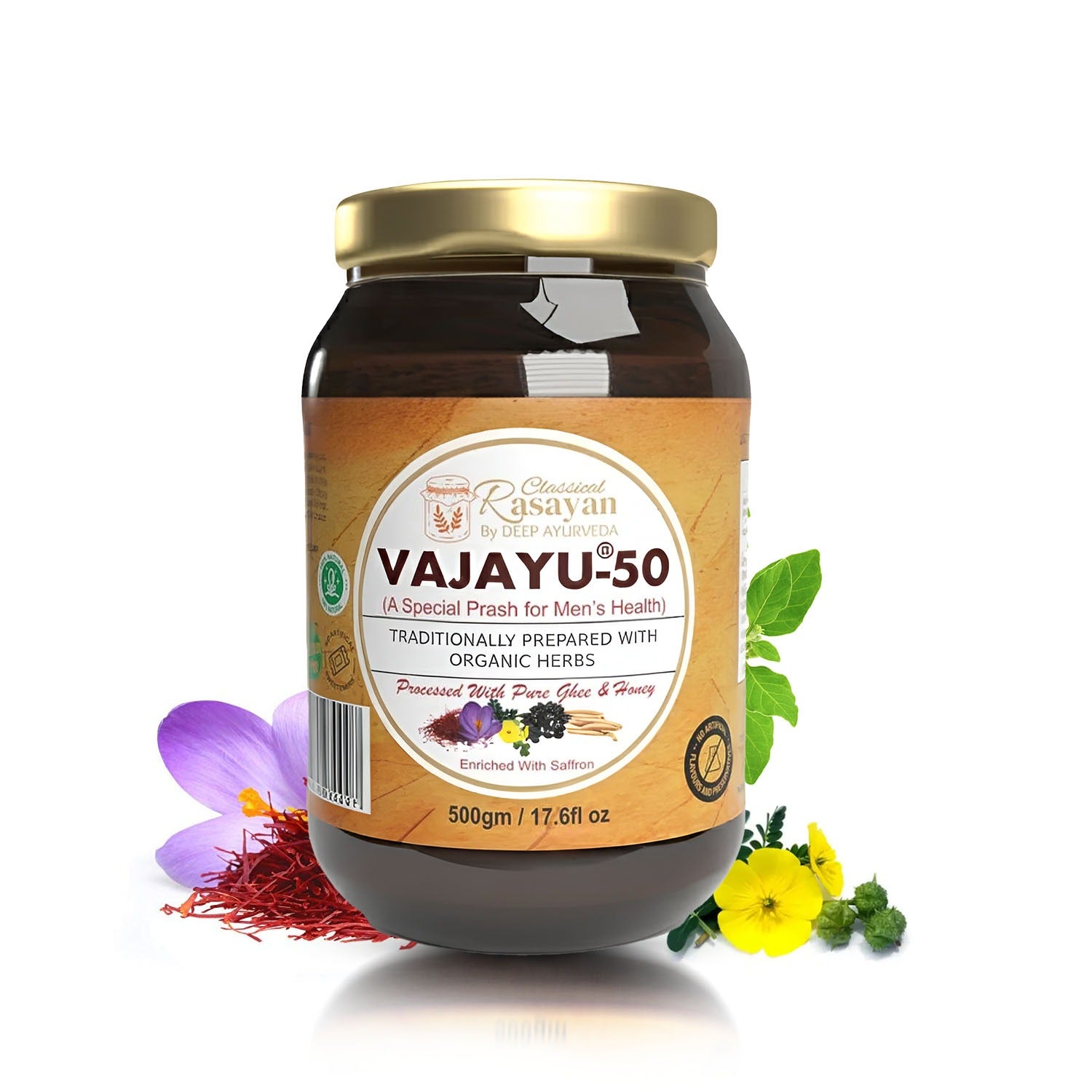

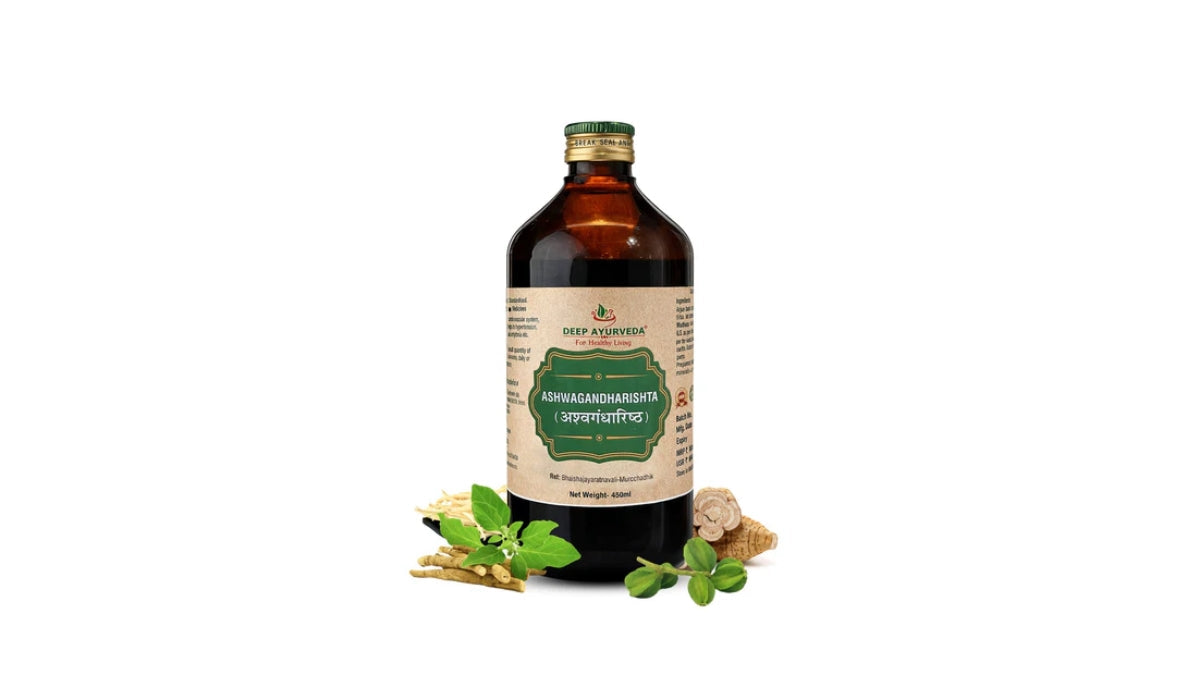
Ashwagandharishta is a traditional Ayurvedic fermented herbal formulation (Arishta) prepared primarily from Ashwagandha (Withania somnifera) and several supportive herbs. In Ayurveda, it is traditionally used as a Rasayana (rejuvenative) formulation to support strength, vitality, recovery, stress resilience, and overall well-being. It should be taken in the recommended dosage under the guidance of a qualified Ayurvedic practitioner, particularly for people with medical conditions or those taking prescription medicines.
Introduction
Feeling constantly tired despite getting enough sleep? Struggling with stress, low energy, or slow recovery after illness? In Ayurveda, these concerns are often linked to an imbalance in Vata Dosha, weakened Agni (digestive fire), or reduced Ojas, the body's natural vitality.
One classical Ayurvedic formulation that has been traditionally used to support strength, vitality, and recovery is Ashwagandharishta. Unlike a simple Ashwagandha powder or capsule, Ashwagandharishta is a fermented herbal preparation (Arishta) made using Ashwagandha along with several complementary herbs. This traditional method is believed in Ayurveda to enhance the formulation's properties and improve its shelf stability.
For generations, Ayurvedic physicians have prescribed Ashwagandharishta to help individuals experiencing general weakness, fatigue, stress, poor stamina, and recovery after illness. However, like any herbal preparation, it should be used appropriately and under the guidance of a qualified healthcare professional, especially if you have an existing medical condition or take regular medications.
In this comprehensive guide, you'll learn:
· What Ashwagandharishta is and how it differs from other Ashwagandha products
· Its traditional Ayurvedic benefits and uses
· Key ingredients and their roles
· Recommended dosage and the best time to take it
· Possible side effects and precautions
· What modern research says
· Who may benefit and who should avoid it
Whether you're new to Ayurveda or looking for reliable information before using Ashwagandharishta, this guide aims to provide a balanced understanding rooted in classical Ayurvedic knowledge and current evidence.
What is Ashwagandharishta?
Ashwagandharishta is one of Ayurveda's classical Arishta formulations, described in traditional Ayurvedic literature. It combines Ashwagandha (Withania somnifera) with other herbs in a naturally fermented liquid base.
In Ayurveda, this formulation is classified as a Rasayana, a category of preparations traditionally used to promote vitality, nourish body tissues (Dhatus), and support healthy ageing. Rather than targeting a single symptom, Rasayana formulations are intended to improve the body's overall resilience and functional balance.
A unique Ayurvedic formulation—not just Ashwagandha
A common misconception is that Ashwagandharishta is simply liquid Ashwagandha. In reality, it is a carefully formulated herbal preparation containing multiple ingredients that work together according to Ayurvedic principles.
This combination is designed to:
· Support healthy energy and stamina
· Promote resilience to everyday stress
· Help nourish body tissues after physical weakness
· Support digestive strength (Agni), which Ayurveda considers essential for overall health
· Contribute to healthy nervous system function from an Ayurvedic perspective
The formulation undergoes natural fermentation, creating what Ayurveda calls an Arishta. This process has traditionally been valued for preserving the preparation and enhancing its therapeutic properties. While Ayurveda attributes specific benefits to this method, more modern clinical research on the complete formulation is still needed.
Why Is It Called an Arishta? Understanding the Ayurvedic Science Behind Ashwagandharishta
Many people assume that Ashwagandharishta is simply a liquid form of Ashwagandha. However, in Ayurveda, it belongs to a unique category of herbal preparations known as Arishta.
An Arishta is a classical Ayurvedic fermented formulation prepared by processing herbs in a liquid medium and allowing natural fermentation under controlled conditions. This process, known in Ayurveda as Sandhana Kalpana, has been used for centuries to prepare formulations that are easy to consume, stable for longer periods, and traditionally believed to support better assimilation.
Unlike tablets, powders, or capsules that usually contain one or a few herbs, an Arishta combines multiple ingredients that work together according to Ayurvedic principles.
Ashwagandharishta is one such formulation, where Ashwagandha (Withania somnifera) is blended with supportive herbs and naturally fermented to create a balanced preparation traditionally used for strength, vitality, and recovery.
What Is Sandhana Kalpana? The Ayurvedic Science of Natural Fermentation
One of the most interesting aspects of Ashwagandharishta is its preparation method.
In Ayurveda, the process of preparing naturally fermented formulations is called Sandhana Kalpana. Classical texts describe this method as a way to preserve herbal properties and create formulations that can be stored for longer durations.
During this process:
1. Herbal decoctions are prepared from selected ingredients.
2. Natural sweetening agents such as jaggery, sugar, or honey may be added, depending on the formulation.
3. Fermentation-supporting ingredients like Dhataki (Woodfordia fruticosa) are traditionally used.
4. The mixture is kept under controlled conditions for natural fermentation.
5. The final product becomes a self-generated herbal preparation with characteristic taste, aroma, and stability.
Why is this process important?
According to Ayurveda, fermentation helps:
· Enhance the qualities of herbs
· Improve shelf life
· Create a balanced formulation
· Support better assimilation
Modern science recognizes fermentation as a process that can change the chemical composition of ingredients. However, more research is still needed to fully understand the effects of traditional Ayurvedic fermentation methods on complete formulations like Ashwagandharishta.
Classical Ayurvedic Perspective of Ashwagandharishta
To understand Ashwagandharishta deeply, it is important to see it through the lens of Ayurveda rather than only modern terminology.
Ayurveda evaluates a formulation based on:
· Rasa (Taste)
· Guna (Qualities)
· Virya (Potency)
· Vipaka (Post-digestive effect)
· Dosha Action
· Dhatu Nourishment
· Karma (Traditional Actions)
Because Ashwagandharishta contains multiple herbs, its overall actions are considered more important than the properties of a single ingredient.
Rasa (Taste)
Ashwagandharishta generally exhibits:
· Madhura (Sweet)
· Tikta (Bitter)
· Kashaya (Astringent)
According to Ayurveda, these tastes are traditionally associated with nourishment, balance, and tissue support.
Guna (Qualities)
Its qualities are traditionally considered:
· Guru (Nourishing)
· Snigdha (Unctuous)
· Balya (Strength-promoting)
These qualities are often associated with supporting individuals experiencing fatigue, weakness, or reduced vitality.
Virya (Potency)
Ashwagandha is traditionally considered to have Ushna Virya (warming potency).
From an Ayurvedic perspective, warming herbs are often used to support:
· Balanced Vata
· Digestive strength (Agni)
· Healthy circulation
· Tissue nourishment
Vipaka (Post-Digestive Effect)
Ashwagandha is generally described as having Madhura Vipaka (sweet post-digestive effect).
Ayurveda associates Madhura Vipaka with:
· Tissue nourishment
· Strength
· Rejuvenation
· Support for Ojas
Dosha Action
Vata Dosha
Ashwagandharishta is traditionally considered particularly beneficial for balancing aggravated Vata Dosha, which may manifest as:
· Weakness
· Fatigue
· Poor sleep
· Restlessness
· Nervous exhaustion
· Dryness
Pitta Dosha
Depending on individual constitution and dosage, it may also support balanced Pitta when used appropriately.
Kapha Dosha
People with dominant Kapha constitution may require individualized guidance, especially if sluggish digestion is present.
Dhatu Nourishment (Body Tissue Support)
Ayurveda describes seven body tissues (Dhatus). Ashwagandharishta is traditionally believed to support:
|
Dhatu |
Traditional Role |
|
Rasa |
General nourishment |
|
Mamsa |
Muscle tissue |
|
Meda |
Healthy metabolic balance |
|
Asthi |
Structural support |
|
Majja |
Nervous system support |
|
Shukra |
Reproductive tissue |
|
Ojas |
Vitality and resilience |
Ojas: The Forgotten Concept in Modern Wellness
Most online articles discuss immunity, energy, or stamina, but very few explain Ojas.
In Ayurveda, Ojas is considered the essence of healthy tissues and is associated with:
· Vitality
· Endurance
· Resilience
· Mental calmness
· Overall well-being
Ashwagandharishta is traditionally categorized as a Rasayana, meaning it is used in Ayurveda to support healthy Ojas and promote long-term wellness.
This concept is one of the major differences between Ayurvedic health philosophy and symptom-based approaches.
Traditional Ayurvedic Actions (Karma)
Ashwagandharishta is traditionally described as:
· Balya (Strength-supporting)
· Rasayana (Rejuvenative)
· Brimhana (Nourishing)
· Medhya (Supports mental function)
· Vatahara (Supports Vata balance)
These traditional terms describe how Ayurveda views the formulation. They should not be interpreted as medical claims.
Ashwagandharishta vs Ashwagandha Powder vs Capsules
|
Feature |
Ashwagandharishta |
Ashwagandha Powder |
Capsules |
|
Form |
Fermented liquid |
Powder |
Extract |
|
Ingredients |
Multi-herb |
Single herb |
Usually single herb |
|
Traditional Use |
Rasayana |
General use |
Modern supplement |
|
Digestion Support |
Yes, according to Ayurveda |
Moderate |
Depends on formulation |
|
Convenience |
Easy to consume |
Requires mixing |
Most convenient |
|
Classical Ayurvedic Preparation |
Yes |
Yes |
No |
Complete Ingredients of Ashwagandharishta: Understanding the Role of Every Herb
One of the biggest reasons behind the effectiveness of Ashwagandharishta in Ayurveda is that it is not a single-herb preparation. It is a thoughtfully balanced formulation in which each ingredient has a specific role.
While Ashwagandha is the principal herb, several supporting herbs are traditionally added to improve digestion, promote nourishment, balance doshas, and complement the overall action of the formulation.
Doctor's Note: The exact composition of Ashwagandharishta may vary slightly between manufacturers because some follow different classical references or proprietary formulations. Always check the product label for the complete ingredient list.
Key Ingredients in Ashwagandharishta
The following herbs are commonly found in classical or widely available formulations of Ashwagandharishta.
|
Ingredient |
Botanical Name |
Traditional Ayurvedic Role |
|
Ashwagandha |
Withania somnifera |
Supports strength, vitality, and Vata balance |
|
Manjistha |
Rubia cordifolia |
Traditionally supports healthy blood and skin |
|
Haritaki |
Terminalia chebula |
Supports digestion and natural detoxification |
|
Daruharidra |
Berberis aristata |
Traditionally used to support metabolic balance |
|
Trikatu |
Blend of Black Pepper, Long Pepper & Ginger |
Supports Agni (digestive fire) and herb assimilation |
|
Vidari |
Pueraria tuberosa |
Traditionally nourishing and rejuvenating |
|
Yashtimadhu |
Glycyrrhiza glabra |
Supports soothing and nourishment |
|
Dhataki Flowers |
Woodfordia fruticosa |
Supports the natural fermentation process |
The exact ingredient profile may differ depending on the manufacturer.
Ingredient Spotlight
1. Ashwagandha (Withania somnifera)
Ashwagandha is the principal herb in Ashwagandharishta and one of the most valued rejuvenating herbs in Ayurveda. Traditionally classified as a Rasayana, it has been used for centuries to support strength, vitality, and overall well-being. Ayurvedic practitioners often recommend it after assessing an individual's constitution, digestive strength, and health concerns.
Traditional Ayurvedic Actions
- Helps maintain a healthy balance of Vata Dosha, which is associated with stability and strength.
- Traditionally used as a Balya herb to support physical stamina and recovery.
- Nourishes body tissues (Brimhana) and promotes long-term vitality.
- Supports restful sleep and relaxation as part of a healthy lifestyle.
- Contributes to maintaining Ojas, which Ayurveda considers the essence of vitality and resilience.
Modern Research
Modern clinical studies on standardized Ashwagandha extracts have explored their role in stress management, sleep quality, and physical performance. However, these findings should not be directly applied to Ashwagandharishta, as it is a multi-herb classical formulation with a different composition.
2. Manjistha (Rubia cordifolia)
Manjistha is traditionally valued in Ayurveda for supporting healthy blood circulation and maintaining clear, healthy skin. It complements Ashwagandha by helping maintain internal balance and supporting overall tissue health.
Traditionally Used For
- Supports healthy skin as part of an overall wellness routine.
- Helps maintain the balance of Rakta Dhatu (blood tissue) in Ayurvedic practice.
- Traditionally included to support the body's natural cleansing processes.
3. Haritaki (Terminalia chebula)
Haritaki is often referred to as one of Ayurveda's most versatile herbs because of its strong connection with digestive health. Since Ayurveda considers healthy digestion (Agni) the foundation of wellness, Haritaki is included to support efficient digestion and proper nutrient utilization.
Traditional Benefits
- Supports healthy digestion and digestive comfort.
- Helps maintain regular bowel movements naturally.
- Promotes balanced digestive function for better nutrient assimilation.
4. Trikatu
Trikatu is a classical Ayurvedic combination of Black Pepper, Long Pepper, and Dry Ginger. Rather than acting as the primary herb, it supports the overall effectiveness of the formulation by promoting healthy digestion and assimilation.
Traditional Role
- Helps support a healthy digestive fire (Agni).
- Traditionally used to reduce Ama, a concept referring to metabolic waste in Ayurveda.
- Assists the body in utilizing other herbs more effectively.
5. Vidari (Pueraria tuberosa)
Vidari is a nourishing herb that works alongside Ashwagandha to support strength and vitality. It is commonly included in rejuvenating Ayurvedic formulations for individuals recovering from physical weakness or fatigue.
Traditionally Supports
- Helps nourish body tissues and promote healthy weight.
- Traditionally used to support physical strength and stamina.
- Contributes to overall vitality as part of a Rasayana formulation.
6. Yashtimadhu (Licorice)
Yashtimadhu is another well-known Rasayana herb in Ayurveda, valued for its soothing and nourishing properties. It helps bring balance to the formulation while supporting digestive and respiratory wellness.
Ayurvedic Perspective
- Traditionally supports respiratory comfort and throat health.
- Helps maintain digestive comfort and internal balance.
- Contributes to the nourishing nature of the formulation.
Note: People with high blood pressure, kidney disease, or those taking certain medications should consult a qualified healthcare professional before using products containing licorice.
7. Daruharidra (Berberis aristata)
Daruharidra has traditionally been used in Ayurveda to support healthy metabolism and maintain internal balance.
It complements the formulation by contributing additional balancing properties without overshadowing the role of Ashwagandha.
8. Dhataki (Woodfordia fruticosa)
Many readers overlook Dhataki because it is not included for its direct therapeutic effects.
Instead, it plays an important role in Sandhana Kalpana, the traditional fermentation process used to prepare Arishta formulations.
Without Dhataki, classical Ayurvedic fermentation would not occur in the same way.
This makes it one of the most technically important ingredients in Ashwagandharishta.
Why Does Ashwagandharishta Contain So Many Herbs?
A common question patients ask is:
"If Ashwagandha is the main herb, why are so many others added?"
The answer lies in the Ayurvedic principle of synergy.
Ayurveda rarely depends on a single herb to address a health concern. Instead, classical formulations are designed so that different herbs complement one another by supporting digestion, balancing doshas, nourishing tissues, and improving the overall harmony of the formulation.
This holistic design is one of the reasons classical Ayurvedic formulations have remained in use for centuries.
How Ashwagandharishta Works According to Ayurveda
Ayurveda explains health through the balance of Doshas, the strength of Agni, the nourishment of Dhatus, and the preservation of Ojas.
From this perspective, Ashwagandharishta is traditionally used to:
1. Support Vata Balance
When Vata is aggravated, a person may experience symptoms such as tiredness, restlessness, poor sleep, or weakness. Ashwagandharishta is traditionally used to help restore balance.
2. Strengthen Agni
Healthy digestion is considered the foundation of good health in Ayurveda. Ingredients like Trikatu and Haritaki are included to support digestive efficiency.
3. Nourish the Dhatus
Rather than focusing on one organ system, the formulation is traditionally intended to nourish multiple body tissues over time.
4. Support Ojas
Ayurveda considers Ojas to be the essence of vitality and resilience. Rasayana formulations like Ashwagandharishta are traditionally used to help maintain healthy Ojas.
Ashwagandharishta Benefits: Ayurvedic Perspective, Traditional Uses & Modern Understanding
One of the most searched questions is, "What are the benefits of Ashwagandharishta?" While many websites list benefits in a few bullet points, Ayurveda takes a more holistic view.
Ashwagandharishta is not traditionally used to "treat" a single disease. Instead, it is prescribed after evaluating a person's Prakriti (constitution), Vikriti (current imbalance), Agni (digestive strength), and overall health. Its benefits arise from supporting the body's natural balance rather than targeting isolated symptoms.
It is also important to distinguish between traditional Ayurvedic uses and modern scientific evidence. Many clinical studies focus on Ashwagandha extract, whereas Ashwagandharishta is a multi-herb classical formulation. Therefore, the benefits described below are primarily based on Ayurvedic principles unless otherwise stated.
1. Traditionally Supports Strength and Physical Stamina
Feeling physically weak or lacking stamina doesn't always mean your body needs an instant energy boost. According to Ayurveda, long-term vitality depends on healthy digestion (Agni), balanced Vata Dosha, and well-nourished body tissues (Dhatus). Ashwagandharishta is traditionally classified as a Balya (strength-promoting) and Brimhana (nourishing) formulation, making it a preferred choice for supporting gradual recovery and overall vitality.
According to Ayurveda, Ashwagandharishta may traditionally help:
- Build healthy muscle strength by nourishing the body's tissues over time.
- Improve physical endurance when combined with a balanced diet and healthy lifestyle.
- Support recovery from general weakness after periods of physical or mental exhaustion.
- Maintain natural vitality instead of providing a temporary energy boost.
Doctor's Insight: In Ayurvedic practice, Ashwagandharishta is selected only after understanding the reason behind weakness. Persistent fatigue should always be medically evaluated to rule out conditions such as anemia, thyroid disorders, or nutritional deficiencies.
2. Helps the Body Adapt to Everyday Stress
Today's fast-paced lifestyle can affect both physical and mental well-being. Ayurveda considers prolonged stress as a factor that may aggravate Vata Dosha, leading to restlessness, fatigue, and disturbed sleep. Ashwagandharishta is traditionally used as part of a holistic approach to help restore balance.
Traditionally, it may help:
- Promote emotional balance during periods of everyday stress.
- Encourage a calmer mind and support relaxation.
- Support mental resilience when used alongside healthy lifestyle practices.
- Maintain balanced nervous system function according to Ayurvedic principles.
What Modern Research Suggests: Clinical studies on standardized Ashwagandha extracts indicate potential benefits for stress management. However, more research is required to confirm similar effects for the complete Ashwagandharishta formulation.
3. Traditionally Supports Healthy Sleep
Quality sleep is essential for physical recovery, mental clarity, and overall health. Ayurveda associates disturbed sleep with aggravated Vata, mental overactivity, and irregular daily routines. Ashwagandharishta is traditionally recommended as part of a broader wellness plan that includes proper diet and lifestyle.
It may traditionally help:
-
Promote relaxation before bedtime.
-
Support restful sleep as part of a healthy routine.
-
Encourage better recovery through improved sleep quality.
- Help maintain balanced Vata, which plays a role in healthy sleep.
Doctor's Advice: If sleep problems continue for several weeks or significantly affect daily life, consult a qualified healthcare professional for proper evaluation.
4. Supports Recovery After General Weakness
Recovering from prolonged illness, poor nutrition, or physical exhaustion takes time. Ayurveda focuses on rebuilding strength gradually by nourishing the body's tissues rather than masking tiredness with quick stimulants.
Traditionally, Ashwagandharishta may help:
-
Support recovery after periods of physical weakness.
-
Improve overall nourishment during convalescence.
-
Restore energy levels gradually as the body regains strength.
- Promote tissue nourishment (Dhatu Poshana) for long-term vitality.
5. Promotes Healthy Digestion and Agni
Ayurveda considers healthy digestion (Agni) to be the foundation of good health. Even beneficial herbs may not work effectively if digestion is weak. That's why Ashwagandharishta includes digestive-supporting herbs like Haritaki and Trikatu.
According to Ayurveda, it may:
-
Support healthy digestive fire (Agni) for better digestion.
-
Improve nutrient assimilation by maintaining digestive balance.
-
Help reduce digestive sluggishness when associated with weak Agni.
- Complement the action of other herbs in the formulation.
6. Supports Healthy Nervous System Function
The nervous system influences movement, concentration, memory, and emotional health. Ayurveda links many nervous system imbalances with aggravated Vata Dosha. Ashwagandharishta is traditionally used to support balance rather than provide symptomatic relief.
Traditionally, it may help:
-
Nourish the nervous system through Rasayana principles.
-
Support mental stability during periods of stress.
-
Maintain healthy neurological function from an Ayurvedic perspective.
- Promote overall mind-body balance when combined with healthy habits.
7. Helps Maintain Vitality and Ojas
In Ayurveda, Ojas represents the essence of well-nourished body tissues and is associated with vitality, resilience, and overall well-being. Rasayana formulations such as Ashwagandharishta are traditionally used to help preserve healthy Ojas.
Traditionally, it may support:
-
Natural physical resilience during daily activities.
-
Mental clarity and emotional balance.
-
Stable energy levels throughout the day.
- Overall vitality when supported by proper diet and lifestyle.
8. Traditionally Supports Healthy Ageing
Ayurveda emphasizes ageing with strength, mobility, and mental clarity rather than simply increasing lifespan. Ashwagandharishta is traditionally included among rejuvenative formulations intended to support healthy ageing.
Traditional focus includes:
-
Maintaining physical strength with advancing age.
-
Supporting tissue nourishment for long-term wellness.
-
Encouraging mobility and daily function.
- Promoting resilience through Rasayana therapy.
9. Traditionally Supports Reproductive Wellness
Ashwagandha has traditionally been associated with nourishing Shukra Dhatu, which Ayurveda relates to reproductive health and vitality. Ashwagandharishta is therefore used in selected individuals as part of a personalized Ayurvedic care plan.
Traditionally, it may help:
-
Support reproductive tissue nourishment according to Ayurveda.
-
Promote overall vitality, which is linked to reproductive wellness.
-
Complement holistic reproductive care alongside diet and lifestyle.
- Maintain general well-being, rather than acting as a standalone solution.
Note: Ashwagandharishta should not be promoted as a guaranteed fertility treatment or performance enhancer. Anyone with reproductive health concerns should seek advice from a qualified healthcare professional.
10. Supports Overall Wellness Through a Holistic Approach
Unlike products that focus on a single symptom, Ashwagandharishta reflects Ayurveda's holistic philosophy of restoring balance across the body and mind.
Traditionally, it may contribute to:
-
Healthy digestion, which Ayurveda considers the basis of wellness.
-
Better tissue nourishment for sustained vitality.
-
Balanced mental well-being alongside healthy lifestyle practices.
- Overall resilience by supporting Vata balance and Rasayana principles.
Myth vs Fact
|
Myth |
Fact |
|
Ashwagandharishta gives instant energy. |
It is traditionally used as a rejuvenative formulation that works gradually alongside proper diet and lifestyle. |
|
It is the same as Ashwagandha capsules. |
No. Ashwagandharishta is a classical multi-herb fermented Ayurvedic preparation. |
|
Everyone can take it safely. |
Suitability depends on individual constitution, health conditions, medications, and professional guidance. |
|
Higher doses produce faster results. |
Taking more than the recommended dose may increase the risk of unwanted effects and is not recommended. |
|
It can replace a healthy lifestyle. |
Ayurveda emphasizes that herbs work best when combined with balanced nutrition, sleep, exercise, and daily routines. |
Ashwagandharishta Uses: When Is It Traditionally Recommended in Ayurveda?
After learning about the benefits of Ashwagandharishta, the next common question is:
"What is Ashwagandharishta used for?"
The answer is not as simple as listing a few health conditions. In Ayurveda, a medicine is not selected based only on a disease name. Instead, an Ayurvedic physician considers the person's Prakriti (body constitution), Vikriti (current imbalance), Agni (digestive strength), age, lifestyle, and overall health before recommending a formulation.
This individualized approach is one of the key differences between Ayurveda and symptom-based self-medication.
Ashwagandharishta is traditionally used as a Rasayana (rejuvenative) and Balya (strength-supporting) formulation in people who may benefit from nourishment, improved vitality, and Vata balance.
Common Traditional Uses of Ashwagandharishta
The table below summarizes some of the traditional Ayurvedic uses of Ashwagandharishta.
|
Traditional Use |
Ayurvedic Purpose |
|
General weakness |
Supports nourishment and strength |
|
Low stamina |
Promotes vitality and endurance |
|
Mental stress |
Helps maintain Vata balance |
|
Fatigue after illness |
Supports gradual recovery |
|
Poor sleep associated with Vata imbalance |
Promotes relaxation |
|
Digestive weakness |
Supports healthy Agni |
|
Healthy ageing |
Rasayana support |
|
Overall wellness |
Maintains balance of body and mind |
Important: These are traditional Ayurvedic uses and should not be interpreted as indications to self-treat any medical condition.
1. Traditionally Used for General Weakness (Daurbalya)
One of the oldest and most common uses of Ashwagandharishta in Ayurveda is for Daurbalya, a condition that refers to reduced physical strength, low stamina, and a feeling of overall weakness. Instead of offering a temporary boost, Ayurveda focuses on identifying the root cause of weakness and gradually restoring the body's natural vitality.
General weakness may develop due to:
- Recovery after illness: The body may need additional nourishment to regain strength after a prolonged illness or infection.
- Poor nutrition: Inadequate intake or poor absorption of nutrients can gradually reduce energy and tissue nourishment.
- Excessive physical exertion: Continuous physical work without proper rest may contribute to fatigue and reduced stamina.
- Chronic stress: Long-term mental stress is believed to aggravate Vata Dosha, which can affect both physical and emotional well-being.
- Irregular lifestyle: Poor sleep, skipped meals, and an inconsistent daily routine may weaken digestion and overall vitality.
- Disturbed digestion (Weak Agni): Ayurveda considers impaired digestion a major reason why the body may not receive adequate nourishment from food.
Ayurvedic Goal
According to Ayurveda, the objective is not simply to relieve fatigue but to restore the body's internal balance by improving digestion, nourishing the Dhatus (body tissues), and supporting long-term strength and resilience.
2. Traditionally Used During Recovery After Illness
Even after recovering from an illness, many people continue to experience low energy and reduced physical capacity. Ayurveda considers this phase important because the body requires time to rebuild strength and nourish depleted tissues.
People recovering from illness may experience:
- Low energy: Feeling tired throughout the day even after getting adequate rest.
- Reduced appetite: Digestive strength may remain weak during the recovery phase, affecting overall nourishment.
- Poor stamina: Everyday physical activities may feel more exhausting than usual until the body regains strength.
- Muscle weakness: Loss of muscle tone and physical endurance can occur after prolonged illness or inactivity.
Rather than masking these symptoms, Ayurveda emphasizes rebuilding the body's tissues (Dhatus), improving digestion, and restoring vitality through appropriate diet, lifestyle, and individualized herbal support.
Doctor's Note: Persistent fatigue after an illness should always be evaluated by a qualified healthcare professional to rule out anemia, nutritional deficiencies, thyroid disorders, or other medical conditions.
3. Traditionally Used to Support Mental Well-being
Ayurveda recognizes a close relationship between mental and physical health. Factors such as chronic stress, inadequate sleep, and excessive mental work are believed to disturb Vata Dosha, which may influence emotional balance and overall well-being.
Ashwagandharishta is traditionally used to support:
- Emotional balance: It is traditionally included in Ayurvedic care to help maintain emotional stability during periods of increased stress.
- Mental resilience: Ayurveda considers Rasayana formulations helpful for supporting the body's natural ability to adapt to daily challenges.
- Relaxation: By promoting Vata balance, the formulation is traditionally used as part of a holistic approach to relaxation.
- Overall well-being: Good mental health in Ayurveda is closely linked with healthy digestion, proper sleep, and a balanced lifestyle.
It should not replace professional mental health care or prescribed treatment when required.
4. Traditionally Used to Support Healthy Sleep
Sleep is considered one of the three pillars of health (Trayopastambha) in Ayurveda. Poor-quality sleep can affect physical recovery, mental clarity, digestion, and overall vitality.
Ashwagandharishta may be recommended alongside healthy lifestyle practices such as:
- Proper sleep hygiene: Maintaining a consistent bedtime and limiting late-night screen exposure may support better sleep quality.
- Balanced meals: Eating nourishing meals at regular times helps maintain digestive balance, which Ayurveda associates with healthy sleep.
- Stress management: Yoga, meditation, and breathing exercises are often recommended along with herbal support.
- Daily routine (Dinacharya): Following a regular daily schedule is considered essential for balancing Vata Dosha and supporting restful sleep.
Ayurveda emphasizes that herbs work best when combined with healthy habits rather than being relied upon as a standalone solution.
5. Traditionally Used to Support Physical Performance
People with demanding physical routines often seek ways to maintain strength and recover more effectively. In Ayurveda, Ashwagandharishta is traditionally used to nourish the body rather than provide short-term stimulation.
It may be considered for individuals experiencing:
- Frequent tiredness: Persistent tiredness may indicate that the body requires better nourishment and adequate recovery.
- Reduced physical endurance: Low stamina can result from lifestyle factors, poor digestion, or increased physical demands.
- Muscle fatigue: Proper nutrition, rest, and Ayurvedic support may help maintain muscle health over time.
- Slow recovery after exertion: Recovery is an important part of maintaining long-term physical performance and resilience.
6. Traditionally Used to Promote Healthy Ageing
Ayurveda defines healthy ageing as maintaining physical strength, mental clarity, digestive health, and enthusiasm throughout life rather than simply increasing lifespan.
As a Rasayana formulation, Ashwagandharishta is traditionally used to support:
- Healthy ageing: Rasayana therapy aims to promote long-term wellness and vitality.
- Physical vitality: Maintaining strength and energy becomes increasingly important with advancing age.
- Mental clarity: Ayurveda emphasizes preserving cognitive function as part of healthy ageing.
- Tissue nourishment: Well-nourished body tissues are considered the foundation of longevity and resilience.
7. Traditionally Used to Support Digestive Health
Ayurveda considers healthy digestion (Agni) to be the foundation of overall health. Even nutritious food and herbal formulations may not provide their full benefit if digestion is weak.
Ashwagandharishta contains herbs traditionally used to support digestive function:
- Digestive efficiency: Herbs like Trikatu are included to help maintain healthy digestive activity.
- Nutrient assimilation: Efficient digestion supports the body's ability to utilize nutrients from food.
- Balanced metabolism: Ayurveda associates balanced Agni with overall physical and mental well-being.
Supporting digestion is one of the reasons Ashwagandharishta is regarded as a holistic Ayurvedic formulation rather than simply an energy tonic.
Who May Benefit from Ashwagandharishta?
The suitability of Ashwagandharishta depends on an individual's constitution and health status. After proper evaluation by a qualified Ayurvedic practitioner, it may be considered for:
Adults experiencing:
- General weakness
- Low energy levels
- Lifestyle-related fatigue
- Increased mental stress
- Poor stamina
- Recovery after illness
- Age-related decline in vitality
It may also be considered in selected individuals who:
- Have physically demanding occupations
- Follow irregular daily routines
- Experience prolonged work-related stress
- Seek traditional Ayurvedic rejuvenation
Who Should Avoid Self-Medicating with Ashwagandharishta?
Although it is a classical Ayurvedic formulation, it is not suitable for everyone without professional advice.
Consult a qualified healthcare provider before use if you:
- Are pregnant or breastfeeding
- Have diabetes and are taking blood sugar-lowering medications
- Have thyroid disorders
- Have autoimmune diseases
- Have liver disease
- Have kidney disease
- Take sedatives or other prescription medicines
- Have a known allergy to any ingredient
Children should only receive Ashwagandharishta if specifically advised by a qualified Ayurvedic physician.
How to Take Ashwagandharishta
Correct usage is important for both safety and effectiveness.
General Ayurvedic Practice
Ashwagandharishta is commonly taken:
- After meals
- Diluted with an equal quantity of water unless otherwise directed
- In the dose recommended by an Ayurvedic physician or as mentioned on the product label
Different manufacturers may have different dosage recommendations, so always follow the instructions provided with the specific product.
Recommended Dosage
The appropriate dosage depends on several factors, including:
- Age
- Body constitution
- Digestive strength
- Overall health
- Clinical purpose
For many adults, manufacturers commonly recommend 15–30 mL, diluted with an equal amount of water, once or twice daily after meals. However, this is a general guideline and should not replace individualized medical advice.
Never increase the dosage without consulting a qualified healthcare professional.
Best Time to Take Ashwagandharishta
There is no universal "best" time that suits everyone.
Traditionally, it is often taken:
- After breakfast
- After dinner
- After both meals, depending on the individual's needs and the physician's recommendation
The timing may vary according to the person's digestive strength, symptoms, and treatment plan.
Can Ashwagandharishta Be Taken Daily?
Many people ask whether daily use is safe.
Ayurveda generally recommends using formulations like Ashwagandharishta only for the duration advised by a qualified practitioner.
Long-term use without proper assessment is not advisable because health needs can change over time.
Regular follow-up helps determine:
- Whether the formulation is still appropriate
- Whether the dosage should be adjusted
- Whether another formulation would be more suitable
Common Mistakes to Avoid
Even high-quality Ayurvedic formulations may not provide the expected results if they are used incorrectly.
Avoid these common mistakes:
❌ Taking more than the recommended dose in the hope of faster results.
❌ Using it continuously for months without professional guidance.
❌ Ignoring underlying causes of fatigue such as anemia, vitamin deficiencies, thyroid disorders, or poor sleep.
❌ Taking multiple herbal supplements together without checking for possible interactions.
❌ Assuming that "natural" always means "risk-free."
❌ Skipping meals or maintaining unhealthy lifestyle habits while expecting herbs to compensate.
Ashwagandharishta Side Effects: Is It Safe to Take?
One of the most common questions people ask before using any Ayurvedic medicine is:
"Does Ashwagandharishta have side effects?"
The answer is that Ashwagandharishta is generally considered well-tolerated when used in the recommended dosage under the guidance of a qualified Ayurvedic practitioner. However, like any herbal formulation, it may not be suitable for everyone.
Its safety depends on several factors, including:
- Your age
- Body constitution (Prakriti)
- Current Dosha imbalance (Vikriti)
- Existing medical conditions
- Other medicines or supplements you are taking
- The quality and authenticity of the product
It's also important to remember that Ashwagandharishta is a classical fermented Ayurvedic formulation, not simply a health supplement. Responsible use is essential to maximize benefits and minimize the risk of unwanted effects.
Possible Side Effects of Ashwagandharishta
When taken in the recommended dosage under the supervision of a qualified Ayurvedic practitioner, Ashwagandharishta is generally well tolerated by most adults. However, like any herbal formulation, it may not suit everyone. The likelihood of side effects can increase if it is taken in excessive amounts, used without proper guidance, or consumed despite underlying medical conditions.
Mild Digestive Discomfort
Some individuals may notice mild digestive symptoms during the initial days of use or after taking a higher-than-recommended dose.
- Stomach upset: A feeling of heaviness or mild discomfort may occur, especially in people with sensitive digestion.
- Bloating: Some users may temporarily experience abdominal fullness until the digestive system adjusts.
- Loose stools: Taking larger doses than advised may occasionally lead to loose bowel movements.
- Nausea: Mild nausea can occur in a few individuals, particularly if the formulation is taken on an empty stomach when not recommended.
Doctor's Advice: If digestive discomfort continues for more than a few days, stop using the product and consult your healthcare provider instead of increasing or decreasing the dose on your own.
Sleepiness in Some Individuals
Ashwagandha is traditionally valued in Ayurveda for promoting relaxation and supporting restful sleep. Because of this, some people may feel more relaxed after taking Ashwagandharishta.
- Increased relaxation: You may feel calmer than usual, particularly if stress has been affecting your daily routine.
- Mild drowsiness: A small number of people may experience sleepiness, especially when taking it in the evening.
- Reduced alertness: If you feel unusually sleepy after taking it, avoid driving or operating heavy machinery until you know how your body responds.
Individual Sensitivity
Although uncommon, some people may be sensitive or allergic to one or more ingredients present in the formulation.
Seek immediate medical attention if you notice:
- Skin rash: A new rash or redness appearing soon after use should not be ignored.
- Itching: Persistent itching may indicate sensitivity to one of the herbal ingredients.
- Swelling: Swelling of the lips, face, tongue, or throat requires urgent medical evaluation.
- Difficulty breathing: This is a medical emergency and should be treated immediately.
When Should You Stop Taking Ashwagandharishta?
While mild temporary effects may settle on their own, certain symptoms should not be ignored. Stop taking Ashwagandharishta and seek medical advice if you experience any of the following:
- Persistent digestive discomfort: Ongoing stomach pain, nausea, or loose stools may indicate that the formulation is not suitable for you.
- Severe allergic reaction: Symptoms such as swelling, difficulty breathing, or widespread rash require immediate medical attention.
- New or worsening symptoms: If your health concerns become worse after starting the formulation, consult your doctor before continuing.
- Unusual fatigue: Feeling excessively tired instead of refreshed may require further evaluation.
- Unexpected reactions: Any symptom that appears soon after starting the medicine and cannot be explained should be discussed with your healthcare provider.
Doctor's Advice: Ayurvedic medicines should support your health, not create new concerns. If a formulation consistently causes discomfort, it is important to reassess whether it is appropriate for your individual constitution.
Who Should Take Extra Precautions?
Although Ashwagandharishta is a classical Ayurvedic formulation, some individuals should avoid self-medication and seek professional advice before using it.
- Pregnant women: Use during pregnancy should only be considered under medical supervision.
- Breastfeeding mothers: Safety data are limited, so professional guidance is recommended.
- People with thyroid disorders: Ashwagandha may influence thyroid function in some individuals, making medical supervision important.
- People with diabetes: Because some formulations contain sugar-based ingredients used in fermentation, blood sugar monitoring may be necessary.
- People with liver disease: Existing liver conditions should always be discussed with a healthcare professional before starting herbal medicines.
- People with kidney disease: Dosage and suitability should be assessed individually.
- People with autoimmune conditions: Herbal formulations may not be appropriate for every autoimmune disorder, particularly when immunosuppressive medicines are being used.
- People scheduled for surgery: Inform your surgeon about any herbal medicines you are taking well before the procedure.
- People taking prescription medicines: A healthcare provider can help evaluate possible herb–drug interactions.
Can People with Diabetes Take Ashwagandharishta?
People with diabetes often ask whether Ashwagandharishta is suitable for them.
Because many classical formulations are prepared using jaggery or sugar during the natural fermentation process, self-medication is not advisable.
- Do not start it on your own: Always consult your physician or qualified Ayurvedic practitioner first.
- Monitor blood sugar regularly: Continue checking your blood glucose as recommended by your healthcare provider.
- Alternative formulations may be available: Depending on your health condition, your Ayurvedic doctor may suggest a more suitable option.
Is Ashwagandharishta Safe During Pregnancy?
Pregnant women should avoid taking Ashwagandharishta without medical advice.
Although Ashwagandha has been traditionally used in Ayurveda, there is insufficient high-quality clinical evidence to recommend the routine use of Ashwagandharishta during pregnancy.
If you are pregnant or planning to conceive, consult both your obstetrician and a qualified Ayurvedic physician before taking any herbal formulation.
Is It Safe While Breastfeeding?
Scientific evidence regarding the use of Ashwagandharishta during breastfeeding is still limited.
- Do not start it without medical advice: Your doctor can help determine whether it is appropriate based on your individual situation.
- Discuss the potential benefits and risks: A personalized assessment is always safer than self-medication.
Can Children Take Ashwagandharishta?
Ashwagandharishta should not be given to children without the recommendation of a qualified Ayurvedic physician.
The appropriate formulation, dosage, and duration depend on the child's age, health status, and the condition being managed.
Drug Interactions: What Should You Know?
Ashwagandharishta may interact with certain medicines, so always inform your healthcare provider about any herbal products you are using.
Speak with your doctor if you take medicines for:
- Diabetes: Blood sugar-lowering medicines may require closer monitoring.
- High blood pressure: Your doctor can determine whether the combination is appropriate.
- Thyroid disorders: Thyroid function may need periodic assessment.
- Anxiety or depression: Combining herbal and prescription medicines should always be supervised.
- Sleep disorders: Using multiple products with calming effects may increase drowsiness.
- Autoimmune diseases: Medical guidance is essential if you are taking immunosuppressive medicines.
- Organ transplantation: Herbal supplements should only be used after approval from your transplant specialist.
- Blood-thinning medicines: Some herbs may influence bleeding risk, making professional advice important.
Can Ashwagandharishta Be Taken with Other Ayurvedic Medicines?
Many people believe that taking multiple Ayurvedic medicines together will produce faster results. However, Ayurveda emphasizes appropriate combinations rather than more medicines.
Before combining formulations, an Ayurvedic physician evaluates:
- Dosha imbalance: The choice of medicines depends on your current Ayurvedic diagnosis.
- Digestive strength (Agni): Weak digestion may require a different treatment approach.
- Treatment goals: Different formulations are selected for different stages of care.
- Current medications: Existing medicines help determine whether a combination is appropriate.
- Overall health status: Age, lifestyle, and medical history all influence the treatment plan.
Conclusion
Ashwagandharishta is one of Ayurveda's most respected classical fermented formulations, traditionally used to support strength, vitality, recovery, digestion, stress resilience, and healthy ageing. Its unique combination of Ashwagandha with other carefully selected herbs reflects Ayurveda's holistic philosophy of restoring balance rather than simply addressing isolated symptoms.
Although modern scientific research on Ashwagandha is encouraging, more studies are needed to fully evaluate the complete Ashwagandharishta formulation. For this reason, it is important to combine traditional knowledge with evidence-based healthcare and seek professional guidance whenever appropriate.
If you are considering Ashwagandharishta, remember that the best results come not only from the medicine itself but also from maintaining a balanced diet, regular exercise, quality sleep, and a healthy daily routine. This comprehensive approach has always been at the heart of Ayurveda.
Frequently Asked Questions
1. What is Ashwagandharishta used for?
Ashwagandharishta is a classical Ayurvedic fermented herbal formulation traditionally used to support strength, vitality, stress resilience, healthy digestion, recovery after weakness, and overall well-being. In Ayurveda, it is prescribed based on an individual's body constitution (Prakriti), dosha imbalance, and health condition rather than for a single symptom or disease.
2. What are the benefits of Ashwagandharishta?
Ashwagandharishta is traditionally valued for supporting physical strength, stamina, mental well-being, healthy sleep, digestion, tissue nourishment, and overall vitality. As a Rasayana formulation, Ayurveda also associates it with promoting healthy ageing and maintaining Ojas, the body's vital essence. Individual results may vary depending on overall health and lifestyle.
3. What is the recommended dosage of Ashwagandharishta?
The commonly recommended adult dosage is 15–30 mL, diluted with an equal amount of water, once or twice daily after meals. However, the ideal dosage depends on factors such as age, body constitution, health condition, and the specific product being used. Always follow your Ayurvedic physician's advice or the manufacturer's instructions.
4. What is the best time to take Ashwagandharishta?
Ashwagandharishta is generally taken after meals, usually after breakfast, dinner, or both. The best timing depends on your digestive strength, health goals, and your healthcare provider's recommendation. Taking it after meals may help improve tolerance and support proper digestion.
5. Does Ashwagandharishta have any side effects?
Ashwagandharishta is generally well tolerated when taken in the recommended dosage. However, some individuals may experience mild digestive discomfort, nausea, or drowsiness. People who are pregnant, breastfeeding, have chronic medical conditions, or take prescription medicines should consult a qualified healthcare professional before using it.
6. Can Ashwagandharishta be taken daily?
Yes, Ashwagandharishta may be taken daily if recommended by a qualified Ayurvedic practitioner. However, it should not be used continuously for long periods without professional guidance. Regular follow-up helps determine whether the formulation and dosage remain appropriate for your health needs.
7. Who should avoid taking Ashwagandharishta?
Pregnant or breastfeeding women, children, people with diabetes, thyroid disorders, autoimmune diseases, liver or kidney conditions, and those taking prescription medications should consult a healthcare professional before using Ashwagandharishta. Self-medication is not recommended in these situations.
8. What is the difference between Ashwagandharishta and Ashwagandha capsules?
Ashwagandharishta is a classical fermented multi-herb Ayurvedic formulation, whereas Ashwagandha capsules usually contain standardized Ashwagandha extract or powder. Ashwagandharishta follows traditional Ayurvedic principles and combines multiple herbs, while capsules are modern supplements that typically focus on Ashwagandha alone. The most suitable option depends on an individual's health condition and professional guidance.