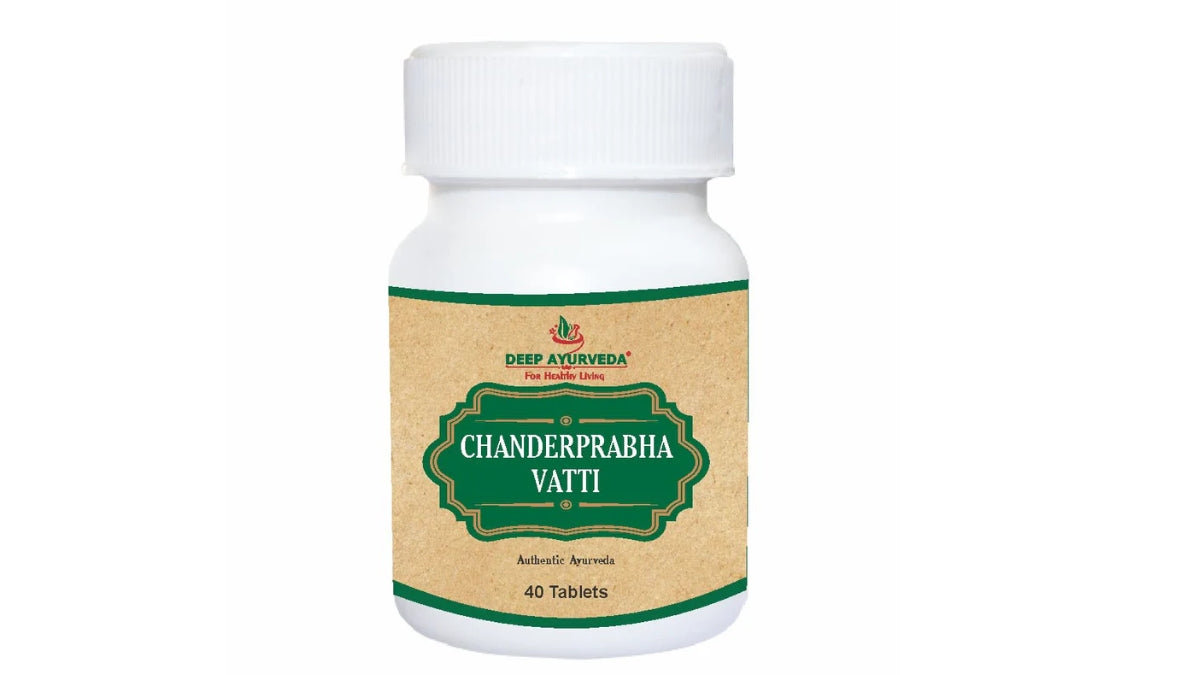
Chandraprabha Vati is a classical Ayurvedic formulation traditionally used to support urinary tract health, metabolic balance, reproductive wellness, and overall vitality. It contains a synergistic blend of herbs, minerals, and natural ingredients such as Shilajit, Guggulu, Guduchi, Haridra, and Triphala.
According to Ayurveda, Chandraprabha Vati helps maintain the balance of Vata and Kapha doshas while supporting the healthy functioning of Mutravaha Srotas (urinary channels), Medovaha Srotas (metabolic channels), and Shukravaha Srotas (reproductive channels). It should be used under the guidance of a qualified Ayurvedic practitioner to ensure appropriate dosage and suitability for individual health needs.
What Is Chandraprabha Vati?

Among the many classical Ayurvedic formulations described in traditional texts, Chandraprabha Vati holds a special place because of its broad-spectrum application across multiple body systems. Rather than focusing on a single organ, this formulation is traditionally used to support urinary function, metabolic health, reproductive wellness, and general vitality.
The name itself reflects its traditional significance. The word “Chandra” means moon, while “Prabha” refers to radiance or brightness. Classical Ayurvedic scholars believed that this formulation helps maintain balance and vitality in a manner that supports overall well-being, much like the soothing and nourishing qualities associated with moonlight.
Unlike modern formulations designed for isolated symptoms, Chandraprabha Vati follows the Ayurvedic principle of addressing underlying imbalances in doshas, dhatus, and srotas. This holistic approach is one of the reasons why it has remained relevant in Ayurvedic practice for centuries.
Chandraprabha Vati at a Glance
| Parameter | Details |
|---|---|
| Ayurvedic Category | Classical Ayurvedic Formulation |
| Primary Dosha Action | Vata-Kapha Balancing |
| Major Systems Supported | Urinary, Metabolic, Reproductive |
| Dosage Form | Tablets (Vati) |
| Traditional Ayurvedic Use | Support for Mutravaha, Medovaha, and Shukravaha Srotas |
| Key Ingredients | Shilajit, Guggulu, Guduchi, Haridra, Triphala, Musta, Daruharidra |
Historical Significance of Chandraprabha Vati in Ayurveda
Chandraprabha Vati is mentioned in classical Ayurvedic literature and has been used by Ayurvedic practitioners for generations. Traditional formulations often contain a carefully balanced combination of herbs and minerals designed to work together rather than individually.
This concept of synergy is central to Ayurveda. Instead of relying on a single herb, formulations such as Chandraprabha Vati combine multiple ingredients that complement one another, helping maintain harmony across different physiological systems.
Over centuries, Ayurvedic physicians have utilized this formulation in situations where urinary discomfort, metabolic imbalance, reduced vitality, and reproductive wellness concerns coexist. Its continued use in contemporary Ayurvedic practice reflects its traditional importance.
Ingredients of Chandraprabha Vati
One of the most remarkable aspects of Chandraprabha Vati is its complex composition. The formulation contains numerous ingredients that contribute to its diverse Ayurvedic actions.
Although ingredient combinations may vary slightly among manufacturers, the classical formulation commonly includes:
- Shilajit
- Guggulu
- Guduchi
- Haridra
- Daruharidra
- Triphala
- Musta
- Vacha
- Chitraka
- Pippali
- Maricha
- Shunthi
- Vidanga
- Ativisha
- Ela
- Tejpatra
- Twak (Cinnamon)
- Yavakshara
- Saindhava Lavana
Each ingredient contributes specific Ayurvedic properties that support the overall effectiveness of the formulation.
Key Ingredients and Their Ayurvedic Actions
1. Shilajit
Shilajit is considered one of the most valued Rasayana substances in Ayurveda and is traditionally used to support overall vitality, strength, and resilience. Classical Ayurvedic texts describe Shilajit as a Yogavahi, which means it may help carry the beneficial properties of other ingredients deeper into the body's tissues. Because of these qualities, it is included in several traditional formulations designed to support metabolic, urinary, and reproductive wellness.
Traditional Ayurvedic Role
-
Supports energy and stamina: Shilajit is traditionally used in Ayurveda to help maintain physical strength, endurance, and overall vitality.
-
Helps maintain metabolic balance: Ayurvedic practitioners often include Shilajit in formulations aimed at supporting healthy metabolic function and efficient nutrient utilization.
-
Traditionally used for urinary wellness: Classical Ayurvedic literature describes Shilajit as a supportive ingredient for maintaining the healthy functioning of the urinary system.
- Promotes overall vitality: As a Rasayana, Shilajit is traditionally valued for nourishing body tissues and supporting long-term wellness and rejuvenation.
2. Guggulu
Guggulu (Commiphora mukul) is a well-known Ayurvedic resin traditionally valued for its ability to support metabolic balance and promote the healthy functioning of the body's channels (Srotas). In Chandraprabha Vati, it works synergistically with other ingredients to support overall wellness and maintain dosha balance.
Traditional Ayurvedic Role of Guggulu
-
Supports healthy lipid metabolism: Ayurveda describes Guggulu as having Lekhana (scraping) properties, which may help maintain the healthy metabolism of fats and support metabolic balance.
-
Helps maintain Kapha balance: Due to its warming and penetrating qualities, Guggulu is traditionally used to reduce excess Kapha associated with heaviness, sluggishness, and metabolic stagnation.
-
Promotes healthy circulation: Ayurvedic texts classify Guggulu as a Srotoshodhaka herb, meaning it may help support the natural flow and functioning of the body's channels.
- Supports joint comfort and mobility: Guggulu has been traditionally used in Ayurvedic formulations intended to support joint flexibility and maintain comfortable movement, particularly in Vata-Kapha imbalances.
Guduchi
Often referred to as Amrita in Ayurveda, Guduchi is widely valued for its rejuvenating and balancing nature. Classical Ayurvedic texts describe it as a herb that supports overall harmony in the body and is traditionally used in a wide range of wellness formulations.
Traditional Ayurvedic Role
Guduchi is traditionally known to support the natural functioning of the immune system and help maintain the body’s defense mechanisms in a balanced state. It is also considered helpful in maintaining equilibrium among all three doshas—Vata, Pitta, and Kapha—according to Ayurvedic principles. In classical practice, it is often used to support healthy digestion and assist in maintaining normal digestive fire (Agni). Overall, Guduchi is regarded as a rejuvenative herb that supports general strength, vitality, and day-to-day wellness.
Haridra (Turmeric)
Haridra, commonly known as Turmeric, has been widely valued in Ayurveda for its long-standing role in supporting overall wellness and balance within the body. It is traditionally included in formulations due to its ability to support multiple physiological functions in a gentle and holistic manner.
Traditional Ayurvedic Role
Haridra is traditionally used to support healthy metabolic processes and maintain internal balance. It is also known for its role in supporting clear and healthy skin by helping the body manage internal imbalances. In Ayurveda, it is often included in formulations that aim to support normal digestive function and improve digestive comfort. Overall, Haridra is considered an important herb for maintaining harmony between different systems of the body and supporting general well-being.
Triphala
Triphala is a classical Ayurvedic combination made from three fruits and has been traditionally used to support overall digestive and metabolic balance.
Traditional Ayurvedic Role
Triphala is traditionally used to support healthy digestion by assisting the natural breakdown and assimilation of food. It gently supports the body’s natural detoxification processes, helping maintain internal balance without being harsh.
In Ayurveda, it is commonly used to promote regular and natural bowel movements as part of daily digestive wellness. It is also valued for its traditional role in supporting tissue nourishment and maintaining overall systemic health.
Musta (Cyperus rotundus)
In Ayurveda, Musta is widely valued for its supportive role in maintaining healthy digestion and fluid balance within the body. It is traditionally used when there is a need to harmonize digestive function along with internal metabolic fluids.
Traditional Ayurvedic Role
Musta is known to naturally support digestive fire (Agni), helping maintain smooth digestion and proper breakdown of food. This support is important in Ayurveda because balanced Agni is considered essential for overall health and proper nutrient absorption.
It is also traditionally used to help maintain healthy fluid metabolism in the body. From an Ayurvedic perspective, this balance is important when the body experiences heaviness or irregular fluid-related discomfort.
In traditional practice, Musta is commonly included in formulations for digestive comfort, especially in situations involving bloating, gas, or irregular digestion. It is valued as a gentle herb that supports digestive stability without causing harsh effects on the system.
How Chandraprabha Vati Works According to Ayurveda
Many articles focus only on the benefits of Chandraprabha Vati, but understanding its Ayurvedic mechanism provides deeper insight into why it is traditionally used for multiple health concerns.
Ayurveda views health through the interconnected functioning of doshas, dhatus, agni, and srotas. Chandraprabha Vati is believed to act primarily on specific bodily channels known as srotas.
Action on Mutravaha Srotas (Urinary Channels)
In Ayurveda, Mutravaha Srotas refer to the channels responsible for the formation, storage, and elimination of urine. These channels play an important role in maintaining urinary balance and proper fluid regulation within the body.
When there is an imbalance of Vata or Kapha dosha, the normal functioning of these channels may get disturbed. In such situations, a person may experience frequent urination, often with a constant feeling of incomplete bladder emptying. Some individuals may also notice a burning sensation or irritation while passing urine, which indicates increased sensitivity or imbalance in the urinary pathway. In other cases, urine flow may become slow, weak, or interrupted, causing discomfort and strain during elimination.
From an Ayurvedic perspective, Chandraprabha Vati is traditionally used to support the healthy functioning of Mutravaha Srotas. It is believed to help maintain balance within these urinary channels and promote smoother urinary flow by supporting the body’s natural regulatory mechanisms. Rather than acting as a quick symptomatic solution, it is used as part of a holistic approach aimed at restoring internal balance over time.
Action on Medovaha Srotas (Metabolic Channels)
In Ayurveda, Medovaha Srotas refers to the body’s functional system responsible for fat metabolism and overall metabolic balance. When this system is not functioning optimally, it may lead to a sense of imbalance in energy distribution and heaviness in the body.
From an Ayurvedic perspective, the following signs are commonly associated with Medovaha Srotas imbalance:
- Metabolism may feel slower than usual, often reflected as low energy or reduced activity levels during the day.
- A persistent feeling of heaviness in the body, especially after meals or prolonged sitting, may be experienced.
- Fatigue can appear more easily even after routine physical or mental work.
- Kapha-related imbalance may manifest as reduced motivation, sluggishness, or a general feeling of dullness.
In traditional Ayurvedic practice, the ingredients in Chandraprabha Vati are selected to support the natural balance of metabolic functions. Rather than targeting a single symptom, the formulation is understood as a holistic support to help maintain harmony within Medovaha Srotas and overall bodily balance.
Action on Medovaha Srotas (Metabolic Channels)
Medovaha Srotas are responsible for regulating fat metabolism and overall metabolic balance in Ayurveda. An imbalance in these channels may present as sluggish metabolic activity, where the body feels slower in processing energy and nutrients.
It may also be associated with a feeling of excessive heaviness in the body, especially after meals or during periods of low activity. Reduced energy levels can also be observed when Medovaha Srotas are not functioning optimally.
From a Kapha perspective, such imbalance is often linked with increased Kapha-related qualities like dullness, lethargy, and accumulation tendencies.
The ingredients in Chandraprabha Vati are traditionally selected to support balanced metabolic function and help maintain internal physiological harmony.
Action on Shukravaha Srotas (Reproductive Channels)
Ayurveda places great importance on reproductive health as a reflection of overall vitality.
Shukravaha Srotas are associated with reproductive tissues and reproductive wellness in both men and women.
Traditional Ayurvedic practitioners may consider Chandraprabha Vati as part of a broader wellness approach aimed at supporting reproductive balance and vitality.
Why Ayurvedic Practitioners Still Value Chandraprabha Vati Today
In my clinical understanding of Ayurvedic principles, Chandraprabha Vati remains relevant because it does not focus on a single symptom. Instead, it is traditionally used when urinary function, metabolic health, and vitality appear interconnected.
Rather than suppressing symptoms, Ayurveda aims to understand the root imbalance. The combination of Shilajit, Guggulu, Guduchi, Triphala, and other classical ingredients allows practitioners to incorporate this formulation into individualized wellness plans based on a person's constitution, dosha predominance, digestive strength, and overall health status.
Uses of Chandraprabha Vati
1. Urinary System Support
Traditionally used in conditions where urinary discomfort, irregular flow, or burning sensation is present.
2. Burning Urination & Discomfort
Helps support balance in cases of heat and irritation in urinary channels.
3. Bladder Function Support
Used to maintain healthy urinary bladder function and fluid regulation.
4. Metabolic Support
Supports healthy metabolism and helps manage Kapha-related heaviness.
5. General Weakness
Used in Ayurveda to support vitality and reduce fatigue associated with dosha imbalance.
6. Male Wellness Support
Supports urinary comfort and reproductive vitality.
7. Female Wellness Support
Supports urinary balance and general reproductive wellness.
Top Benefits of Chandraprabha Vati
1. Supports healthy urinary function
Chandraprabha Vati is traditionally used in Ayurveda to support the proper functioning of the urinary system (Mutravaha Srotas). It helps maintain urinary comfort and supports normal urinary flow by addressing underlying Vata-Kapha imbalance.
2. Helps maintain metabolic balance
This formulation contains ingredients like Guggulu and Shilajit that are traditionally known to support healthy metabolism. From an Ayurvedic perspective, it helps balance Kapha and Meda (fat-related tissues), promoting better metabolic harmony.
3. Promotes energy and vitality
Due to its Rasayana (rejuvenating) properties, Chandraprabha Vati is often used to support overall strength and vitality. It may help reduce feelings of fatigue associated with dosha imbalance and lifestyle-related weakness.
4. Supports reproductive wellness
In Ayurveda, this formulation is considered supportive for Shukravaha Srotas (reproductive system). It is traditionally used to help maintain reproductive strength and overall vitality in both men and women.
5. Helps manage body heaviness
Chandraprabha Vati is often used in conditions associated with Kapha imbalance, which may cause heaviness or sluggishness in the body. It helps support lightness and better internal balance when used appropriately.
6. Supports digestive strength
Certain ingredients in this formulation are traditionally believed to support digestive fire (Agni). A balanced Agni is essential in Ayurveda for proper digestion, nutrient absorption, and overall wellness.
7. Provides overall systemic balance
Rather than targeting a single system, Chandraprabha Vati works as a multi-system supportive formulation. It helps maintain balance across urinary, metabolic, and reproductive functions when used as part of a holistic Ayurvedic approach.
Chandraprabha Vati Benefits for Men
In Ayurvedic practice, Chandraprabha Vati is traditionally used as a supportive formulation for men’s overall urinary, metabolic, and reproductive wellness. Its use is always guided by an Ayurvedic practitioner based on individual constitution and imbalance.
Urinary Health:
It is traditionally used to support healthy urinary function, especially in cases where discomfort, irregular flow, or mild irritation is observed due to Vata-Kapha imbalance.
Vitality and Strength:
Ayurveda considers this formulation supportive for maintaining overall strength and stamina, particularly in individuals experiencing low energy or general weakness.
Reproductive Wellness:
It is used as part of a broader Ayurvedic approach to support reproductive system balance and vitality in men, depending on prakriti and dosha condition.
Fatigue Management (Supportive Use):
In cases of persistent tiredness linked with metabolic or dosha imbalance, it may be used as a supportive formulation to help restore energy levels over time.
Chandraprabha Vati Benefits for Women
In Ayurvedic practice, Chandraprabha Vati is sometimes recommended for women as a supportive formulation, especially when there are multiple imbalances related to urinary comfort, energy levels, and reproductive health. Its use is always based on individual constitution (Prakriti) and dosha assessment.
It may be considered in cases of urinary discomfort, where women experience symptoms such as mild burning sensation, irregular flow, or general urinary uneasiness. Ayurveda views this as a disturbance in Mutravaha Srotas, and the formulation is traditionally used to help maintain balance in these channels.
In situations of general weakness or low energy, it may be used as part of a broader Ayurvedic plan. This is particularly relevant when fatigue is associated with poor digestion, sedentary lifestyle, or Kapha imbalance.
From a reproductive health perspective, it is traditionally used in Ayurveda to support overall balance of the reproductive system. However, it is not a direct treatment for any specific gynecological condition and should only be used under professional supervision.
In cases of Kapha-related fluid imbalance, where there is a feeling of heaviness, water retention, or sluggishness, Ayurvedic practitioners may include this formulation as part of a holistic wellness approach along with diet and lifestyle correction.
How to Take Chandraprabha Vati
Chandraprabha Vati is usually taken with lukewarm water, as it supports better digestion and absorption of the formulation in the body.
In some Ayurvedic practices, it may also be taken with milk, depending on the individual’s body constitution and the specific health condition being addressed.
The timing of intake is not fixed for everyone and is generally decided based on digestive strength (Agni) and the balance of doshas in the body.
It is always recommended to take Chandraprabha Vati under the guidance of a qualified Ayurvedic practitioner to ensure safe and appropriate use.
Frequently Asked Questions
What is Chandraprabha Vati used for?
Chandraprabha Vati is a classical Ayurvedic formulation traditionally used to support urinary tract health, metabolic balance, and reproductive wellness. It is commonly used in conditions involving urinary discomfort, weak metabolism, fatigue, and Kapha-Vata imbalance. It works by supporting Mutravaha, Medovaha, and Shukravaha Srotas in Ayurveda.
Can Chandraprabha Vati be taken daily?
Yes, it may be taken daily under the supervision of an Ayurvedic practitioner. The dosage and duration depend on the individual’s body constitution (Prakriti), digestive strength (Agni), and health condition. Long-term use without guidance is not recommended.
Is Chandraprabha Vati good for urinary health?
Traditionally, Chandraprabha Vati is widely used in Ayurveda to support urinary system function. It is considered helpful in maintaining urinary flow balance and comfort in cases of mild urinary disturbances, especially those linked with Vata and Kapha imbalance.
Can women take Chandraprabha Vati?
Yes, women can take Chandraprabha Vati when recommended by a qualified Ayurvedic practitioner. It is traditionally used for urinary comfort, general vitality, and reproductive wellness support in women, depending on individual needs.
What are the side effects of Chandraprabha Vati?
Chandraprabha Vati is generally well tolerated when taken in appropriate dosage. However, in some sensitive individuals, it may cause mild digestive discomfort. Improper or excessive use without guidance may lead to imbalance. It should be avoided during pregnancy and severe medical conditions unless prescribed.
How long does Chandraprabha Vati take to show results?
In Ayurveda, results depend on the individual’s condition, lifestyle, and dosha imbalance. Some people may notice improvement in a few weeks, while chronic conditions may require longer supportive use under supervision.
Should Chandraprabha Vati be taken before or after food?
This depends on the condition being treated. In many traditional practices, it is taken after food with lukewarm water or as directed by the practitioner for better absorption and digestive tolerance.
Can Chandraprabha Vati be taken with other medicines?
It may be taken with other Ayurvedic or allopathic medicines, but only under professional supervision to avoid interactions or overloading of similar therapeutic actions.