

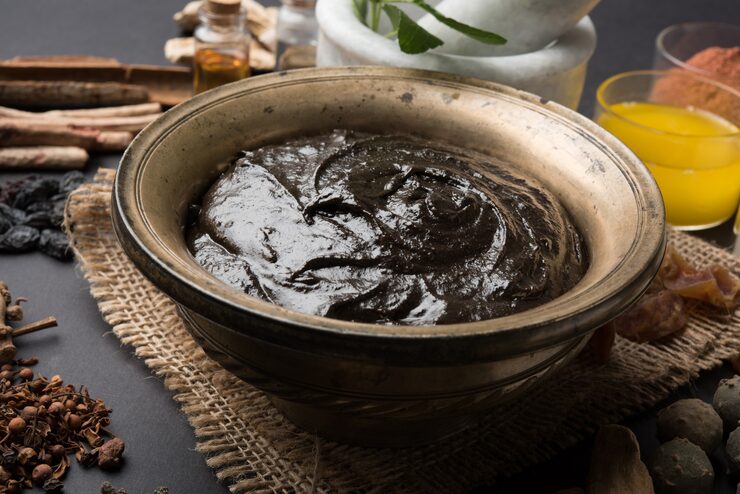
Chyawanprash is a traditional Ayurvedic herbal preparation commonly consumed in India as part of a daily wellness routine. It is made using amla (Indian gooseberry), herbs, spices and other ingredients, with sugar or honey present in many formulations.
Although Chyawanprash has a long history of traditional use, it may not be suitable for everyone. Some people may experience digestive discomfort, while others need to pay particular attention to sugar content, allergies, existing medical conditions or the ingredients in a specific product.
The possible side effects of Chyawanprash depend on its formulation, serving size and the individual taking it. People with diabetes, known ingredient allergies, certain medical conditions, or those who are pregnant or breastfeeding should seek appropriate professional advice before using it.
In this guide, we explain the possible side effects of Chyawanprash, who should be careful, what scientific evidence can tell us, and how to make a more informed decision about its use.
What Are the Possible Side Effects of Chyawanprash?
Chyawanprash contains multiple ingredients, and formulations can differ between manufacturers. Not everyone experiences side effects, and the available evidence does not establish that every reported symptom is directly caused by Chyawanprash.
However, there are several important concerns to understand before making it part of your daily routine.
1. Indigestion, Bloating and Stomach Discomfort
Some people may experience digestive discomfort after consuming Chyawanprash. This can include a feeling of fullness, bloating or an upset stomach.
Possible contributing factors include the amount consumed, individual tolerance and the ingredients used in the formulation.
If you notice discomfort after taking Chyawanprash, stop using it temporarily and observe whether the symptoms improve. Do not assume that persistent abdominal pain is a normal reaction to an Ayurvedic product.
If symptoms continue, become severe or repeatedly return, consult a healthcare professional.
2. Acidity, Nausea or Loose Stools
Acidity, nausea and loose stools are sometimes reported in discussions of Chyawanprash intolerance, but the frequency and direct causal relationship are not well established across formulations.
People may respond differently to concentrated herbal preparations, sweeteners and other ingredients.
If you experience these symptoms after taking Chyawanprash:
- Stop taking the product for now.
- Drink fluids if you have mild loose stools and can tolerate them.
- Check the product label for its ingredients and recommended serving.
- Seek medical advice if symptoms persist, worsen or are accompanied by severe pain, fever, blood in the stool or signs of dehydration.
Persistent symptoms should not automatically be attributed to Chyawanprash, as infections, medicines and other conditions can cause similar problems.
3. Allergic Reactions to Ingredients
Chyawanprash formulations may contain numerous herbs, spices and other ingredients. Anyone with a known allergy should check the complete ingredient list before using a product.
Possible signs of an allergic reaction include:
- Itching or a skin rash.
- Hives or raised, itchy patches.
- Swelling of the lips or face.
- Wheezing or difficulty breathing.
If you develop a suspected allergic reaction, stop taking the product and seek appropriate medical advice. Swelling of the tongue or throat, difficulty breathing, or fainting requires emergency medical care.
Do not try another formulation containing the suspected ingredient without professional guidance.
4. Blood Sugar Concerns in People With Diabetes
Sugar content is one of the most important factors to consider when choosing Chyawanprash, especially for people with diabetes or those monitoring their blood glucose levels.
Many commercially available Chyawanprash formulations contain added sugar or other carbohydrate-containing ingredients. Regular consumption may contribute to your overall carbohydrate intake, so it is important to check the nutrition label before choosing a product.
Before buying Chyawanprash, consider the following:
- Check the total carbohydrates and sugars per serving.
- Read the full ingredient list rather than relying only on front-label claims.
- Follow the recommended serving size on the product label.
- Consult your healthcare professional if you have diabetes or need to manage your blood glucose levels carefully.
If you are exploring alternatives with less or no added sugar, our Sugar-Free Chyawanprash Buying Guide can help you understand what to look for when comparing products, including ingredient information and nutritional labels.
Remember that sugar-free does not automatically mean carbohydrate-free or suitable for everyone with diabetes. Always check the product's nutritional information and seek professional advice when needed.
5. Weight Gain From Additional Calories
Chyawanprash does not automatically cause weight gain. However, products containing added sugar contribute calories, and regularly consuming more calories than your body needs can contribute to weight gain over time.
The relevant factors include the amount consumed, the product's calorie content and your overall diet.
If you are monitoring your weight or following a calorie-controlled eating plan, check the nutrition information and include the serving in your daily intake. Avoid assuming that a product is calorie-free simply because it is herbal or Ayurvedic.
Who Should Be Careful Before Taking Chyawanprash?
Although many healthy adults may tolerate a particular formulation, some people need additional precautions. The following groups should review the ingredients and seek professional guidance when appropriate.
1. People With Diabetes or High Blood Sugar
People with diabetes should pay particular attention to the sugar and carbohydrate content of Chyawanprash.
Some formulations contain substantial added sugar, which may make them unsuitable for an individual's dietary plan. Choosing a product based only on its Ayurvedic ingredients or marketing claims is not enough.
What should you do?
Read the nutrition label, check the total carbohydrate content per serving and discuss the product with your healthcare professional if you are unsure whether it is appropriate for your blood glucose management.
2. Pregnant or Breastfeeding Women
Pregnancy and breastfeeding require additional care when considering multi-ingredient herbal preparations.
Chyawanprash formulations can contain numerous herbs and other ingredients, and reliable safety evidence for every formulation during pregnancy and breastfeeding is limited. Traditional use alone cannot establish safety for every person or pregnancy.
Before using Chyawanprash during pregnancy or breastfeeding, consult your obstetrician or another qualified healthcare professional who can assess the specific product and your circumstances.
Do not start a herbal preparation solely on the basis of an online recommendation.
3. People With Known Allergies
If you have allergies to herbs, spices or other ingredients, review the complete label before using Chyawanprash.
Different products may use different ingredients, so tolerating one formulation does not guarantee that another will be suitable.
If the label does not clearly identify the ingredients, contact the manufacturer or choose a product with more complete information. People with a history of severe allergic reactions should obtain professional advice before trying unfamiliar multi-ingredient products.
4. People Taking Prescription Medicines
People who take regular medicines should check with a doctor or pharmacist before adding a multi-ingredient herbal product to their routine.
The safety of combining Chyawanprash with a particular medicine cannot be assumed without examining the formulation, the medicine and the person's health.
This is especially important for people taking medicines that require close monitoring or who have complex treatment plans.
There is not enough reliable evidence to claim that every Chyawanprash formulation interacts with a specific class of medicine. The sensible approach is to review the actual ingredients rather than assume that all herbal products are either harmless or dangerous.
Never stop or change a prescribed medicine to accommodate a supplement without advice from your healthcare professional.
5. People With Chronic Medical Conditions
People with chronic illnesses or special dietary requirements may need individualized advice before using Chyawanprash.
For example, someone managing a condition that requires careful control of sugar intake should examine the product's nutritional composition. Someone with several ongoing treatments should review the ingredients with a healthcare professional.
The appropriate precautions depend on the condition and the particular formulation. Having a medical condition does not automatically mean every Chyawanprash product is unsuitable, but it does make an individualized assessment more important.
6. Parents Considering Chyawanprash for Children
Parents should not assume that a product suitable for an adult is automatically appropriate for a child.
Age recommendations and serving instructions can differ between products. Children may also have allergies, medical conditions or dietary requirements that affect suitability.
Before giving Chyawanprash to a young child, check the manufacturer's age guidance and consult a pediatrician if the child has a medical condition, takes medication or has a history of allergies.
Do not apply adult serving instructions to children or use Chyawanprash as a substitute for recommended childhood nutrition, vaccination or medical care.
Can Taking Too Much Chyawanprash Cause Problems?
Taking more Chyawanprash than the product label recommends is not a reliable way to obtain greater benefits.
A larger serving may increase your intake of sugar, calories and individual ingredients. It may also increase the likelihood of intolerance in someone who is sensitive to the formulation.
There is no single serving size that can be recommended for every Chyawanprash product and every person. Ingredients, concentrations, age recommendations and manufacturer instructions vary.
To reduce unnecessary risks:
- Follow the serving instructions for the specific product.
- Do not increase the amount simply because you expect faster results.
- Avoid combining several herbal preparations without checking their ingredients.
- Ask a qualified healthcare professional for individualized advice when you have a medical condition or take regular medication.
If you accidentally consume a large amount and develop concerning symptoms, contact a healthcare professional or local poison information service for advice.
Is It Safe to Take Chyawanprash Every Day for a Long Time?
Chyawanprash is traditionally used as part of daily Ayurvedic wellness routines, but traditional use is not the same as strong clinical evidence establishing long-term safety for every formulation and population.
Research has examined different aspects of Chyawanprash, but the evidence varies in quality and scope. Findings from one product or study should not automatically be applied to every commercially available formulation.
Before making it a long-term habit, consider:
-
Your health needs: A product that fits one person's routine may not suit someone with diabetes, allergies or other medical concerns.
-
The formulation: Ingredients, sugar content and serving instructions can differ between brands.
-
Your tolerance: Repeated digestive symptoms or other unwanted reactions deserve attention.
- The available evidence: Limited reports of harm do not prove that every formulation is safe for indefinite use.
If you intend to use Chyawanprash regularly while managing a health condition, ask a qualified healthcare professional to review the specific product.
What Should You Do If You Experience Side Effects?
If you notice symptoms after taking Chyawanprash, the next step depends on their severity.
For mild symptoms: Stop taking the product for now, review the ingredient list and monitor how you feel. If the symptoms persist or recur, seek medical advice.
For a suspected allergy: Stop using the product and contact a healthcare professional. Do not deliberately take another serving to test whether the reaction happens again.
For severe symptoms: Seek emergency care if you experience difficulty breathing, swelling of the tongue or throat, fainting or other signs of a severe allergic reaction.
When seeking medical advice, keep the packaging or a photograph of the label available. Information about the ingredients, serving size, amount consumed and timing of symptoms can help a healthcare professional assess the situation.
Remember that symptoms occurring after taking a product do not always prove that the product caused them. A healthcare professional can help evaluate other possible explanations.
How to Reduce the Risk of Side Effects
You can make a more informed decision about Chyawanprash by following a few practical precautions.
Read the Complete Ingredient List
Do not rely solely on the product name or front-label claims. Check the ingredients for anything you know you are allergic to or need to avoid.
Check Sugar and Nutrition Information
Look at the sugar, total carbohydrate and calorie information per serving, particularly if you have diabetes or are monitoring your weight.
Follow the Product's Serving Instructions
Avoid taking more than recommended or assuming that all products have identical concentrations and serving sizes.
Review Medicines and Existing Health Conditions
If you take prescription medicines, have a chronic medical condition, or are pregnant or breastfeeding, seek appropriate professional advice before use.
Choose Products With Clear Labelling
Prefer products that provide clear ingredient information, manufacturer details, batch information, expiry dates and appropriate quality documentation. These details help you assess the product, although they do not independently prove clinical effectiveness or guarantee safety.
Stop if You Develop Concerning Symptoms
Do not ignore a recurring reaction because the product is traditional or marketed as natural. Stop taking the suspected product and seek medical advice when appropriate.
What Does Scientific Research Say About Chyawanprash Safety?
Scientific research on Chyawanprash includes laboratory investigations, reviews and clinical studies. However, the quantity and quality of evidence differ across the health outcomes and formulations studied.
A scientific review published in Biomolecules in 2019 describes Chyawanprash as a complex traditional formulation and discusses its ingredients, proposed effects and the need for further research.
This type of research can help explain why Chyawanprash attracts scientific interest, but it does not establish that every marketed formulation is equally effective or safe for everyone.
When interpreting claims about its safety, it is important to distinguish between three things:
Traditional use: A practice may have a long history, but that history alone cannot establish safety under every modern clinical circumstance.
Evidence from specific studies: Findings apply to the formulation, population, dosage and outcome actually investigated. They should not automatically be generalized to all products.
Unanswered questions: The safety of particular formulations during pregnancy, breastfeeding, long-term use and certain medical treatments may not be adequately established.
For readers, the practical conclusion is straightforward: evaluate the actual product, take individual health needs seriously and seek professional advice when the risks are uncertain.
Final Thoughts
Chyawanprash is a traditional Ayurvedic preparation, but it should not be treated as automatically suitable for everyone simply because it contains herbs.
The main precautions involve understanding the ingredients, checking sugar and carbohydrate content, following the product's serving instructions and considering individual health needs. People with diabetes, known allergies, chronic medical conditions, or those who are pregnant or breastfeeding should seek appropriate professional advice when considering its use.
If you experience a suspected side effect, do not ignore it or assume that it is harmless. Stop taking the suspected product, assess the symptoms and seek medical care when needed.
The most responsible approach is to make decisions based on the actual formulation, reliable evidence and your individual health needs—not on broad claims that every Ayurvedic product is either completely safe or inherently harmful.
Frequently Asked Questions
1. What are the most common side effects of Chyawanprash?
Possible concerns include digestive discomfort, bloating or intolerance to individual ingredients. Allergic reactions are also possible. However, reliable evidence establishing the frequency of each side effect across all formulations is limited.
2. Can Chyawanprash cause acidity or loose motions?
Some people may experience digestive symptoms after taking a particular formulation, but these symptoms are not inevitable and may have other causes. Stop taking the suspected product if symptoms develop, and seek medical advice if they persist or become severe.
3. Who should avoid Chyawanprash?
People with a known allergy to its ingredients should avoid products containing those ingredients. People with diabetes, those taking regular medicines, pregnant or breastfeeding women, and people with certain medical conditions should seek individualized advice before use when safety is uncertain.
4. Can people with diabetes take Chyawanprash?
Suitability depends partly on the product's sugar and total carbohydrate content and the individual's diabetes management plan. Many formulations contain added sugar. People with diabetes should check the nutrition label and consult their healthcare professional before choosing a product.
5. Is it safe to take Chyawanprash every day?
Daily use is traditional, but long-term safety cannot be assumed for every product or individual. Follow the specific product instructions and seek professional guidance if you have a medical condition or experience unwanted symptoms.
6. Is Chyawanprash safe during pregnancy?
Reliable safety evidence is limited for many multi-ingredient herbal preparations during pregnancy. Consult your obstetrician or another qualified healthcare professional before using Chyawanprash during pregnancy.
7. Can Chyawanprash cause weight gain?
Chyawanprash does not automatically cause weight gain. However, formulations containing added sugar contribute calories, and regular excess calorie intake can contribute to weight gain over time.
8. Can children experience side effects from Chyawanprash?
Children may experience intolerance or allergic reactions, just as adults can. Age guidance, ingredients and serving instructions differ between products. Parents should check the label and consult a pediatrician when appropriate.
Medical and editorial note
This article is for general educational purposes and is not a substitute for personalized medical advice, diagnosis or treatment. Before publication, the content and its medical references should be reviewed by an appropriately qualified healthcare professional.
Suggested references for the published article
1. Chyawanprash: A Traditional Indian Bioactive Health Supplement — PubMed Central scientific review