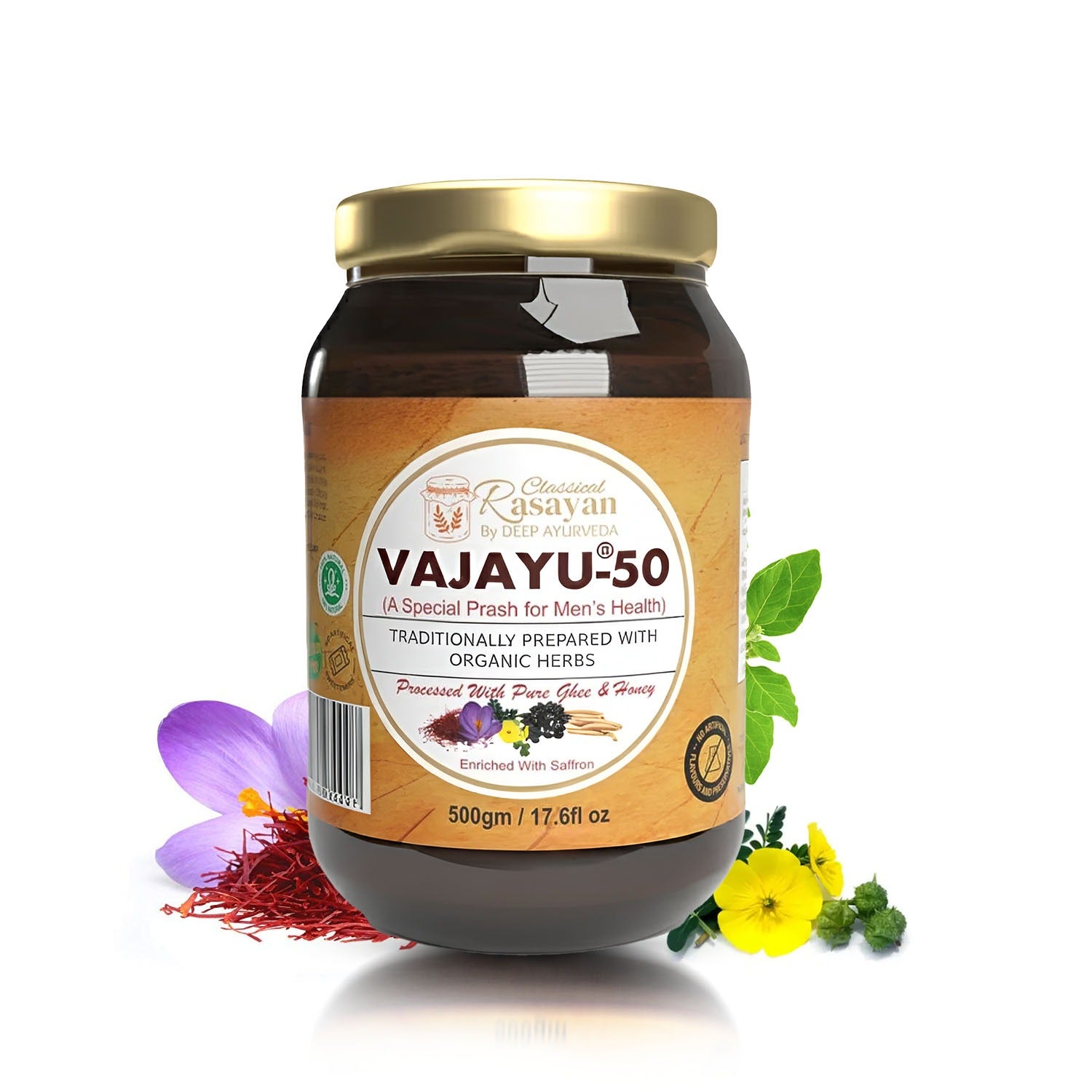


Vajayu® – Desi Sex Power Medicine for Male
✅ 100% Natural | Lab-Tested ✅ Helps increase sex power ✅ Supports better performance and confidence ✅ Made with natural Ayurvedic herbs like Shilajit & Ashwagandha
Male sexual health issues such as erectile dysfunction, premature ejaculation, and low libido are becoming increasingly common especially in today’s fast-paced, stress-driven lifestyle. Despite this, many men hesitate to seek proper guidance and instead rely on quick-fix solutions or misleading online advice.
In clinical practice at Deep Ayurveda, we frequently see patients who have already tried over-the-counter performance boosters without understanding the root cause of their condition. Ayurveda approaches male sexual problems not just as isolated symptoms, but as a reflection of overall physical, मानसिक (mental), and metabolic health.
This article provides a comprehensive, evidence-informed Ayurvedic perspective on male sex problems, their causes, symptoms, and safe natural treatment options.
Common Male Sexual Problems

Male sexual problems can vary from mild, occasional concerns to more persistent conditions that affect confidence and overall well-being. Understanding these common issues is the first step toward identifying their root cause and choosing the right approach for treatment.
1. Erectile Dysfunction (ED)
Erectile dysfunction refers to the inability to achieve or maintain an erection firm enough for satisfactory sexual activity. It may happen occasionally due to stress or fatigue, but if it becomes frequent, it can affect confidence and relationships. In many cases, it is linked with lifestyle factors, circulation issues, or mental stress.
2. Premature Ejaculation (PE)
Premature ejaculation is when ejaculation happens sooner than a person or their partner would like, often within a short duration of sexual activity. It can lead to frustration, performance anxiety, and reduced satisfaction. This condition is commonly associated with stress, sensitivity, or lack of control.
3. Low Libido
Low libido means a reduced interest in sexual activity or a noticeable drop in sexual desire over time. It can be influenced by stress, hormonal imbalance, fatigue, or relationship issues. In clinical practice, it is often seen alongside mental exhaustion and poor lifestyle habits.
4. Nightfall (Nocturnal Emission)
Nightfall, also known as nocturnal emission, is the involuntary release of semen during sleep. Occasional episodes are considered normal, especially in younger individuals. However, if it occurs too frequently and is accompanied by weakness or anxiety, it may need proper evaluation.
Symptoms You Should Not Ignore
1. Inconsistent or weak erections
If you notice that your erections are not as firm as before or difficult to maintain, it may not be just a temporary issue. When this starts happening repeatedly, it often संकेत an underlying physical or psychological imbalance that needs attention.
2. Reduced sexual stamina
A noticeable drop in stamina during intercourse can affect both confidence and satisfaction. In clinical practice, this is often linked with low energy levels, stress, or poor lifestyle habits rather than just aging.
3. Early ejaculation
Finishing sooner than expected occasionally is normal, but if it becomes frequent, it can lead to frustration. This condition is commonly associated with mental stress, performance anxiety, or nervous system imbalance.
4. Loss of sexual interest
A gradual decline in sexual desire should not be ignored, especially if it persists over time. It may reflect deeper issues such as hormonal imbalance, chronic fatigue, or emotional stress.
5. Persistent fatigue and low energy
Feeling tired most of the time, even after rest, can directly impact sexual performance. In Ayurveda, this is often linked with weak digestion and low vitality (Ojas).
6. Decreased confidence or performance anxiety
Sexual health is closely connected to mental well-being. Repeated negative experiences can lower confidence and create anxiety, which further worsens the condition if not addressed properly.
If these symptoms continue for several weeks or months, it is advisable to seek proper guidance rather than relying on temporary solutions. Early attention can prevent the condition from becoming more complex.
Causes of Male Sexual Problems
Understanding the root cause is essential before starting any treatment. In clinical practice, male sexual problems are rarely caused by a single factor. Instead, they usually develop due to a combination of lifestyle, मानसिक health, and internal imbalances.
Modern Medical Causes
1. Chronic stress and anxiety
Ongoing stress directly affects the nervous system and hormone balance. Over time, it can reduce sexual desire and interfere with normal performance, especially in younger men.
2. Sedentary lifestyle
Lack of physical activity slows down blood circulation and metabolism. This can gradually impact stamina, energy levels, and overall sexual health.
3. Diabetes and obesity
Conditions like diabetes and excess weight can damage blood vessels and nerves. This often leads to reduced blood flow, which is essential for proper erectile function.
4. Hormonal imbalances
Testosterone plays a key role in male sexual health. When hormone levels are not balanced, it can result in low libido, fatigue, and reduced performance.
5. Smoking and alcohol consumption
Long-term use of tobacco and alcohol affects circulation and nerve function. This not only lowers stamina but can also worsen existing sexual health issues.
Ayurvedic Causes
1. Shukra Dhatu Kshaya (depletion of reproductive tissue)
In Ayurveda, sexual strength depends on the quality of Shukra Dhatu. When the body is not properly nourished, this tissue becomes weak, leading to reduced vitality and performance.
2. Vata Dosha imbalance
Vata controls the nervous system and movement in the body. When it becomes aggravated—often due to stress or irregular lifestyle it can cause issues like premature ejaculation and performance instability.
3. Mandagni (weak digestive fire)
Digestion plays a central role in overall health. If Agni is weak, nutrients are not properly absorbed, which eventually affects all tissues, including those responsible for reproductive strength.
In our day-to-day practice, we often observe that poor digestion and chronic stress are at the root of many sexual health concerns. Once these are addressed, the body naturally starts responding better even without aggressive interventions.
Ayurvedic Understanding of Male Sexual Health
According to Ayurveda, sexual vitality is not just about physical performance—it reflects the overall health of the body, mind, and metabolism. Three key elements play a major role in maintaining male sexual health:
Shukra Dhatu (Reproductive Tissue)
Shukra Dhatu is considered the final and most refined tissue in the body, responsible for reproduction, stamina, and vitality. When this tissue is well-nourished, it supports healthy sexual function, energy levels, and confidence. However, factors like chronic stress, poor diet, or excessive indulgence can weaken Shukra Dhatu over time.
Ojas (Vital Energy and Immunity)
Ojas is the subtle essence of all body tissues and is closely linked to immunity, strength, and mental stability. A person with good Ojas typically experiences better endurance, emotional balance, and sexual vitality. When Ojas is depleted—due to stress, lack of sleep, or illness—it can lead to fatigue, low libido, and reduced overall performance.
Agni (Digestive Fire)
Agni refers to the body’s digestive and metabolic capacity, which plays a crucial role in converting food into nourishment. If digestion is weak, the body cannot properly form healthy tissues, including Shukra Dhatu. Over time, this leads to reduced energy, poor stamina, and a decline in sexual health.
In clinical practice, it is often observed that when digestion improves and stress is managed, the body naturally begins to restore balance. As a result, the nourishment of Shukra Dhatu improves, leading to better vitality and sexual well-being.
Ayurvedic Treatment for Male Sex Problems
Ayurveda focuses on identifying and correcting the root cause of sexual dysfunction rather than simply managing symptoms. In most cases, treatment is a combination of herbal support, lifestyle correction, and detoxification therapies depending on the patient’s condition and severity.
1. Herbal Support
Herbal medicines in Ayurveda are used to restore balance, improve vitality, and support reproductive health in a gradual and natural way.
Ashwagandha is commonly recommended in cases where stress, anxiety, or mental fatigue is affecting sexual performance. It helps calm the nervous system and gradually improves stamina and overall hormonal balance.
Shilajit is traditionally used as a rejuvenator that supports energy production and physical strength. In clinical practice, it is often advised for patients experiencing low vitality or fatigue-related sexual weakness.
Safed Musli is considered a strengthening herb in Ayurveda and is used to support physical endurance and reproductive health. It is generally prescribed in cases of weakness or reduced performance over time.
Kaunch Beej is used to nourish the Shukra Dhatu (reproductive tissue) and support healthy reproductive function. It is often included in formulations aimed at improving sexual vitality naturally.
In Ayurvedic practice, herbal treatment is always customized based on body constitution (Prakriti) and imbalance type. Self-medication should be strictly avoided.
2. Panchakarma
In cases where sexual problems are chronic or linked to deeper metabolic imbalance, Panchakarma therapies may be recommended to cleanse and reset the body system.
Basti therapy (medicated enema) is primarily used to balance Vata dosha, which is often associated with anxiety, weakness, and nervous system-related sexual dysfunction.
Virechana therapy is a controlled detoxification process that helps eliminate excess toxins from the body and improves overall metabolic and hormonal balance.
These procedures are therapeutic in nature and must only be performed under the supervision of a qualified Ayurvedic physician after proper assessment.
3. Diet & Lifestyle
Diet and lifestyle form the foundation of Ayurvedic treatment, and in many cases, they alone can significantly improve sexual health when followed consistently.
Foods like milk, ghee, and soaked almonds are often recommended as they help nourish tissues and support strength when taken regularly in a balanced diet.
Natural foods such as dates, figs, and seasonal fruits are encouraged because they help improve energy levels and support overall vitality without overloading the digestive system.
At the same time, processed foods, excessive alcohol consumption, smoking, and irregular eating habits are discouraged as they weaken digestion and gradually affect reproductive health.
Maintaining a regular sleep cycle of 7–8 hours, staying physically active, and managing stress through daily routine correction are essential parts of recovery.
4. Yoga & Stress Management Support
Yoga is often recommended as a supportive practice alongside Ayurvedic treatment, especially in stress-related sexual dysfunction.
Exercises like Kegel movements help strengthen pelvic muscles and improve control during sexual activity when practiced consistently over time.
Ashwini Mudra is used in Ayurveda to improve neuromuscular control and support reproductive organ health.
Pranayama techniques help regulate breathing and reduce stress levels, which indirectly improves hormonal balance and sexual performance.
What Ayurveda Can and Cannot Do
What Ayurveda Can Help With
Ayurveda can effectively support the body’s natural ability to restore balance, especially in cases where sexual problems are linked to stress, weak digestion, or lifestyle imbalance. In clinical practice, we often observe gradual improvement in stamina and energy levels when treatment is followed consistently along with proper diet and routine.
It also helps in improving both physical vitality and mental well-being. Since Ayurveda works on the connection between mind and body, patients often report better stress control, improved confidence, and more stable hormonal balance over time.
With long-term and personalized care, Ayurveda may also support reproductive health by strengthening the deeper body tissues (Dhatus), particularly when the root cause is functional rather than structural.
What Ayurveda Cannot Do
It is important to understand that Ayurveda does not offer instant or overnight results. The healing process is gradual because it focuses on correcting internal imbalances rather than suppressing symptoms quickly.
In cases where there is a serious underlying medical condition—such as advanced hormonal disorders, neurological issues, or severe vascular disease—Ayurveda alone may not be sufficient. In such situations, integrated care with modern medicine is necessary.
Ayurveda should also not be seen as a shortcut or replacement for proper diagnosis. Without identifying the actual cause of the problem, even herbal treatment may not give the desired outcome.
Myths vs Facts in Male Sexual Health
Myth: Nightfall is a disease
Many people believe that nightfall is a serious medical disorder that always indicates weakness or damage in the body. However, from an Ayurvedic and clinical perspective, occasional nocturnal emission is a natural physiological process, especially in younger individuals. It becomes a concern only when it is frequent and associated with weakness, anxiety, or fatigue.
Myth: Shilajit provides instant results
A common misconception is that Shilajit works like an instant performance enhancer. In reality, Shilajit is a rasayana (rejuvenative substance) that works gradually by improving energy metabolism, strength, and tissue nourishment over time. Its benefits are best observed when combined with a balanced diet, proper sleep, and stress management.
Myth: Only medicines can fix sexual problems
Many patients assume that male sexual problems can only be corrected through medication or supplements. In Ayurveda, however, treatment is always holistic. Factors such as mental stress, digestive strength, lifestyle habits, and emotional health play an equally important role in restoring sexual balance. Without correcting these root causes, medicines alone may provide only temporary improvement.
When to Consult a Doctor
If erectile dysfunction continues for a long period without improvement, it may indicate an underlying physical or psychological imbalance that requires proper evaluation. In such cases, self-treatment or delay can often make the condition more complicated.
Pain or discomfort during sexual activity is not considered normal and should never be ignored. It may be associated with inflammation, infection, or other reproductive health concerns that need clinical assessment.
Men who are facing difficulty in conceiving should also consider a proper medical and Ayurvedic evaluation, as fertility issues can be linked to hormonal, lifestyle, or Shukra Dhatu imbalances.
If symptoms such as weak erection, low libido, or premature ejaculation persist for more than 3–6 months, it is advisable to consult a qualified practitioner for a detailed diagnosis and personalized treatment plan.
Safety & Precautions
Self-medication for sexual health problems can be risky, especially when using random supplements or online medicines. Without proper diagnosis, the root cause often remains untreated, and symptoms may temporarily worsen.
There are many unverified “male enhancement” products available in the market that claim quick results. However, such products may contain undisclosed ingredients or unsafe stimulants that can affect heart health, hormones, and long-term sexual function.
For safe and effective treatment, it is always recommended to consult a qualified Ayurvedic or medical practitioner. A proper clinical evaluation ensures that treatment is based on the individual’s body constitution and actual root cause rather than general assumptions.
Conclusion
Male sexual problems are common but often misunderstood. Rather than relying on temporary solutions, Ayurveda offers a holistic path that focuses on restoring balance in the body and mind. With the right guidance, personalized treatment, and disciplined lifestyle, it is possible to achieve sustainable improvement in sexual health naturally and safely.
Frequently Asked Questions
1. What is the Ayurvedic treatment for male sex problems?
Ayurveda treats male sex problems by identifying the root cause such as stress, weak digestion, or dosha imbalance. Treatment usually includes herbal medicines, lifestyle correction, and sometimes detox therapies like Panchakarma. The goal is to restore natural strength rather than giving temporary results.
2. Can Ayurveda permanently cure erectile dysfunction and other male sexual problems?
Ayurveda focuses on long-term improvement by strengthening the reproductive system and balancing the body. In many cases, symptoms improve significantly with consistent treatment and lifestyle changes. However, results depend on the severity of the condition and overall health of the individual.
3. Which Ayurvedic herbs are best for male sexual health?
Some commonly used herbs in Ayurveda for male sexual wellness include Ashwagandha, Shilajit, Safed Musli, and Kaunch Beej. These herbs help support stamina, reduce stress, and improve overall vitality when used under proper guidance.
4. How long does Ayurvedic treatment take for male sexual problems?
The duration of treatment varies from person to person. Mild cases may show improvement within a few weeks, while chronic conditions may require several months of consistent therapy along with lifestyle changes and dietary regulation.
5. Is Ayurvedic medicine safe for treating sexual weakness in men?
Yes, Ayurvedic medicines are generally safe when prescribed by a qualified practitioner. However, self-medication or use of unverified products should be avoided, as incorrect usage may lead to unwanted side effects or delay in proper recovery.
6. What are the main causes of male sexual problems according to Ayurveda?
According to Ayurveda, male sexual problems are mainly caused by imbalance in Vata dosha, weak digestion (Agni), and depletion of Shukra Dhatu. Mental stress, unhealthy diet, and poor lifestyle habits also play a major role.
7. Can lifestyle changes help improve male sexual health naturally?
Yes, lifestyle plays a very important role in sexual health. Proper sleep, stress management, regular exercise, and a balanced diet can significantly improve stamina and overall reproductive function when combined with Ayurvedic treatment.
8. When should I see a doctor for male sexual problems?
If symptoms such as weak erection, low libido, or premature ejaculation persist for more than a few months or start affecting confidence and relationships, it is important to consult a qualified Ayurvedic or medical practitioner for proper diagnosis and treatment.
Disclaimer
This article is written from the perspective of an Ayurvedic practitioner with clinical experience in managing male sexual health conditions at Deep Ayurveda, focusing on safe, individualized, and root-cause–based treatment approaches.