समाचार
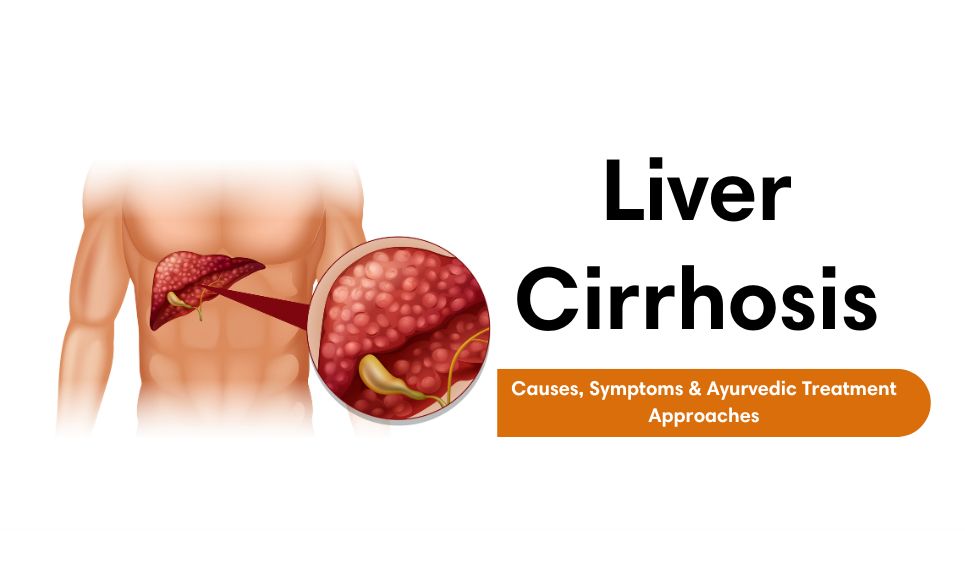
Liver Cirrhosis: Causes, Symptoms & Ayurvedic Treatment Approaches
Liver cirrhosis is a chronic liver condition marked by irreversible scarring of liver tissue, which affects its vital functions. Whether caused by alcohol, viral infections, or metabolic disorders, cirrhosis of the liver can lead to life-threatening complications if not addressed early. While modern medicine offers several liver cirrhosis treatment options, Ayurveda—India’s ancient healing system—also provides holistic approaches to manage liver health and improve quality of life. What Is Liver Cirrhosis? Liver cirrhosis occurs when long-term damage to the liver leads to fibrosis (scarring), reducing blood flow and impairing liver function. The liver becomes unable to filter toxins, process nutrients, or produce proteins essential for blood clotting and digestion. This condition is progressive and, in many cases, irreversible. However, early detection and a combination of conventional and Ayurvedic therapies can help manage the symptoms and slow down disease progression. Causes of Cirrhosis of the Liver The most common causes of liver cirrhosis include: Chronic alcohol abuse Hepatitis B and C infections Non-Alcoholic Fatty Liver Disease (NAFLD) Autoimmune hepatitis Genetic liver diseases like Wilson's disease or hemochromatosis Environmental toxins, prolonged use of certain medications, and unhealthy diet and lifestyle habits may also contribute to liver damage. Symptoms of Liver Cirrhosis In its early stages, cirrhosis of the liver may show no signs. As the disease advances, symptoms may include: Fatigue and weakness Yellowing of the skin and eyes (jaundice) Abdominal swelling (ascites) Itchy skin and easy bruising Nausea or loss of appetite Confusion or difficulty thinking clearly (hepatic encephalopathy) Modern Liver Cirrhosis Treatment Conventional liver cirrhosis treatment focuses on: Addressing the root cause (e.g., antiviral drugs for hepatitis, stopping alcohol use) Slowing disease progression Managing complications like portal hypertension and infections Liver transplantation in end-stage cases Doctors also recommend lifestyle changes such as reduced salt intake, avoiding alcohol, and regular monitoring. Ayurvedic Perspective on Liver Cirrhosis In Ayurveda, liver cirrhosis is often linked to an imbalance in the Pitta dosha, which governs metabolism, digestion, and heat in the body. Liver disorders are broadly categorized under "Yakrit Roga." Key Ayurvedic Concepts Related to Liver Cirrhosis: Pitta aggravation leads to inflammation and overheating in the liver. Ama (toxins) accumulate due to poor digestion, weakening liver function. Improper lifestyle and dietary habits aggravate liver imbalances. Ayurvedic Liver Cirrhosis Treatment Includes: 1. Herbal Remedies Kutki (Picrorhiza kurroa): Supports liver detox and reduces inflammation Bhumyamalaki (Phyllanthus niruri): Effective in hepatitis and liver regeneration Kalmegh (Andrographis paniculata): Anti-inflammatory and hepatoprotective Punarnava (Boerhavia diffusa): Helps reduce fluid retention and ascites 2. Panchakarma Detoxification Cleansing therapies like Virechana (therapeutic purgation) help remove excess Pitta and toxins, rejuvenating liver function. 3. Diet & Lifestyle Adjustments Light, warm, and easily digestible food Avoidance of oily, spicy, and fermented foods Use of turmeric, aloe vera juice, and fresh amla (Indian gooseberry) Regular yoga and breathing exercises (pranayama) 4. Rasayana (Rejuvenation) Therapy These therapies aim to restore liver tissues and strengthen overall immunity using specific Ayurvedic formulations. Preventing Liver Cirrhosis: Ayurvedic Tips Follow a Pitta-pacifying diet: cooling herbs, ghee, and bitter vegetables Detox regularly with herbal teas (e.g., coriander, fennel, cumin) Practice abhyanga (oil massage) and meditation to reduce stress Stay hydrated and maintain a regular eating schedule Avoid alcohol, smoking, and late-night eating Conclusion Liver cirrhosis is a serious but manageable condition when approached holistically. Combining modern liver cirrhosis treatment with Ayurvedic principles can offer a balanced path to recovery. By correcting imbalances, detoxifying the body, and adopting a liver-friendly lifestyle, it is possible to slow disease progression and enhance overall wellness. Whether you’re seeking to prevent cirrhosis of the liver or manage existing symptoms, a blend of medical and Ayurvedic guidance can make a meaningful difference.
Read moreसमाचार
Female Infertility: A Holistic Ayurvedic Journey to Motherhood
The WHO (World Health Organization) that approximately 1 in 6 people globally experience infertility in their lifetime. Infertility rates generally increase with age, especially in women, where the quality and quantity of eggs decline with age. Infertility or Bandhyatva Infertility is defined as the inability to conceive a pregnancy after 12 months of regular, unprotected intercourse. It can be primary (if the woman has never conceived) or secondary (if she has conceived before but is now unable to conceive). In Ayurveda, infertility is referred to as Vandhyatva (वन्ध्यत्व). It is defined as: "आर्तवदोषाद् वा योनिदोषाद् वा गर्भाशयावरणाद् वा न गर्भं धारयति सा वन्ध्या।" चरक संहिता, चिकित्सा स्थान ३०/२०) A woman is called Vandhya (infertile) if she is unable to conceive due to: Vitiation of Artava (menstrual blood or ovum) Disorders of the Yoni (reproductive tract) Obstruction in the Garbhashaya (uterus) Causes of Infertility in Females- Hormonal Imbalance Low egg quality or small size follicles Polycystic Ovary Syndrome (PCOS) Uterine Fibroids Tubal Blockage Low AMH Level Lifestyle Factors like Stress, smoking, alcohol, excessive exercise,Obesity or being underweight,Nutritional deficiencies Bandhyatva Nidan- According to Ayurveda, successful conception (Garbhasambhava) requires the proper functioning of four factors: Ritu (Fertile period) Kshetra (Healthy uterus) Ambu (Proper nutrition or rasa dhatu) Beeja (Healthy ovum and sperm Other causes- Dosha Imbalance(mainly pitt dosh vitiliation causes bandhyatva) artav vah strotodusthi(menstrual cycle disturbance) Ahar-Viharaja Factors (Diet and Lifestyle) Manasika Nidana (Psychological Factors) Types of Vandhyatva (Infertility) in Ayurveda "सप्तधा वन्ध्या प्रोक्ता दोषतो गर्भनाशनात्। पुंसो दुष्टात् स्त्रियाश्चैव गर्भाशयापवर्तनात्॥ स्राविणी च क्षतार्तव्या पुष्यन्ती चापि रक्तिनी। एता वन्ध्या भवत्येव सप्तधा नात्र संशयः॥"— हरित संहिता, स्त्रीरोगाधिकार, अध्याय 2 Dosaja Bandhya-due to imbalance of doshas Stridusta-due to any disorder in female reproductive system, Garbhasayapavrttta-due to misplaced uterus from its position for eg in uterine prolapse Garbhanasaja- due to recurrent miscarriages Pumsodusta- due to male sperm deformities Sravini- Heavy or prolonged bleeding (menorrhagia type infertility)। Ksataatavya- when body Fails to nourish the embryo after conception, leading to early miscarriage or infertility. Modern Techniques for Female Infertility Ovulation Induction- Stimulate ovulation in women who do not ovulate regularly or at all. Intrauterine Insemination (IUI)-processed (washed) sperm is injected into the uterus during ovulation. In Vitro Fertilization (IVF)-Eggs are retrieved from the ovaries and fertilized in the lab. The resulting embryo is then transferred into the uterus.7. 4)Surrogacy-Embryo is created using the intended parents’ or donors’ gametes and implanted into a surrogate mother. Holistic Ayurvedic Approach to Female Infertility Ayurveda not only treats Infertility it also enhance fertile health of a female through beej suddhi hence not only infertile couples but a normal couple without any cause of infertility planning for baby should go for beej suddhi for a better progeny. Ayurveda adopts a comprehensive treatment plan involving herbal medicines, Panchakarma therapies, diet corrections, yoga, and stress management. 1)Sodhan Chikitsa- Detoxification treatments help remove deep-rooted toxins (ama) and restore reproductive health: Vamana (Therapeutic emesis) – Removes excess Kaph .In condition like PCOD, Obesity, tubal blockage vaman plays a significant role. Virechana (Therapeutic purgation) –.Vitiation of pitt dosh is a main causative factor for Infertility in maximum females and also causes recurrent Miscarriages in many females as due to excessive heat garbhasya is unable to hold the fetus..Virechan plays a significant role in such condition by balancing the excessive pitt from body. Nasya(administration of medicated oil through nose)-Nasya stimulates the hypothalamus-pituitary-ovarian (HPO) axis by acting through the nasal-brain connection. This can regulate menstrual cycles, ovulation, and hormonal imbalances. Raktmokshan-blood detoxification should be done by sirabhed raktmokshan procedure where 30 40 ml blood letting is done .In females with excessive pitt in their body are at a risk of infertility so by performing raktmokshan the excessive heat in blood is removed through this procedure. Basti (Medicated enema) – Especially effective in Vata-related infertility,where Vitiation of apan vayu rajavahastrotodushti. Shirodhara- is a classical Ayurvedic therapy where a continuous stream of medicated oil, decoction, or milk is gently poured over the forehead .It plays a powerful supportive role in infertility treatment, especially when the cause is linked to Stress and anxiety, Hormonal imbalance Uttar Basti: A Powerful Ayurvedic Therapy for Uterine Health “बस्तिश्चोत्तरो यः स्यात् स्त्रीपुंसोर्भववर्जितः।”— Charaka Samhita, Siddhi Sthana Uttar Basti refers to the administration of medicated oil or decoction into the uterus (female) or urinary bladder/urethra (male) via the vaginal or urethral route Uttar basti through vaginal route is administered for the nourishment of endometrial lining of uterus. Indications of Uttar Basti in Females Bandhyatva (Infertility) Garbhasrava / Garbhapata (Recurrent miscarriages) Cervical erosion Uterine fibroids (as supportive care) Tubal blockage Procedure of Uttar Basti- Purva Karma (Pre-Procedure):Snehan (oleation) and Swedan (fomentation) of lower abdomen,Bowel and bladder should be emptiedPradhana Karma (Main Procedure):Medicated oil (2-3 ml)(phalghrit) is introduced into the vaginal canal or uterine cavity using a sterile catheter/syringe ,Usually done in the post-menstrual phase (after 5th–6th day)Pashchat Karma (Post-care):Rest for a few hours,Avoid cold, intercourse, and heavy work on the day of procedure Benefits of Uttar Basti in Women: Improves uterine tone and endometrial healthClears tubal blockages (mild) and Uterine fibroids.Enhances fertility and implantation Tubal Blockage and Uttar Basti - Tubal blockage refers to the obstruction in the fallopian tubes, which prevents the ovum from reaching the uterus or the sperm from reaching the ovum, leading to Infertility. In Modern Science Laparoscopic Surgery (Tubal Recanalization), Salpingostomy or Fimbrioplasty, Hysteroscopic Tubal Cannulation are some procedures done for tubal blockage. But through Ayurveda tubal blockage can be treated without any surgical procedures and side effects .Uttar Basti of Kshar kashish oil is done in tubal blockage ,and some lekhan aushad like triphala guggul ,is given in such patients for removal of blocakge in tubes. 2) Shaman Chikitsa- Charaka has classified 50 Mahakashayas (great decoction groups), and Garbhasthapan Mahakashaya is one among them, which promotes conception and uterine nourishment. Sanskrit Name Botanical Name Key Action 1. Shatavari Asparagus racemosus Uterine tonic, balances hormones 2. Ashoka Saraca indica Controls bleeding, strengthens endometrium 3. Lodhra Symplocos racemosa Astringent, balances Pitta-Kapha 4. Gokshura Tribulus terrestris Supports reproductive hormones 5. Bala Sida cordifolia Nourishes uterus and dhatus 6. Mustaka Cyperus rotundus Digestive, reduces toxins 7. Yashtimadhu Glycyrrhiza glabra Anti-inflammatory, endocrine regulator 8. Vidarikand Pueraria tuberosa Strengthens reproductive system 9. Kusha Desmostachya bipinnata Sacred, used in fertility rituals 10. Durva Cynodon dactylon Uterine tonic, stops excessive bleeding Classical medication for garbhadharan- Phala Ghrita Pushpadhanwa ras(for increasing egg quality and for ovulation and in cases of low AMH) Shatavri ghrit Kalyanak ghrit Dashmoolarishta Rajahpravartani vati Supari Pak Conclusion Ayurveda views infertility not as a disease but as a symptom of internal imbalance. Through a combination of detoxification, herbal treatment, lifestyle modification, and mind-body healing, Ayurveda offers a natural, safe, and holistic path to overcome infertility. With personalized treatment and patience, Ayurveda enhances not just fertility, but overall reproductive and emotional wellness.
Read more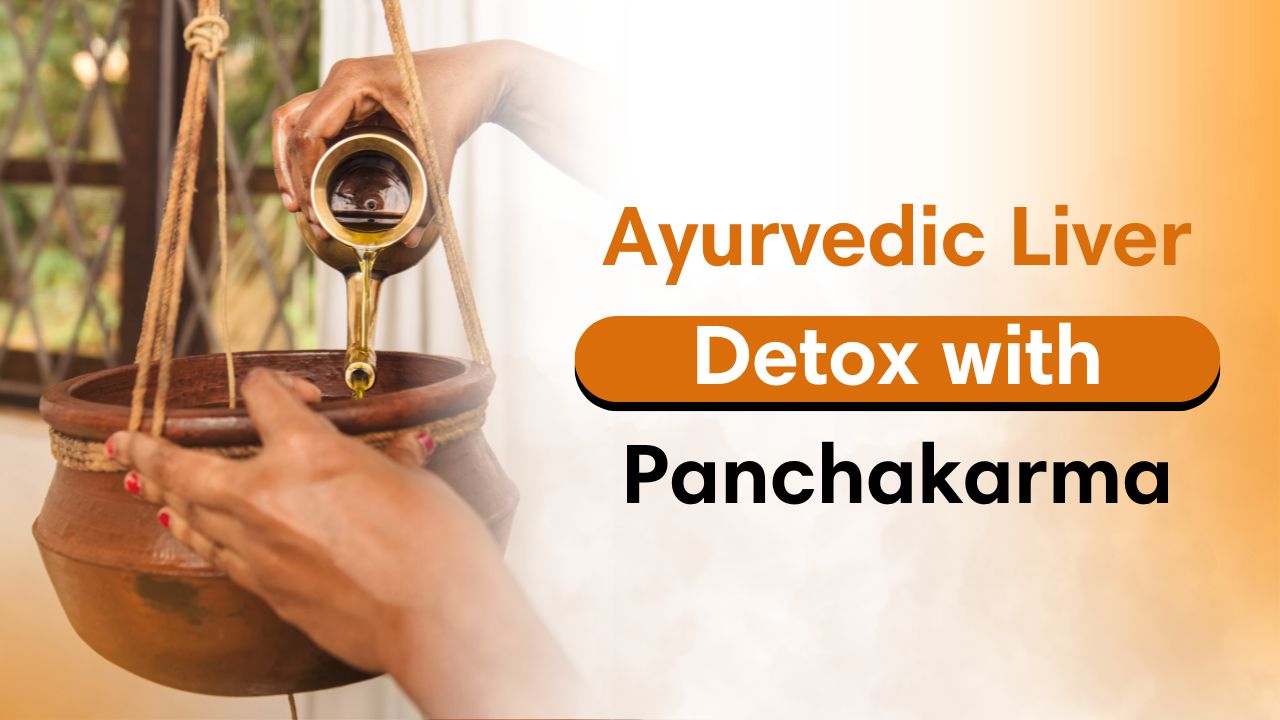
Ayurvedic Treatment for Liver Detoxification: How Panchakarma Heals from Within
The liver is the body’s natural detoxifier, playing a crucial role in filtering toxins and waste from our bloodstream. In today’s fast-paced world filled with processed foods, environmental pollutants, and stress, liver health often takes a backseat. This is where Ayurvedic treatment for liver detoxification steps in, offering time-tested holistic methods to restore liver function naturally. One of the most effective therapies is Panchakarma, the crown jewel of Ayurvedic healing. What is Panchakarma? Panchakarma, which literally means "five actions," is a set of five therapeutic treatments in Ayurveda designed to cleanse the body of toxins (Ama) and restore balance to the Doshas—Vata, Pitta, and Kapha. It not only rejuvenates the liver but also improves digestion, boosts immunity, and enhances overall vitality. The Five Panchakarma Therapies: Vamana Virechana Basti Nasya Raktamokshana Among these, Virechana is particularly effective for liver detoxification as it targets excess Pitta—the dosha most associated with liver function. Ayurvedic Treatment for Liver Detoxification Through Panchakarma When it comes to cleansing the liver, Ayurvedic treatment for liver detoxification focuses on eliminating deep-rooted toxins and balancing metabolic functions. Here's how Panchakarma helps: 1. Virechana— Virechana uses herbal laxatives to cleanse the liver and gallbladder. This purgation process removes accumulated Pitta from the body, reducing inflammation and improving bile flow. 2. Pre-Treatment: Snehana and Swedana Before the actual detox, the body is prepared with: Snehana (internal and external oleation) using medicated ghee or oils. Swedana (steam therapy) to open up bodily channels for effective toxin elimination. 3. Post-Treatment Rasayana (Rejuvenation) After detox, rejuvenating Ayurvedic herbs for liver detoxification are administered to repair and nourish liver cells. Top Ayurvedic Herbs for Liver Detoxification The power of Ayurveda lies not only in the treatments but also in the healing herbs that support liver health. Here are the most effective Ayurvedic herbs for liver detoxification: Bhumyamalaki (Phyllanthus niruri)—Regenerates liver cells and protects against hepatitis. Kutki (Picrorhiza kurroa)—Detoxifies and acts as a hepatoprotective agent. Kalmegh (Andrographis paniculata)—Reduces liver inflammation and enhances bile secretion. Triphala—a combination of three fruits that gently cleanses the liver and supports digestion. Turmeric (Curcuma longa)—a powerful anti-inflammatory and antioxidant herb. These herbs are often used in combination with Panchakarma to provide both detoxification and rejuvenation. Benefits of Panchakarma for Liver Health Deep cellular detoxification Improved bile secretion and metabolism Relief from fatty liver and liver congestion Better digestion and appetite Enhanced energy and mental clarity When to Consider Ayurvedic Liver Detox If you experience symptoms like chronic fatigue, bloating, skin issues, or frequent headaches, your liver might be under stress. An Ayurvedic treatment for liver detoxification using Panchakarma can restore balance and prevent future health complications. Conclusion Liver health is vital for overall well-being, and Ayurveda offers a natural, holistic approach to detox and rejuvenate this essential organ. By combining Panchakarma with Ayurvedic herbs for liver detoxification, you can support long-term health and vitality without harmful side effects. If you're considering a natural way to heal your liver, consult a qualified Ayurvedic practitioner to create a personalized Panchakarma detox plan.
Read more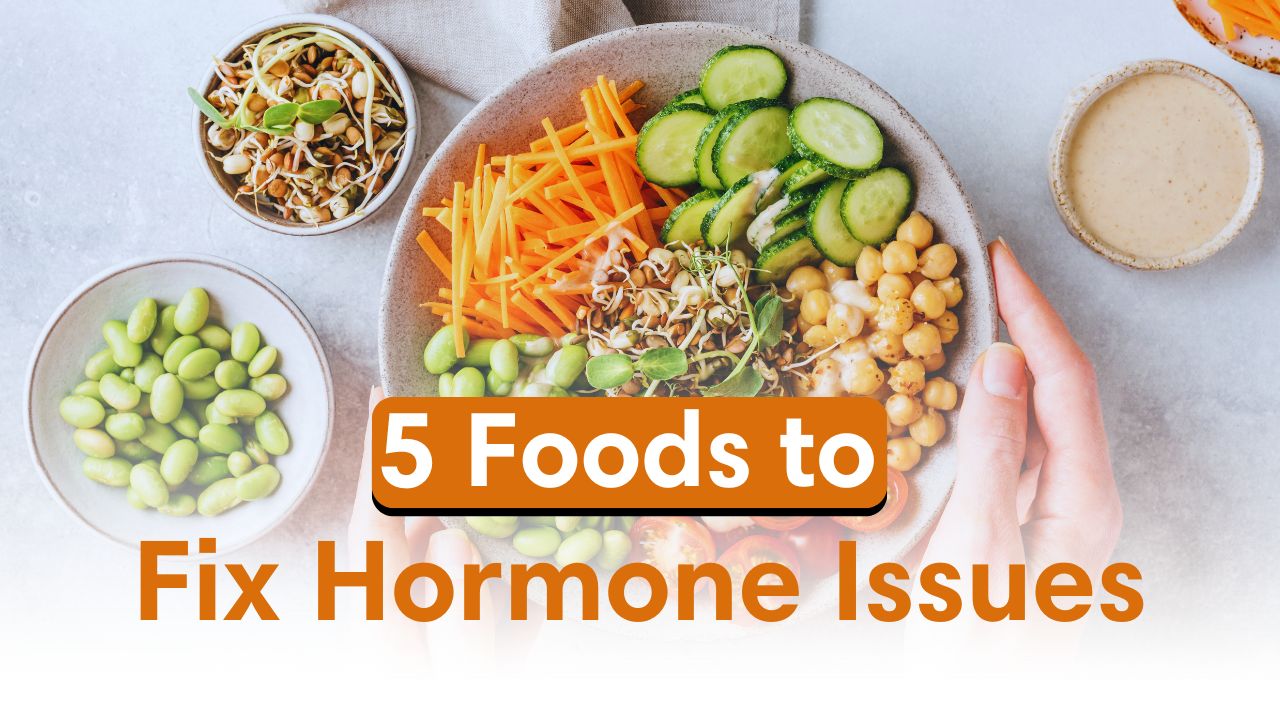
5 Foods That Help With Hormonal Balance Naturally
Balancing hormones naturally doesn’t have to be complicated. Discover how simple whole foods—like leafy greens, avocados, and seeds—can support estrogen, progesterone, cortisol, and insulin balance. In this guide, you’ll learn quick and practical choices to boost mood, energy, and menstrual health—all through what you eat!
Read more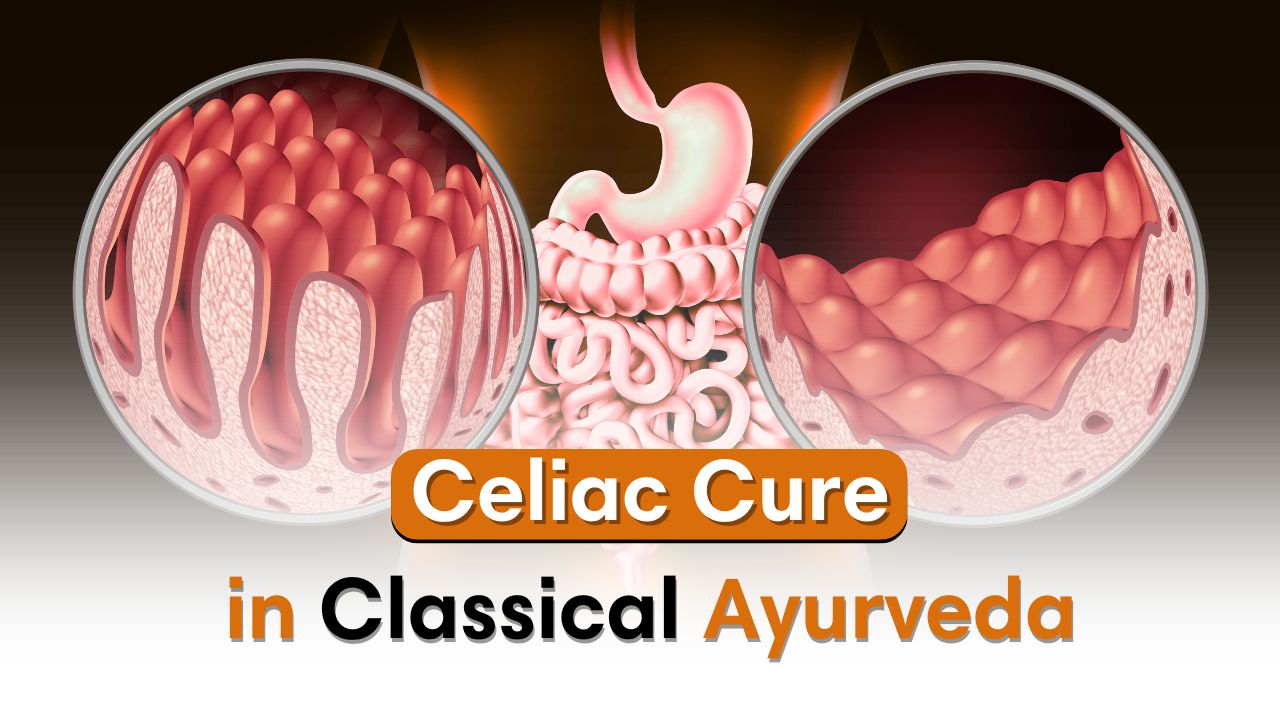
Celiac Disease in Ayurveda: A Classical Correlation & Deep Ayurveda’s Holistic Management
Celiac Disease is more than a gluten intolerance—it’s an autoimmune digestive disorder deeply rooted in imbalanced Agni (digestive fire) and doshas. While modern medicine focuses on gluten-free management, Ayurveda addresses the root cause through Grahani Roga Chikitsa. This comprehensive article explores the Ayurvedic understanding of Celiac Disease, including causes, symptoms, and a detailed treatment plan involving Agnidipana, Ama-pachana, Panchakarma, Rasayana, and customized diet. Discover how Deep Ayurveda offers a holistic, root-cause solution for long-term gut health and immunity.
Read more
Crohn’s Disease Through the Ayurvedic Lens: A Classical Remedial Strategy by Deep Ayurveda, Tricity’s Premier Centre
Crohn’s Disease, a chronic inflammatory bowel disorder, is often resistant to conventional therapies. Ayurveda, however, views it as Grahani Roga—a digestive pathology arising from impaired Agni, toxin buildup, and Doṣa imbalance. At Deep Ayurveda’s advanced centres in Mohali, Panchkula, and Chandigarh, ancient protocols are integrated with clinical precision for effective, long-term healing of Crohn’s and other autoimmune disorders. Explore a holistic, root-cause approach through Rasayana, Panchakarma, and personalized herb-based therapies.
Read more
Gut Health & Ayurveda: Best Foods to Heal from the Inside Out
In Ayurveda, a healthy gut is the foundation of overall well-being. Understanding your Agni (digestive fire) and Koshta (bowel nature) is key to choosing the right diet and herbs. Discover Ayurvedic tips, foods, and remedies for managing constipation, loose stools, and IBS naturally.
Read more
Graves’ Disease: A Holistic Ayurvedic Approach to Autoimmune Hyperthyroidism
Graves’ disease is a common autoimmune thyroid disorder causing hyperthyroidism. While modern medicine offers symptom relief, Ayurveda addresses the root cause through detox, dosha balance, and rejuvenation. Discover how Deep Ayurveda in Tricity provides holistic and personalized treatment for Graves’ disease using Panchakarma, herbal formulations, and mind-body therapies.
Read more
Sleep Disorders & Ayurveda: Natural Ways to Fix Insomnia
Struggling with sleepless nights? Ayurveda sees sleep (Nidra) as one of the three pillars of health. Explore the root causes of insomnia (Anidra), Vata imbalances, and natural Ayurvedic solutions—from herbs like Ashwagandha and Tagara to therapies like Shirodhara and Nasya—for deep, restorative sleep.
Read more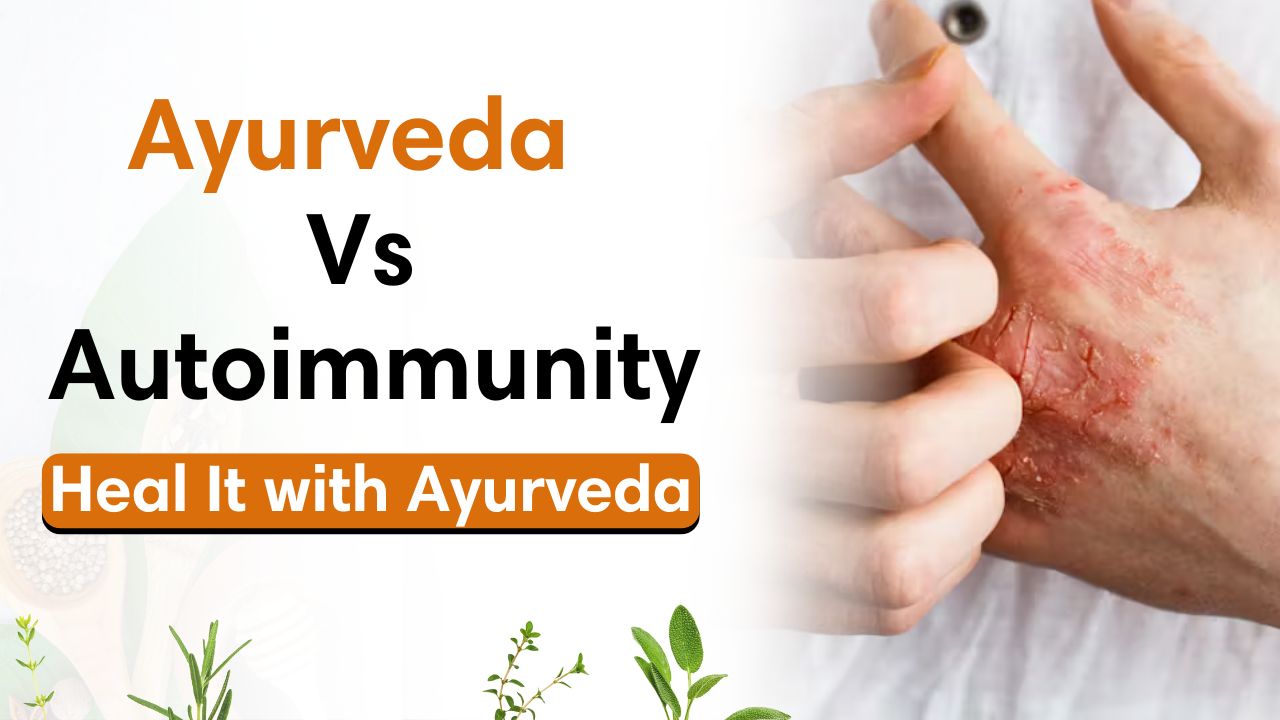
Autoimmune Disorders in Ayurveda: Classical Insights ; Deep Ayurveda’s Therapeutic Mastery
Explore Ayurveda’s holistic secrets for autoimmune disorders—uncover root causes like weak digestion (Agni), toxin buildup (Ama), dosha imbalances, and vitality loss. Learn how Panchakarma detox and Rasayana therapies from Deep Ayurveda can help restore immunity and vitality.
Read more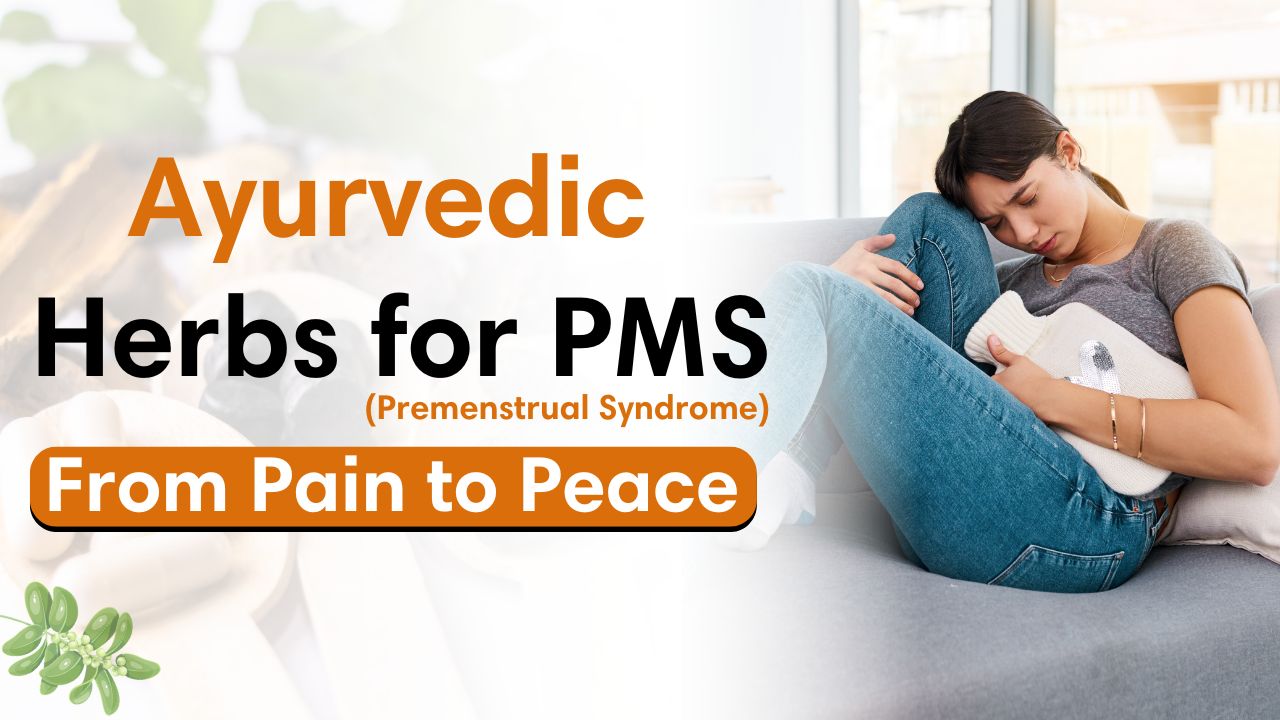
PMS (Premenstrual Syndrome): Causes, Symptoms, and Ayurvedic Herbs
Premenstrual Syndrome (PMS) affects millions of women worldwide, causing mood swings, bloating, fatigue, and more. This blog explores the Ayurvedic view of PMS, its causes, symptoms, and natural remedies using powerful herbs like Ashoka, Shatavari, and Lodhra to restore hormonal balance and promote well-being.
Read more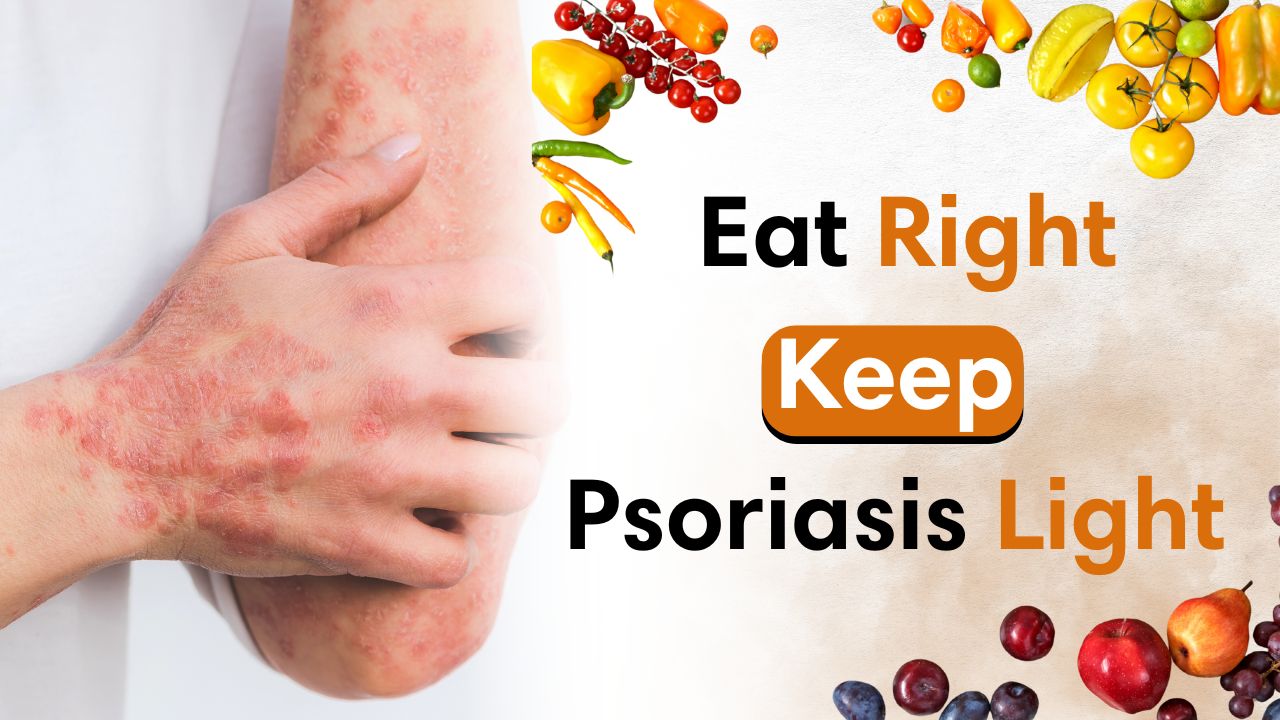
Foods to Avoid with Psoriasis for Better Skin Health
Psoriasis is more than a skin condition—it's an autoimmune challenge that demands internal healing. Certain foods can worsen inflammation and trigger flare-ups. Learn which foods to avoid for better skin health, based on both modern insights and Ayurvedic wisdom. A cleaner, mindful diet can make all the difference in your psoriasis journey.
Read more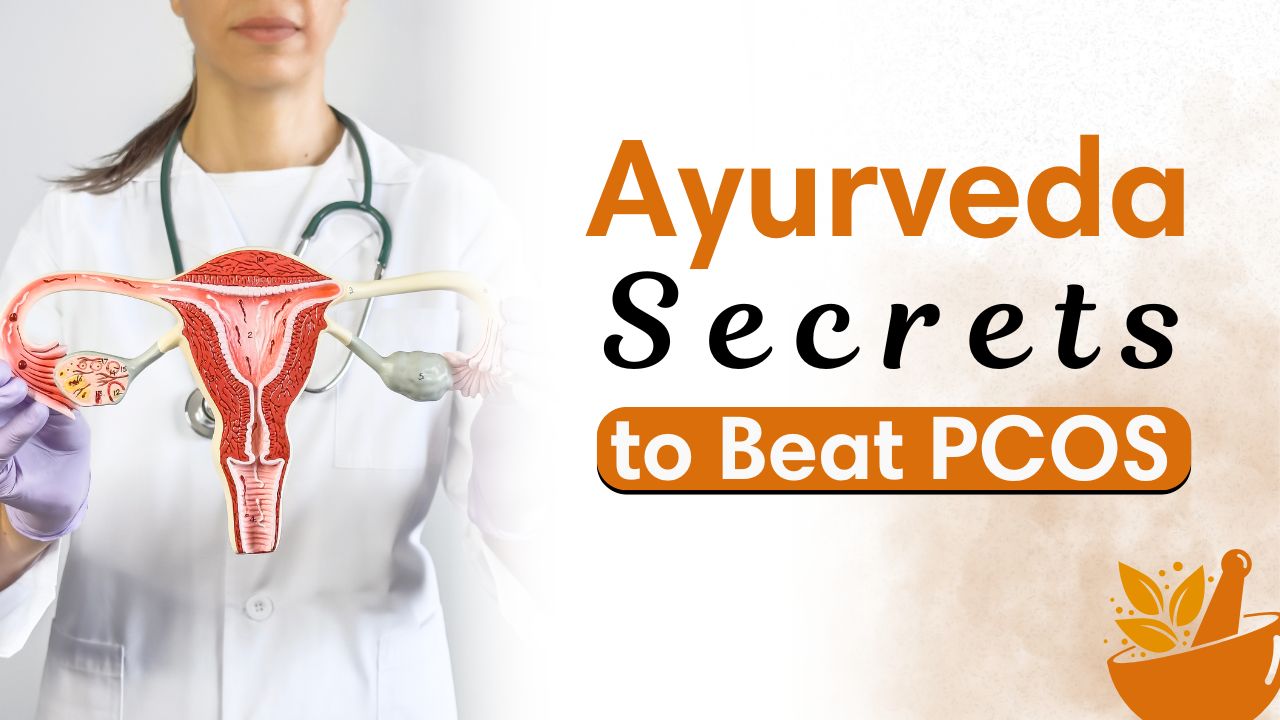
Ayurvedic Treatment for PCOS: What Actually Works?
Polycystic Ovary Syndrome (PCOS) is more than a hormonal disorder—it reflects deep internal imbalances. Ayurveda offers a holistic path to healing PCOS by correcting digestion, balancing doshas, and rejuvenating the reproductive system naturally. Discover powerful Ayurvedic herbs, daily lifestyle tips, and the natural way to regain hormonal harmony.
Read more