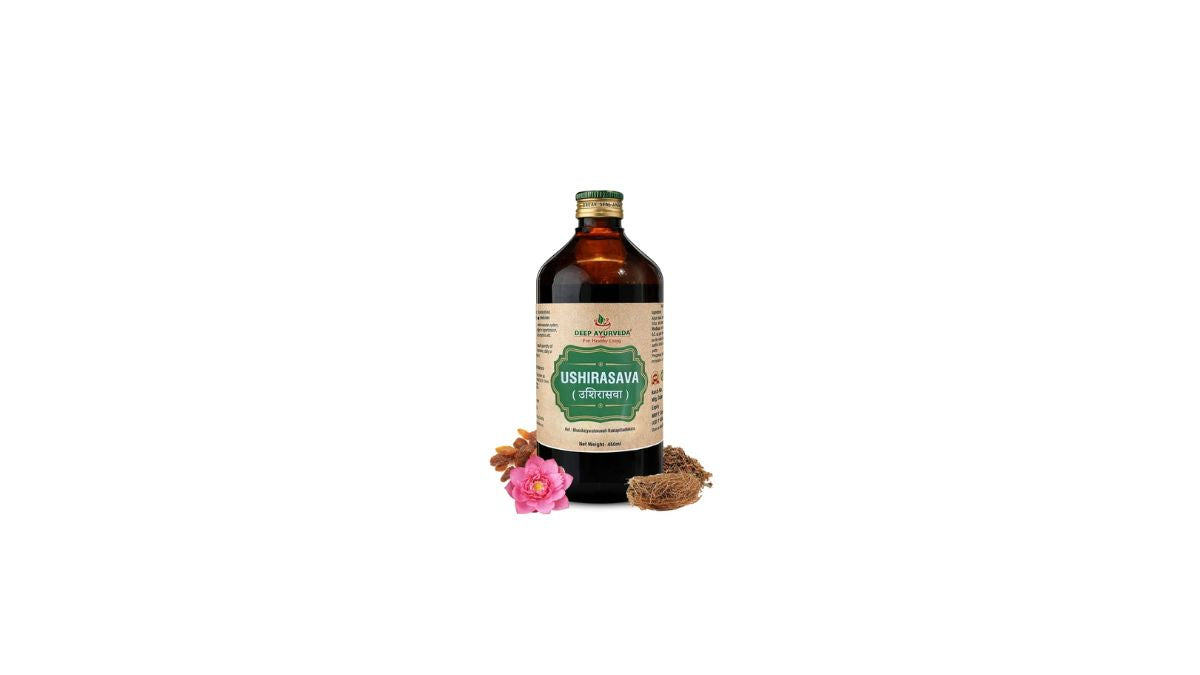
Ushirasava is a classical Ayurvedic fermented herbal formulation (Asava) traditionally used to help balance Pitta Dosha, support healthy blood circulation, and promote the body's natural cooling mechanism. It is widely recommended in Ayurveda for conditions associated with excessive body heat, burning sensations, recurrent nosebleeds, certain bleeding disorders, skin discomfort, and urinary burning.
Prepared through natural fermentation using herbs like Ushira (Vetiver) along with other classical ingredients, Ushirasava is valued for its Sheeta (cooling) and Rakta Prasadana (blood-supporting) properties. Rather than providing temporary relief, Ayurveda focuses on correcting the underlying Pitta imbalance responsible for these symptoms.
In this comprehensive guide, you'll learn about Ushirasava's benefits, traditional uses, ingredients, dosage, possible side effects, precautions, and how Ayurvedic physicians decide when to recommend it.
Disclaimer: This article is for educational purposes only and should not replace professional medical advice. Always consult a qualified Ayurvedic physician before starting any herbal medicine, especially if you are pregnant, breastfeeding, have chronic health conditions, or are taking prescription medications.
What is Ushirasava?
Ushirasava is one of Ayurveda's classical Asava preparations, manufactured through a natural fermentation process. During this process, herbal decoctions are combined with natural sweetening agents that allow controlled fermentation. This produces small amounts of naturally occurring self-generated alcohol, which acts as a natural preservative and helps improve the absorption of herbal constituents.
The name Ushirasava comes from its principal ingredient Ushira (Vetiveria zizanioides), commonly known as Vetiver. Ushira is highly regarded in Ayurveda for its cooling, soothing, and blood-supportive properties.
Unlike formulations that mainly improve digestion or strengthen immunity, Ushirasava specifically targets disorders associated with aggravated Pitta Dosha and impure Rakta Dhatu (blood tissue).
Ayurvedic physicians often recommend Ushirasava when symptoms indicate excessive internal heat, including:
- Frequent burning sensation in the body
- Nosebleeds
- Heat-related headaches
- Burning urination
- Heavy menstrual bleeding due to Pitta aggravation
- Excessive thirst
- Skin redness associated with heat
- General heat intolerance
Its role is not merely to suppress symptoms but to restore physiological balance according to Ayurvedic principles.
Classical Ayurvedic Perspective
According to Ayurveda, good health depends upon the balance of the three Doshas:
- Vata
- Pitta
- Kapha
Among these, Pitta Dosha governs:
- Body temperature
- Blood quality
- Digestion
- Metabolism
- Vision
- Skin complexion
- Hormonal activities
When Pitta becomes aggravated due to factors such as:
- Spicy foods
- Excessive heat exposure
- Alcohol
- Stress
- Poor sleep
- Seasonal changes
it may manifest as:
- Burning sensation
- Excessive sweating
- Acidity
- Skin eruptions
- Nosebleeds
- Heavy bleeding
- Irritability
- Heat intolerance
Classical Ayurvedic texts describe Ushirasava as a formulation that helps calm aggravated Pitta while supporting healthy Rakta Dhatu. By promoting balance rather than symptom suppression, Ushirasava is traditionally incorporated into a broader Ayurvedic treatment plan that may also include dietary changes and lifestyle modifications.
How Ushirasava Works in Ayurveda
Ayurveda explains the action of Ushirasava through several traditional concepts rather than modern pharmacology alone.
1. Helps Balance Pitta Dosha
The cooling herbs present in Ushirasava assist in reducing excessive internal heat, making it suitable for individuals experiencing symptoms related to aggravated Pitta.
2. Supports Healthy Blood (Rakta Dhatu)
Healthy blood is essential for nourishing tissues throughout the body. Ushirasava is traditionally used to maintain the purity and quality of Rakta Dhatu.
3. Promotes Natural Cooling
Its Sheeta (cooling) nature may help reduce sensations of heat, burning, and discomfort during hot weather or Pitta aggravation.
4. Supports Healthy Skin
Since many skin concerns in Ayurveda are linked to Pitta and Rakta imbalance, Ushirasava is often included in comprehensive Ayurvedic skin care protocols.
Related Reading: If the primary concern is skin health and blood purification, Ayurvedic physicians may also recommend Khadirarishta depending on the individual's constitution and condition. The choice between formulations is based on a personalized Ayurvedic assessment rather than symptoms alone.
5. Supports Urinary Comfort
Traditional Ayurvedic practice also recommends Ushirasava for individuals experiencing burning during urination associated with excess body heat.
Ingredients of Ushirasava
The therapeutic value of Ushirasava comes from a combination of cooling, blood-supporting, and Pitta-pacifying herbs. Although ingredient lists may vary slightly among manufacturers, classical preparations commonly include the following herbs.
1. Ushira (Vetiver)
Botanical Name: Chrysopogon zizanioides (formerly Vetiveria zizanioides)
Ushira is the principal ingredient of the formulation and is renowned for its cooling nature.
Traditional Ayurvedic Properties
- Cooling (Sheeta)
- Pitta balancing
- Supports healthy blood
- Helps reduce burning sensation
- Promotes comfort during hot weather
2. Lodhra
Botanical Name: Symplocos racemosa
Lodhra has long been valued in Ayurveda for supporting healthy blood circulation and women's reproductive health.
Traditional Benefits
- Supports healthy menstrual function
- Helps maintain tissue integrity
- Balances Pitta
- Supports healthy skin
3. Padmaka
Padmaka is traditionally used to cool the body and support healthy blood.
Traditional Benefits
- Cooling herb
- Supports Rakta Dhatu
- Helps balance Pitta
- Traditionally used during heat-related conditions
4. Kamala (Lotus)
Lotus occupies an important place in Ayurveda because of its naturally cooling qualities.
Traditional Benefits
- Supports healthy circulation
- Cooling effect
- Helps maintain Pitta balance
- Promotes overall well-being
5. Manjistha
Botanical Name: Rubia cordifolia
Manjistha is among Ayurveda's most respected herbs for supporting healthy blood and skin.
Traditional Benefits
- Supports blood purification
- Promotes skin health
- Helps maintain healthy circulation
- Balances Pitta
6. Dhataki Flowers
Dhataki flowers play a unique role in classical Asava preparations.
Traditional Benefits
- Facilitate natural fermentation
- Help preserve herbal constituents
- Improve the stability of the formulation
7. Natural Sweetening Agents
Traditional formulations also contain jaggery or sugar, which support the natural fermentation process. During fermentation, only a small amount of self-generated alcohol is produced, helping extract and preserve the active herbal compounds.
Why the Ingredients Work Together
Rather than relying on a single herb, Ushirasava combines multiple botanicals that complement one another according to Ayurvedic principles. This synergistic approach aims to:
- Balance aggravated Pitta Dosha
- Support healthy Rakta Dhatu (blood tissue)
- Promote natural cooling
- Help maintain skin health
- Support urinary comfort associated with heat
- Encourage overall physiological balance
Unlike isolated herbal extracts, classical Ayurvedic formulations are designed so that the ingredients work together to enhance effectiveness while maintaining balance.
Top Health Benefits of Ushirasava
In Ayurveda, Ushirasava is primarily recommended for managing conditions associated with aggravated Pitta Dosha and vitiated Rakta Dhatu (blood tissue). Its carefully selected herbal ingredients work together to promote the body's natural cooling mechanism, support healthy blood circulation, and maintain overall physiological balance.
It's important to note that the benefits of Ushirasava are based on traditional Ayurvedic principles. It should always be used under the guidance of a qualified Ayurvedic practitioner.
1. Helps Balance Aggravated Pitta Dosha
One of the primary benefits of Ushirasava is its ability to pacify aggravated Pitta Dosha. According to Ayurveda, excessive Pitta can lead to increased body heat, irritability, burning sensations, excessive sweating, and inflammatory skin conditions.
The cooling herbs in Ushirasava help restore Pitta balance naturally, making it a preferred formulation during hot weather or when symptoms indicate excess internal heat.
It may help support:
- Excess body heat
- Burning sensation in the body
- Heat intolerance
- Excessive thirst
- Pitta-related discomfort
2. Supports Healthy Blood (Rakta Dhatu)
Ayurveda considers Rakta Dhatu one of the body's essential tissues responsible for nourishment and vitality. When Rakta becomes imbalanced due to aggravated Pitta, symptoms such as recurrent bleeding, skin irritation, and burning sensations may develop.
Ushirasava is traditionally used to support healthy blood quality and maintain normal physiological functions associated with Rakta Dhatu.
Traditional Ayurvedic uses include support for:
- Healthy blood circulation
- Pitta-related blood disorders
- Overall blood tissue nourishment
- Maintaining natural balance within the body
3. Helps Manage Burning Sensations
People experiencing frequent burning sensations in the palms, soles, chest, stomach, or throughout the body may benefit from therapies that pacify excess Pitta.
Due to its cooling (Sheeta) properties, Ushirasava is traditionally recommended to help reduce internal heat and provide comfort in conditions associated with burning sensations.
4. Traditionally Used for Nosebleeds (Epistaxis)
Frequent nosebleeds during summer or periods of increased body heat are often associated with aggravated Pitta in Ayurveda.
Ushirasava is traditionally used as part of an Ayurvedic treatment plan to help maintain healthy blood vessels and support the body's natural cooling response. However, recurrent or severe nosebleeds should always be evaluated by a healthcare professional to identify the underlying cause.
5. Supports Women's Health
Classical Ayurvedic texts describe Ushirasava as a supportive formulation for certain Pitta-related menstrual concerns. It is traditionally used under medical supervision to help maintain normal menstrual balance in individuals experiencing excessive heat-related symptoms.
Because menstrual disorders can have many causes, women experiencing heavy or prolonged bleeding should seek medical evaluation before using any herbal medicine.
6. Promotes Healthy Skin
According to Ayurveda, many skin concerns originate from an imbalance in Pitta Dosha and Rakta Dhatu. By supporting healthy blood and helping maintain internal balance, Ushirasava is traditionally included in comprehensive Ayurvedic skin care protocols.
Individuals with skin concerns related to excess heat may benefit from an individualized treatment plan that includes dietary changes, lifestyle modifications, and appropriate herbal formulations.
Related Ayurvedic Formulation: When skin concerns and blood purification become the primary treatment focus, Ayurvedic physicians may recommend Khadirarishta based on the individual's Prakriti (body constitution), symptoms, and overall health assessment. Both formulations serve different therapeutic purposes, and the choice depends on clinical evaluation.
Uses of Ushirasava
Ushirasava has been used in Ayurvedic practice for centuries to help manage conditions associated with excessive body heat and Pitta imbalance. While its use should always be individualized, it is traditionally recommended for the following conditions:
✔ Burning sensation throughout the body
Traditionally used to help reduce internal heat and promote a cooling effect.
✔ Recurrent nosebleeds
May be recommended as part of an Ayurvedic management plan for Pitta-related nosebleeds after appropriate medical evaluation.
✔ Burning urination
Supports urinary comfort in cases associated with increased body heat.
✔ Heat-related skin discomfort
May be included in Ayurvedic skin care protocols where excess Pitta contributes to redness, irritation, or burning sensations.
✔ Excessive body heat
Helps maintain the body's natural cooling balance during periods of increased internal heat.
✔ Certain Pitta-related bleeding disorders
Traditionally used under the supervision of an Ayurvedic physician for conditions involving aggravated Pitta and Rakta Dhatu.
✔ General Pitta imbalance
May be recommended for individuals experiencing symptoms such as excessive thirst, heat intolerance, irritability, and burning sensations related to Pitta aggravation.
Who May Benefit from Ushirasava?
A qualified Ayurvedic physician may consider Ushirasava for individuals who experience:
- Frequent burning sensations
- Excessive body heat
- Heat intolerance
- Recurrent nosebleeds
- Burning during urination
- Pitta-dominant body constitution
- Certain Pitta-related skin concerns
- Symptoms associated with aggravated Rakta and Pitta
Since every individual has a unique constitution (Prakriti) and imbalance (Vikriti), Ayurvedic medicines should always be selected based on a comprehensive assessment rather than symptoms alone.
Lifestyle Tips to Enhance the Benefits of Ushirasava
For the best results, Ayurveda emphasizes combining herbal formulations with appropriate diet and lifestyle habits.
Follow a Pitta-Pacifying Diet
Include cooling foods such as:
- Cucumber
- Coconut water
- Pomegranate
- Bottle gourd
- Ash gourd
- Fresh seasonal fruits
- Homemade buttermilk (if suitable)
Stay Well Hydrated
Adequate water intake supports the body's natural cooling mechanism and overall health.
Avoid Excessively Heating Foods
Limit foods that may aggravate Pitta, including:
- Very spicy meals
- Deep-fried foods
- Excessive caffeine
- Alcohol
- Processed foods
Manage Stress
Practices such as meditation, yoga, and adequate sleep can help maintain Dosha balance and support overall well-being.
Avoid Excessive Heat Exposure
During peak summer months, minimize prolonged exposure to direct sunlight and maintain a cool environment whenever possible.
Ushirasava Dosage
The appropriate dosage of Ushirasava depends on factors such as age, body constitution (Prakriti), the severity of symptoms, and the advice of an Ayurvedic physician. Self-medication should be avoided, especially in individuals with chronic medical conditions or those taking prescription medications.
General Recommended Dosage
| Age Group | Recommended Dosage* |
|---|---|
| Adults | 15–30 ml twice daily |
| Adolescents | As advised by an Ayurvedic physician |
| Children | Only under medical supervision |
*Dosage may vary depending on the individual's health condition and the physician's recommendation.
How to Take Ushirasava
For optimal absorption and effectiveness, Ushirasava is traditionally taken:
- After meals
- Mixed with an equal quantity of water (unless otherwise advised)
- Twice daily or as prescribed by an Ayurvedic physician
- At the same time each day for consistency
Following the prescribed dosage and treatment duration can help achieve the desired therapeutic benefits.
How Long Should You Take Ushirasava?
The duration of treatment varies depending on the condition being managed, the individual's body constitution, and their response to the medicine.
Some people may use Ushirasava for a few weeks, while others may require a longer course under the supervision of an Ayurvedic physician. Avoid prolonged use without professional guidance.
Regular follow-up allows the physician to assess progress and make adjustments if needed.
Possible Side Effects of Ushirasava
When taken in the recommended dosage under the supervision of a qualified Ayurvedic physician, Ushirasava is generally considered well tolerated by many individuals.
However, like any herbal formulation, some people may experience unwanted effects.
Possible side effects may include:
- Mild stomach discomfort
- Digestive upset in sensitive individuals
- Allergic reactions to specific herbal ingredients (rare)
- Discomfort if taken on an empty stomach
- Symptoms related to excessive use or incorrect dosage
If you notice persistent discomfort, allergic symptoms, or any unusual reaction after taking Ushirasava, discontinue use and consult your healthcare provider promptly.
Who Should Avoid Ushirasava?
Although Ushirasava is a classical Ayurvedic medicine, it may not be suitable for everyone.
Consult your physician before using Ushirasava if you:
- Are pregnant or planning pregnancy
- Are breastfeeding
- Have diabetes
- Have chronic liver disease
- Have kidney disorders
- Are allergic to any of its ingredients
- Are taking prescription medications
- Have a history of alcohol sensitivity
A personalized consultation helps ensure that the formulation is appropriate for your health needs.
Can Pregnant Women Take Ushirasava?
Pregnant women should not use Ushirasava unless it is specifically prescribed by a qualified Ayurvedic physician or obstetrician.
There is limited high-quality clinical evidence regarding its safety during pregnancy. Additionally, classical Asava formulations naturally contain a small amount of self-generated alcohol due to fermentation.
During pregnancy, any herbal medicine should only be taken after careful medical evaluation of its potential benefits and risks.
Is Ushirasava Safe During Breastfeeding?
Breastfeeding mothers should consult their healthcare provider before using Ushirasava.
Although Ayurvedic medicines have been traditionally used for centuries, individual assessment is essential to determine whether a formulation is appropriate during lactation.
Can People with Diabetes Take Ushirasava?
Individuals with diabetes should exercise caution before taking Ushirasava.
Traditional Asava preparations are manufactured using jaggery or sugar as part of the natural fermentation process. While fermentation changes the composition of these ingredients, residual sugars may still be present depending on the formulation.
If you have diabetes:
- Consult your physician before use.
- Monitor blood glucose as advised.
- Never replace prescribed diabetes medication with Ayurvedic medicines without medical guidance.
Does Ushirasava Contain Alcohol?
Yes.
Like other classical Ayurvedic Asava and Arishta formulations, Ushirasava undergoes natural fermentation, which produces a small amount of self-generated alcohol. This alcohol is not externally added; it develops naturally during the preparation process and primarily helps preserve the formulation and enhance the extraction of herbal constituents.
Individuals with alcohol sensitivity or those advised to avoid alcohol should discuss its use with their healthcare provider.
Can Ushirasava Be Taken with Modern Medicines?
Ushirasava may be taken alongside conventional medicines in some cases, but this should only be done under the guidance of a qualified healthcare professional.
Herbal medicines can interact with prescription medications, particularly those used for:
- Blood disorders
- Diabetes
- Blood pressure
- Liver disease
- Hormonal conditions
To minimize the risk of interactions, inform your doctor or Ayurvedic physician about all medications and supplements you are currently taking.
Storage Instructions
Proper storage helps maintain the quality and effectiveness of Ushirasava.
Follow these recommendations:
- Store in a cool, dry place.
- Keep the bottle tightly closed after each use.
- Protect from direct sunlight.
- Do not refrigerate unless instructed by the manufacturer.
- Keep out of reach of children.
- Do not use the product after its expiry date.
Final Thoughts
Ushirasava is a time-tested Ayurvedic formulation traditionally used to balance Pitta Dosha, support healthy blood (Rakta Dhatu), and promote the body's natural cooling mechanism. It is commonly recommended for conditions associated with excessive body heat, burning sensations, nosebleeds, urinary discomfort, and certain Pitta-related bleeding disorders.
Its effectiveness is best supported when combined with a balanced diet, healthy lifestyle, and guidance from a qualified Ayurvedic physician. Because every individual has a unique body constitution and health profile, treatment should always be personalized rather than based solely on symptoms.
If your primary concern involves skin health and blood purification, your Ayurvedic physician may also consider formulations such as Khadirarishta, depending on your diagnosis and therapeutic goals.
Frequently Asked Questions
1. What is Ushirasava used for?
Ushirasava is traditionally used in Ayurveda to help balance aggravated Pitta Dosha and support conditions associated with excessive body heat, burning sensations, nosebleeds, urinary burning, and certain Pitta-related bleeding disorders. It should be used under the guidance of a qualified Ayurvedic physician.
2. How should Ushirasava be taken?
Adults are commonly advised to take 15–30 ml twice daily after meals, mixed with an equal quantity of water, or as directed by an Ayurvedic physician.
3. Can Ushirasava be taken daily?
Yes, Ushirasava may be taken daily if prescribed by a qualified Ayurvedic physician. The dosage and duration depend on the individual's condition and treatment plan.
4. Does Ushirasava have any side effects?
When taken as recommended, Ushirasava is generally well tolerated. However, some individuals may experience mild digestive discomfort or allergic reactions to certain ingredients. Consult your physician if you notice any unusual symptoms.
5. Is Ushirasava safe for children?
Ushirasava should only be given to children under the supervision of a qualified Ayurvedic physician. The dosage depends on the child's age, health condition, and individual needs.
6. Can Ushirasava help with skin problems?
According to Ayurvedic principles, Ushirasava supports healthy blood (Rakta Dhatu) and helps balance Pitta Dosha, which may contribute to overall skin health. For conditions where blood purification and skin health are the primary concerns, Ayurvedic physicians may recommend Khadirarishta or other appropriate formulations based on the individual's symptoms and constitution.
7. How long does Ushirasava take to show results?
The response varies depending on the individual's health condition, lifestyle, diet, and adherence to treatment. Some people may notice improvements within a few weeks, while others may require a longer course under medical supervision.
8. Who should not take Ushirasava?
Pregnant or breastfeeding women, individuals with diabetes, liver disease, alcohol sensitivity, or those taking prescription medications should consult their healthcare provider before using Ushirasava.