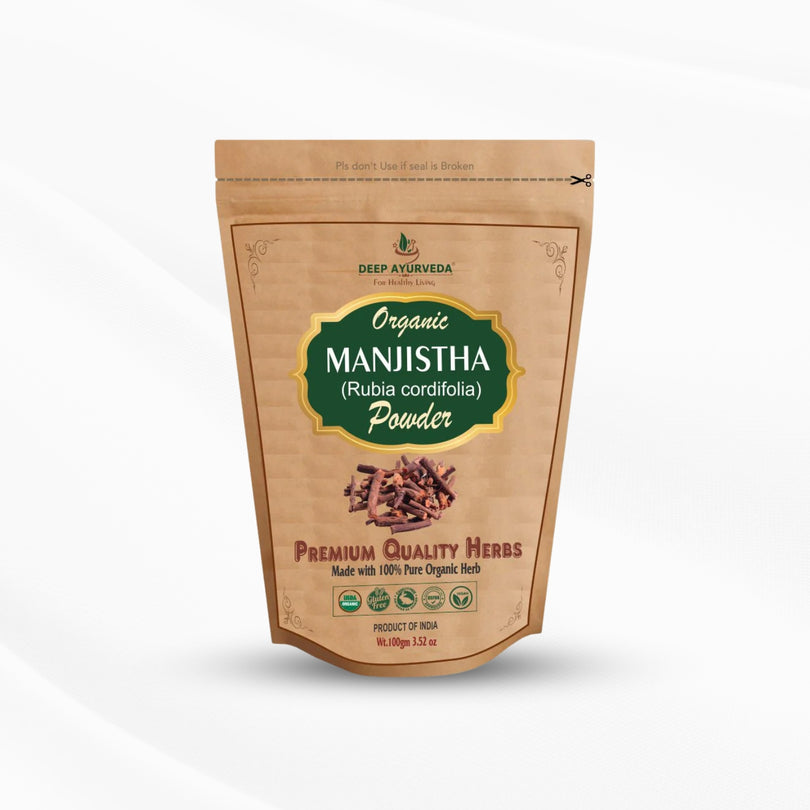
Deep Ayurveda Organic Manjistha Powder
✅ Powerful Blood Purifier ✅ Promotes Clear & Glowing Skin✅ Supports Liver Detoxification ✅ Helps Manage Acne & Skin Disorders ✅ 100% Natural ✅ Ayurvedic ✅ Lab-Tested
Manjistha powder is an Ayurvedic herb derived from Manjistha used traditionally for improving skin clarity, reducing acne, pigmentation, and supporting natural detoxification of blood.
Introduction
Healthy, clear, and glowing skin is often a reflection of internal balance in the body. In Ayurveda, skin health is deeply connected with blood purity and toxin removal. One of the most respected herbs used for this purpose is Manjistha.
Manjistha powder is widely known in traditional Ayurveda for supporting skin clarity, reducing acne, fading dark spots, and improving natural complexion. Unlike quick cosmetic solutions, it works gradually by addressing internal imbalance and skin inflammation from within.
In this guide, written from an Ayurvedic practitioner’s perspective, you will learn:
- How Manjistha actually works on skin
- Its scientifically and traditionally supported benefits
- How to use it safely for different skin types
- Realistic results timeline
- Precautions and best combinations
What is Manjistha?
Manjistha (Rubia cordifolia) is a traditional Ayurvedic herb known as a Rakta Shodhak, which means it supports blood purification. In Ayurveda, it is commonly associated with improving skin clarity by helping balance internal impurities that may contribute to acne, pigmentation, and dull skin.
The dried roots of Manjistha are processed into a fine red herbal powder and are used in different Ayurvedic and skincare applications, such as:
-
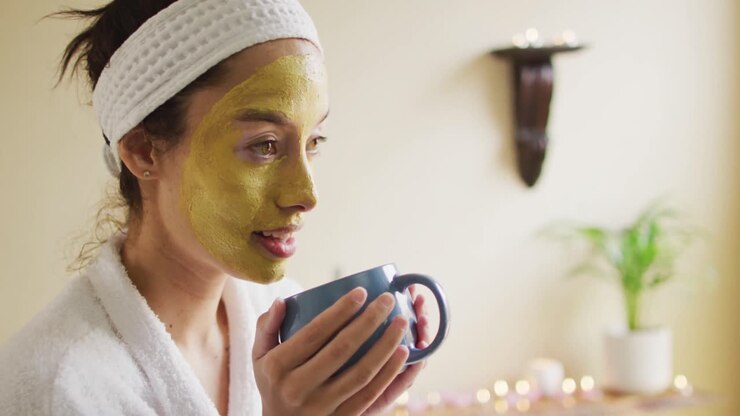
Herbal face packs: Manjistha powder is often blended with other natural ingredients like neem or aloe vera to support clearer and calmer skin when used externally.
-
Ayurvedic detox formulations: It is included in traditional herbal combinations that aim to support internal cleansing and overall skin health.
-
Skin cleansing remedies: It is used in external applications that help soothe irritated or inflamed skin conditions.
- Internal herbal preparations (under guidance): In Ayurveda, it may also be used in controlled herbal formulations recommended by practitioners for deeper detox support.
Manjistha naturally contains properties that are traditionally described as anti-inflammatory, antioxidant, and detoxifying. Because of this, it has been used for centuries in Ayurveda as a supportive herb for maintaining healthy-looking skin and improving overall skin balance.
How Manjistha Works for Skin
To understand why Manjistha is effective, we need to look at both Ayurvedic logic and modern skin science interpretation.
1. Blood Purification
In Ayurveda, skin issues often originate from impure blood. Manjistha helps support liver function and blood cleansing, which indirectly improves skin clarity.
2. Anti-inflammatory Action
Skin conditions like acne, redness, and irritation are linked with inflammation. Manjistha naturally helps calm inflammatory responses in the skin.
3. Detox Support
When toxins accumulate in the body, they often reflect on the skin as acne, dullness, or pigmentation. Manjistha supports the body's natural detox pathways.
4. Melanin Regulation (Skin Tone Balance)
Although not a bleaching agent, Manjistha supports even skin tone by reducing oxidative stress, which contributes to dark spots and uneven pigmentation.
5. Microcirculation Improvement
Improved blood flow to the skin helps deliver oxygen and nutrients, leading to a natural glow.
Manjistha Powder Benefits for Skin
1. Helps Reduce Acne and Breakouts
Manjistha works by calming internal inflammation and purifying blood, which can reduce recurring acne. It is especially helpful for hormonal and inflammatory acne types.
2. Fades Acne Scars and Dark Spots
Regular use of Manjistha-based face packs may help reduce post-acne marks and pigmentation over time by improving skin regeneration.
3. Improves Natural Skin Glow
By supporting detoxification and better blood circulation, the skin appears fresher, brighter, and more energized.
4. Supports Even Skin Tone
It helps reduce dull patches and uneven pigmentation caused by sun exposure or inflammation.
5. Soothes Skin Irritation
Manjistha has calming properties that may help reduce redness, itching, and minor skin inflammation.
6. Detoxifies Skin from Within
Unlike topical cosmetics, Manjistha supports internal cleansing, which reflects externally as healthier skin.
How to Use Manjistha Powder for Skin
Using Manjistha correctly is important to get safe and effective results for skin. Below are simple Ayurvedic face pack recipes you can try at home.
1. Acne Control Face Pack
Ingredients:
- 1 tsp Manjistha powder
- 1 tsp neem powder
- Rose water (as needed)
How to use:
Mix Manjistha and neem powder with rose water to form a smooth paste. Apply evenly on clean face and leave it for 10–15 minutes before washing with cool water.
Benefit:
This pack helps support acne-prone skin by calming excess oil, reducing inflammation, and keeping pores clean.
2. Skin Glow Face Pack
Ingredients:
- 1 tsp Manjistha powder
- Aloe vera gel
- A small pinch of turmeric
How to use:
Blend all ingredients into a soft paste and apply gently on the face. Leave it for around 15 minutes, then rinse with lukewarm water.
Benefit:
This combination helps improve skin texture and supports a natural, healthy-looking glow over time.
3. Pigmentation Reduction Face Pack
Ingredients:
- 1 tsp Manjistha powder
- Sandalwood powder
- Honey or rose water
How to use:
Mix all ingredients into a consistent paste and apply on areas with uneven tone or dark spots. Use it 2 times a week for best results.
Benefit:
This pack supports reduction of dark spots and helps improve overall skin tone balance gradually with regular use.
How Often Should You Use Manjistha?
For best results, usage should be adjusted according to your skin type and sensitivity. Overuse should be avoided as it may disturb the skin barrier.
-
Oily / acne-prone skin: Use 3–4 times per week. This helps control excess oil and supports clearer skin without over-drying when used properly.
-
Normal skin: Use 2–3 times per week. This maintains skin balance and supports a healthy, natural glow over time.
- Sensitive skin: Use 1–2 times per week and always perform a patch test first. Sensitive skin may react, so gradual introduction is recommended.
Consistency matters more than frequency. Regular but moderate use gives better long-term skin improvement than frequent overuse.
Expected Results Timeline
Manjistha works gradually because it supports internal cleansing and skin balance rather than providing instant cosmetic effects.
-
Week 1: Skin feels calmer with reduced redness and mild soothing effects, especially in irritated areas.
-
Week 2: Breakouts may reduce slightly, and skin texture often starts feeling smoother and more balanced.
-
Week 3–4: Dark spots and pigmentation may begin to look lighter, and overall skin tone appears more even.
- 6–8 weeks: With consistent use, many people notice clearer, healthier-looking skin with a natural glow.
Results depend on lifestyle, diet, stress levels, and overall skin condition.
Skin Type Suitability
Manjistha works differently depending on skin type, so correct usage is important for safe results.
-
Oily skin: Generally responds well, as Manjistha helps balance excess oil and supports clearer pores.
-
Acne-prone skin: Highly suitable for reducing inflammation and calming active breakouts over time.
-
Dry skin: Should be used carefully with hydrating ingredients like aloe vera or honey to prevent dryness.
- Sensitive skin: Needs a patch test before use, as herbal ingredients may still cause mild irritation in some cases.
Side Effects and Precautions
Although Manjistha is considered a natural and generally safe herb in Ayurveda, it should still be used with proper awareness and moderation.
May cause dryness if overused:
In some individuals, frequent application of Manjistha powder on the skin may lead to mild dryness, especially if the skin type is already dry or sensitive. It is recommended to mix it with hydrating ingredients like aloe vera or honey.
Possible mild allergic reaction in sensitive skin:
People with highly sensitive or reactive skin may experience slight redness, itching, or irritation. This is not common, but a patch test is always advised before regular use.
Always perform a patch test before first use:
Before applying it on the full face, a small amount should be tested on the inner arm or behind the ear. This helps ensure the skin does not react negatively to the herb.
Avoid use if irritation occurs:
If any burning, redness, or discomfort develops during application, the use should be stopped immediately. The skin should be washed with plain water and allowed to recover naturally.
Internal use should only be done under Ayurvedic supervision:
While external use is generally safe, internal consumption of Manjistha should only be taken under guidance of a qualified Ayurvedic practitioner, as dosage and suitability vary from person to person.
Ayurveda + Modern Dermatology Perspective
From Ayurveda:
Manjistha is a Rakta Shodhak herb, meaning it cleanses blood and balances internal heat (Pitta), which is linked to skin inflammation.
From modern skin science perspective:
Its antioxidant and anti-inflammatory properties help reduce oxidative stress, which is a major factor in acne, aging, and pigmentation.
This combination of traditional wisdom and modern understanding makes Manjistha a powerful natural skincare ingredient.
Conclusion
Manjistha is one of Ayurveda’s most trusted herbs for skin health. It does not work as a quick cosmetic fix but as a deep, holistic skin healer that supports detoxification, reduces inflammation, and improves natural skin glow over time.
For best results, it should be used consistently along with a balanced diet, proper hydration, and a simple skincare routine.
When used correctly, Manjistha becomes more than just a herbal powder—it becomes a long-term skin wellness solution rooted in Ayurvedic wisdom.
Frequently Asked Questions
1. Can Manjistha powder remove acne permanently?
It helps reduce acne by addressing internal inflammation, but lifestyle and diet also play a major role.
2. Can I use Manjistha powder daily on face?
No, 2–4 times per week is enough depending on skin type.
3. How long does it take to show results?
Visible improvements usually start within 2–4 weeks of regular use.
4. Is Manjistha good for glowing skin?
Yes, it supports natural glow by improving blood circulation and detoxification.
5. Can I mix Manjistha with other herbs?
Yes, it works well with neem, turmeric, aloe vera, and sandalwood.