समाचार

Best Ayurvedic Chyawanprash for Men’s Sexual Health
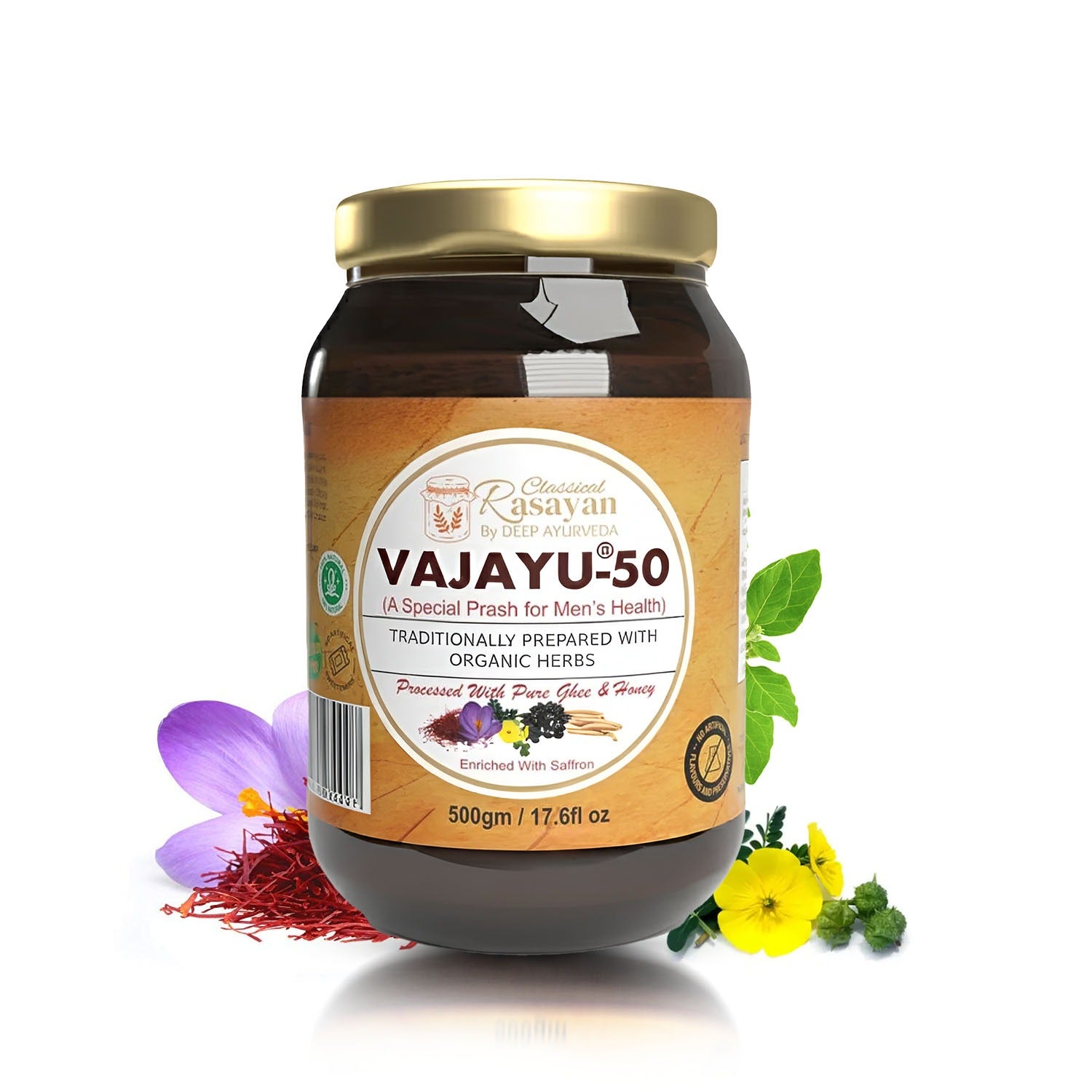
15% off Top Rated Ayurvedic Chyawanprash for Men’s Sexual Health ★★★★★ (4.8/5) ✅ 100% Ayurvedic & Safe ✅ Improves Control & Timing ✅ Enhances Sexual Stamina ✅ Supports Healthy Testosterone Levels ✅ Strengthens Reproductive Health ✅ Promotes Holistic Sexual Wellness ₹ 1,599 ₹ 1,874 BUY NOW Discover the top 5 powerful formulations that nourish men's vitality naturally. When it comes to enhancing men’s sexual health naturally, Ayurvedic Chyawanprash stands out as a time-tested, holistic remedy. Known for its rejuvenating properties, Chyawanprash is much more than a traditional immunity booster—it’s also a potent Rasayana that can support male reproductive health, stamina, and vitality. If you’ve been searching for the best Ayurvedic Chyawanprash that promotes energy, vigor, and hormonal balance, this article is for you. We’ll explore five leading brands, including Deep Ayurveda’s Vajayu 50 Prash, and their unique herbal formulations crafted specifically to boost men’s sexual health. Why Ayurvedic Chyawanprash for Men’s Sexual Health? Ayurvedic Chyawanprash is an ancient herbal jam made from a blend of Rasayana herbs, Amla (Indian gooseberry), and a wide range of Vaji-karana dravyas (aphrodisiac herbs). These ingredients: Enhance testosterone levels naturally Improve stamina and libido Strengthen Shukra dhatu (reproductive tissue) Support nervous system and stress management Ayurveda believes that a well-nourished Shukra dhatu leads to enhanced sexual health in men. With regular use, the right chyawanprash can be an excellent daily tonic to enhance overall wellness and reproductive strength. 1. Deep Ayurveda Vajayu 50 Prash – Best Ayurvedic Chyawanprash for Men’s Sexual Health Vajayu 50 Prash by Deep Ayurveda is a highly specialized Ayurvedic Chyawanprash formulated to revitalize men’s physical and reproductive health. Enriched with over 50 potent herbs, this Rasayana strengthens stamina, supports hormonal balance, and enhances sexual confidence. Key Ingredients: Shilajit – Natural testosterone booster Ashwagandha – Reduces stress & enhances sperm quality Safed Musli – Improves strength & endurance Kaunch Beej – Supports sperm count and motility Amla – Rich antioxidant to improve immunity Gokshura & Shatavari – Support reproductive wellness Kesar - Enhancing vigor and libido and is a Rasayan Gold bhasma - Rejuvenates all seven dhatus (body tissues), especially Shukra Dhatu (reproductive tissue) Why Vajayu 50 Prash? 100% classical Ayurvedic formulation No added sugar or artificial flavors only natural jaggery and Desi Cow Ghee is used Recommended by Ayurvedic doctors for men’s reproductive health Strengthens body tissues from within Deep Ayurveda’s Vajayu 50 Prash is widely endorsed by men’s sexual health doctors and is ideal for modern men facing fatigue, stress, and hormonal imbalance. 2. Zandu Kesari Jivan Chyawanprash Zandu's premium chyawanprash variant, Kesari Jivan, is known for its energizing effect, especially for aged individuals and working men. It is a gold-enriched Ayurvedic Chyawanprash with a luxurious formula. Key Ingredients: Kesar (Saffron) – Boosts stamina & sperm health Amla – Supports immunity & detoxification Shilajit – Enhances male vitality Ashwagandha – Reduces anxiety and improves performance Highlights: Good for men over 40 experiencing fatigue Mildly sweet and palatable taste Regularly recommended by men’s sexual health doctors for general vigor While it’s not exclusively for male sexual health, Zandu Kesari Jivan provides excellent foundational nourishment. 3. Dhootpapeshwar Swamala Chyawanprash A powerhouse Rasayana, Swamala by Dhootpapeshwar is a rich, ghee-based Ayurvedic Chyawanprash infused with premium herbs and Suvarna Bhasma (gold ash) for deep rejuvenation. Key Ingredients: Suvarna Bhasma – Rejuvenates body tissues Makardhwaj – Renowned aphrodisiac compound Shatavari & Ashwagandha – Adaptogens for strength Amla, Pippali, Vanshlochan – Classic immunity and digestion support Ideal For: Men with chronic fatigue and low libido Those undergoing post-illness recovery Daily Rasayana for sexual vitality Swamala is considered a heritage product in Ayurveda and is often prescribed for men’s sexual health and mental rejuvenation. 4. Charak Pharma Chyawanprash Avaleha Charak Pharma offers a traditional-style Ayurvedic Chyawanprash that is rooted in classical Ayurvedic formulations. It’s effective for building immunity, vigor, and mental strength. Key Ingredients: Vidarikand & Gokshura – Enhance reproductive wellness Amla – Strengthens Ojas Pippali & Guduchi – Detox and metabolism boosters Shatavari – Enhances hormonal balance Suitable For: Young men needing preventive care Daily nourishment for sperm and semen quality Mild support for sexual health and energy Though not as potent as Vajayu 50 Prash, Charak's chyawanprash is still a solid Rasayana choice for male wellness. 5. Dabur Chyawanprash The most recognized brand in India, Dabur Chyawanprash is a household staple. While it is not solely designed for sexual health, its wide range of herbs indirectly supports men’s sexual health and overall vitality. Key Ingredients: Amla – Core rejuvenator in Ayurveda Pippali – Enhances digestion and bioavailability Bala, Vidari, and Shatavari – Mild reproductive tonic herbs Pros: Easily available Affordable daily tonic for immunity & strength Helps build a base for more targeted therapies If you’re starting out and looking for an entry-level Ayurvedic Chyawanprash, Dabur can be a good foundation, though not a dedicated men’s sexual health tonic. How to Take Ayurvedic Chyawanprash for Sexual Health For best results: Take 1–2 teaspoons daily with warm milk or lukewarm water Morning or evening on an empty stomach is ideal Follow it regularly for 2–3 months for visible improvements Consult a certified men’s sexual health doctor for chronic issues Key Benefits of Using Ayurvedic Chyawanprash for Men’s Sexual Health Enhances Shukra Dhatu (reproductive fluid) Improves testosterone and sperm health Boosts stamina, libido, and performance Reduces stress, anxiety, and fatigue Supports immune and digestive systems With rising stress and poor lifestyle habits affecting male health today, switching to a daily dose of Ayurvedic Chyawanprash can work wonders—not just for immunity, but also for long-term hormonal health. Choose the Right Chyawanprash Wisely While all the above brands offer great value, Deep Ayurveda’s Vajayu 50 Prash ranks highest as the best Ayurvedic Chyawanprash for men’s sexual health. It’s specially formulated with classical Vajikarna herbs to naturally improve reproductive power, stamina, and mental clarity. Whether you're facing issues like low energy, poor libido, or fatigue, Vajayu 50 Prash is your ideal companion. Other premium options like Swamala, Zandu Kesari Jivan, Charak, and Dabur also contribute to overall wellness and are recommended for different needs and age groups. When in doubt, always consult an experienced men’s sexual health doctor to choose the right Rasayana for your unique constitution (Prakriti) and health goals.
Read moreसमाचार

Rainy Season Detox: Monsoon Dosha Balancing Diet Plan
During Varsha Ritu (monsoon), Ayurveda emphasizes detoxifying the body due to weakened digestion and increased dosha imbalance. A monsoon detox includes light, warm foods, digestive spices, and Panchakarma therapies like Virechana and Basti. Lifestyle practices such as gentle yoga, staying dry, and avoiding heavy exertion help maintain balance and boost immunity.
Read more
Chronic Constipation & Gut Issues: Causes, Symptoms, and Natural Relief
Chronic constipation is more than just infrequent bowel movements—it reflects deeper imbalances in digestion and gut health. This blog explores the root causes such as poor diet, stress, and sedentary habits, along with key symptoms like bloating, hard stools, and appetite loss. It also shares an Ayurvedic perspective on Vibandha, highlighting Vata imbalance, weak digestion, and toxin buildup. Learn about effective home remedies, dietary guidelines, yoga, and herbs like Triphala and Isabgol. Deep Ayurveda’s herbal formulations offer a natural, safe approach to long-term constipation relief. Heal your gut naturally with holistic Ayurvedic care.
Read more
Cholesterol & Heart Health in Ayurveda: What Doctors Won’t Tell You
This blog explores Ayurvedic insights on cholesterol and heart health, focusing on dosha balance, herbal support like Arjuna and Guggul, detox therapies such as Panchakarma, and lifestyle tips for holistic cardiovascular care.
Read more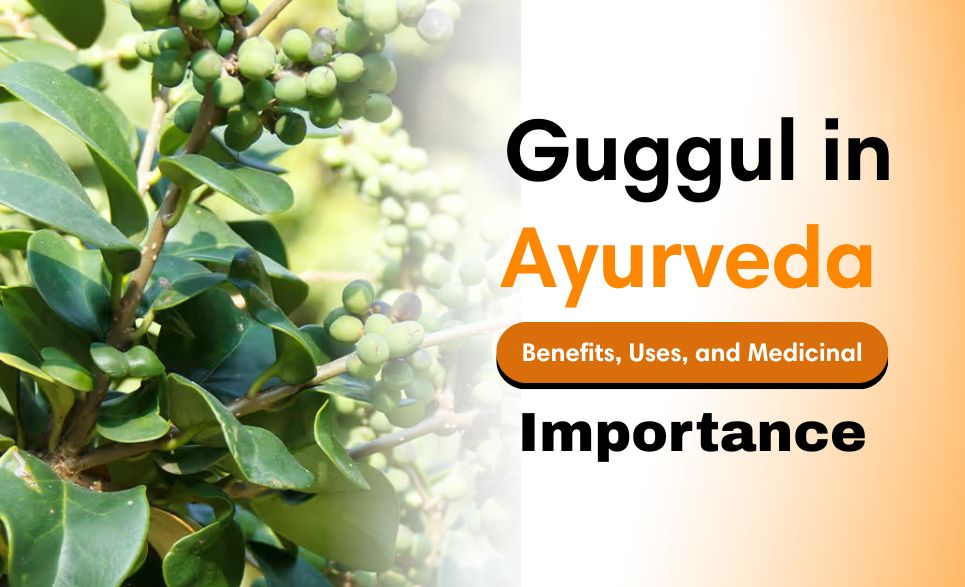
Guggul in Ayurveda: Benefits, Uses, and Medicinal Importance
Guggul, a resin extracted from the Commiphora mukul tree. This is a kind of small tree, grows up to 6 m with spiral, brown colored ascending branches ending in sharp scented spines. The Commiphora wightii or Guggulu is distributed in the rocky tracts of Gujarat, Rajasthan and Mysore in India, Sindh and Balochistan of Pakistan. Guggulu is a popular herb classified as tridosh har in Indian Ayurvedic medicine that is used to treat several ailments. Guggulu is a shrub or small tree belonging to Burseraceae family. It contains volatile oil, gum resin, gugulipids, guggulsterones, guggulsterols, mukolol and other steroids. Due to its miraculous healing properties, it has been used for centuries in India to treat a range of health conditions. Properties and actions- Guna of puran(old)guggulu: Laghu, Ruksh, Tikshna, Vishad, Suksham, Sar, Sugandhi Guna of Naveen(fresh) guggulu: Snigdh, Picshil Rasa: Katu, Tikta, Kasaya Vipaka: Katu Virya: Ushna Prabhav: Tridosh har Karma: Balya, Rasayana, Varnya, Vatabalasajit, Bhagnasandhanakrit, Medohara, Balances Vata and Kapha, may aggravate Pitta in excess Benefits of Guggul- 1. Weight Management & Fat Metabolism Guggulsterones, active compounds in guggul, help reduce LDL (bad cholesterol) and triglycerides while promoting HDL (good cholesterol).According to Ayurveda its Medohara (fat-reducing) property help in reducing cholesterol and increases fat metabolism by kaphshamak action. 2. Aids in Weight Management Guggul boosts metabolism and enhances fat burning(through medohar and kaphshamak action) by stimulating thyroid function. It is a key ingredient in Medohar Guggulu, traditionally used to reduce excess fat and manage obesity. 3. Anti-inflammatory & Pain Relief Guggul has Vaatshamak property that causes relief in arthritis, joint pain, and Kaphshamak property helps relieve muscle inflammation. 4.For Blood Purification and Acne Pimples- A Kapha-Pitta dosha skin type can be prone to acne and pimples. According to Ayurveda, an aggravation of Kapha increases sebum production which clogs the pores. This results in the formation of both white and blackheads. An aggravation of Pitta also causes red papules (bumps) and inflammation with pus. Guggul helps to balance Kapha-Pitta because of Tridosha balancing property and reduces clogs and inflammation when taken orally in the form of classical formulation Kaishor guggul . 5. Antioxidant & Anti-aging- Guggul delays cellular aging and supports longevity. It rejuvenates tissues and boosts overall vitality. 6. Bone and Joint Support- Promotes bone healing and strengthens joints. It is also used in degenerative disorders like osteoarthritis and cervical/lumbar spondylosis. 7.Balances Hormones and Supports Thyroid Function- Guggul is especially beneficial for hypothyroidism, guggul in classical formulation of Kanchnar guggul and Triphala guggul stimulates thyroid hormone production and supports hormonal balance, making it helpful in PCOS and menstrual disorders. 8.Balya & Rasayana- Guggul act as Strength-giving and rejuvenating dravya Classical Ayurvedic References of Guggul- "गुग्गुलुस्तिक्तका क्षौद्रा मधुरा त्रिदोषहा । रसायनी तीक्ष्णा शीघ्रव्यापिनी पाचनी ॥"— Bhavaprakasa Nighantu Guggulu is bitter in taste (tikta rasa) has honey-like sweetness ,Balances all three doshas (Vata, Pitta, Kapha),acts as a rejuvenator (Rasayana) ,sharp/potent in action ,spreads quickly through the body,enhances digestion (Deepana-Pachana). "गुग्गुलुस्तु महावीर्यो दोषान् हन्ति त्रयांश्च सः | वातपित्तकफघ्नश्च विशेषेणानिलापहः ||" Yogaratnakara – Vata Vyadhi Chikitsa Guggulu is of great potency, destroys all three doshas, with special emphasis on Vata alleviation—making it highly effective in neuromuscular and joint disorders. Guggul-Based Ayurvedic Classical Formulations- Yograj Guggulu – Joint and muscle pain Kaishor Guggulu – Skin disorders and blood purification Medohar Guggulu – Obesity and weight loss Kanchnar Guggulu – Thyroid and glandular swellings Triphala Guggulu – Detoxification and digestive support Amritadi Guggul-gout Abha Guggul-spondylitis Lakshadi Guggul-any type of bone fracture Conclusion- Guggul stands as a timeless Ayurvedic remedy, deeply revered for its tridosha-balancing, detoxifying, and rejuvenating properties. From managing cholesterol, weight, and joint pain to addressing skin disorders and hormonal imbalances, Guggul offers a holistic approach to wellness. Backed by classical Ayurvedic texts and centuries of traditional use, Guggul is not just a herb—it's a potent healer for today’s lifestyle disorders. Incorporating purified Guggul under the guidance of an Ayurvedic practitioner can be a safe and effective way to restore balance and vitality naturally.
Read more
Understanding Prostate Enlargement: Causes, Symptoms and Effective Treatments
As men age, changes in reproductive and urinary health become common — and one such issue is Prostate Enlargement. It may begin with just frequent urination at night but can soon lead to discomfort, poor sleep, and urinary tract complications if left untreated. In this blog, lets have a look on what are the cause of prostate enlargement, what are the symptoms to look out for, and how prostate enlargement treatment can be approached naturally with Ayurveda. What is the Prostate and Why Does It Enlarge? The prostate is a small, walnut-sized gland found below the bladder in men. Its main function is to produce fluid that nourishes sperm. With age, the prostate can increase in size — this condition is called Benign Prostatic Hyperplasia (BPH). It is not cancerous, but it can cause urinary problems. What Are the Cause of Prostate Enlargement? Several factors are linked with Prostrate enlargement : 1. Aging and Hormonal Changes As men age, levels of testosterone drop while estrogen slightly increases. This hormonal shift may lead to prostate cell growth. 2. DHT (Dihydrotestosterone) Accumulation DHT is a byproduct of testosterone. In older men, DHT levels may remain high in the prostate, causing it to grow larger. 3. Genetics Men with a family history of prostate issues are at a higher risk. 4. Sedentary Lifestyle & Obesity Lack of physical activity, poor diet, and weight gain may lead to hormonal imbalance and inflammation. 5. Chronic Inflammation Long-term low-grade inflammation in the prostate region can also be a trigger. Signs & Symptoms of Prostate Enlargement Prostate enlargement can affect urinary function. Common symptoms include: Frequent urination, especially at night (Nocturia) Weak or slow urine flow Feeling that the bladder isn’t fully empty Urgency to urinate Dribbling at the end of urination Mild pelvic pain or pressure If left untreated, it may lead to bladder infections or kidney issues. Diagnosis: How Is Prostate Enlargement Confirmed? To confirm BPH and rule out serious problems, the following tests may be done: Digital Rectal Exam (DRE) – doctor feels the prostate through rectum PSA Blood Test – measures Prostate Specific Antigen to check for inflammation or cancer risk Ultrasound or MRI – checks the size and condition of the prostate Urine Flow Study – tests how fast and complete your urination is Post-void Residual Test – checks how much urine remains after urinating Early testing helps avoid complications later. The Ayurvedic Perspective In Ayurveda, prostate enlargement relates to Vata and Kapha imbalance in the urinary system (Mutravaha srotas). It’s also linked with accumulation of Ama (toxins), poor digestion (Mandagni), and weak reproductive energy (Shukra dhatu kshaya). Ayurvedic Goals: Shrink the enlarged gland Improve urinary flow Reduce inflammation Support hormonal balance Detoxify the body and strengthen reproductive health Diet and Lifestyle for Prostate Health Best Foods for Prostate: Pumpkin seeds – rich in zinc, supports prostate function Amla & turmeric – reduce inflammation Green leafy vegetables – cleanse and detox Whole grains & flaxseeds – rich in fiber and omega-3 Warm water with cumin/fennel seeds – aids digestion and reduces urinary discomfort Avoid: Red meat and spicy, oily food Caffeine and alcohol Processed foods and refined sugars Late-night eating or sedentary habits Lifestyle Tips: Do light exercises and yoga (Malasana, Vajrasana) Practice Anulom-Vilom Pranayama Avoid holding urine for long Manage stress with meditation Get quality sleep every night Ayurvedic Herbs for Prostate Enlargement Treatment Ayurveda uses natural herbs that help reduce gland size, improve urine flow, and strengthen reproductive energy. Key Herbs: Varun (Crataeva nurvala) – Supports urinary health and reduces swelling Gokshura (Tribulus terrestris) – Tonic for urinary and reproductive system Punarnava (Boerhavia diffusa) – Anti-inflammatory and diuretic Kanchnaar Guggul – Clears toxins Shilajit – Improves vitality and hormonal balance Ashwagandha – Reduces stress, improves hormonal function Prostate Management Pack by Deep Ayurveda Looking for a ready-to-use Ayurvedic solution? Try the Prostate Ayurvedic Management 30 Days Pack from Deep Ayurveda, ayurvedic experts formulated herbal protocol. What’s Inside: Urocare Capsules – Contains Gokshura, Varun, Punarnava for managing prostate size, urine flow, and inflammation Curcumin Capsules – Helps reduce inflammation and Supports healthy digestion and overall immunity. Chandra Prabha vati- Supports kidney & bladder function, detoxifies body and Aids in urinary tract infections (UTI) Kachnaar Guggal- Reduces swelling & detoxifies the body Key Benefits: Helps shrink enlarged prostate Improves urine flow and reduces urgency Relieves bloating, pelvic pressure, and night urination 100% plant-based and free from chemicals Safe for long-term use Final Thoughts Now that you understand what are the cause of prostate enlargement, it’s important to act early. Prostate issues don’t just affect urination — they affect sleep, energy, and overall wellbeing. Instead of only relying on short-term symptomatic relief, adopt a more holistic approach with Ayurveda, diet correction, lifestyle changes, and effective herbal solutions like Deep Ayurveda’s Prostate Management Pack. Taking care of your prostate today ensures a more active, comfortable, and healthier life tomorrow.
Read more
Common Disorders in Adolescence and Adulthood with Insights on PCOD
This article explores common health disorders in women from adolescence to adulthood, with a deep focus on Polycystic Ovarian Disease (PCOD). It highlights both modern and Ayurvedic perspectives—explaining causes, symptoms, and holistic remedies. Ayurveda addresses PCOD through diet, lifestyle changes, herbal support, and Panchakarma therapies, aiming to restore hormonal balance and reproductive health naturally.
Read more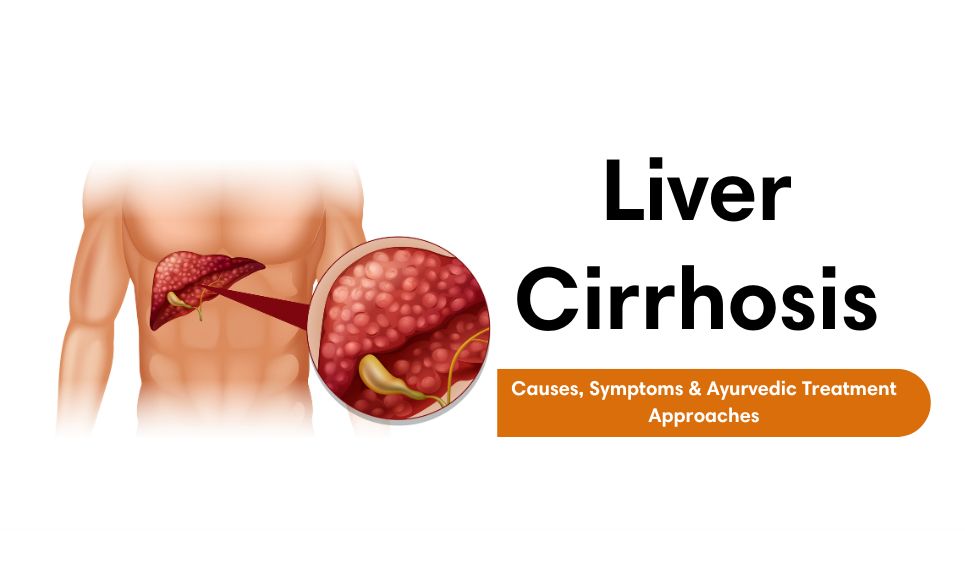
Liver Cirrhosis: Causes, Symptoms & Ayurvedic Treatment Approaches
Liver cirrhosis is a chronic liver condition marked by irreversible scarring of liver tissue, which affects its vital functions. Whether caused by alcohol, viral infections, or metabolic disorders, cirrhosis of the liver can lead to life-threatening complications if not addressed early. While modern medicine offers several liver cirrhosis treatment options, Ayurveda—India’s ancient healing system—also provides holistic approaches to manage liver health and improve quality of life. What Is Liver Cirrhosis? Liver cirrhosis occurs when long-term damage to the liver leads to fibrosis (scarring), reducing blood flow and impairing liver function. The liver becomes unable to filter toxins, process nutrients, or produce proteins essential for blood clotting and digestion. This condition is progressive and, in many cases, irreversible. However, early detection and a combination of conventional and Ayurvedic therapies can help manage the symptoms and slow down disease progression. Causes of Cirrhosis of the Liver The most common causes of liver cirrhosis include: Chronic alcohol abuse Hepatitis B and C infections Non-Alcoholic Fatty Liver Disease (NAFLD) Autoimmune hepatitis Genetic liver diseases like Wilson's disease or hemochromatosis Environmental toxins, prolonged use of certain medications, and unhealthy diet and lifestyle habits may also contribute to liver damage. Symptoms of Liver Cirrhosis In its early stages, cirrhosis of the liver may show no signs. As the disease advances, symptoms may include: Fatigue and weakness Yellowing of the skin and eyes (jaundice) Abdominal swelling (ascites) Itchy skin and easy bruising Nausea or loss of appetite Confusion or difficulty thinking clearly (hepatic encephalopathy) Modern Liver Cirrhosis Treatment Conventional liver cirrhosis treatment focuses on: Addressing the root cause (e.g., antiviral drugs for hepatitis, stopping alcohol use) Slowing disease progression Managing complications like portal hypertension and infections Liver transplantation in end-stage cases Doctors also recommend lifestyle changes such as reduced salt intake, avoiding alcohol, and regular monitoring. Ayurvedic Perspective on Liver Cirrhosis In Ayurveda, liver cirrhosis is often linked to an imbalance in the Pitta dosha, which governs metabolism, digestion, and heat in the body. Liver disorders are broadly categorized under "Yakrit Roga." Key Ayurvedic Concepts Related to Liver Cirrhosis: Pitta aggravation leads to inflammation and overheating in the liver. Ama (toxins) accumulate due to poor digestion, weakening liver function. Improper lifestyle and dietary habits aggravate liver imbalances. Ayurvedic Liver Cirrhosis Treatment Includes: 1. Herbal Remedies Kutki (Picrorhiza kurroa): Supports liver detox and reduces inflammation Bhumyamalaki (Phyllanthus niruri): Effective in hepatitis and liver regeneration Kalmegh (Andrographis paniculata): Anti-inflammatory and hepatoprotective Punarnava (Boerhavia diffusa): Helps reduce fluid retention and ascites 2. Panchakarma Detoxification Cleansing therapies like Virechana (therapeutic purgation) help remove excess Pitta and toxins, rejuvenating liver function. 3. Diet & Lifestyle Adjustments Light, warm, and easily digestible food Avoidance of oily, spicy, and fermented foods Use of turmeric, aloe vera juice, and fresh amla (Indian gooseberry) Regular yoga and breathing exercises (pranayama) 4. Rasayana (Rejuvenation) Therapy These therapies aim to restore liver tissues and strengthen overall immunity using specific Ayurvedic formulations. Preventing Liver Cirrhosis: Ayurvedic Tips Follow a Pitta-pacifying diet: cooling herbs, ghee, and bitter vegetables Detox regularly with herbal teas (e.g., coriander, fennel, cumin) Practice abhyanga (oil massage) and meditation to reduce stress Stay hydrated and maintain a regular eating schedule Avoid alcohol, smoking, and late-night eating Conclusion Liver cirrhosis is a serious but manageable condition when approached holistically. Combining modern liver cirrhosis treatment with Ayurvedic principles can offer a balanced path to recovery. By correcting imbalances, detoxifying the body, and adopting a liver-friendly lifestyle, it is possible to slow disease progression and enhance overall wellness. Whether you’re seeking to prevent cirrhosis of the liver or manage existing symptoms, a blend of medical and Ayurvedic guidance can make a meaningful difference.
Read more
What Are the Worst Foods for Kidney Stones? Avoid These in Your Kidney Stones Diet
Kidney stones have become a common health issue, especially in men aged 30–60. They cause intense pain, urinary discomfort, and, if ignored, may damage kidney function. The good news is: in many cases, they can be prevented through dietary and lifestyle changes. In this blog, we’ll explore the worst foods for kidney stones, how diet affects their formation, and a natural Ayurvedic solution for its management. What Are Kidney Stones? Kidney stones (renal calculi) are hard, crystal-like deposits that form inside your kidneys when minerals and salts accumulate and don’t get flushed out properly. These stones can block the flow of urine and cause intense pain, nausea, or even infections if not managed properly. Top Foods for Kidney Stones to Avoid When it comes to managing or preventing stones, some foods can worsen the condition or trigger stone formation. Let’s break down the main types of stones and their dietary triggers. 1. High-Oxalate Foods Oxalates bind with calcium to form calcium oxalate stones – the most common type. Avoid or limit: Spinach Beetroot Nuts: Almonds, cashews, soy nuts, hazelnuts Cocoa and Dark chocolate Sweet potatoes Black tea Soy protein and soy-based foods (tofu, soy yogurt, 2. Excessive Animal Protein Red meat, organ meat, poultry, and eggs increase uric acid levels, contributing to uric acid stones. Avoid or reduce: Red meat (especially liver, kidney) Shellfish Chicken in excess Eggs (limit to 2–3 per week if prone to stones) 3. Too Much Salt (Sodium) High sodium intake causes the kidneys to excrete more calcium into the urine, increasing stone risk. Avoid: Packaged chips and snacks Instant noodles Pickles Processed cheese Canned soups and sauces 4. Sugary Beverages and Fructose Soft drinks and sugar-sweetened juices are high in fructose, which increases calcium, oxalate, and uric acid in the urine. Avoid: Cola and sodas Energy drinks Bottled fruit juices with added sugar High-fructose corn syrup products 5. Vitamin C Supplements (Excessive Use) Vitamin C (ascorbic acid) can convert to oxalate in the body when consumed in high doses. Avoid: High-dose Vitamin C tablets (>500 mg/day) Unsupervised supplementation What Should a Kidney Stones Diet Look Like? Following a proper kidney stones diet can help dissolve small stones, prevent new ones from forming, and reduce pain. Foods You Should Include: Hydrating fruits: watermelon, muskmelon, oranges Whole grains: brown rice, barley, oats Coconut water: flushes toxins and hydrates Lemon juice: natural citrate prevents stone formation Calcium-rich foods: ragi, sesame seeds, amaranth Lifestyle Tips: Drink 3–3.5 liters of water per day Don't skip meals or hold urine for long periods Avoid overuse of painkillers Practice yoga poses like Pawanmuktasana and Bhujangasana Avoid alcohol and smoking Ayurvedic Perspective on Kidney Stones In Ayurveda, kidney stones are referred to as Ashmari, caused by: Kapha and Vata imbalance urinary system blockages Ama (toxin) accumulation due to poor digestion Excessive intake of dry, spicy, and oily foods Ayurvedic treatment focuses on breaking down the stones, clearing the urinary tract, and balancing the doshas to prevent recurrence. Ayurvedic Herbs for Kidney Stones Punarnava (Boerhavia diffusa)- Helps in reducing fluid retention, Supports liver and kidney health. Gokshura (Tribulus terrestris)- Helps relieve burning sensation during urination, Breaks down small stones and eases urinary discomfort Pashanbheda (Bergenialigulata)- Literally means "stone breaker" in Sanskrit, Effective in dissolving renal calculi and expelling them Natural Ayurvedic Solution: Deep Ayurveda’s Kidney Stone Management Pack If you're looking for a reliable Ayurvedic approach to dissolve and prevent kidney stones, try the Kidney Stone Ayurvedic Management 30 Days Pack by Deep Ayurveda. What’s Included: Renfit Capsules Urocare capsules Punarnavashtak Kwath Livbalya Capsule Herbal formulation Benefits: Dissolves and helps eliminate kidney stones naturally Relieves pain and burning during urination Supports bladder and kidney function Prevents future stone formation Helps in detoxification of Liver and Kidney Why choose Deep Ayurveda ? Ayurvedic Expert Formulated GMP certified USFDA approved 100 % Natural Vegan Final Thoughts Knowing the right and wrong foods for kidney stones is key to managing this painful condition. By cutting down on oxalates, sodium, red meat, and sugary drinks, and following a proper kidney stones diet, you can significantly reduce your risk. For those seeking a natural, side-effect-free remedy, Deep Ayurveda’s Kidney Stone Management Pack offers a time-tested herbal solution to not just treat the stones but support total urinary wellness.
Read more
Kumkumadi Tailam Benefits for Face, Pigmentation & Dark Spots
In today’s fast-paced lifestyle, many women face common skin issues such as pigmentation, dark spots, uneven skin tone, acne scars, and dullness. These concerns are often worsened by sun exposure, pollution, hormonal imbalances, and stress. Kumkumadi Tailam, a classical Ayurvedic formulation, offers a natural and effective solution for these skin problems. What is Kumkumadi Tailam? Kumkumadi Tailam is a classical Ayurvedic formulation traditionally used for enhancing skin complexion, reducing pigmentation, and promoting youthful, radiant skin. It is mentioned in Ayurvedic texts like "Ashtanga Hridaya" and "Bhaishajya Ratnavali" under the "Kshudra Roga" or "Mukha Roga" (minor skin diseases or facial disorders) treatment. "कुङ्कुमादि तैलं वर्ण्यं त्वग्दोषहराय च।" Bhaishajya Ratnavali – Chapter: Mukha Rogadhikara Kumkumadi oil improves complexion and helps in treating skin disorders. ✅ Classical Ingredients of Kumkumadi Tailam (कुङ्कुमादि तैलम्) No. Sanskrit Name Botanical/English Name Function 1 Kumkuma Saffron (Crocus sativus) Complexion enhancer 2 Laksha Lac (Laccifer lacca) Skin healing 3 Manjistha Indian Madder (Rubia cordifolia) Blood purifier 4 Chandana Sandalwood (Santalum album) Cooling, complexion 5 Padmaka Wild Himalayan Cherry (Prunus cerasoides) Glow and texture 6 Ushira Vetiver (Vetiveria zizanioides) Soothing 7 Madhuyashti Licorice (Glycyrrhiza glabra) Brightening 8 Sariva Anantmool (Hemidesmus indicus) Detoxifier 9 Nyagrodha Banyan (Ficus benghalensis) Skin repair 10 Udumbara Cluster Fig (Ficus racemosa) Skin healing 11 Ashvattha Peepal (Ficus religiosa) Skin toner 12 Plaksha Wavy-leaved fig (Ficus lacor) Cleanser 13 Kamala kesara Lotus Stamen (Nelumbo nucifera) Glow enhancer 14 Neelotpala Blue Lotus (Nymphaea stellata) Cooling 15 Patanga Sappan wood (Caesalpinia sappan) Complexion support 16 Kaliya Indian Indigo (Indigofera tinctoria) Skin support 17 Daruharidra Tree Turmeric (Berberis aristata) Anti-pigmentation 18 Yashtimadhu Licorice (Glycyrrhiza glabra) Soothing 19 Dashamoola Ten Roots Group Anti-inflammatory 20 Go dugdha Cow’s Milk Skin nourishment 21 Aja Dugdha Goat’s Milk Moisturizing, softening 22 Til Taila Sesame Oil (Sesamum indicum) Base oil 23 Siddhartha Taila Synonym of Sesame Oil Nourishing 24 Kamalakshara Lotus Alkali Skin clarifying 25 Shweta Chandana White Sandalwood Skin cooling 26 Rakta Chandana Red Sandalwood Skin brightening 27 Nagkesar Ceylon Ironwood (Mesua ferrea) Astringent 28 Kasturi (optional) Musk (Traditionally used, now replaced by plant-based alternatives) Fragrance 29 Haridra Turmeric (Curcuma longa) Antibacterial 30 Kumari Aloe vera Juice Skin healing (used in modern variants) Benefits of Kumkumadi Tailam 1. Reduces Pigmentation and Dark Spots 2. Brightens the Complexion 3. Fights Signs of Aging 4. Improves Skin Texture 5. Treats Acne Scars and Blemishes 6. Hydrates and Nourishes How to Use Kumkumadi Tailam for Best Results Night Application: Cleanse your face, take 2–3 drops of oil, and gently massage it into your skin. Leave overnight and wash off in the morning. Importance of kesar(kumkum) in Kumkumadi tailam "कुङ्कुमं वर्न्यं..." Bhaishajya Ratnavali – Mukha Roga Chikitsa: (Kumkuma is Varnya – complexion-enhancing) In Kumkumadi Tailam, saffron is the primary "Varnya Dravya" used for: Enhancing complexion Reducing pigmentation Giving a radiant glow to the skin Conclusion Kumkumadi Tailam is a treasured gift from Ayurveda that offers a natural, holistic solution to pigmentation, dark spots, and dull skin. With consistent use and the right skincare routine, it can restore your skin’s youthful glow and even tone — the Ayurvedic way.Kumkumadi tail can be positioned as a luxurious Ayurvedic skincare formulation designed for daily facial application—especially for concerns like pigmentation, dark spots, uneven skin tone, dullness, and aging.
Read more
5 Powerful Ayurvedic Remedies for Diabetes: Natural Blood Sugar Control
Managing diabetes naturally has gained popularity in recent years, and Ayurveda—India’s ancient system of medicine—offers time-tested solutions. With the rise in lifestyle-related disorders like type 2 diabetes, many are turning to Ayurvedic remedies for diabetes to stabilize blood sugar and improve overall well-being. In this blog, we’ll explore 5 effective Ayurvedic remedies for diabetes that are easy to incorporate into your daily routine. These remedies focus on balancing your body's doshas, especially Kapha and Vata, which are often linked to diabetes in Ayurveda. 1. Bitter Gourd (Karela Juice) One of the most effective natural diabetes treatments, Karela (Bitter Gourd) is known for its blood sugar-lowering properties. It contains polypeptide-p, a compound that mimics insulin and helps regulate glucose levels naturally. How to use: Drink 30–50 ml of fresh karela juice on an empty stomach every morning. Combine with a pinch of turmeric for enhanced benefits. 2. Fenugreek Seeds (Methi Dana) Rich in soluble fiber, fenugreek seeds help slow down carbohydrate digestion and sugar absorption, promoting better blood sugar control in Ayurveda. How to use: Soak 1 tablespoon of fenugreek seeds overnight in water. Drink the water and chew the seeds in the morning. 3. Amla (Indian Gooseberry) Packed with vitamin C and powerful antioxidants, amla is a rejuvenating fruit that helps strengthen the pancreas and regulate insulin production. How to use: Mix 1 teaspoon of Amla juice with ½ teaspoon of turmeric and consume daily. You can also take it in powdered form or as a part of Triphala churna. 4. Gudmar (Gymnema Sylvestre) Also known as the “sugar destroyer,” Gudmar helps reduce sugar cravings and regenerates pancreatic cells. It’s a staple in many Ayurvedic formulations for type 2 diabetes treatment. How to use: Take 300–400 mg of Gudmar extract daily after meals (consult an Ayurvedic practitioner for dosage). It’s also available in capsule or powder form. 5. Neem Leaves Known for its detoxifying and blood-purifying qualities, neem helps in reducing insulin resistance and supports natural blood sugar balance. How to use: Chew 4–5 fresh neem leaves every morning. Alternatively, neem powder or neem juice can be taken as supplements. Neem is often recommended in Ayurveda for blood sugar control, especially in combination with other herbs like turmeric and amla. Final Thoughts Ayurveda offers a holistic and sustainable approach to diabetes management by addressing the root cause and not just the symptoms. Along with these Ayurvedic remedies for diabetes, maintaining a balanced diet, regular exercise, stress management, and proper sleep are crucial for long-term wellness. If you're considering natural diabetes treatment, always consult with a qualified Ayurvedic practitioner to ensure the remedies are personalized and safe for your body type.
Read more
High Blood Pressure and Cholesterol in Men: 10 Warning Signs You Shouldn’t Ignore
High blood pressure and cholesterol often go unnoticed but can silently damage the heart, brain, and kidneys. This blog explores 10 warning signs every man should know and offers natural solutions through Ayurvedic herbs, diet, and lifestyle changes. Learn how products like Da Cardion by Deep Ayurveda can support your heart health safely and effectively.
Read more
Understanding Pregnancy-Related Disorders: A Complete Guide for Expecting Mothers
Pregnancy is a beautiful and transformative phase in a woman’s life, marked by the development of a new life within her womb. During this period, the mother’s body undergoes significant adaptations to support the growth and nourishment of the fetus. Hormonal changes and increased physiological demands during pregnancy can lead to Disorders such as gestational diabetes, preeclampsia, anemia, hyperemesis gravidarum (excessive vomiting), urinary tract infections, and placenta previa. With its individualized and preventive care approach, Ayurveda helps in minimizing complications and promoting a safe and healthy pregnancy. Common Pregnancy-Related Disorders Morning Sickness (Hyperemesis Gravidarum)-A common symptom experienced by many women during the first trimester in which female feels nausea mostly during morning. It is usually caused by hormonal changes, particularly the rise in human chorionic gonadotropin (hCG) and estrogen levels. Gestational Diabetes- It is a Pregnancy-Related Metabolic Disorder. Gestational diabetes mellitus (GDM) is a type of diabetes that develops during pregnancy, typically in the second or third trimester. It is characterized by elevated blood glucose levels due to insulin resistance caused by hormonal changes. Pre-eclampsia and Eclampsia-It is also known as gestational hypertension, is a condition characterized by elevated blood pressure (≥140/90 mmHg) that develops after the 20th week of pregnancy in women . Anemia in Pregnancy- It is characterized by a reduced number of healthy red blood cells, leading to decreased oxygen delivery to the body’s tissues. Common symptoms include fatigue, weakness, pale skin, shortness of breath, and dizziness. If left untreated, anemia can increase the risk of preterm birth, low birth weight, and postpartum complications. Urinary Tract Infections (UTIs)-Urinary Tract Infections (UTIs) are common during pregnancy due to hormonal changes and the pressure of the growing uterus on the bladder. Thyroid Imbalances-Thyroid imbalance during pregnancy is mainly due to the increased hormonal and metabolic demands placed on the mother’s body Placenta Previa-Placenta previa is a condition where the placenta partially or completely covers the cervix, the opening of the uterus. This abnormal positioning can lead to painless vaginal bleeding, especially in the second or third trimester, and poses risks during delivery as the placenta may block the baby’s exit path. It can result in complications such as preterm birth, placental abruption, or excessive bleeding during labor, necessitating a cesarean delivery in most cases. Garbhini Vikar-Ayurveda View "गर्भिणी व्यापारो नाम ते रोगाः ये गर्भिण्यां जायन्ते।" Those disorders that occur specifically in a pregnant woman are termed Garbhini Vyapada). 1)Garbhini Chardi(Hyperemesis Gravidarum) Garbhini Chardi refers to nausea and vomiting experienced by a pregnant woman, commonly occurring during the first trimester. In Ayurveda, this is symptom due to dosha imbalance, primarily Pitta and Vata, during the early stages of pregnancy. Ayurvedic management- Ela (Cardamom) – Soothes nausea Lavanga (Clove) – Anti-emetic Draksha (Raisins) soaked in water overnight Kamdugha Ras with Mukta Sutshekhar Ras Draksha Avaleh Dadimadhya ghrit Madiphala Rasayana 2)Garbhhini Pandu(Anemia during Pregnancy) Garbhini Pandu refers to anemia occurring during pregnancy, as explained in Ayurveda. It is considered a pregnancy-related disorder (Garbhini Vyapad) caused by the vitiation of Pitta dosha along with Rasa and Rakta Dhatu kshaya (deficiency of plasma and blood tissues). This condition leads to reduced Ojas, weakness in the mother, and improper fetal nourishment. Ayurvedic Management- Punarnavadi mandoor Dhatri loh Tapyadi loh Navayas loh Dadimadhya ghrit 3)Kikkish(Stretch Marks During Pregnancy Kikkisa are thin, reddish-black or bluish streaks appearing on the abdomen and breasts during pregnancy. Ayurveda Managment- Lepam of manjistha and mrinal chandan Churn of shirish ,dhatki,sarshap Oil abhyang with kumkumadi tail 4)Garbhini Madhumeha In Ayurveda, it is understood under the broader spectrum of “Prameha”, and during pregnancy, it's specifically referred to as “Garbhinī Madhumeha”—a condition arising due to the imbalance of Kapha dosha, associated with metabolic disturbances and Rasa-Rakta Dhatu dushti (impairment of bodily fluids and blood). Herbs for managing gestational madhumeh- Nishaamlaki Gudmar (Gymnema sylvestre) – Reduces sugar absorption Methi (Fenugreek) – Enhances insulin sensitivity Amalaki (Emblica officinalis) – Rasayana and antioxidant Neem, Haridra (Turmeric) – Bitter herbs to pacify Kapha 5)Placenta Previa -Ayurveda View Although the term placenta previa is not directly mentioned in classical Ayurvedic texts, it can be functionally correlated with Apanavayu dushti – Vitiation of Apana Vata, which governs downward movement and pregnancy maintenance. It can also be correlated to Garbhasrava (गर्भस्रव) – Threatened miscarriage Garbhapata (गर्भपात) – Abortion Raktayoni (रक्तयोनि) – Vaginal bleeding Ayurveda sees such bleeding conditions as arising due to vitiation of Rakta (blood) and Pitta dosha, often along with Apana Vata disturbance. Ayueveda Management- Strict rest: Complete bed rest is recommended. Avoid travel, heavy lifting, or stress. Left lateral position for sleeping is preferred to increase uterine blood flow. Light, digestible, and nourishing foods to strengthen rasa and rakta dhatu should be taken Including Milk, ghee, dates, coconut water, Shatavari Ksheerapaka which strengthens uterus and nourishes fetus. 6)Eclampsia-Garbhini Soth In Ayurveda it can be correlated with garbhini soth due to vitiation of kaph dosh wiith symptoms like Swelling in ankles, legs, or face ,Feeling of heaviness or tightness,Fatigue or dullness. Ayurvedic Management-Foot massage with medicated oils like Dashamoola Taila-Lie down on a firm surface (like a yoga mat or bed).Use a soft pillow or folded towel under your legs.Elevate your legs so that ankles are 6–12 inches above the level of the heart. Garbhini Paricharya Garbhini Paricharya refers to the Ayurvedic antenatal care regimen—a structured monthly diet, lifestyle, and herbal guidance provided to a pregnant woman to ensure the health of the mother and the proper growth of the fetus. Objectives of Garbhini Paricharya: Maintain maternal health Ensure proper growth of the fetus Prevent pregnancy-related complications Prepare the mother for normal labor Month-Wise Garbhini Paricharya Month Dietary Recommendations Medications (if needed) 1st Month Milk with small amounts of ghee; light, liquid food Siddha Ghrita, cold milk 2nd Month Milk with herbs like Shatavari or Vidari Shatavari Ghrita 3rd Month Milk with rice gruel (Yavagu), sweet and nourishing foods Sukumara Ghrita 4th Month Butter, milk with medicated gruel; fetal organ development stage Phalaghrita, Kalyanaka Ghrita 5th Month Ghee with rice, milk; light, cooling, nutritious diet Brahmi Ghrita 6th Month Start snigdha & brimhani (nourishing) food; more ghee & milk Ashwagandhadi Lehyam 7th Month Sweet liquids, medicated ghee, avoid exertion Begin Yoni Pichu with Bala Taila 8th Month Rice gruel with ghee, use of oil massage (Abhyanga) Yoni Pichu, Mridu Basti if required 9th Month Light but strengthening diet, oil massage, swedana Yoni Abhyanga, Basti, Sukha Prasava Yoga (easy delivery decoctions) Conclusion- By focusing on dosha balance, proper diet (ahara), lifestyle (vihara), and monthly antenatal care (Garbhinī Paricharyā), Ayurveda not only addresses the root cause of complications but also promotes the health and well-being of both mother and fetus.
Read more