

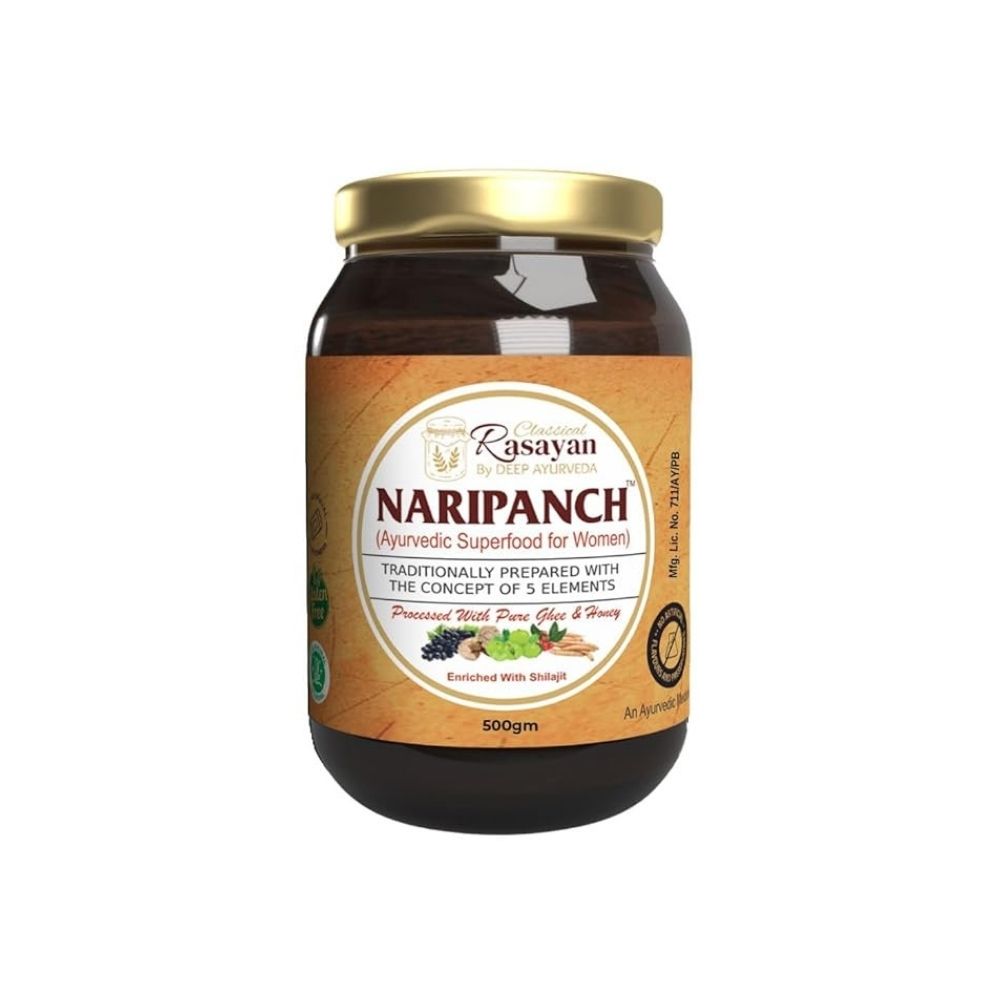
Deep Ayurveda NariPanch Ayurvedic Pcos Medicine
✅ 100% Organic & Chemical-Free ✅ Hormonal Balance ✅ Improves Menstrual Cycle ✅ Reduces Ovarian Cysts ✅ Supports Weight Management ✅ Enhances Fertility
Polycystic Ovary Syndrome (PCOS) is now one the most common hormonal disorder for women affecting women of reproductive age. PCOS symptoms include irregular menstrual cycles, weight gain, acne, and hormonal imbalance : PCOS can affect a woman's physical and emotional well-being in many ways.
Though modern medicine does provide treatment for some of the symptoms of PCOS, many women are turning toward Ayurveda for a more holistic and long-term solution. Ayurvedic approaches focus on root-cause healing to bring the body back into balance instead of focusing only on addressing the symptoms of PCOS.
Understanding PCOS in Ayurveda

Ayurveda looks at PCOS primarily as a disorder of metabolism as well as of hormones that are dominated by the kapha and vata doshas. When ma accumulates within the body to such an extent that it obstructs or interferes with the rasa, rakta, and artava, the symptoms that arise are those associated with PCOS, such as irregular menstrual cycles, cyst formation, and metabolic abnormalities.
While conventional medicine traditionally manages PCOS through the use of standard forms of hormone replacement therapy, Ayurvedic practitioners believe that each individual is unique; thus there is a need for a tailored treatment plan based on their individual prakriti as well as their current state of imbalance.
Top Ayurvedic Medicines for PCOS That Actually Work
Ashwagandha
Ashwagandha is an adaptogen listed in many forms in the Ayurvedic tradition and it can help individuals cope with stress. Therefore, ashwagandha is a medicine that can help relieve physiological symptoms created by stress when used consistently. Ashwagandha also lowers cortisol levels – the hormone produced in response to stress. Cortisol interrupts the normal timing of ovulating as well as contributes to fatigue and weight gain in women.
Hence, using ashwagandha on a regular basis gives some women a stable reproductive system. Also, ashwagandha is popular for enhancing healthy functioning of the thyroid; providing emotional stability; and improving quality of sleep, all critical for improving the health of any woman dealing with PCOS.
Shatavari
Shatavari has often referred as the "queen of herbs" for female reproductive health and is recognized as a tonic that nourishes the body as well as restoring balance to estrogen and supporting normal ovulation cycles. One very practical use of Shatavari with regard to the unpredictability of PCOS is that it is effective at regulating abnormal menstrual cycles without the use of hormones.
Additionally, due to its antispasmodic and anti-inflammatory properties, Shatavari helps to relieve symptoms that typically accompany the menstrual cycle such as PMS, bloating, and hot flashes, ensuring a more comfortable transition through your monthly cycle.
Triphala
A good digestion is necessary for health in the Ayurvedic tradition because when your body digests well, it is able to rid itself of toxins much more easily. Triphala works as a combination of three powerful fruits that work together to help cleanse out the digestive system and build healthy Agni (digestive fire) which is foundational for hormonal stability.
While Triphala is known for assisting with detoxification, it is perceived as an important herb to support good metabolism, aiding in sustainable weight management and help people with insulin resistance.
Turmeric/Curcumin
Chronic inflammation is very common in people with PCOS that can complicate symptoms and hinder recovery. Turmeric is commonly known to have powerful anti-inflammatory effects due to the compound curcumin found within, and helps reduce the number of ovarian cysts and helps to maintain metabolic health. Regular use of turmeric/curcumin will reduce inflammatory markers in the body and help regulate hormones increase the strength of the immune system, and improve skin health.
Cinnamon
Cinnamon is of major benefit to those suffering from insulin resistance who have polycystic ovarian syndrome (PCOS), as it can help restore normal ovulatory function. It does this by improving the insulin sensitivity of cells in the body and supporting the maintenance of stable glucose levels, which is a necessary step for restoring regular ovulation and reversing related symptoms. Cinnamon can help to reduce your craving for sweets and help you maintain a balanced metabolism, which promotes healthy body weight and long-term endocrine health.
Guduchi
Revered in Ayurveda as the "Amrita" or the "divine nectar", Guduchi is one of the most powerful herbs for treating PCOS. It not only helps reducing chronic inflammation but also enhances insulin resistance. It also helps detoxify the liver, reduce oxidative stress, and balance metabolism. In addition, by calming the body and promoting hormonal balance, Guduchi aids in regular menstrual cycles, thus helping to maintain reproductive health over time.
PCOS: Ayurvedic Lifestyle tips for better results
To treat PCOS with Ayurveda, you will have to make lifestyle changes in addition to taking Ayurvedic medicines to restore your body's natural balance. PCOS is often caused by too much stress, which can lead to poor digestion, so making these adjustments to your lifestyle will not only help you feel better, but will help keep you hormonally healthy.
1. Eat freshly prepared food: it is always recommended that you consume only freshly prepared, warm, home-cooked meals. Cold, raw, and pre-packaged meals are difficult for your body to properly digest and absorb nutrient-rich foods; therefore, can create additional toxins which can worsen the symptoms of PCOS.
2. Keep a routine: Having a regular schedule is must for your body's overall health. Try to eat your meals at relatively the same time each day, making sure to have your last meal by early evening. This will allow for your body to rest for an extensive amount of time while your digestive system gets repaired throughout the night and continue to balance hormones.
3. Stay Active: You do not need to do high intensity workouts to maintain a healthy reproductive system. You must have a active routine while doing yoga. You can walk in the evening to increase your metabolism without overworking your body, while decreasing stress.
4. Take enough rest: PCOS can be triggered by high levels of stress, so keep away from stress and take a good sleep which helps in regulation of stress hormones.
Is Ayurvedic medicines for PCOS safe to use?
There are many ways to manage PCOS through the use of Ayurvedic medicine. However, before trying any of these methods, it is important to consult a qualified practitioner because there can be safety concerns with self-medication. This is particularly true because Ayurvedic medicine is typically customized for each person, so the practitioner will have a custom formulation made specifically for you based on your body's characteristics, current symptoms, and other existing conditions. This will help to minimize risks associated with using the wrong product and maximize benefits from using the right product.
Final Words
Ayurvedic medicine is an approach to returning your body's functioning to its original state. This can be done via internal mechanisms, such as better caring for your organs like your digestive system, lowering stress, and consuming nutritious, cooked foods. The natural hormones produced from this effort will take an extended period to restore.
These natural herbs and daily habits by maintaining consistency and seeking assistance from a qualified Ayurvedic practitioner who understands understands your unique needs. Remember that by small, simple changes (sleeping well and staying active) make a big difference. Treat it as having a partnership with your body, having patience with yourself through this journey, and working with a qualified doctor to ensure that your path to health and wellness is safe and effective.
Frequently Asked Questions
Can PCOS be cured permanently by Ayurveda ?
Ayurveda involves managing as well as reversing a condition's symptoms, while also looking for the root causes. The results will vary from woman to woman, but most women will see a significant improvement over an extended period of time.
What's the best Ayurvedic treatment for PCOS?
There is not a single cure for PCOS. However, a combination of Ashwagandha, Shatavari, and other medicine is a well-known starting point for treating PCOS using Ayurveda.
Do I have to follow a special diet to manage PCOS by Ayurveda?
Ayurveda's highlights a diet that supports Agni (digestive fire) which means you should eat eating warm, freshly home cooked meals and avoid cold, processed, or high-sugar foods.
Are these Ayurvedic medicines safe to take with other medicines?
You must consult your medical doctor and your Ayurvedic practitioner as some herbs can interact with conventional medicines.
References:
- https://pmc.ncbi.nlm.nih.gov/articles/PMC11805180/
- https://polycareherbals.com/top-5-ayurvedic-herbs-for-pcos-and-hormonal-imbalance
- https://gynoveda.com/blogs/pcos-pcod/pcos-treatment-in-ayurveda-a-complete-guide/
- https://www.healthline.com/health/womens-health/ayurvedic-treatment-for-pcos
- https://www.lybrate.com/topic/pcod-how-ayurveda-is-beneficial-for-you/4f13abbcb7f57c08220ac59d2e903c90


1 Comment
I would also recommend Bonduc Nut for being a relief for PCOS. It is an ayurvedic medicine which is a useful. I got it from Vanan Herbal in the form of capsules.