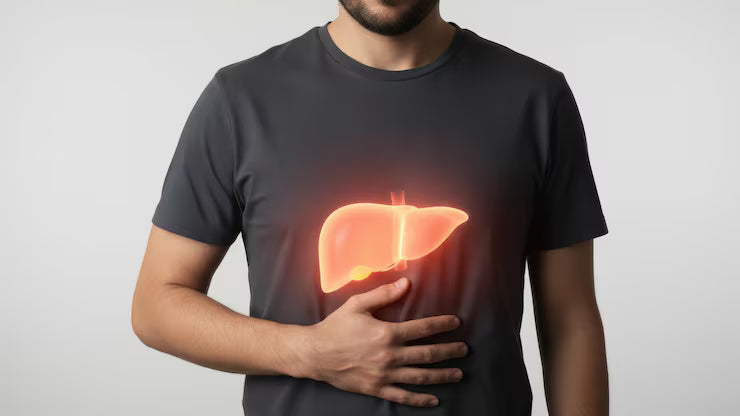
If you are searching for the best Ayurvedic medicine for liver health, it is important to understand that there is no single herb or formulation that works for every individual. In Ayurveda, liver care is personalized based on the root cause, digestive strength (Agni), dosha imbalance, lifestyle habits, and overall health condition. Some of the most commonly used Ayurvedic herbs for supporting liver health include Bhumyamalaki, Kalmegh, Kutki, Punarnava, Amla, Bhringraj, and Guduchi. However, the most suitable option depends on the individual’s health condition and should ideally be selected under the guidance of a qualified Ayurvedic practitioner.
Introduction
One of the most common questions patients ask in my clinic is Doctor, which is the best Ayurvedic medicine for liver health?
The answer is not as straightforward as naming a single herb or liver tonic.
In modern life, the liver silently faces constant challenges. Processed foods, excessive sugar intake, alcohol consumption, irregular eating patterns, lack of physical activity, stress, and poor sleep can gradually affect liver function. Interestingly, many people do not realize that the liver is under stress until routine blood tests reveal elevated liver enzymes or an ultrasound reports fatty liver changes.
As an Ayurvedic doctor, I often observe that patients focus only on finding the best medicine while overlooking the factors that created the problem in the first place. Ayurveda takes a different approach. Instead of simply targeting symptoms, it focuses on restoring digestive balance, improving metabolism, reducing toxin accumulation (Ama), and supporting the body's natural healing mechanisms.
In this comprehensive guide, I will explain:
- How Ayurveda views liver health
- The most commonly used Ayurvedic herbs for liver support
- Which herbs may be suitable for different conditions
- Dietary and lifestyle recommendations
- Important precautions and safety considerations
- Practical insights from clinical experience
By the end of this article, you will have a much clearer understanding of how Ayurveda approaches liver wellness and why personalized treatment often delivers better results than relying on a single miracle remedy.
Why Liver Health Matters More Than Most People Think
The liver is one of the most important organs in the human body. It performs hundreds of vital functions every day, many of which happen silently without our awareness.
Metabolism of Fats, Proteins, and Carbohydrates
Everything we eat eventually passes through the liver for processing. The liver helps convert nutrients into usable energy and plays a key role in maintaining a healthy metabolism.
Processing Nutrients Absorbed from Food
After digestion, nutrients absorbed from the intestines are transported to the liver. The liver helps process, store, and distribute these nutrients according to the body's needs.
Supporting Digestion and Bile Production
The liver produces bile, a digestive fluid that helps break down fats and supports the absorption of fat-soluble vitamins. Healthy bile production is essential for smooth digestion.
Maintaining Energy Balance
The liver acts as the body's energy reserve. It stores glucose in the form of glycogen and releases it when the body needs energy between meals or during physical activity.
Hormone Metabolism
Many hormones are processed and regulated through the liver. When liver function becomes sluggish, hormonal balance may also be affected over time.
Filtering Waste Products from the Bloodstream
One of the liver's most important jobs is filtering unwanted substances and metabolic waste from the blood. This natural cleansing process helps maintain overall health.
Supporting Immune Function
The liver works closely with the immune system and helps the body respond to infections, inflammation, and various environmental challenges.
When liver function becomes compromised, the symptoms are often subtle and can easily be mistaken for everyday health issues. Many people do not experience obvious warning signs until the condition has already progressed.
Some common signs that may indicate liver stress include persistent fatigue, digestive discomfort, bloating after meals, loss of appetite, frequent acidity, unexplained weight gain, reduced energy levels, and a general feeling of heaviness in the body.
In my clinical practice, I often meet patients who initially seek treatment for digestive complaints, low energy, or difficulty managing their weight. Only after reviewing their blood reports or ultrasound findings do they discover that their liver health may be contributing to these concerns.
This is why maintaining liver health should not be viewed only as a response to disease. Supporting the liver through a balanced diet, healthy lifestyle habits, and appropriate Ayurvedic guidance can play an important role in overall well-being and long-term health.
Understanding Liver Health Through the Lens of Ayurveda
In Ayurveda, the liver is known as Yakrit and is closely associated with Ranjaka Pitta, a subtype of Pitta Dosha that plays an important role in blood formation, metabolism, and various transformation processes within the body.
Ayurveda teaches that good health begins with a strong digestive fire, known as Agni. When Agni functions efficiently, the body is able to digest food properly, absorb nutrients, and eliminate waste products effectively. However, unhealthy eating habits, overeating, excessive consumption of processed foods, stress, and irregular meal timings can gradually weaken digestive function.
When digestion becomes inefficient, Ayurveda describes the formation of Ama, a toxic metabolic residue that results from incomplete digestion. Over time, the accumulation of Ama may interfere with normal metabolic processes and contribute to various health concerns, including sluggish digestion, weight gain, fatigue, and imbalances that can affect liver function.
From an Ayurvedic perspective, liver health is closely connected with the overall functioning of the digestive system. When digestion remains strong and balanced, the liver is better able to perform its natural metabolic functions. On the other hand, chronic digestive disturbances can place additional strain on the body's internal systems.
Gut health also plays an important role in maintaining a healthy liver. Ayurveda recognizes that impaired digestion and the accumulation of metabolic waste can influence multiple organs, including Yakrit (the liver).
Dietary habits are another major factor. Frequent consumption of fried foods, excessive sugar, processed meals, and irregular eating patterns can disturb the balance of Pitta and weaken digestive efficiency over time.
Sleep quality is equally important. In clinical practice, I often observe that individuals with poor sleep habits frequently experience digestive discomfort, low energy levels, and metabolic imbalances that may indirectly affect liver health.
Stress is another commonly overlooked factor. Long-term mental stress can influence appetite, digestion, hormonal balance, and overall metabolic function, making it more difficult for the body to maintain internal equilibrium.
Finally, daily lifestyle choices such as physical activity, meal timing, hydration, and routine play a significant role in supporting healthy liver function. Ayurveda emphasizes that sustainable liver wellness comes not only from herbs but also from consistent lifestyle practices that support the body's natural healing mechanisms.
This holistic understanding is one of the reasons why Ayurvedic management of liver health focuses on both herbal support and meaningful lifestyle correction rather than relying solely on a single medicine.
What Causes Liver Imbalance According to Ayurveda?
Several factors can contribute to liver stress and metabolic imbalance.
1. Excessive Consumption of Oily and Fried Foods
Heavy, greasy foods may burden digestion and contribute to the accumulation of Ama.
2. High Sugar Intake
Excessive sugar consumption has become increasingly common and may negatively affect metabolic health when consumed regularly.
3. Irregular Meal Timing
Skipping meals, overeating, or eating late at night can disturb digestive rhythms and weaken Agni.
4. Sedentary Lifestyle
Physical inactivity can negatively impact metabolism and overall digestive efficiency.
5. Excessive Alcohol Consumption
Frequent alcohol intake may place additional stress on liver function.
6. Chronic Stress
Mental stress can influence digestion, appetite regulation, sleep quality, and overall metabolic health.
My Clinical Observation as an Ayurvedic Doctor
In my clinical practice at Deep Ayurveda, one pattern appears repeatedly among individuals seeking liver support.
Many patients diagnosed with Grade 1 or Grade 2 fatty liver are more troubled by symptoms such as bloating, heaviness after meals, low energy, and poor digestion than by the ultrasound findings themselves.
What I often observe is that meaningful improvements begin when three factors are addressed together:
- Digestive correction
- Dietary discipline
- Appropriate Ayurvedic herbal support
This highlights an important Ayurvedic principle: improving the body's internal environment is often just as important as selecting the right herb.
The most successful outcomes typically come from a combination of personalized herbal guidance, dietary modifications, regular physical activity, and long-term lifestyle changes rather than relying on a single supplement alone.
Best Ayurvedic Medicines for Liver Health
One of the biggest misconceptions about liver health is that a single herb can solve every liver-related concern. In reality, Ayurveda recommends selecting herbs based on an individual's constitution, digestive strength, symptoms, and underlying imbalance.
Below are some of the most respected Ayurvedic herbs traditionally used to support liver function and metabolic health.
1. Bhumyamalaki (Bhumi Amla): The Most Researched Herb for Liver Support
Among all Ayurvedic herbs used for liver wellness, Bhumyamalaki holds a special place.
Traditionally, Ayurvedic practitioners have used this herb to support healthy liver function, promote digestive balance, and maintain overall metabolic health.
Why Ayurvedic Doctors Often Recommend Bhumyamalaki
In Ayurveda, Bhumyamalaki is appreciated for its Tikta (bitter) taste and its ability to support Pitta balance. Because of its light nature and traditional association with healthy liver function, it has been used for centuries in Ayurvedic practice as part of a holistic approach to liver care and metabolic wellness.
Who May Benefit?
Ayurvedic practitioners may consider Bhumyamalaki when an individual experiences symptoms such as sluggish digestion, a feeling of heaviness after meals, reduced appetite, or metabolic imbalances that are often associated with poor digestive efficiency. It is also one of the herbs commonly discussed in Ayurvedic approaches to supporting individuals with fatty liver tendencies and elevated liver enzyme concerns.
In my clinical practice, I have observed that patients with mild fatty liver and long-standing digestive sluggishness often achieve better outcomes when Bhumyamalaki is incorporated into a broader lifestyle plan rather than being relied upon as a standalone remedy.
One common mistake many people make is focusing entirely on herbal supplements while continuing habits that contribute to liver stress, such as frequent consumption of processed foods, sugary beverages, irregular meal timings, and a sedentary lifestyle. In such situations, even the most respected Ayurvedic herb may deliver limited benefits.
What I consistently notice is that when Bhumyamalaki is combined with dietary improvements, better meal timing, regular physical activity, and measures to strengthen digestive function (Agni), patients often report improvements in digestion, appetite, and overall well-being over time.
This reflects a core Ayurvedic principle: herbs work most effectively when the underlying causes of imbalance are addressed alongside the treatment strategy.
2. Kalmegh
Kalmegh is often called one of Ayurveda's most intensely bitter herbs. Although its taste may not be pleasant, its therapeutic value has earned tremendous respect among Ayurvedic physicians.
Ayurvedic Properties
In Ayurveda, Kalmegh is primarily known for its intensely bitter (Tikta) taste and its ability to help balance aggravated Pitta. Ayurvedic practitioners have traditionally used this herb to support healthy digestion, maintain metabolic balance, and promote overall liver wellness.
Potential Benefits
For generations, Kalmegh has been included in Ayurvedic formulations that aim to support digestive efficiency and healthy appetite. It is also valued for its role in maintaining normal liver function and supporting the body's natural cleansing processes. Because of its bitter nature, Kalmegh is often considered when digestive sluggishness and metabolic imbalance are present together.
In my clinical experience, many individuals seeking support for liver health also report symptoms such as poor appetite, digestive heaviness after meals, bloating, and a persistently coated tongue. According to Ayurveda, these signs may indicate the accumulation of Ama, or improperly digested metabolic waste.
In such situations, Kalmegh is often considered as part of a broader Ayurvedic approach that focuses on improving digestion and restoring metabolic balance. However, like any Ayurvedic herb, its use should be individualized based on the person's constitution, symptoms, and overall health condition rather than used as a one-size-fits-all solution.
3. Kutki
Kutki is one of the most highly regarded liver-supportive herbs described in Ayurvedic texts.
Many experienced Ayurvedic practitioners consider it one of the most valuable herbs when digestive weakness and liver sluggishness occur together.
Why Kutki Is Unique
Unlike many herbs that primarily focus on digestion, Kutki offers a dual benefit by supporting both digestive fire (Agni) and healthy liver function. This unique combination makes it particularly valuable when impaired digestion and metabolic imbalance are present simultaneously.
Traditionally Used For
In Ayurveda, Kutki has traditionally been used to support individuals experiencing digestive sluggishness and weakened metabolic function. It is also valued for its role in maintaining healthy fat metabolism and helping to balance aggravated Pitta dosha, which is closely associated with liver function.
4. Punarnava
The name Punarnava literally means renewal or becoming new again.
This herb has been widely used in Ayurveda for supporting fluid balance and healthy metabolism.
Traditional Benefits
In Ayurveda, Punarnava is traditionally valued for its role in supporting healthy metabolism and maintaining the body's natural fluid balance. Ayurvedic practitioners have also used this herb to promote digestive wellness and support overall vitality, particularly in individuals who experience feelings of heaviness or sluggishness.
When Ayurvedic Doctors Consider Punarnava
Ayurvedic doctors may consider Punarnava when an individual frequently experiences heaviness in the body, signs of water retention, sluggish digestion, or reduced energy levels. These patterns are often viewed as indicators of underlying metabolic imbalance that may benefit from a broader Ayurvedic approach.
5. Amla: Daily Protection for Liver and Overall Health
Amla is one of Ayurveda's most celebrated Rasayana herbs. Unlike herbs that are mainly used during specific imbalances, Amla is often recommended as part of a long-term wellness strategy.
Why Amla Is So Popular
Amla is naturally rich in antioxidants and Vitamin C, making it one of the most valued fruits in Ayurveda for supporting overall health and vitality. Its rejuvenating properties have earned it a special place in traditional Ayurvedic practice, where it has been used for centuries to promote balance and well-being.
Ayurvedic Benefits
According to Ayurvedic principles, Amla helps support healthy digestion, contributes to Pitta balance, and promotes efficient metabolism. Because of its nourishing and rejuvenating nature, it is often included in daily wellness routines aimed at maintaining long-term health.
6. Bhringraj
Most people associate Bhringraj with hair health. However, classical Ayurvedic literature describes broader applications for this remarkable herb.
Traditional Ayurvedic Uses
In Ayurveda, Bhringraj has traditionally been valued not only for supporting healthy hair but also for maintaining liver function, balancing aggravated Pitta, promoting healthy blood circulation, and contributing to overall rejuvenation. Because of these diverse actions, many Ayurvedic physicians consider it a versatile herb rather than a remedy limited to hair care alone.
Why It Deserves More Attention
Many modern liver-health articles completely overlook Bhringraj, despite its long history of Ayurvedic use.
This creates an opportunity to understand liver care beyond the commonly discussed herbs.
While herbs such as Bhumyamalaki, Kalmegh, and Kutki often receive most of the attention in discussions about liver wellness, Bhringraj deserves recognition for its traditional role in supporting metabolic balance and overall well-being. Its broader Ayurvedic applications make it an interesting herb for those looking to understand liver health from a more holistic perspective.
7. Guduchi (Giloy)
Guduchi, commonly known as Giloy, is among Ayurveda's most respected Rasayana herbs. For centuries, Ayurvedic practitioners have used it to support overall wellness, healthy digestion, immune function, and metabolic balance.
Traditional Benefits
Guduchi is widely valued in Ayurveda because of its unique ability to support the body's natural defense mechanisms while helping maintain balance across multiple systems. Unlike herbs that are primarily focused on a single organ, Guduchi is traditionally regarded as a rejuvenating herb that promotes overall vitality and resilience.
Which Ayurvedic Medicine Is Best for Different Liver Conditions?
One of the most useful ways to understand Ayurvedic liver care is to match herbs to individual patterns rather than searching for a single "best" remedy.
| Liver Concern | Commonly Considered Ayurvedic Herbs |
|---|---|
| Fatty Liver Tendencies | Bhumyamalaki, Kutki |
| Digestive Sluggishness | Kalmegh, Kutki |
| Poor Appetite | Kalmegh, Amla |
| Metabolic Imbalance | Punarnava, Bhumyamalaki |
| General Liver Wellness | Amla, Bhringraj |
| Long-Term Maintenance | Amla, Guduchi |
Important Note
This table is educational in nature and should not be interpreted as individualized medical advice. The most appropriate herb depends on the person's complete health profile, symptoms, digestive status, and Ayurvedic assessment.
Can One Herb Alone Restore Liver Health?
This is where many online articles become misleading.
Patients often search for:
- The best herb
- The best supplement
- The best liver tonic
However, in clinical reality, successful liver support rarely comes from a single herb.
The most consistent improvements are usually seen when multiple aspects of health are addressed together:
1. Correcting Digestion
A healthy digestive fire (Agni) forms the foundation of long-term liver wellness.
2. Removing Dietary Triggers
Reducing excess sugar, processed foods, and unhealthy eating habits helps lower metabolic stress on the liver.
3. Improving Physical Activity
Regular physical activity supports healthy metabolism and overall liver function.
4. Personalized Herbal Support
The most suitable Ayurvedic herbs depend on an individual's constitution, symptoms, and health goals.
5. Consistency
Sustainable daily habits often deliver better long-term results than short-term efforts.
This holistic and individualized approach is one of the reasons Ayurveda continues to play an important role in supporting liver health and overall well-being.
Signs Your Liver May Need Attention
The liver is often called a "silent organ" because many people may not notice problems in the early stages. In fact, a significant number of individuals discover liver concerns only after undergoing routine blood tests or abdominal ultrasound examinations.
However, Ayurveda encourages us to pay attention to subtle warning signs before serious imbalances develop.
Common Symptoms Associated with Poor Liver Function
Persistent fatigue even after a full night's sleep may sometimes indicate that the body is not functioning optimally.
Many individuals notice a feeling of heaviness or discomfort after meals, particularly after consuming oily or heavy foods.
Frequent bloating and abdominal fullness can be a sign that digestion and metabolism are not working efficiently.
A gradual loss of appetite may occur when digestive processes become sluggish.
Recurring indigestion or difficulty digesting everyday meals should not be ignored.
Some people experience frequent acidity or a burning sensation after eating.
A persistent bitter taste in the mouth is another symptom that is commonly discussed in Ayurvedic practice.
Unexplained weight gain, especially around the abdominal area, may sometimes be associated with metabolic imbalance.
Difficulty losing belly fat despite regular efforts can also be a concern for many individuals.
Low energy levels throughout the day may affect productivity, focus, and overall well-being.
Understanding Liver Function Tests (LFTs): What Patients Should Know
One of the biggest gaps in many liver-health articles is that they discuss herbs but never explain the actual liver markers patients see in their reports.
As a doctor, I believe patients should understand the basics.
SGOT (AST)
SGOT is an enzyme found in liver and muscle tissues. Higher levels may indicate stress or injury affecting these tissues.
SGPT (ALT)
SGPT is considered one of the more liver-specific enzymes. When elevated, it may suggest liver inflammation or stress.
GGT
GGT is another marker commonly evaluated during liver assessments. It may be useful in understanding bile flow and overall liver function.
Bilirubin
Bilirubin is a yellow pigment produced during the breakdown of red blood cells. Elevated bilirubin levels may cause yellowing of the skin and eyes.
Why This Matters
Many patients ask:
Doctor, should I start taking Ayurvedic herbs immediately because my SGPT is slightly elevated?
The answer is not always.
The cause behind elevated liver markers must first be understood. Fatty liver, alcohol consumption, medications, viral infections, obesity, and metabolic disorders may all influence liver function tests.
This is why proper diagnosis remains essential.
Ayurvedic Diet for Better Liver Health
No herb can consistently outperform a poor diet.
In Ayurveda, food is considered one of the most powerful forms of medicine.
Many liver-supportive herbs work more effectively when combined with proper dietary habits.
Foods That Support Liver Wellness
Fresh Seasonal Fruits
Fresh seasonal fruits such as pomegranate, papaya, apple, pear, and guava provide natural nutrients and antioxidants that help support overall metabolic and digestive health.
Bitter Vegetables
Ayurveda traditionally values bitter foods like karela (bitter gourd), methi (fenugreek leaves), and neem for their role in supporting digestive balance and healthy metabolism.
Green Vegetables
Including a variety of fresh green vegetables in daily meals can help support digestion, nutrient intake, and overall wellness.
Adequate Hydration
Drinking sufficient water throughout the day helps maintain normal metabolic functions and supports the body's natural cleansing processes.
Foods That May Negatively Affect Liver Health
While discussing beneficial foods is important, avoiding harmful dietary habits can be equally valuable.
Excess Sugar
One of the most common patterns I observe among patients with fatty liver is excessive sugar intake. Regular consumption of soft drinks, packaged juices, sweets, bakery products, and sweetened beverages may place additional metabolic stress on the liver over time.
Processed Foods
Highly processed foods often contain refined oils, excess sodium, artificial additives, and added sugars, which may negatively impact overall metabolic health when consumed frequently.
Deep-Fried Foods
Frequent intake of deep-fried foods can burden digestion, contribute to heaviness after meals, and make it more difficult to maintain healthy metabolic function.
Late-Night Eating
Eating heavy meals late at night may disrupt normal digestive processes and reduce the body's ability to efficiently process nutrients during sleep.
A Simple Ayurvedic Daily Routine for Liver Support
One of the most effective strategies for supporting liver health is consistency rather than complexity. Small daily habits often create a greater impact than short-term health trends or extreme detox programs.
Morning
Starting your day at a regular time helps support the body's natural biological rhythm and digestive balance.
Drinking a glass of warm water in the morning may help stimulate digestion and support healthy metabolic activity.
Gentle yoga, stretching, or a short morning walk can encourage circulation and prepare the body for the day ahead.
A balanced breakfast provides sustained energy and helps maintain healthy digestive function throughout the morning.
Afternoon
According to Ayurvedic principles, the digestive fire is strongest during the middle of the day, making lunch the most important meal for many individuals.
Eating mindfully and avoiding overeating can reduce digestive burden and support efficient nutrient metabolism.
Taking a short walk after lunch may help promote digestion and reduce feelings of heaviness after meals.
Evening
Having dinner at least two to three hours before bedtime gives the body adequate time to digest food before sleep.
Limiting fried, oily, and excessively heavy foods in the evening may support digestive comfort and metabolic balance.
Reducing screen exposure before bedtime can contribute to better sleep quality and overall recovery.
Sleep
Maintaining a regular sleep schedule is important because healthy sleep supports recovery, hormone regulation, digestion, and overall metabolic wellness.
Common Mistakes People Make When Trying to Improve Liver Health
Mistake #1: Searching for a Miracle Herb
Many individuals believe one supplement will solve every problem.
Ayurveda focuses on correcting the underlying imbalance rather than chasing quick fixes.
Mistake #2: Ignoring Digestion
Weak digestion often contributes to broader metabolic concerns.
Mistake #3: Following Extreme Detox Programs
Aggressive detox routines are not always necessary and may not be appropriate for everyone.
Mistake #4: Self-Medicating
Herbs should be selected according to the individual's condition and constitution.
Mistake #5: Ignoring Physical Activity
Movement remains an important component of metabolic health.
Final Thoughts
There is no single best Ayurvedic medicine for liver health, as the right approach depends on an individual's condition, digestion, lifestyle, and overall health. Herbs such as Bhumyamalaki, Kalmegh, Kutki, Punarnava, and Amla have been traditionally used to support liver function and metabolic balance.
Frequently Asked Questions
What is the best Ayurvedic medicine for liver health?
There is no single best Ayurvedic medicine for everyone. Herbs like Bhumyamalaki, Kalmegh, Kutki, Punarnava, and Amla are commonly used based on the individual's liver condition, digestion, and overall health.
Which Ayurvedic herb is best for fatty liver?
Bhumyamalaki and Kutki are among the most commonly used Ayurvedic herbs for supporting fatty liver management, especially when combined with dietary and lifestyle modifications.
Can Ayurveda help improve liver health naturally?
Ayurveda focuses on supporting liver health through herbal remedies, digestive balance, dietary changes, and healthy lifestyle practices tailored to the individual.
How long does Ayurvedic treatment take for liver health?
The duration varies depending on the severity of the condition, lifestyle habits, and individual response, but consistent dietary and lifestyle changes are essential for long-term results.
Is Bhumyamalaki good for the liver?
Yes, Bhumyamalaki is traditionally used in Ayurveda to support healthy liver function, digestion, and metabolic balance.
Can Kalmegh support liver function?
Kalmegh is widely used in Ayurveda for promoting digestive health and supporting healthy liver function due to its bitter and Pitta-balancing properties.
Is Ayurvedic medicine safe for liver health?
When prescribed by a qualified Ayurvedic doctor and used appropriately, Ayurvedic medicines are generally considered safe, but self-medication should be avoided.
Can Ayurvedic medicine reduce fatty liver?
Ayurvedic management may help support fatty liver improvement through herbs, dietary changes, exercise, and correction of underlying metabolic imbalances.
What foods should I avoid for better liver health?
Reducing excessive sugar, fried foods, processed snacks, alcohol, and late-night meals can help support healthy liver function.
Which foods are good for liver health according to Ayurveda?
Fresh fruits, green vegetables, bitter foods like karela, whole grains, and a balanced diet are often recommended for maintaining liver wellness.
Can poor digestion affect the liver?
According to Ayurveda, weak digestion can contribute to Ama accumulation, which may negatively impact metabolism and overall liver health.
What are the early signs of poor liver health?
Fatigue, bloating, loss of appetite, indigestion, heaviness after meals, and elevated liver enzymes are some common signs that may indicate liver stress.
Is exercise important for liver health?
Regular physical activity supports healthy metabolism, weight management, and overall liver wellness, making it an important part of liver care.
Can elevated SGPT and SGOT levels improve naturally?
Depending on the underlying cause, lifestyle changes, weight management, dietary improvements, and appropriate medical guidance may help support healthier liver enzyme levels.
Should I take liver detox products regularly?
Rather than relying on frequent detox products, Ayurveda emphasizes maintaining healthy digestion, proper nutrition, and balanced lifestyle habits for long-term liver support.