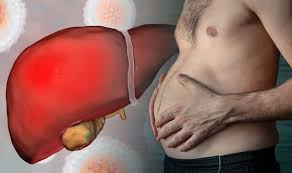
Liver swelling symptoms include fatigue, discomfort in the upper right abdomen, bloating, loss of appetite, nausea, and in advanced cases jaundice, dark urine, and abdominal swelling. It usually occurs due to fatty liver, hepatitis, alcohol use, or metabolic imbalance.
Introduction
Liver swelling, medically known as hepatomegaly, is not a disease itself but a warning sign that something is affecting liver health.
In modern times, especially in India, liver-related problems are increasing rapidly due to unhealthy diets, sedentary lifestyles, stress, alcohol consumption, and irregular eating habits.
The major concern is that liver swelling often develops silently. In the early stages, people mistake the symptoms for simple acidity, fatigue, or digestive issues.
This guide will help you understand:
- Early liver swelling symptoms
- Hidden warning signs
- Major causes (especially lifestyle-related)
- Dangerous symptoms you should never ignore
- Natural Ayurvedic and lifestyle support for liver health
What Is Liver Swelling?

Liver swelling refers to a condition where the liver becomes larger than its normal size. This is usually not a disease on its own, but a sign that the liver is under stress or working harder than normal.
This condition can develop due to several underlying health or lifestyle factors, and it often progresses silently in the early stages.
Common Causes of Liver Swelling
Fat accumulation (Fatty Liver):
When excess fat builds up inside liver cells, it can cause inflammation and gradual enlargement of the liver over time.
Infections like Hepatitis:
Viral infections such as hepatitis can inflame liver tissue, leading to swelling and reduced liver function.
Toxin overload:
Excess exposure to alcohol, unhealthy food, or environmental toxins can overwhelm the liver’s detox system and cause stress-related enlargement.
Metabolic disorders:
Conditions like obesity, diabetes, or high cholesterol can disrupt liver metabolism and contribute to liver enlargement.
Excess alcohol intake:
Regular alcohol consumption can damage liver cells and trigger inflammation, which may lead to swelling.
Long-term medication use:
Certain medicines, especially when used for a long duration without medical supervision, can put pressure on liver function and cause enlargement.
The liver is one of the most important organs in the body. It helps in detoxification, digestion, metabolism, and nutrient storage. When it becomes overworked or inflamed, swelling may occur as a biological response to internal stress.
Early Liver Swelling Symptoms
In the initial stage, liver swelling symptoms are usually mild and often mistaken for normal digestive issues or tiredness. However, the body starts showing subtle warning signs that should not be ignored.
Common Early Signs
Heaviness in the upper right abdomen
A dull feeling of pressure or heaviness may be noticed just below the right ribs, especially after eating meals.
Mild discomfort under the ribs
Some people experience a light ache or discomfort in the upper abdomen area that comes and goes without any clear reason.
Constant fatigue without major work
Even after proper rest, the body may feel unusually tired due to reduced liver efficiency in energy metabolism.
Bloating after meals
Food digestion becomes slower, leading to gas formation and a feeling of abdominal bloating after eating.
Loss of appetite
A gradual decrease in hunger can occur because liver stress affects digestion and bile production.
Nausea after oily or heavy food
The body may find it difficult to digest fatty foods, leading to nausea or discomfort after eating such meals.
Bitter taste in the mouth, especially in the morning
Toxin buildup and poor digestion may cause a persistent bitter or unpleasant taste, most noticeable after waking up.
Feeling of fullness after eating small meals
Even small portions of food may feel heavy, indicating reduced digestive capacity and liver overload.
Mild abdominal swelling
A slight increase in abdominal size or tightness may appear due to fluid imbalance or early inflammation.
Hidden Warning Signs of Liver Stress
These symptoms are often subtle and ignored, but they may indicate that the liver is under continuous stress or not functioning optimally.
Frequent acidity or indigestion may occur when the liver is unable to properly support digestion and bile balance, leading to recurring discomfort after meals.
Brain fog or poor concentration can appear when toxin clearance slows down, affecting mental clarity and daily focus.
A dull or unhealthy skin appearance may reflect internal imbalance, as the liver plays an important role in filtering toxins that affect skin health.
Morning puffiness on the face can be linked to fluid imbalance and reduced liver efficiency in overnight detox processes.
Dark yellow urine may indicate that the body is concentrating waste products due to reduced detoxification efficiency.
Sudden intolerance to alcohol can develop when liver cells become sensitive or inflamed and are no longer able to process alcohol efficiently.
Constant tiredness even after adequate rest may suggest that the liver is working harder than normal to manage toxins and metabolism.
Unexplained itching without any visible skin rash can sometimes occur due to internal toxin buildup affecting bile flow.
Bad breath related to digestive imbalance may develop when poor liver function disrupts digestion and gut toxin clearance.
Severe Symptoms That Require Immediate Attention
If liver swelling progresses or liver function becomes seriously affected, the body starts showing clear danger signs. These symptoms should never be ignored and require immediate medical evaluation.
-
Yellowing of skin and eyes (Jaundice):
This happens when bilirubin builds up in the body, indicating that the liver is not processing waste properly. -
Severe pain in the upper right abdomen:
Persistent or intense pain in this area may suggest significant liver inflammation or swelling. -
Fluid accumulation in the abdomen (ascites):
The stomach may appear visibly swollen due to fluid buildup, often linked with advanced liver dysfunction.
-
Vomiting blood:
This is a serious condition that may occur due to internal bleeding in the digestive tract or liver-related complications.
-
Black or tar-like stools:
Dark stools can indicate internal bleeding in the stomach or intestines and should be treated as an emergency sign.
-
Sudden and unexplained weight loss:
Rapid weight loss without diet or exercise changes may signal long-term liver dysfunction or metabolic imbalance.
-
Confusion, dizziness, or mental disorientation:
In severe cases, toxins affect brain function, leading to confusion or difficulty thinking clearly (hepatic encephalopathy).
Causes of Liver Swelling
Liver swelling usually develops when the liver becomes overloaded due to fat buildup, infections, alcohol use, or long-term unhealthy lifestyle habits. Understanding these causes in detail helps in identifying early risk factors and taking timely steps to protect liver health naturally.
1. Fatty Liver Disease
Fat accumulation in the liver is one of the most common causes of liver swelling today. It is mainly linked to high sugar intake, obesity, junk food habits, and lack of physical activity.
2. Alcohol Consumption
Regular alcohol intake can damage liver cells over time, leading to inflammation, fat buildup, and gradual enlargement of the liver.
3. Viral Infections (Hepatitis)
Hepatitis viruses directly attack liver cells and cause inflammation, which may result in liver swelling and reduced liver function.
4. Excessive Medication Use
Long-term use of certain medicines like painkillers, steroids, or frequent self-medication can put extra stress on the liver and affect its normal functioning.
5. Poor Lifestyle Habits
Unhealthy habits such as late-night eating, chronic stress, lack of exercise, and processed food consumption can slowly weaken liver health and contribute to swelling.
Why Liver Problems Are Increasing in India
Modern Indian lifestyle has changed significantly in the last decade, and these changes are directly affecting liver health. Poor dietary habits, reduced physical activity, and irregular routines are now common even among young adults.
High Intake of Refined Oils
Most daily meals now include refined and repeatedly heated oils, which increase fat accumulation in the liver and make digestion heavier over time.
Excess Sugar in Tea and Snacks
Frequent consumption of sugary tea, biscuits, and packaged snacks causes continuous sugar overload, which is strongly linked to fatty liver development.
Long Working Hours with Sitting Jobs
Extended sitting hours with minimal movement slow down metabolism, reducing the body’s ability to process fats efficiently, which puts extra pressure on the liver.
Lack of Physical Activity
A sedentary lifestyle reduces calorie burn and fat metabolism, making it easier for fat to accumulate in liver cells over time.
Weekend Alcohol Consumption
Even occasional binge drinking on weekends can stress liver cells, as the liver has to process a sudden high toxin load in a short time.
Fast Food Dependency
Frequent intake of fast food increases unhealthy fats, preservatives, and refined carbohydrates, all of which contribute to liver inflammation and fat buildup.
Irregular Sleep Cycles
Poor and inconsistent sleep disturbs hormone balance and liver repair cycles, which normally occur during deep night sleep.
Due to these combined lifestyle factors, liver-related conditions like fatty liver are now being diagnosed even in young adults who otherwise appear healthy.
Liver Swelling in Men and Women
Liver swelling can show different patterns in men and women due to hormonal differences, lifestyle habits, and body metabolism. While the underlying cause may be similar, the symptoms often appear in slightly different ways in each gender.
In Men:
Increased belly fat:
In men, liver swelling is often linked with gradual accumulation of fat around the abdominal area. This change may happen even without a major increase in overall body weight.
Low stamina:
When the liver is under stress, energy production in the body becomes less efficient. This leads to reduced stamina, tiredness, and difficulty maintaining physical activity for long periods.
Alcohol-related liver stress:
Frequent alcohol intake can put extra pressure on liver cells, leading to inflammation and swelling over time. This is one of the most common lifestyle-related triggers in men.
Digestive problems:
Liver imbalance can weaken the digestive system, resulting in symptoms like bloating, acidity, and discomfort after meals.
In Women:
Hormonal imbalance:
Since the liver helps regulate and process hormones, any dysfunction or swelling may lead to hormonal imbalance, which can affect overall well-being.
Water retention:
Liver stress may disturb fluid balance in the body, leading to puffiness in the face, hands, or feet due to water retention.
Chronic fatigue:
When detoxification slows down, toxins may build up in the body, causing long-term tiredness and reduced energy levels.
Skin dullness and pigmentation issues:
Liver health is closely linked with skin health. Poor liver function may lead to dull skin tone, uneven pigmentation, and lack of natural glow.
How Liver Swelling Is Diagnosed
Doctors use a combination of physical checks, blood tests, and imaging techniques to confirm liver swelling and understand its underlying cause.
Physical examination:
The doctor gently examines the abdomen, especially the upper right side, to check for tenderness, enlargement, or abnormal firmness of the liver.
Liver Function Tests (LFT):
This blood test measures liver enzymes, bilirubin, and protein levels to detect liver stress, inflammation, or possible damage.
Ultrasound imaging:
An ultrasound scan provides a clear image of the liver’s size and structure, helping to identify fat buildup, swelling, or any visible abnormalities.
CT scan or MRI:
In more complex cases, advanced imaging like CT or MRI gives a detailed view of the liver and helps detect deeper structural issues.
Hepatitis screening:
Blood tests are done to check for hepatitis A, B, or C infections, which are common causes of liver inflammation and swelling.
Important Note:
Self-diagnosis should be avoided in serious or long-term symptoms, as accurate medical evaluation is necessary for proper treatment and to prevent complications.
Ayurvedic Perspective on Liver Swelling
According to Ayurveda, liver imbalance is mainly associated with an aggravated Pitta dosha along with a weak digestive fire (Agni). When Agni becomes disturbed, the body is unable to properly digest food and eliminate toxins efficiently, which gradually affects liver function and overall metabolism.
When Pitta increases in the body, internal heat also rises. This can lead to digestive discomfort, acidity, and a feeling of heaviness after meals, as the body struggles to maintain balance.
At the same time, weakened digestion allows toxins (Ama) to accumulate inside the body. Over time, this toxic buildup can put additional stress on the liver and may contribute to swelling or inflammation.
In some cases, increased Pitta and toxin accumulation can also trigger internal inflammation. This may reflect as fatigue, skin issues, or digestive irregularities depending on the severity of imbalance.
From an Ayurvedic point of view, the primary focus is always on restoring balance rather than suppressing symptoms. Strengthening digestion (Agni) is considered the first step toward improving overall liver health.
Along with this, Ayurveda emphasizes supporting the body’s natural detoxification process. When digestion improves, the body becomes more capable of processing and eliminating waste naturally.
Another important goal is to support healthy liver metabolism. A balanced metabolic system helps in better nutrient processing and reduces unnecessary strain on the liver.
Finally, Ayurveda also focuses on reducing internal inflammation through diet, lifestyle correction, and herbal support, which together help in restoring long-term liver wellness.
Ayurvedic Herbs for Liver Support
Ayurveda offers several traditional herbs that are believed to support liver function, digestion, and natural detoxification. These herbs are commonly used to help maintain liver balance and overall metabolic health when combined with a healthy lifestyle and proper medical guidance.
Bhumi Amla
Bhumi Amla is traditionally used in Ayurveda to support liver detoxification and digestive balance. It is believed to help improve liver function and assist the body’s natural cleansing processes.
Kalmegh
Kalmegh is well known for its strong bitter properties that are traditionally associated with liver support. It is commonly used in Ayurvedic practice to promote healthy bile flow and overall liver function.
Kutki
Kutki is used in Ayurveda for supporting liver cleansing and maintaining metabolic balance. It is also considered helpful in improving digestion and reducing liver-related stress.
Punarnava
Punarnava is traditionally used to help reduce fluid retention and body swelling. It is also believed to support both liver and kidney function for better internal balance.
Guduchi
Guduchi is highly valued in Ayurveda for supporting immunity and overall metabolic health. It is also used to promote detoxification and maintain liver wellness.
⚠️ Important Note
Always consult a qualified healthcare professional or Ayurvedic practitioner before using any herbal remedies, especially if you have a pre-existing liver condition or are taking medications.
Natural Lifestyle Tips for Liver Health
Maintaining liver health naturally requires simple but consistent lifestyle choices such as a balanced diet, regular physical activity, proper sleep, and stress control. These daily habits help reduce liver strain, support detoxification, and improve overall metabolic function, which may lower the risk of liver swelling and fatty liver issues over time.
Include in Your Diet
Fresh fruits and vegetables should be a daily part of your meals because they provide antioxidants, vitamins, and fiber that help reduce liver stress and support natural detoxification.
Fiber-rich foods like whole grains, legumes, and oats improve digestion and help the body eliminate toxins more efficiently, reducing the burden on the liver.
Light home-cooked meals are easier to digest and prevent unnecessary fat accumulation in the liver compared to heavy, oily, or processed foods.
Adequate hydration is essential because water helps flush out toxins from the body and supports proper metabolic and liver function.
Avoid
Fried and processed foods increase fat accumulation in the liver and may contribute to inflammation over time if consumed regularly.
Excess sugar intake can lead to fat buildup in the liver, increasing the risk of fatty liver disease, especially in sedentary individuals.
Alcohol consumption directly affects liver cells and may cause inflammation, damage, and long-term liver dysfunction.
Packaged snacks often contain trans fats, preservatives, and excess sodium, which put extra stress on liver metabolism.
Healthy Habits
Daily walking or light exercise improves blood circulation and helps reduce fat accumulation around the liver, supporting overall liver health.
A proper sleep schedule allows the liver to perform its natural repair and detoxification functions effectively during rest.
Stress management is important because chronic stress can disrupt hormonal balance and indirectly affect liver function.
Maintaining a healthy weight reduces the risk of fatty liver and improves overall metabolic health, keeping the liver functioning efficiently.
Can Liver Swelling Be Reversed?
In many early cases, liver swelling and fatty liver conditions can improve significantly when lifestyle changes are adopted consistently over time. A healthy diet plays a key role in reducing fat buildup and inflammation in the liver, especially when junk food and excess sugar are avoided.
Weight management helps reduce pressure on the liver and improves metabolic balance, which supports natural recovery. Regular physical activity enhances fat metabolism and improves overall liver efficiency by supporting circulation and energy balance.
Avoiding alcohol is crucial because it allows liver cells to repair and reduces ongoing damage or inflammation. Timely medical care ensures that any underlying condition is identified early, preventing progression to more serious liver disease.
Early detection remains one of the most important factors in successful recovery and long-term liver health.
Conclusion
Liver swelling is a silent warning sign that should never be ignored. In the early stage, the symptoms are subtle, but they clearly indicate that the liver is under stress. With timely awareness, proper lifestyle changes, and balanced nutrition, liver health can often be restored naturally.
A healthy liver supports energy, digestion, metabolism, and overall long-term wellness.
Frequently Asked Questions
What is the first sign of liver swelling?
Early signs include fatigue, bloating, and discomfort in the upper right abdomen.
Can fatty liver cause liver swelling?
Yes, fat accumulation in the liver is one of the most common causes of enlargement.
Is liver swelling dangerous?
If ignored, it can progress to serious liver diseases.
Can Ayurveda help liver health?
Ayurveda may support liver function and digestion, but medical treatment is necessary in severe conditions.
Is liver swelling reversible?
In early stages, lifestyle changes can significantly improve liver health.