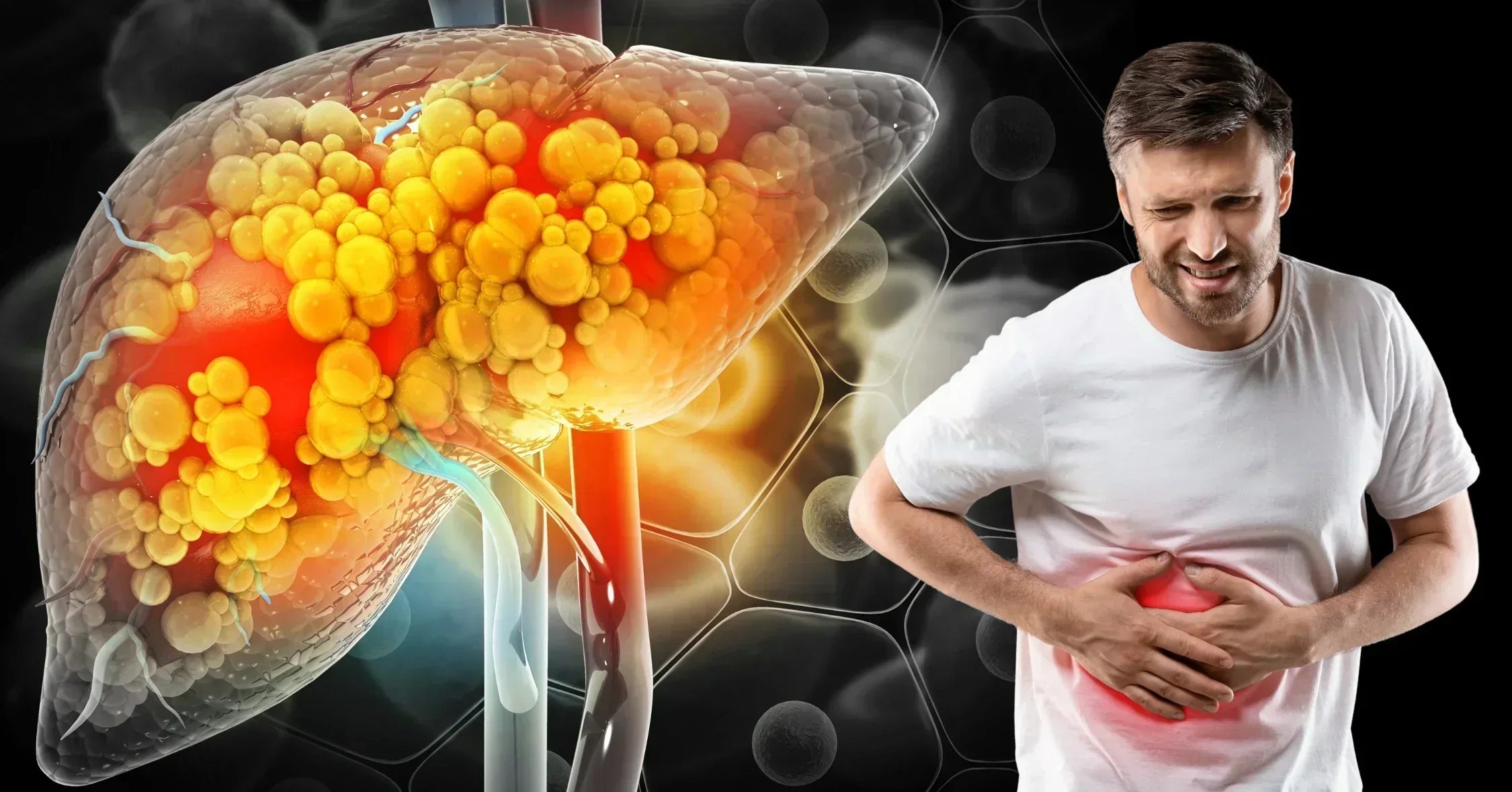
Nowadays, Fatty Liver Grade 2 has become one of the most common findings in routine health checkups and ultrasound reports. Many people are shocked when they discover that their liver already has moderate fat accumulation, even though they may not have experienced any major symptoms.
At Deep Ayurveda, we often observe patients visiting the clinic with complaints such as bloating, acidity, unexplained fatigue, weight gain, or poor digestion. After investigations, many of them are diagnosed with Grade 2 Fatty Liver. Interestingly, this condition is no longer limited to alcohol consumption. Sedentary lifestyle, processed foods, stress, irregular eating habits, and poor metabolic health are now major contributors, even among non-drinkers and young adults.
The good news is that Fatty Liver Grade 2 can often be managed and improved naturally with timely lifestyle correction, proper dietary changes, and Ayurvedic support.
What is Fatty Liver Grade 2?

Fatty Liver Grade 2 is a condition where a moderate amount of fat builds up inside the liver cells. At this stage, the liver may start showing early signs of inflammation, and its normal functioning can gradually become affected.
If the condition is ignored for a long time, it may increase the risk of developing liver fibrosis, where healthy liver tissue slowly starts becoming stiff and scarred.
In some cases, Grade 2 Fatty Liver can also progress toward Non-Alcoholic Steatohepatitis (NASH), a more advanced form of fatty liver associated with inflammation and liver cell damage.
Over time, severe and untreated liver inflammation may lead to cirrhosis, a serious condition that can permanently affect liver structure and function.
The positive aspect is that Fatty Liver Grade 2 is often considered a reversible stage when managed early with proper diet, lifestyle correction, medical guidance, and consistent care.
What Happens in Fatty Liver Grade 2?
The liver is one of the most important organs in the body because it helps process nutrients, supports digestion, filters toxins, and regulates fat metabolism. When unhealthy lifestyle habits continue for a long time, fat slowly starts building up inside liver cells.
In Fatty Liver Grade 2, the amount of fat inside the liver becomes moderate, which means the condition is more advanced than the early stage. At this point, the liver may start functioning less efficiently, and mild inflammation can also develop.
Many people with Grade 2 Fatty Liver experience slow digestion, heaviness after meals, bloating, or unusual tiredness, especially after eating oily or processed foods. Some individuals may also notice increased liver enzyme levels in their blood reports, which can indicate stress on the liver.
At this stage, the body often begins giving early warning signs, but these symptoms are commonly ignored because they are mistaken for acidity, poor digestion, or everyday fatigue.
Fatty Liver Grade 1 vs Grade 2 vs Grade 3
| Grade | Fat Accumulation | Symptoms | Reversible? | Risk Level |
|---|---|---|---|---|
| Grade 1 | Mild | Often no symptoms | Yes | Low |
| Grade 2 | Moderate | Fatigue, bloating, heaviness | Yes, with proper care | Moderate |
| Grade 3 | Severe | Significant inflammation and liver damage | Difficult but manageable | High |
Grade 2 is considered an important warning stage because timely action at this point may help prevent future liver damage.
Early Symptoms of Fatty Liver Grade 2 Most People Ignore
Fatty Liver Grade 2 does not always cause noticeable symptoms in the beginning. In many patients, the signs develop slowly and are often mistaken for routine digestive or lifestyle-related problems.
Constant Fatigue
Many people with fatty liver feel tired even after proper rest. This happens because the liver’s energy metabolism and detoxification processes may become less efficient over time.
Bloating After Meals
A feeling of fullness or bloating after eating oily or heavy meals is commonly reported. Patients often notice that digestion feels slower than usual.
Heaviness in the Abdomen
Some individuals experience a persistent feeling of heaviness in the upper abdomen, especially after overeating or consuming processed foods regularly.
Acidity or Indigestion
Frequent acidity, burping, or indigestion can sometimes be an early sign of metabolic imbalance associated with fatty liver.
Mild Discomfort on the Right Side of the Upper Abdomen
As fat accumulation increases, some patients may feel mild discomfort or dull pressure near the liver area on the right side.
Brain Fog
Difficulty concentrating, mental fatigue, or reduced focus may occur in some individuals due to poor metabolic health and chronic inflammation.
Excessive Sleepiness
Feeling sleepy during the daytime, especially after meals, is a complaint commonly seen in patients with sluggish metabolism and fatty liver.
Central Belly Fat
Excess fat around the waistline is strongly associated with insulin resistance and fatty liver development.
Weak Digestion
Many patients report irregular digestion, loss of appetite, or discomfort after consuming fried and spicy foods.
Low Energy Levels
A gradual decline in stamina and daily energy is often seen in individuals with ongoing metabolic stress and poor liver function.
At Deep Ayurveda, we have clinically observed that digestive complaints often appear much earlier than obvious liver-related symptoms. Many patients report persistent bloating, heaviness after meals, or unusual tiredness long before their ultrasound confirms Fatty Liver Grade 2.
Main Causes of Fatty Liver Grade 2
Modern lifestyle and poor metabolic health are among the leading reasons behind Fatty Liver Grade 2. Unhealthy eating habits, lack of physical activity, stress, obesity, and irregular daily routines can gradually increase fat accumulation in the liver and affect its normal functioning. Below, we have mentioned some of the most common causes and lifestyle factors linked with Fatty Liver Grade 2.
1. Poor Dietary Habits
Regular consumption of sugary foods, fried snacks, bakery items, and processed meals can overload the liver and increase fat accumulation over time. Excess sugar, especially from packaged drinks and refined foods, is one of the major contributors to fatty liver today.
2. Sedentary Lifestyle
Sitting for long hours with little physical activity slows down metabolism and reduces the body’s ability to burn stored fat efficiently. This gradually increases fat deposition in the liver.
3. Obesity and Belly Fat
Excess abdominal fat is closely linked with Fatty Liver Grade 2 because it increases inflammation and affects normal fat metabolism inside the body.
4. Diabetes and Insulin Resistance
When blood sugar levels remain high for a long time, the liver starts converting excess glucose into fat. Insulin resistance further worsens fat storage in liver cells.
5. Stress and Poor Sleep
Chronic stress and disturbed sleep patterns can negatively affect hormones, digestion, and metabolism, which may indirectly increase the risk of fatty liver.
6. Unhealthy Modern Lifestyle Habits
Late-night dinners, frequent fast food intake, irregular meal timings, and overeating on weekends put extra pressure on digestion and liver function.
Interestingly, Fatty Liver is not limited to overweight individuals. In clinical practice, many slim individuals are also diagnosed with fatty liver due to poor eating habits, stress, and metabolic imbalance.
Fatty Liver According to Ayurveda
In Ayurveda, the liver is known as Yakrit, and Fatty Liver is understood as a condition linked with disturbed digestion, unhealthy metabolism, and toxin accumulation inside the body. Instead of looking at it as only fat deposition in the liver, Ayurveda focuses on the root imbalance that gradually affects liver function over time.
Weak Digestive Fire
According to Ayurveda, when digestion becomes weak, the body is unable to properly process food and nutrients. Over time, this poor digestion can slow metabolism and increase the burden on the liver.
Accumulation of Ama
Improper digestion may lead to the formation of Ama, which is described in Ayurveda as toxic metabolic waste. This accumulation can gradually interfere with normal liver and digestive functions.
Kapha Imbalance
Excess Kapha in the body is often associated with heaviness, sluggish metabolism, and fat accumulation. This imbalance may contribute to excessive fat storage in the liver area.
Pitta Disturbance
Pitta is closely connected with digestion and liver activity in Ayurveda. When Pitta becomes imbalanced due to unhealthy eating habits or lifestyle stress, it may affect the liver’s natural metabolic processes.
In simple terms, Ayurveda believes that weak digestion, poor lifestyle habits, and metabolic imbalance together create pressure on the liver over time. Therefore, Ayurvedic management focuses on supporting digestion, improving metabolism, and maintaining overall liver wellness naturally.
Can Fatty Liver Grade 2 Be Reversed?
Yes, in many cases, Fatty Liver Grade 2 can be improved and even reversed when proper lifestyle changes are followed consistently. The liver has a natural ability to heal itself, especially when the condition is identified at the right time.
Body Weight Management
Excess body fat, especially around the abdomen, increases fat accumulation in the liver. Even gradual and healthy weight reduction can positively support liver recovery.
Diet Quality
A diet high in processed foods, sugar, and fried items may worsen liver inflammation. Fresh homemade meals, fiber-rich foods, and balanced nutrition help reduce metabolic stress on the liver.
Physical Activity
Regular movement improves metabolism and helps the body utilize stored fat more efficiently. Simple activities like brisk walking and yoga can support overall liver function.
Metabolic Health
Conditions such as diabetes, insulin resistance, high cholesterol, and obesity are commonly linked with Fatty Liver. Managing these conditions plays an important role in long-term liver health.
Consistency in Daily Routine
Irregular sleep, late-night eating, and inconsistent eating habits may slow down recovery. Maintaining a disciplined daily routine often gives better results over time.
Many individuals begin noticing improvements in liver enzyme levels and ultrasound findings within 3–6 months when lifestyle modifications are followed consistently under proper medical guidance.
Best Diet for Fatty Liver Grade 2
Diet plays a major role in liver recovery because the liver is directly connected with digestion, metabolism, and fat processing. In many Grade 2 Fatty Liver patients, simple dietary corrections can gradually support better liver function and improve energy levels.
Foods to Include
Bottle Gourd (Lauki)
Bottle gourd is considered light for digestion and may help reduce digestive heaviness often experienced in fatty liver patients. It is commonly included in liver-friendly Indian diets because of its high water and fiber content.
Ridge Gourd (Tori)
Ridge gourd is easy to digest and supports light eating habits, which are often recommended for people dealing with sluggish metabolism and fatty liver-related bloating.
Green Vegetables
Fresh green vegetables provide antioxidants, fiber, and important nutrients that may support overall metabolic health and digestive balance.
Papaya
Papaya is commonly recommended because it is gentle on digestion and may help reduce bloating and post-meal heaviness.
Amla
Amla is traditionally valued in Ayurveda for its antioxidant properties and is often used to support digestive and liver wellness naturally.
Moong Dal
Moong dal is considered one of the lightest dals in Ayurveda and is generally easier to digest compared to heavy or oily meals.
Warm Water
Drinking warm water throughout the day may support digestion and help reduce the feeling of heaviness after meals.
Light Homemade Meals
Freshly prepared homemade meals with less oil and balanced spices are usually easier for the liver to process than packaged or restaurant foods.
Fiber-Rich Foods
Fiber-rich foods may help support healthy digestion, better bowel movements, and improved metabolic balance.
Foods to Avoid
Alcohol
Alcohol places additional stress on liver cells and may worsen inflammation and fat accumulation over time.
Fried Foods
Deep-fried foods are usually high in unhealthy fats, which can increase the liver’s metabolic burden.
Sugary Drinks
Soft drinks and packaged juices often contain high amounts of sugar that may contribute to further fat buildup in the liver.
Refined Flour Products
Refined flour products such as white bread, pizza, and bakery snacks may negatively affect blood sugar balance and metabolism.
Bakery Items
Cakes, pastries, cookies, and similar bakery products are often rich in trans fats, sugar, and refined ingredients that are not ideal for liver health.
Processed Foods
Packaged foods usually contain preservatives, unhealthy fats, and excess sodium, which may affect overall metabolic health.
Excess Junk Food
Frequent consumption of fast food and highly processed meals may gradually increase inflammation and fat accumulation in the liver.
At Deep Ayurveda, we often advise patients to focus not only on what they eat, but also when they eat. Early dinners, mindful eating, and avoiding overeating at night are simple lifestyle habits that may positively support digestion and liver metabolism over time.
One-Day Sample Diet Plan for Fatty Liver Grade 2
Early Morning
Start your day with a glass of warm water to support digestion and hydration. Some individuals may also include soaked fenugreek seeds, as they are traditionally used to support metabolism and digestive health.
Breakfast
A light and protein-rich breakfast such as moong chilla or vegetable poha can help provide steady energy without putting excess burden on digestion. Herbal tea may be preferred over sugary beverages or excessive caffeine intake.
Mid-Morning
Fresh fruits like papaya or apple can be included as they provide fiber and antioxidants while being relatively easy to digest. Avoid packaged fruit juices or added sugar options.
Lunch
Lunch should ideally include balanced homemade food such as multigrain roti, bottle gourd vegetable, moong dal, and fresh salad. Light meals with adequate fiber may help support digestion and overall metabolic health.
Evening Snack
Instead of fried snacks or processed foods, roasted chana or a light herbal drink can be a better option for managing unnecessary calorie intake and maintaining satiety.
Dinner
Dinner should be light and easy to digest, such as vegetable soup or simple khichdi. Eating dinner early, preferably before 8 PM, may help support overnight digestion and liver function.