News

Shilajit vs. Ashwagandha: Which One Should You Choose for Better Health?
Curious about which Ayurvedic herb is better for your health — Shilajit or Ashwagandha? This post explores their origins, key benefits, and unique effects on energy, strength, and overall wellness. Learn which one suits your body’s needs and lifestyle best, with expert insights from Ayurvedic wisdom.
Read moreNews
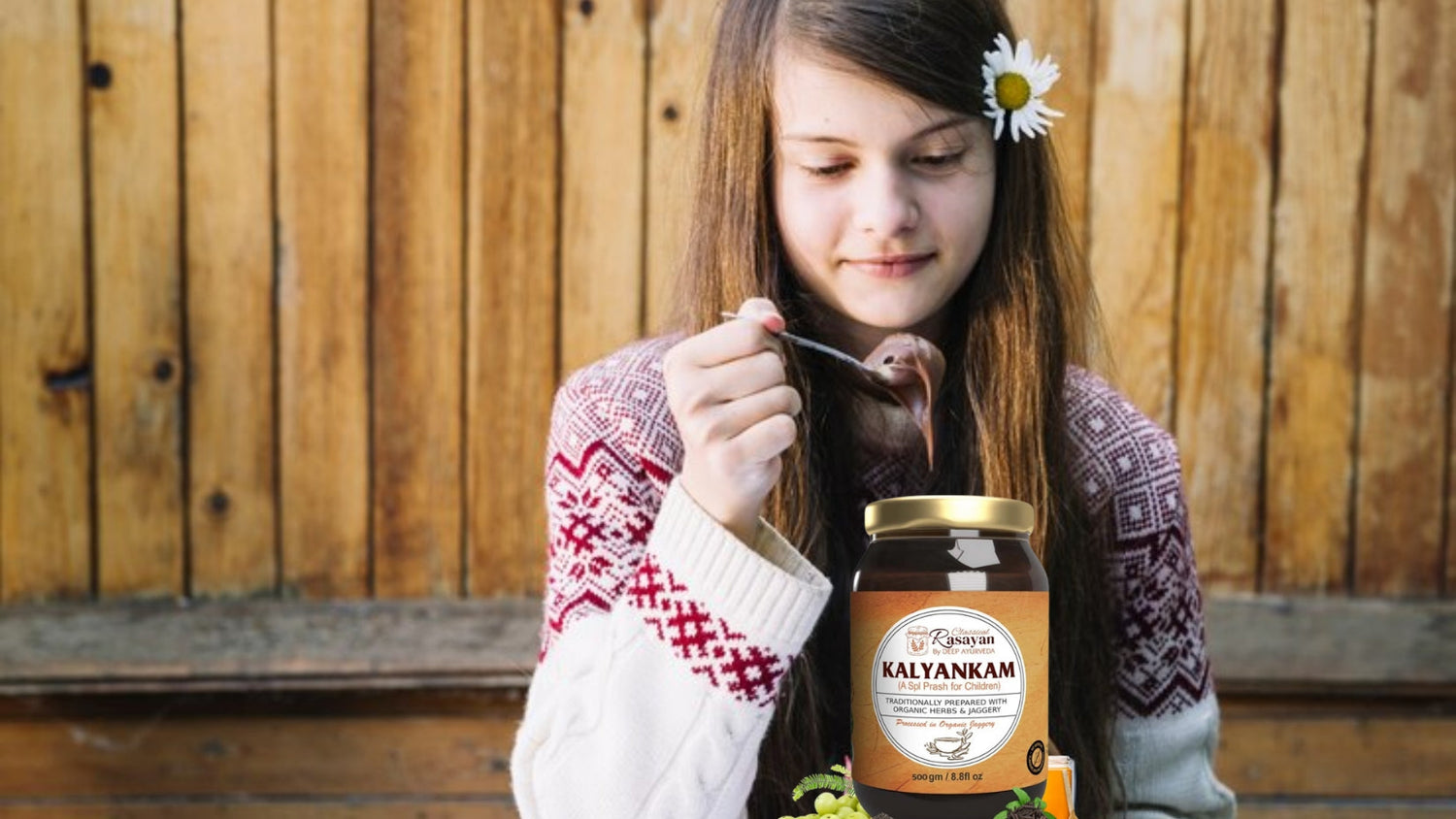
Deep Ayurveda’s Kalyankam: A Complete Ayurvedic Chyawanprash for Children’s Growth & Immunity
Discover Deep Ayurveda’s Kalyankam, a natural Ayurvedic Chyawanprash designed to support children’s overall growth, immunity, and energy levels. Enriched with time-tested herbs, it helps strengthen digestion, boost brain development, and enhance resistance against common infections—keeping your child healthy and active naturally.
Read more
Viral Fever: Symptoms, Causes, and Ayurvedic Treatments That Work
Viral fever is a common health issue marked by fatigue, body pain, and high temperature. In this blog, we explain its symptoms, causes, and how Ayurvedic treatments can help you recover naturally. Discover herbal remedies, immunity-boosting tips, and lifestyle changes that work for long-term wellness.
Read more
Why Livclear is the Best Liver Tonic Syrup for Daily Liver Care
Livclear is more than just a syrup—it’s a natural liver tonic designed for daily detox, better digestion, and overall liver wellness. Discover why Livclear stands out as the best choice for maintaining a healthy liver every day.
Read more
Best Ayurvedic Hair Oil for Hair Fall and Growth
Learn how Ayurvedic hair oil helps reduce hair fall and supports natural growth. Powered by herbs like Bhringraj, Amla, and Brahmi, it nourishes the scalp, strengthens roots, and keeps your hair healthy and shiny the natural way.
Read more
Ayurvedic Tips to Boost Your Immunity During Monsoon
Monsoon is the season of joy, but also of infections like cough, cold, and stomach problems. In this blog, discover simple Ayurvedic diet tips, immunity-boosting herbs, lifestyle changes, and Panchakarma therapies to stay strong during the rainy season. Learn how Tulsi, Amla, Giloy, and other natural remedies can protect your health. Plus, get expert advice from Deep Ayurveda’s Nutrition & Dietitian team for a personalized immunity plan this monsoon.
Read more
Which Chyawanprash is Best for Women’s Health?
15% off Deep Ayurveda Naripanch Ayurvedic Chyawanprash for women ★★★★★ (4.8/5) ✅ 100% Ayurvedic & Safe ✅ Supports Hormonal Balance ✅ Improves Reproductive Health ✅ Boosts Energy & Reduces Weakness ✅ Helps in Managing PCOS/PCOD Symptoms ✅ No Side Effect ₹ 1,599 ₹1,874 BUY NOW Chyawanprash is one of the most time-tested Ayurvedic formulations, known for its role in boosting immunity, enhancing vitality, and promoting overall well-being. This classical herbal jam has been mentioned in Ayurvedic scriptures as a Rasayana, a rejuvenating tonic that strengthens both body and mind. For centuries, it has been consumed by families across India for its ability to prevent seasonal illnesses, improve digestion, and enhance strength. However, women’s bodies have unique needs that go beyond general immunity. From hormonal balance to reproductive health, from skin vitality to mental wellness—women require specialized support at different stages of life, whether it is adolescence, pregnancy, postnatal recovery, or menopause. This naturally leads to the question: Which Chyawanprash is best for women’s health? The answer lies not just in choosing any herbal formulation but selecting one that is tailored to support the female body’s holistic needs. Why Chyawanprash is Beneficial for Women The chyawanprash benefits for female health are wide-ranging and deeply impactful. Here are the key reasons why women should make this Ayurvedic elixir a part of their daily routine: Immunity & Disease Resistance Women often juggle multiple roles at work, home, and society, making them more vulnerable to fatigue and infections. Chyawanprash strengthens the immune system, protecting the body against cough, cold, flu, and seasonal changes. Energy & Vitality Modern lifestyle pressures lead to exhaustion and burnout. A daily dose of Chyawanprash works as a natural energy booster, improving stamina and reducing chronic fatigue. Skin & Anti-Ageing Benefits Enriched with Amla, a natural source of Vitamin C, Chyawanprash supports collagen production, slows skin ageing, and keeps the complexion radiant. For women concerned with premature wrinkles or dullness, this is a natural skincare ally from within. Reproductive Health & Hormonal Balance Ayurveda highlights herbs like Shatavari and Ashwagandha that support menstrual wellness, ease PMS symptoms, and assist post-pregnancy recovery. Chyawanprash fortified with these herbs is especially nourishing for female reproductive health. Stress & Mental Health Workload, emotional responsibilities, and hormonal fluctuations often impact women’s mental peace. Chyawanprash acts as a medhya rasayana (nervine tonic) that calms the mind, reduces stress, and enhances focus. Key Ingredients in Chyawanprash That Support Women’s Health The strength of Chyawanprash lies in its herbal synergy—over 40+ herbs blended with ghee, honey, and jaggery to create a rejuvenating formula. For women, some ingredients are particularly beneficial: Amla (Indian Gooseberry): Rich in Vitamin C and antioxidants, it enhances immunity, rejuvenates skin, and improves hair health. Ashwagandha: Known for its adaptogenic properties, it combats stress, enhances stamina, and supports hormonal balance. Shatavari: The queen of herbs for women, it nurtures reproductive organs, promotes fertility, and balances menstrual cycles. Guduchi (Giloy) & Pippali: Strengthen immunity, detoxify the body, and enhance respiratory health. Honey & Ghee: Act as carriers (yogavahi) that improve the assimilation of herbs, while nourishing body tissues. Together, these herbs make Chyawanprash an unmatched health tonic for women at every stage of life. How to Choose the Best Chyawanprash for Women Not all Chyawanprash available in the market are equal in quality. To truly experience its benefits, women should consider these points while choosing the best chyawanprash: 100% Ayurvedic & Natural Ingredients – Free from harmful preservatives, refined sugar, and synthetic additives. Fortified with Women-Centric Herbs – Look for Shatavari, Ashwagandha, and other female-friendly adaptogens. Trusted Ayurvedic Brand – Ensure the product is crafted under the guidance of Ayurvedic doctors, GMP-certified, and uses authentic formulations. Sugar-Free or Low-Sugar Options – Important for diabetic or fitness-conscious women. A well-formulated product that balances traditional wisdom with modern quality standards can make a big difference in women’s health outcomes. Recommended Chyawanprash for Women Several reputed Ayurvedic brands in India offer good Chyawanprash options. However, when it comes to female health, formulations designed with women’s wellness in mind stand out. Among these, Deep Ayurveda’s Herbal Chyawanprash has gained recognition for its authentic and doctor-formulated approach. It is enriched with organic herbs, crafted without preservatives, and fortified with Shatavari and Ashwagandha, making it highly suitable for women. Additionally, Deep Ayurveda has introduced Naripanch Prash, a unique Ayurvedic superfood created exclusively for women. While traditional Chyawanprash focuses on immunity and vitality, Naripanch Prash addresses the deeper needs of the female body and brain—balancing hormones, improving reproductive health, nourishing the skin, and supporting emotional wellness. This makes Naripanch Prash an excellent complement or alternative for women who want targeted nourishment beyond general immunity. So, if you’re asking which is the best chyawanprash for women, the answer lies in choosing a herbal, women-centric, preservative-free formulation like Deep Ayurveda’s range. 6. How & When Should Women Take Chyawanprash? For maximum results, it’s important to take Chyawanprash correctly: Dosage: 1–2 teaspoons daily. Best Time: Early morning on an empty stomach with warm milk/water, or before bedtime. Tips for Women: Pair it with a balanced diet, yoga, meditation, and adequate rest for complete benefits. When consumed consistently, Chyawanprash builds resilience, energy, and natural beauty from within. Precautions & Who Should Avoid It While Chyawanprash is generally safe, women should keep a few points in mind: Women with diabetes should opt for sugar-free variants. Pregnant and lactating women should consult an Ayurvedic doctor before use. Avoid overconsumption, as moderation is key in Ayurveda. Conclusion Chyawanprash is not just a herbal jam—it is an Ayurvedic Rasayana, a daily rejuvenator for women’s health. From strengthening immunity to enhancing skin glow, from supporting reproductive balance to reducing stress, the chyawanprash benefits for female wellness are profound. However, to experience these benefits, it is essential to choose the best chyawanprash that is natural, doctor-formulated, and enriched with women-specific herbs. Deep Ayurveda’s Herbal Chyawanprash and Naripanch Prash stand out as holistic options that align with the unique health needs of women. Embrace this Ayurvedic treasure daily, and let it nurture your immunity, energy, and inner vitality for years to come. For authentic Ayurvedic formulations, explore Deep Ayurveda’s Herbal Chyawanprash and Naripanch Prash—designed to support the complete health of today’s women.
Read more
Top 5 Ayurvedic Herbs For Liver Health
The liver is one of the body’s most vital organs, responsible for detoxification, digestion, and maintaining overall health. Ayurveda offers time-tested natural solutions to strengthen liver function. In this post, we explore the top 5 Ayurvedic herbs for liver health, their benefits, and how they help in cleansing toxins, improving digestion, and supporting long-term wellness.
Read more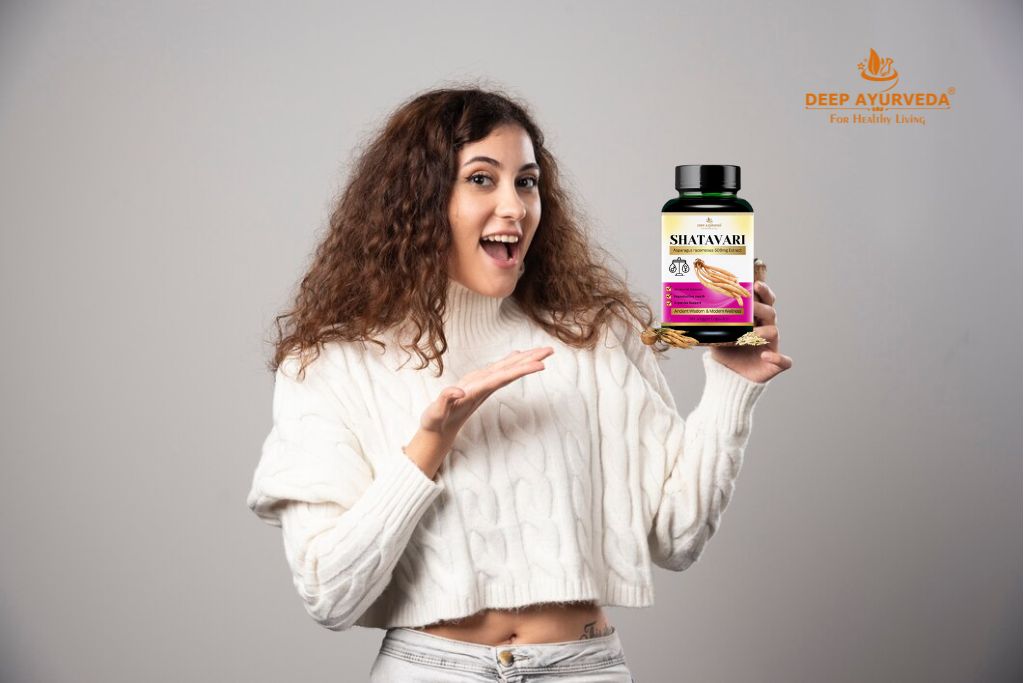
Shatavari Uses for Female With Deep Ayurveda
When it comes to women’s health, Ayurveda has always offered natural and effective solutions. One such powerful herb is Shatavari (Asparagus racemosus). It is highly valued for balancing hormones, supporting reproductive health, and boosting overall vitality in women. In this blog, we’ll explore Shatavari Uses for Female, how to take it, and its Ayurvedic importance. What is Shatavari? Shatavari, botanically known as Asparagus racemosus, is a Rasayana (rejuvenating herb) mentioned in classical Ayurvedic texts. It is especially known for its cooling, nourishing, and balancing properties. Traditionally, it has been used to strengthen the female reproductive system, promote lactation, and improve fertility. From menarche (onset of menstruation) to menopause, Ayurveda recommends Shatavari for supporting women in different stages of life. Ayurvedic Perspective on Shatavari In Ayurveda, Shatavari is classified as a balya (strength-promoting), stanya-janana (increase breast milk production), and rasayana (rejuvenator) herb. It pacifies Vata and Pitta doshas while nourishing Shukra dhatu (reproductive tissue). This makes it one of the most essential herbs for women, especially during phases of hormonal shifts such as puberty, pregnancy, postpartum, and menopause. From an Ayurvedic Perspective on Shatavari, it is not just a medicine but a daily tonic for women’s vitality and emotional balance. Shatavari Uses for Female Health Here are some key benefits of this wonder herb: Hormonal BalanceShatavari helps regulate estrogen and progesterone levels naturally, making it useful for irregular periods, PMS symptoms, and menopausal issues. Fertility & Reproductive HealthIt nourishes the reproductive organs and improves ovulation, thereby supporting fertility. Menopause SupportHot flashes, mood swings, and dryness during menopause can be eased with Shatavari due to its cooling and lubricating qualities. Boosts LactationAyurveda prescribes Shatavari for new mothers as it improves breast milk production. Stress & Energy SupportIt acts as an adaptogen, helping women manage stress, fatigue, and weakness while boosting immunity. By including Shatavari in your routine, you can experience the full package of Shatavari Uses for Female health in a holistic manner. How to Use Shatavari for Women There are different ways to consume Shatavari depending on your health needs and convenience: Shatavari Powder (Churna) – Mix 1 tsp with warm milk or lukewarm water. Traditionally, it is taken with ghee or honey for better absorption. Shatavari Capsules/Tablets – Easy and convenient for daily use. Ayurvedic Formulations – Deep Ayurveda’s Naripanch formulation is specially designed for women’s hormonal balance and reproductive health, containing Shatavari along with other synergistic herbs. Shatavari Syrup – Suitable for women who prefer liquid formulations for digestion and absorption. When deciding How to Use Shatavari for Women, always consult an Ayurvedic practitioner to find the right dosage and form according to your body type and health condition. Final Thoughts From ancient times to modern wellness practices, the relevance of Shatavari has remained strong. With its ability to balance hormones, strengthen reproductive health, and rejuvenate the body, it stands out as a true “female-friendly” herb. If you are seeking natural solutions for women’s health, exploring Shatavari Uses for Female through Deep Ayurveda’s authentic formulations can be a safe and effective step toward holistic well-being.
Read more
Healing Rheumatic Fever Naturally with Deep Ayurveda
Introduction Rheumatic Fever (RF) is a post-infectious autoimmune inflammatory disorder that typically follows untreated Group A Streptococcal (GAS) pharyngitis. While modern medicine provides symptomatic relief through antibiotics and anti-inflammatory medications, Ayurveda offers a deeper understanding, focusing on the underlying metabolic dysfunction (Āma), Doṣa vitiation, and systemic immune dysregulation. At Deep Ayurveda, we adopt an integrative treatment strategy rooted in classical Ayurvedic principles—aiming not only for symptom control but also for detoxification, immune modulation, and long-term prevention of recurrence. Understanding Rheumatic Fever in Modern Medicine What is Rheumatic Fever? Rheumatic Fever is an autoimmune sequel to a streptococcal throat infection, wherein the immune system mistakenly targets the body’s own tissues—particularly the joints, heart, skin, and central nervous system. This leads to inflammation and, if untreated, may result in permanent cardiac damage known as Rheumatic Heart Disease (RHD). Causes and Risk Factors Primary Cause: Group A beta-hemolytic streptococcal infection (GAS pharyngitis) Risk Factors: Age group 5–15 years Poor hygiene and overcrowding Recurrent untreated throat infections Genetic predisposition Symptoms Based on Jones Criteria Major Criteria Carditis: Inflammation of heart valves, myocardium, and pericardium Migratory Polyarthritis: Pain and swelling moving from joint to joint Sydenham’s Chorea: Jerky, involuntary movements Erythema Marginatum: Characteristic pink skin rash Subcutaneous Nodules: Painless, firm lumps under the skin Minor Criteria Fever Arthralgia (joint pains) Elevated ESR, CRP ECG changes: Prolonged PR interval Diagnostic Investigations Throat Swab Culture Anti-streptolysin O (ASO) titre Echocardiography, Electrocardiogram (ECG) Inflammatory markers: ESR, CRP Treatment Approach in Modern Medicine Antibiotics: Long-term penicillin prophylaxis Anti-inflammatory Drugs: Aspirin, NSAIDs, corticosteroids Heart Protection: Diuretics, ACE inhibitors in carditis Monitoring for Rheumatic Heart Disease (RHD) 🌿 Ayurvedic Perspective on Rheumatic Fever Ayurvedic Correlation of Rheumatic Fever In Ayurvedic terms, Rheumatic Fever corresponds to a combination of Āmavāta, Jwara, and Hr̥drogaja Vikāra. It results from impaired Agni (digestive fire), leading to Āma formation (metabolic toxins) and vitiation of Vāta and Kapha doṣas. These toxins circulate and lodge into the joints, heart, and neurological tissues, triggering systemic inflammation. 🔸 "ज्वरः सर्वरोगाणां प्रधानं उच्यते।" – Fever is considered the root of many systemic disorders. (Charaka Saṁhitā, Sūtrasthāna 18/44) Ayurvedic Causative Factors (Nidāna) Mandāgni (weakened digestion) Ajīrṇa (indigestion) causing Āma formation Viruddhāhāra (incompatible food combinations) Excessive intake of heavy, unctuous, and cold foods Suppression of natural urges Emotional stress and sedentary lifestyle 🔸 "सञ्चितं कफवातेन सह संमिलितं रसे। समुत्पन्नं हि तदामं सन्धिषु जनयेत् रुजम्॥" (Mādhava Nidāna, Āmavāta 25/1) Ayurvedic Symptoms (Lakṣaṇa) Symptoms Mimicking Āmavāta Fever with chills and migrating joint pain Sandhi Śūla (joint pain) and Śopha (swelling) Stabdhata (joint stiffness), Angamarda (body ache) Aruchi (loss of appetite) and Apakti (indigestion) Cardiac Symptoms Mimicking Hr̥drogaja Vikāra Hr̥daya Śūla (chest pain), Śvāsa (dyspnea) Bhrama (giddiness) and Hr̥daya Spandana (palpitations) Ayurvedic Diagnostic Principles Doṣa: Vāta-Kapha predominance Dūṣya: Rasa, Rakta, Māmsa, and Asthi Dhātus Srotas: Raktavaha, Mānsavaha, and Prāṇavaha Srotas Nadi Parīkṣa: Indicative of Saama (toxic) Vāta-Kapha pulsation Jwara Classification: Saamajvara with associated Āmavāta traits Ayurvedic Line of Treatment (Chikitsā Sūtra) The goal is Āmapācana (digestion of toxins), Doṣa Shamana, strengthening of Agni, and rejuvenation of Dhātu and Ojas. Step 1 – Āmapācana (Toxin Digestion) Herbs and Formulas Śuṇṭhī (Zingiber officinale), Gudūcī (Tinospora cordifolia) Āmavatārika Kashayam, Ajmodādi Churna, Vaishvānara Churna Step 2 – Vāta-Kapha Doṣa Shamana Yogarāj Guggulu, Simhanāda Guggulu, Rāsnādi Kwātha Herbs with Kaṭu (pungent) and Tikta (bitter) rasas for inflammation modulation Step 3 – Anti-inflammatory & Shothahara Therapy Dashamūla Kwātha, Maharasnādi Kwātha Eranda Mūla Taila for local swelling and stiffness Step 4 – Hr̥dya Chikitsā (Cardiac Protection) Arjuna Kṣīra Pāka for cardiac tonicity Hr̥dayārṇava Rasa, Punarnavādi Mandura for managing cardiac inflammation and anemia Step 5 – Rasāyana (Rejuvenation Therapy) Chyavanaprāsha Avaleha, Āmalakī Rasāyana Ashwagandhādi Lehya for rebuilding tissue strength and immune balance Step 6 – Panchakarma Therapies Recommended Panchakarma Protocols Snehana (oleation): Mahanārāyaṇa Taila or Dhanvantaram Taila abhyanga Swedana (sudation): Nādi Sweda for joint detox Basti (medicated enema): Dashamūla Nirūha Basti, Nirgundi Taila Anuvāsana Basti 🔸 "वातं कफं च यद्यस्ति ज्वरे तीक्ष्णैर्विलायनैः। तिक्तं कटुं च सेवितव्यं कफज्वरेषु सम्मतम्॥" (Charaka Cikitsāsthāna 3/124) : Ayurvedic Remedies for Rheumatic Fever at a Glance Condition Remedy Fever with Āma Āmavatārika Kashayam, Gudūcī Churna Joint Pain & Swelling Yogarāj Guggulu, Simhanāda Guggulu Cardiac Inflammation Arjuna Kṣīra Pāka, Hr̥dayārṇava Rasa Systemic Inflammation Dashamūla Kwātha, Rasnā Saptaka Kwātha Immunity & Ojas Promotion Chyavanaprāsha, Āmalakī Rasāyana Ayurvedic Diet & Lifestyle Recommendations Pathya (Wholesome Guidelines) Warm, easily digestible meals like Yavāgu (gruel), Mudga yūṣa (green gram soup), and Takra (buttermilk) Herbal decoctions with Gudūcī, Rāsnā, Dashamūla Adequate rest and mental peace Regular Abhyanga and warm water intake Apathya (Avoidable Practices) Cold, heavy, fermented, or oily foods Exposure to cold and damp weather Daytime sleeping, night-time wakefulness Emotional stress and physical overexertion Why Choose Deep Ayurveda for Rheumatic Fever Treatment? Deep Ayurveda, a leading Ayurvedic centre in Mohali, Panchkula, and Chandigarh, offers advanced and authentic Ayurvedic care for Rheumatic Fever and related autoimmune disorders. Our Distinctive Strengths ✅ Ayurveda physicians trained in autoimmune, cardiac, and pediatric diseases ✅ WHO-GMP-certified proprietary medicines & classical formulations ✅ Customized Panchakarma protocols under expert supervision ✅ Evidence-based integrative diagnosis aligning Ayurvedic and modern tests ✅ Personalized diet, detox, and Rasāyana strategies for long-term immunity Conclusion: Embrace Holistic Healing with Deep Ayurveda Modern medicine addresses Rheumatic Fever symptomatically, but often falls short in preventing relapses and restoring systemic balance. Ayurveda, through its time-tested methods of Āmapācana, Doṣa Shamana, Rasāyana, and Panchakarma, offers a comprehensive, root-cause-based healing pathway. If you or your loved one is struggling with recurrent joint pain, cardiac inflammation post-strep infection, or unexplained fevers, consult Deep Ayurveda for an authentic, classical Ayurvedic solution.
Read more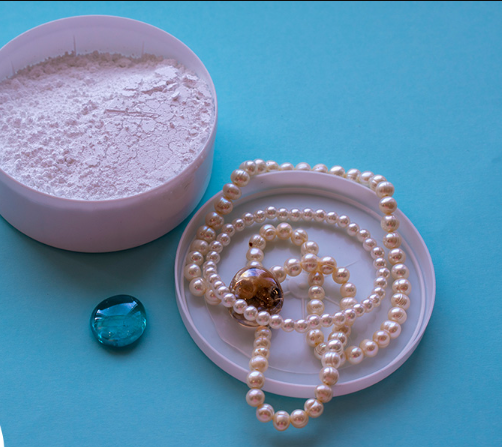
Mukta Pishti: A Natural Calcium Supplement with Cooling Benefits
When people think of Ayurveda, they often associate it only with herbal remedies. However, Ayurveda is much broader and includes a specialized branch known as Rasashastra, which deals with the purification and processing of minerals and gems. These substances are meticulously converted into fine, nano-particle powders called Pishti—highly potent, easily absorbable Ayurvedic formulations. One such powerful Pishti is Mukta Pishti, made from purified pearls. Known for its cooling, calming, and rejuvenating properties, Mukta Pishti offers therapeutic benefits that go beyond conventional herbal medicine. In this blog, we will explore the preparation, benefits, and uses of Mukta Pishti in Ayurvedic healing. What is Mukta Pishti Mukta Pishti is an Ayurvedic formulation made from purified pearls (Mukta). It is prepared through an intricate process involving purification (shodhana) and grinding (marana) of pearls with rose water, resulting in a fine, cooling, and easily absorbable nano-calcium compound. Properties of Mukta मुक्ता शुभ्रा स्थिरा चिक्का स्निग्धा शीता प्रियदर्शना। मधुरा लघुरप्युष्णा रक्तपित्तहरा परा॥Rasaratna Samuccaya – Chapter 24 (Ratnavarga) Mukta (pearl) is white, smooth, stable, unctuous, cooling, and pleasing in appearance.It has a sweet taste, is light, and mainly pacifies Pitta and Rakta (blood).It is highly effective in raktapitta (bleeding disorders), heart diseases, fever, mental agitation, and acid-peptic disorders. Rasa (Taste): Madhura (Sweet)Virya (Potency): Sheeta (Cooling)Vipaka (Post-digestive effect): MadhuraGuna: Laghu (Light), Snigdha (Unctuous)Effect on Doshas: Balances Pitta and Vata Preparation of Mukta Pishti The classical process of Mukta Pishti preparation involves: Shodhana (Purification) – Pearls are purified using acidic mediums like lemon juice or sour buttermilk to remove impurities.Grinding (Pishti Karana) – The purified pearls are finely ground with Gulab Jal (rose water) in a mortar and pestle under sunlight.Pishti Formation – Continuous trituration (grinding) for several hours results in a fine white paste that is then dried and powdered. Benefits of Mukta Pishti 1.Acts as Antacid and gives Digestive Relief Mukta Pishti has natural cooling (Sheetal) and alkaline nature that helps reduce burning sensations in the stomach and chest, while its mild astringent and sweet (Madhura) rasa supports mucosal healing and relieves discomfort. Unlike chemical antacids, Mukta Pishti works gently on the system and also balances Pitta dosha, the root cause of many acid-related digestive disorders in Ayurveda. 2. Natural Calcium Supplement Mukta Pishti serves as an excellent natural source of bioavailable calcium in Ayurveda. Made from purified pearls, it contains high-quality calcium carbonate in a finely processed form that is easily absorbed by the body without causing heaviness or constipation like some synthetic supplements. This makes it particularly beneficial for strengthening bones and teeth, supporting joint health, and preventing calcium deficiency disorders such as osteopenia or osteoporosis. 3. Skin Benefits Mukta Pishti offers remarkable benefits for skin health due to its cooling, detoxifying, and Pitta-pacifying properties. In Ayurveda, excessive Pitta is often responsible for skin issues like acne, rashes, inflammation, burning sensations, and rosacea. Mukta Pishti helps calm the internal heat, purify the blood, and reduce skin sensitivity and redness. Its rich mineral content and natural calcium also contribute to skin regeneration, improved texture, and a radiant complexion. Regular use under proper guidance can support healing of chronic skin conditions such as urticaria, eczema, and allergic reactions. 4. Heart Health & Emotional Calm Mukta Pishti is highly valued in Ayurveda for promoting both heart health and emotional balance. Its natural cooling and Pitta-shamak (Pitta-pacifying) qualities help calm the mind, reduce irritability, and alleviate stress-related symptoms like palpitations and anxiety. It acts as a cardiac tonic, strengthening the heart muscles and supporting healthy circulation. 5. Beneficial in Pitta Disorders With its Sheetal (cooling) potency and Madhura (sweet) taste, it directly pacifies aggravated Pitta dosha, which is often responsible for conditions involving heat, inflammation, acidity, and emotional disturbances. It is especially beneficial in pittaj disorders like Amlapitta (acid reflux), Raktapitta (bleeding disorders), hyperacidity, burning sensations, and inflammatory skin conditions like psoriasis,eczema,urticaria,Migraine. By calming excess heat in the body and mind, Mukta Pishti supports overall balance and prevents the progression of Pitta imbalances into chronic disease. 6. High Potency, Fast Absorption Prepared through the traditional Ayurvedic process of Bhavana (triturating with rose water) and Shodhana (purification), the pearl is converted into a micro-fine, nano-particle form. This allows it to be easily absorbed at the cellular level, ensuring quick action even in very small doses. Unlike conventional mineral supplements, which can be heavy on digestion or slow to act, Mukta Pishti works gently and efficiently—making it ideal for patients who need fast-acting yet safe solutions. Dosage and Anupan (Vehicle) Dose: 125 mg to 250 mg once or twice dailyAnupan (vehicle): Honey, rose water, milk, or ghee – depending on conditionAlways taken under the guidance of an Ayurvedic physician Conclusion Mukta Pishti is a gem among Ayurvedic formulations—literally and therapeutically. With its cooling, calming, and rejuvenating properties, it stands as a valuable remedy for heart, mind, bones, and digestive health. However, as with any Rasaushadhi (mineral-based medicine), it must be used judiciously under expert supervision.
Read more
Ritucharya in Ayurveda: Seasonal Regimen for Lifelong Wellness
According to Ayurveda, our body is governed by three fundamental energies or Doshas—Vata, Pitta, and Kapha. A state of balance among these Doshas ensures health, while their imbalance becomes the root cause of various diseases. Interestingly, these Doshas do not remain static—they fluctuate with seasonal changes. Each season tends to aggravate a particular Dosha, making the body more vulnerable to related disorders. To maintain harmony and prevent seasonal imbalances, Ayurveda recommends a disciplined seasonal routine known as Ritucharya. Ritucharya provides season-specific dietary, lifestyle, and behavioral guidelines that help in pacifying the aggravated Dosha, thereby keeping the body and mind in sync with nature. What is Ritucharya? According to classical Ayurvedic texts the year is divided into six ritus (seasons)- Basant Ritu(Spring Season),Grishma Ritu(Summer Season),Varsha Ritu(Rainy Season),Sharad Ritu(Autumn Season),Hemant Ritu(Winter Season),Shishir Season(Late Winters).Ritu means Season,Charya means Routine, regimen, conduct, lifestyle hence ritucharya means seasonal routine to maintain the three body doshas in equilibrium is called Ritucharya. Basant Ritucharya (Spring regime)- Kapha dosha is aggravated due to the warmth and liquefaction of accumulated Kapha from winter.If not balanced, it may lead to heaviness, congestion, lethargy, and other respiratory and metabolic issues. Ahara (Diet)-Prefer light, dry, warm, and easily digestible foods like Barley, wheat, old rice, green gram (moong dal),Bitter, pungent, and astringent tastes (tikta, katu, kashaya),Honey (natural Kapha pacifier),Spices like black pepper, ginger, turmeric, cinnamonAvoid:Dairy, cold and oily foods, sweets, and heavy food,Excessive sleeping during the day and overeating Vihara (Lifestyle)-Physical activity is crucial—engage in brisk walks, yoga, or light exercise to balance Kapha.Avoid day sleep, as it further aggravates KaphaExposure to mild sunlight is beneficial.Panchakarma Regular abhyanga (oil massage) followed by udvartana (dry powder massage) helps in Kapha shodhana.Nasya and Dhoompan clears excess Kapha from sinuses.Vamana karma (therapeutic emesis) is the primary Panchakarma indicated in Basant Ritu to eliminate aggravated Kapha. Herbs to be used in Basant Ritu-Trikatu,Tulsi,Vasa,Ginger,Honey "वसन्ते कफवृद्धिर्भवति।तस्मात् कफविनाशनं यत् तत्तत् प्रयोज्यम्।तेन शीतेनाधिकं व्यायामः, रुक्षोष्णलघु आहारः।धूमपानं, अभ्यङ्गमुद्वर्तनं, वमनं, गार्शयामश्च उपयोग्याः॥" — Ashtanga Hridaya, Sutrasthana, Chapter 3 "In Vasanta Ritu (spring), Kapha dosha naturally increases. Therefore, all measures that eliminate or pacify Kapha should be practiced—such as increased exercise, intake of light, dry, and warm foods, medicated smoking (Dhoomapana), oil massage (Abhyanga), dry massage (Udvartana), therapeutic emesis (Vamana), and wearing light clothing. Grishma Ritu (Summer Regime)- This period is characterized by intense heat, dryness, and depletion of body strength due to the dominance of Agni (sun/fire element).Vata is mildly accumulated due to dryness and heat.Pitta is in a balanced state but starts to increase.Kapha is reduced, so there’s usually lightness in the body. Ahara (Diet) –Sweet (madhura), Bitter (tikta), Astringent (kashaya) ras pradhan food should be taken.Water-rich fruits like watermelon, cucumber, muskmelon and Cooling foods like rice, milk, ghee should be consumed.Herbal drinks: sharbat, sattu, sugarcane juice, amla juice, buttermilk, coconut water should be added in diet Avoid:Spicy, sour, salty, fermented, and oily foods,Excessive fried and hot foods,Alcohol, caffeine, and carbonated drinks which increases heat and vaat in the body.Vihara (Lifestyle) –Avoid exertion, physical overactivity, and sun exposure during middayWear light, breathable cotton clothing,Use sandalwood paste, rose water, and fragrant flowers for cooling effect.Sleep during night should be adequate; daytime naps are acceptable in this season Panchakarma-Abhyanga (oil massage) with cooling oils like chandanadi taila or coconut oil. 4.Herbs beneficial in Grishma Ritu-Shatavri,Amla,Yashtimadhu,usheer Varsha Ritucharya (Rainy season Regime)- Varsha Ritu (Rainy Season) is the monsoon period, typically occurring from mid-July to mid-September (Shraavana and Bhadrapada months). During this season, the environment becomes damp and cold, Agni (digestive fire) weakens, and Vata dosha becomes aggravated . Ahara (Diet)-Laghu and easily digestible food like moong dal soup, yusha (light gruels).Use of ghee – pacifies Vata.Sour, salty, and mildly spicy foods are beneficial – pacify Vata.Use old grains like rice and barley.Avoid heavy, oily, cold, and raw foods. Vihara (Lifestyle)Massage with medicated oils like Dhanwantharam tailam or Narayana tailam to pacify vaat dosh.Avoid day sleep, excessive exposure to cold wind, and fasting Panchakarma-Abhyanga (oil massage),Basti. Herbs used-Trikatu, Chitrak, Musta to stimulate digestion. वर्षासु जीर्णान्नपानसेवी लघूष्णस्निग्धाहारः | दिवास्वप्नवर्जितः स्यात् पानं जलस्य चाग्निसंस्कृतस्य ||Ashtanga Hridaya – Sutrasthana (Chapter 3: Ritucharya) In the Varsa Ritu (monsoon season), one should consume easily digestible (jīrṇa) food and drinks,Prefer light (laghu), warm (usna), and unctuous (snigdha) food.Avoid daytime sleep (divasvapna).Drink water that has been boiled and cooled, i.e., processed by fire (agnisaṁskrta jala) to maintain digestive strength and prevent disorders. Sharad Ritucharya(Autumn Season) Sharad Ritu is the autumn season, occurring from mid-September to mid-November (Ashwin & Kartik months). This is the time when Pitta dosha becomes aggravated due to the heat of the sun and the previous accumulation in Varsha Ritu. Hence, Pitta-pacifying diet and lifestyle are recommended during this season. Ahara (Diet) – Pitta-Pacifying Food-Sweet (madhura), bitter (tikta), and astringent (kashaya) taste preferred.Cool, light, and easily digestible food items.Avoid sour, salty, spicy, and oily foods. Vihara (Lifestyle)-Avoid overexposure to sunlight and excessive physical activity.Practice Chandana lepana (applying sandalwood paste) to calm body heat.Night awakening and day sleep should be avoided. Panchakarma-Virechan and Raktmokshan is best recommended in this season to expel aggravated Pitta. Herbs used-Avipattikar churna, Draksha, Haritaki, Amalaki शरदि पित्तं प्रकुप्यति तस्मात् पित्तहरं सेवनम् | तिक्तं शीतं कषायं च लघु स्निग्धं च भोजनम् || Charaka Samhita – Sutrasthana Adhyaya 6 (Ritucharya) In Sharad Ritu, Pitta dosha gets aggravated. Hence, one should follow a Pitta-pacifying regimen, Food with sweet, bitter, and astringent tastes is advised in Sharad Ritu to pacify Pitta.Drinking cool water (not cold), especially boiled and then cooled, is beneficial in Sharad Ritu. Hemant Ritucharya(Winter Regime)- Duration of Hemant ritu is Mid-November to Mid-January (Margashirsha & Pausha Months) Ahara-Heavy, warm, unctuous (snigdha) and nourishing (brimhana) foodsSweet (madhura), sour (amla), and salty (lavana) rasa.Ghee, butter, milk, sesame oil.Urad dal, old rice, wheat, barley Avoid-Dry, cold, and light foods,Fasting or skipping meals Vihar-Regular exercise (vyayama) to utilize strong digestive power.Take sunbath (suryasevana) in morning for warmth and vitamin DWear warm clothes, protect from cold winds.Use warm water for bathing Panchakarma-Basti,Abhayang हेमन्ते शीते वायौ स्थूले भूतेऽभितो वृते | जायते बाह्यतः शीतो जठराग्निर् विवर्धते ||Charaka Samhita – Sutrasthana 6 In Hemanta Ritu (early winter), due to the dominance of cold (śīta) and the covering by gross elements (sthūla bhūta).The external cold increases, leading to enhancement of the internal digestive fire (jaṭharāgni). Shishir Ritucharya(Late Winter Regime)- Duration of Shishir ritu is Mid-January to Mid-March (Magha & Phalguna Months) Ahara (Diet Regimen)-Heavy, oily, sweet, sour, and salty foods to pacify Vata.Ghee, sesame oil, milk, jaggery,Wheat, rice, urad dal, meat soup should be used. Avoid:Dry, light, cold, bitter, or astringent foods.Cold drinks, salads, fasting Vihara (Lifestyle Regimen)-Abhyanga (daily oil massage) with til taila (sesame oil).Exercise (vyayama) should continue moderately.Wear warm clothing, protect from wind and cold.Bathe with hot water, apply lepa (herbal paste) if needed.Spend time in sunlight (surya sevan) for natural heat. शिशिरे शीतगुणोत्तर्षात् वायुः प्रकुप्यति सञ्ज्वरः |लघु तिक्तं कषायं च रुक्षं भोजनमुच्यते ||Charaka Samhita – Sutrasthana Adhyaya 6 (Ritucharya) Due to the extreme cold quality in Śiśira Ritu, Vata dosha becomes aggravated.Therefore, one should take unctuous, heavy, warm, and sweet food during shishir ritu. Conclusion- Ritucharya, the seasonal regimen described in Ayurveda, is a profound and practical approach to maintaining health and preventing disease by living in harmony with nature's rhythms. Each season brings specific changes in climate that influence the balance of doshas (Vata, Pitta, Kapha) in the body. By adjusting our diet, lifestyle, and routines according to seasonal changes, we can enhance immunity, improve digestion, and maintain physical and mental well-being.
Read more
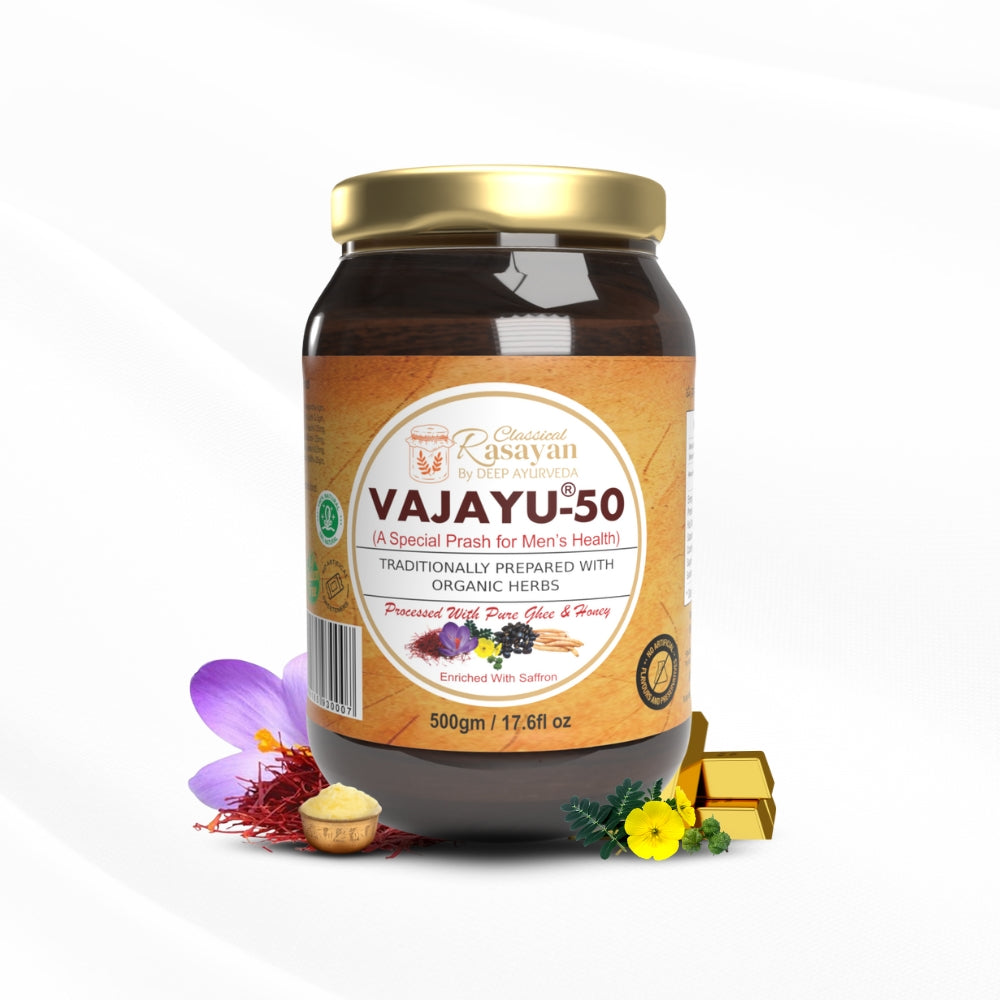
Best Ayurvedic Chyawanprash for Men’s Sexual Health
15% off Top Rated Ayurvedic Chyawanprash for Men’s Sexual Health ★★★★★ (4.8/5) ✅ 100% Ayurvedic & Safe ✅ Improves Control & Timing ✅ Enhances Sexual Stamina ✅ Supports Healthy Testosterone Levels ✅ Strengthens Reproductive Health ✅ Promotes Holistic Sexual Wellness ₹ 1,599 ₹ 1,874 BUY NOW Discover the top 5 powerful formulations that nourish men's vitality naturally. When it comes to enhancing men’s sexual health naturally, Ayurvedic Chyawanprash stands out as a time-tested, holistic remedy. Known for its rejuvenating properties, Chyawanprash is much more than a traditional immunity booster—it’s also a potent Rasayana that can support male reproductive health, stamina, and vitality. If you’ve been searching for the best Ayurvedic Chyawanprash that promotes energy, vigor, and hormonal balance, this article is for you. We’ll explore five leading brands, including Deep Ayurveda’s Vajayu 50 Prash, and their unique herbal formulations crafted specifically to boost men’s sexual health. Why Ayurvedic Chyawanprash for Men’s Sexual Health? Ayurvedic Chyawanprash is an ancient herbal jam made from a blend of Rasayana herbs, Amla (Indian gooseberry), and a wide range of Vaji-karana dravyas (aphrodisiac herbs). These ingredients: Enhance testosterone levels naturally Improve stamina and libido Strengthen Shukra dhatu (reproductive tissue) Support nervous system and stress management Ayurveda believes that a well-nourished Shukra dhatu leads to enhanced sexual health in men. With regular use, the right chyawanprash can be an excellent daily tonic to enhance overall wellness and reproductive strength. 1. Deep Ayurveda Vajayu 50 Prash – Best Ayurvedic Chyawanprash for Men’s Sexual Health Vajayu 50 Prash by Deep Ayurveda is a highly specialized Ayurvedic Chyawanprash formulated to revitalize men’s physical and reproductive health. Enriched with over 50 potent herbs, this Rasayana strengthens stamina, supports hormonal balance, and enhances sexual confidence. Key Ingredients: Shilajit – Natural testosterone booster Ashwagandha – Reduces stress & enhances sperm quality Safed Musli – Improves strength & endurance Kaunch Beej – Supports sperm count and motility Amla – Rich antioxidant to improve immunity Gokshura & Shatavari – Support reproductive wellness Kesar - Enhancing vigor and libido and is a Rasayan Gold bhasma - Rejuvenates all seven dhatus (body tissues), especially Shukra Dhatu (reproductive tissue) Why Vajayu 50 Prash? 100% classical Ayurvedic formulation No added sugar or artificial flavors only natural jaggery and Desi Cow Ghee is used Recommended by Ayurvedic doctors for men’s reproductive health Strengthens body tissues from within Deep Ayurveda’s Vajayu 50 Prash is widely endorsed by men’s sexual health doctors and is ideal for modern men facing fatigue, stress, and hormonal imbalance. 2. Zandu Kesari Jivan Chyawanprash Zandu's premium chyawanprash variant, Kesari Jivan, is known for its energizing effect, especially for aged individuals and working men. It is a gold-enriched Ayurvedic Chyawanprash with a luxurious formula. Key Ingredients: Kesar (Saffron) – Boosts stamina & sperm health Amla – Supports immunity & detoxification Shilajit – Enhances male vitality Ashwagandha – Reduces anxiety and improves performance Highlights: Good for men over 40 experiencing fatigue Mildly sweet and palatable taste Regularly recommended by men’s sexual health doctors for general vigor While it’s not exclusively for male sexual health, Zandu Kesari Jivan provides excellent foundational nourishment. 3. Dhootpapeshwar Swamala Chyawanprash A powerhouse Rasayana, Swamala by Dhootpapeshwar is a rich, ghee-based Ayurvedic Chyawanprash infused with premium herbs and Suvarna Bhasma (gold ash) for deep rejuvenation. Key Ingredients: Suvarna Bhasma – Rejuvenates body tissues Makardhwaj – Renowned aphrodisiac compound Shatavari & Ashwagandha – Adaptogens for strength Amla, Pippali, Vanshlochan – Classic immunity and digestion support Ideal For: Men with chronic fatigue and low libido Those undergoing post-illness recovery Daily Rasayana for sexual vitality Swamala is considered a heritage product in Ayurveda and is often prescribed for men’s sexual health and mental rejuvenation. 4. Charak Pharma Chyawanprash Avaleha Charak Pharma offers a traditional-style Ayurvedic Chyawanprash that is rooted in classical Ayurvedic formulations. It’s effective for building immunity, vigor, and mental strength. Key Ingredients: Vidarikand & Gokshura – Enhance reproductive wellness Amla – Strengthens Ojas Pippali & Guduchi – Detox and metabolism boosters Shatavari – Enhances hormonal balance Suitable For: Young men needing preventive care Daily nourishment for sperm and semen quality Mild support for sexual health and energy Though not as potent as Vajayu 50 Prash, Charak's chyawanprash is still a solid Rasayana choice for male wellness. 5. Dabur Chyawanprash The most recognized brand in India, Dabur Chyawanprash is a household staple. While it is not solely designed for sexual health, its wide range of herbs indirectly supports men’s sexual health and overall vitality. Key Ingredients: Amla – Core rejuvenator in Ayurveda Pippali – Enhances digestion and bioavailability Bala, Vidari, and Shatavari – Mild reproductive tonic herbs Pros: Easily available Affordable daily tonic for immunity & strength Helps build a base for more targeted therapies If you’re starting out and looking for an entry-level Ayurvedic Chyawanprash, Dabur can be a good foundation, though not a dedicated men’s sexual health tonic. How to Take Ayurvedic Chyawanprash for Sexual Health For best results: Take 1–2 teaspoons daily with warm milk or lukewarm water Morning or evening on an empty stomach is ideal Follow it regularly for 2–3 months for visible improvements Consult a certified men’s sexual health doctor for chronic issues Key Benefits of Using Ayurvedic Chyawanprash for Men’s Sexual Health Enhances Shukra Dhatu (reproductive fluid) Improves testosterone and sperm health Boosts stamina, libido, and performance Reduces stress, anxiety, and fatigue Supports immune and digestive systems With rising stress and poor lifestyle habits affecting male health today, switching to a daily dose of Ayurvedic Chyawanprash can work wonders—not just for immunity, but also for long-term hormonal health. Choose the Right Chyawanprash Wisely While all the above brands offer great value, Deep Ayurveda’s Vajayu 50 Prash ranks highest as the best Ayurvedic Chyawanprash for men’s sexual health. It’s specially formulated with classical Vajikarna herbs to naturally improve reproductive power, stamina, and mental clarity. Whether you're facing issues like low energy, poor libido, or fatigue, Vajayu 50 Prash is your ideal companion. Other premium options like Swamala, Zandu Kesari Jivan, Charak, and Dabur also contribute to overall wellness and are recommended for different needs and age groups. When in doubt, always consult an experienced men’s sexual health doctor to choose the right Rasayana for your unique constitution (Prakriti) and health goals.
Read more