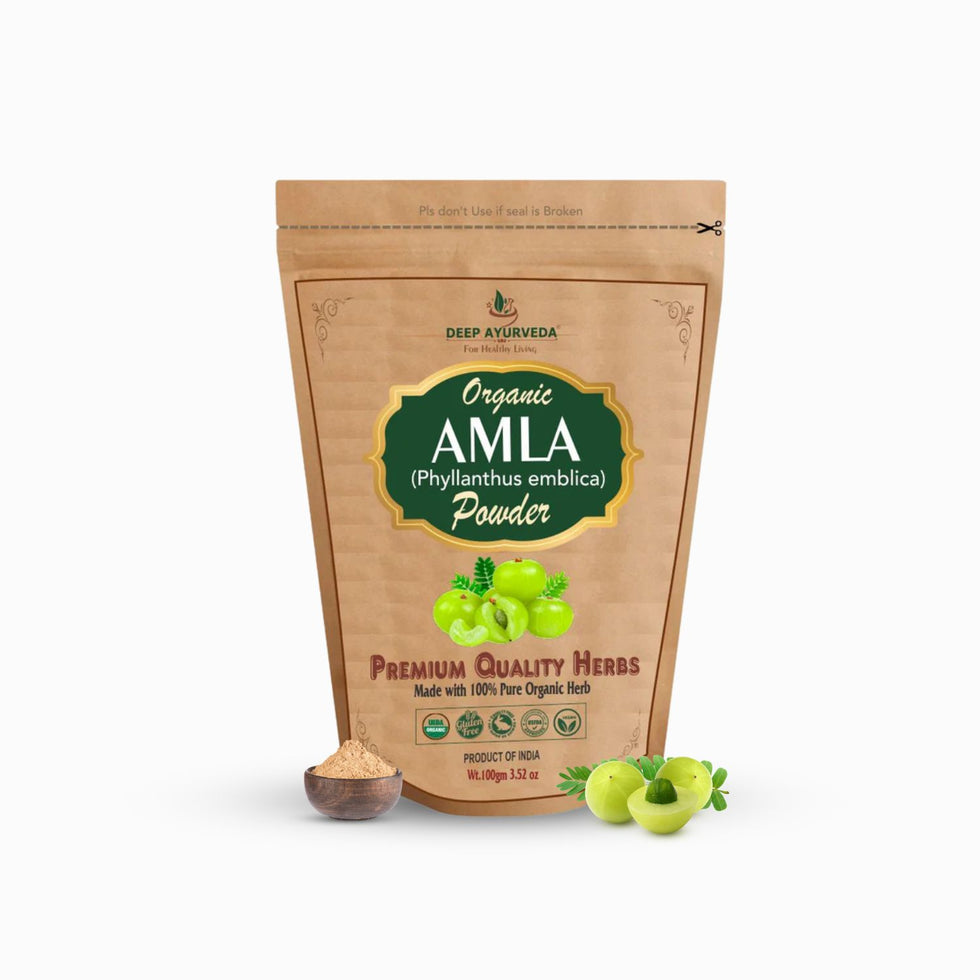
Deep Ayurveda Organic Amla Powder
✅ 100% Natural ✅ Lab-Tested ✅ Rich in Vitamin C ✅ Supports Digestion ✅ Enhances Hair & Skin Health ✅ Properties Natural Detoxifier
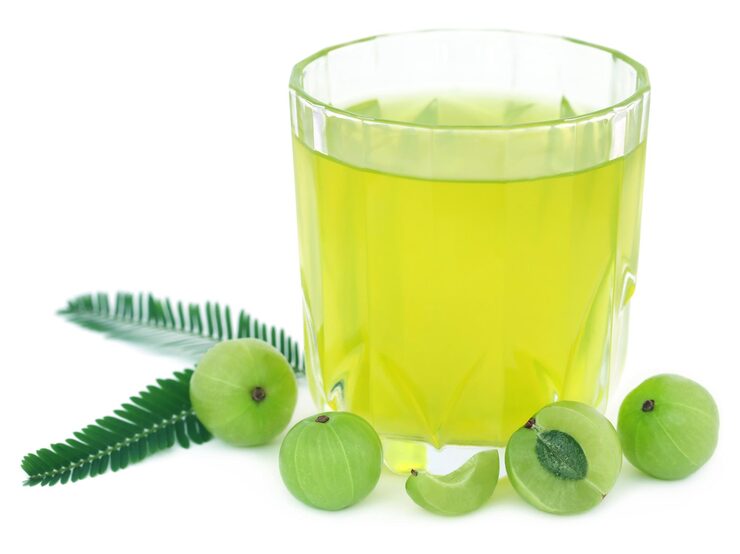
Amla juice (Indian Gooseberry) is one of the most powerful Ayurvedic Rasayana remedies known for boosting immunity, improving digestion, enhancing skin and hair health, and balancing all three doshas—Vata, Pitta, and Kapha. Rich in Vitamin C, polyphenols, and antioxidants, modern research also supports its role in improving liver function, regulating blood sugar, and slowing aging processes.
As an Ayurvedic practitioner, I consider Amla not just a fruit, but a complete rejuvenation therapy for long-term health and vitality.
What is Amla Juice in Ayurveda?

In Ayurveda, Amla (Amalaki) is described as a Rasayana dravya, meaning it is deeply rejuvenating for the body. It supports longevity, strengthens immunity, and helps in the natural repair and nourishment of body tissues over time. Because of these properties, it has been widely used in classical formulations for maintaining long-term health.
Key Ayurvedic Properties
Rasa (Taste):
Amla is predominantly sour in taste, but it uniquely contains almost all the other tastes except salty, which is why it has a broad balancing effect on the body.
Virya (Potency):
Its cooling potency helps calm excess heat in the body, making it especially beneficial in conditions related to acidity, inflammation, and Pitta imbalance.
Vipaka (Post-digestive effect):
After digestion, Amla produces a sweet post-digestive effect, which contributes to tissue nourishment and overall strength.
Dosha Effect:
Amla is one of the few natural substances that can balance all three doshas—Vata, Pitta, and Kapha—when used appropriately.
Unlike most sour foods, Amla does not aggravate Pitta. Instead, it helps regulate it, which makes it especially valuable in Ayurvedic therapeutics.
12 Scientifically Proven Amla Juice Benefits
1. Boosts Immunity Naturally
From an Ayurvedic perspective, Amla enhances Ojas, the essence responsible for immunity and vitality.
Modern science confirms that Amla is extremely rich in Vitamin C and antioxidants, which help fight infections and oxidative stress.
2. Improves Digestion & Gut Health
Amla supports healthy digestion by gently stimulating Agni (digestive fire) without creating excess heat in the body. In my clinical experience, regular intake of amla juice helps reduce acidity, enhances nutrient absorption, and maintains a balanced gut environment by supporting healthy intestinal function.
3. Supports Liver Detoxification
Amla works as a gentle yet effective liver tonic by supporting natural bile flow and improving the liver’s ability to process and eliminate toxins. In my clinical practice, I have observed that regular use of diluted amla juice can be beneficial in managing early-stage fatty liver and sluggish digestion linked to poor liver function.
4. Helps Control Blood Sugar Levels
Amla juice supports better blood sugar control by gradually improving insulin sensitivity and reducing sudden spikes after meals. it is commonly used in managing Madhumeha (diabetes) as it helps strengthen metabolic function (Agni) and nourishes body tissues without increasing sugar load.
5. Enhances Skin Glow & Slows Aging
Amla supports skin health by promoting collagen production, which helps maintain firmness and reduce early signs of aging like fine lines and wrinkles. Its natural blood-purifying properties improve skin clarity from within, leading to a more even-toned and radiant complexion with regular use.
6. Promotes Hair Growth & Prevents Hair Fall
Amla plays a vital role in nourishing the scalp and strengthening hair roots due to its rich antioxidant and micronutrient profile. According to Ayurveda, regular use of Amla is known to reduce dandruff, delay premature greying, and gradually improve overall hair density and texture.
7. Improves Eye Health
Amla is considered Chakshushya (beneficial for the eyes) as it helps nourish the optic tissues and supports overall eye function. Regular consumption may reduce eye strain caused by prolonged screen exposure and gradually support better visual clarity over time, especially when linked to nutritional deficiency or fatigue.
8. Supports Heart Health
Amla plays an important role in maintaining cardiovascular health by supporting healthy cholesterol balance and improving blood vessel function. Regular consumption may help promote better circulation and reduce long-term cardiac risk.
9. Aids in Weight Management
Amla supports healthy weight management by improving digestion and helping the body process fats more efficiently. In Ayurveda, it reduces the accumulation of Ama (toxins), which is often a root cause of slow metabolism and unwanted weight gain.
10. Enhances Brain Function
Amla plays an important role in nourishing Majja Dhatu (the nervous system) in Ayurveda. With regular use, it helps improve mental clarity, supports better concentration, and reduces fatigue caused by stress or overwork, making it beneficial for overall cognitive well-being.
11. Balances Hormones Naturally
From an Ayurvedic perspective, Amla helps stabilize the endocrine system by nourishing the Rasa and Shukra Dhatus, which are closely linked to hormonal health. In clinical practice, its regular use is often observed to support conditions like thyroid imbalance and PCOS by improving metabolism and reducing internal inflammation, while also helping maintain a more regular menstrual cycle.
12. Reduces Inflammation
Amla possesses potent anti-inflammatory properties that help in managing chronic inflammation at a cellular level. In clinical practice, it is often used to support conditions like joint discomfort and inflammatory imbalances by reducing oxidative stress and stabilizing immune responses.
Amla Juice According to Your Prakriti
In Ayurveda, no single remedy is universally suitable in the same way for everyone. The effect of Amla juice varies depending on an individual’s Prakriti (body constitution), so its method of consumption should be slightly adjusted for optimal results.
Vata Prakriti
Individuals with a dominant Vata constitution often have a sensitive digestive system and a tendency toward dryness. For them, Amla juice should ideally be taken with lukewarm water and a small pinch of rock salt to improve digestion and prevent any discomfort. It is generally better to avoid taking it on a completely empty stomach if there is sensitivity.
Pitta Prakriti
Since Amla has a naturally cooling potency, it is especially beneficial for Pitta-dominant individuals who tend to experience excess heat in the body. Taking Amla juice on an empty stomach in the morning helps in balancing Pitta effectively, and it can also be combined with aloe vera juice to enhance its soothing and cooling effects.
Kapha Prakriti
Kapha individuals usually have a slower metabolism and may experience heaviness or sluggish digestion. For them, Amla juice works best when taken with a small amount of honey and warm water in the morning, as this combination helps stimulate metabolism and supports better digestion.
Best Time to Drink Amla Juice

Drinking amla juice early in the morning on an empty stomach allows better absorption of its nutrients and supports natural detoxification processes in the body. It can also be taken before meals in small quantities to gently stimulate digestive fire (Agni) and improve overall digestion.
Due to its cooling potency, amla juice is especially beneficial during the summer season, when the body is more prone to heat-related imbalances.
How Much Amla Juice Should You Take Daily?
From an Ayurvedic perspective, the dosage of amla juice should always be moderate and consistent rather than excessive. For a healthy adult, consuming around 20–30 ml of fresh amla juice daily is generally sufficient to experience its long-term benefits.
It is advisable to dilute the juice with water in a 1:3 ratio, as this makes it easier to digest and allows better absorption without disturbing the body’s natural balance. If you are just starting, begin with a smaller quantity such as 10 ml and gradually increase the dosage as your system adapts.
In my clinical practice in Purshveda Ayurvedic Clinic, I often emphasize that regular and disciplined intake is far more effective than consuming larger quantities inconsistently.
Side Effects & Who Should Avoid
Although Amla juice is considered one of the safest natural remedies in Ayurveda, its effects depend largely on an individual’s body constitution, current health condition, and the way it is consumed. In my clinical experience, most issues arise not because Amla is harmful, but because it is taken without proper understanding.
For instance, individuals who already have naturally low blood pressure should be cautious. Amla has a mild hypotensive effect, meaning it can further lower blood pressure if consumed in excess or without monitoring. Similarly, people who frequently experience cold, cough, or respiratory sensitivity may notice an increase in symptoms, especially if Amla juice is taken in cold weather or without balancing ingredients like honey or warm water.
Pregnant and breastfeeding women should also avoid self-prescribing Amla juice in medicinal quantities. While small amounts in natural form are generally safe, concentrated juice used daily should only be taken under the guidance of a qualified practitioner, as it can influence digestion and metabolic balance.
Another important consideration is for those taking blood-thinning medications. Amla naturally supports blood circulation and may enhance the effect of such medicines, so combining both without supervision is not advisable.
Overconsumption is another common mistake I observe. When taken in excess, Amla can create dryness in individuals with a dominant Vata constitution, leading to symptoms like dry skin, mild constipation, or a feeling of lightness and depletion. Its cooling nature, though beneficial in most cases, can also become excessive, potentially weakening digestion or causing a sense of internal coldness if not balanced properly.
This is why, in Ayurveda, even the most beneficial substance must be used with the right dose, timing, and personalization. Amla juice is highly effective—but only when used wisely and in alignment with your body’s needs.
Scientific Research on Amla Juice
Modern scientific studies have confirmed many of the traditional benefits of Amla. Research shows that Amla is rich in antioxidants, which help protect the body from oxidative stress and support overall cellular health.
It has been found to aid in regulating blood sugar levels, protect liver function, and slow down age-related changes, aligning closely with the rejuvenating properties described in Ayurveda for thousands of years.
Conclusion
Amla juice is a powerful Ayurvedic Rasayana that boosts immunity, supports digestion, promotes healthy skin and hair, and balances all three doshas. For best results, consume it daily in the right dosage and according to your Prakriti. When used mindfully, Amla juice becomes a simple yet effective way to enhance overall health and vitality.
Frequently Asked Questions
1. What are the main health benefits of drinking amla juice?
Amla juice is a natural tonic rich in Vitamin C, antioxidants, and polyphenols that strengthen immunity, improve digestion, support heart health by lowering LDL cholesterol, aid liver detoxification, help regulate blood sugar, enhance skin glow, and promote hair health. Regular use supports overall wellness and metabolic balance.
2. How does amla juice help in boosting immunity?
Amla has one of the highest natural Vitamin C concentrations among fruits. This antioxidant strengthens white blood cells, helping the body resist infections, reduce severity of colds and flu, and protect tissues from oxidative damage.
3. Can amla juice improve digestion and gut health?
Yes. Amla juice stimulates digestive enzymes, supports regular bowel movements, reduces bloating and acidity, and nourishes beneficial gut bacteria, promoting healthy digestion when taken with warm water before meals.
4. Is amla juice good for skin and hair?
Absolutely. Its Vitamin C and antioxidants enhance collagen production for firmer, clearer skin and help reduce premature aging, pigmentation, and acne. Externally or internally, amla juice strengthens hair follicles, prevents hair fall, and reduces premature greying.
5. Does amla juice help in controlling blood sugar levels?
Amla juice has antidiabetic properties that may help regulate blood glucose by improving insulin sensitivity and slowing glucose absorption, making it supportive for individuals managing blood sugar levels.
6. Can amla juice help with weight loss and metabolism?
Yes. Amla juice boosts metabolism and fat breakdown, reduces fat accumulation, and promotes a feeling of fullness, which together help support healthy weight management as part of a balanced diet.
7. How does amla juice support heart health?
Amla juice’s antioxidants help lower bad cholesterol (LDL), increase good cholesterol (HDL), and reduce oxidative stress on blood vessels. This supports healthy circulation and may reduce the risk of heart disease.