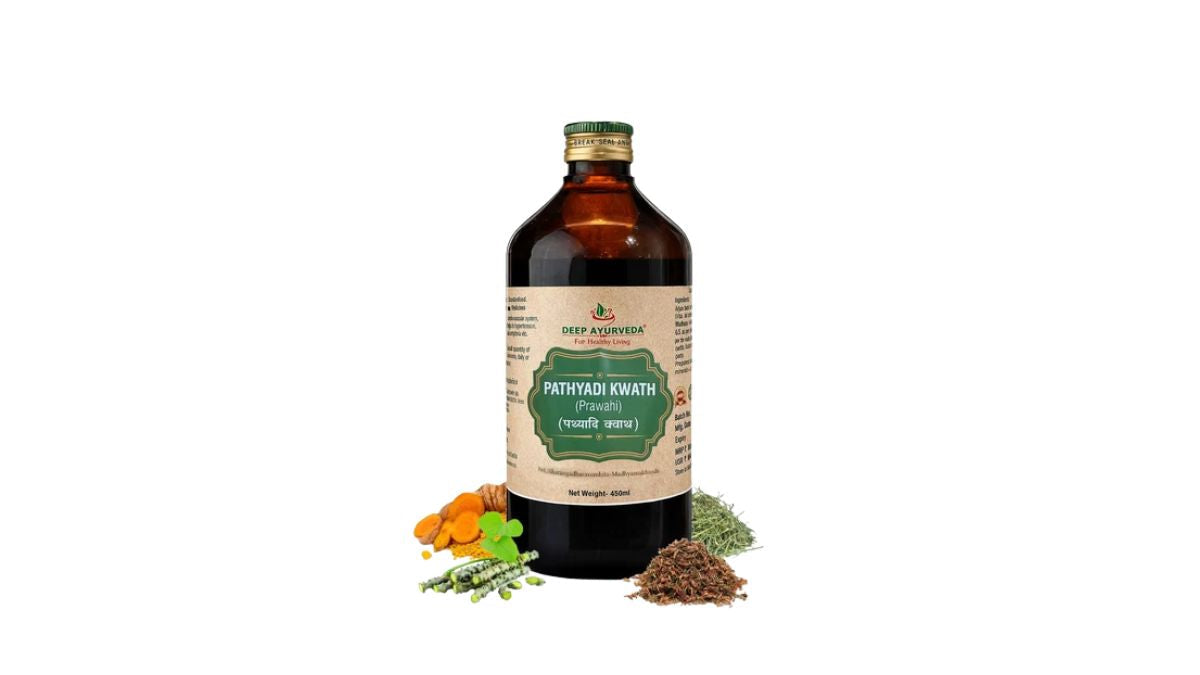
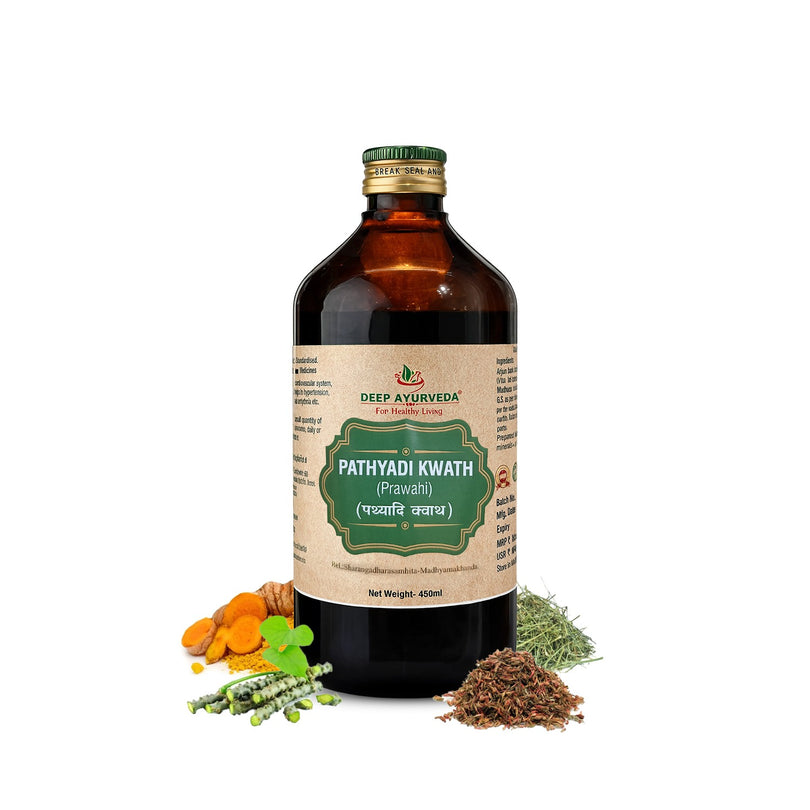
Deep Ayurveda Pathyadi Kwath
✅ Supports Head Comfort ✅ Promotes Eye Health ✅ Supports Healthy Digestion ✅ Supports Liver Function ✅ Helps Maintain Healthy Blood Circulation
Pathyadi Kwath is a classical Ayurvedic herbal decoction traditionally used to support the management of recurrent headaches, migraine-like conditions (Ardhavabhedaka), and disorders associated with aggravated Pitta and Vata Dosha. Its blend of herbs is selected to promote digestive balance, support natural detoxification, and help maintain doshic harmony. In Ayurveda, it is typically recommended as part of a personalized treatment plan that also includes diet, lifestyle, and physician guidance. The exact dosage and duration should always be determined by a qualified Ayurvedic practitioner.
Introduction
Headaches that keep returning, frequent migraines, a feeling of heaviness in the head, or discomfort triggered by heat and stress are concerns many people experience today. While modern medicine often focuses on relieving symptoms, Ayurveda takes a broader approach by understanding the root cause of these recurring problems. Factors such as aggravated Pitta Dosha, disturbed Vata, impaired digestion (Agni), and the accumulation of Ama (metabolic toxins) are traditionally considered important contributors to recurrent head-related disorders.
Pathyadi Kwath is a classical Ayurvedic herbal decoction traditionally used to support the management of conditions associated with Shirah Shoola (headache), Ardhavabhedaka (a condition comparable to migraine in Ayurveda), and other disorders where Pitta and Vata play a significant role. Rather than acting as a simple pain-relief formulation, it is selected by Ayurvedic physicians based on an individual's constitution, symptoms, digestive strength, and overall dosha imbalance.
One of the distinguishing features of Pathyadi Kwath is its carefully selected combination of herbs that traditionally help maintain healthy digestion, support the body's natural detoxification processes, and promote balance in Pitta and Vata. When combined with appropriate dietary habits (Pathya), lifestyle modifications, and physician-guided treatment, it forms part of a holistic Ayurvedic management plan.
In this comprehensive guide, you'll learn:
- What Pathyadi Kwath is and its classical Ayurvedic background.
- The traditional health benefits and uses of Pathyadi Kwath.
- A detailed explanation of each ingredient and its Ayurvedic properties.
- How Pathyadi Kwath works according to Ayurvedic principles.
- Recommended dosage, timing, and precautions.
- Possible side effects and who should avoid it.
- Frequently asked questions answered from an Ayurvedic perspective.
- How Pathyadi Kwath differs from other classical formulations, including a natural comparison with Mahamanjisthadi Kwath where appropriate.
Whether you're exploring Ayurveda for recurring headaches or simply want to understand this classical formulation better, this guide is designed to provide reliable, practical, and evidence-aware information rooted in traditional Ayurvedic principles.
Quick Overview of Pathyadi Kwath
| Parameter | Details |
|---|---|
| Classical Name | Pathyadi Kwath |
| Dosage Form | Ayurvedic herbal decoction (Kwath) |
| Traditional System | Ayurveda |
| Primary Dosha Focus | Pitta–Vata balance |
| Common Traditional Uses | Recurrent headaches, migraine-like conditions (Ardhavabhedaka), and selected Pitta-related disorders |
| Main Ingredients | A blend of classical Ayurvedic herbs (explained in detail later) |
| Recommended Intake | As advised by a qualified Ayurvedic physician |
| Best Time to Take | Typically before meals or as directed by the physician, depending on the individual's condition |
| Suitable For | Adults under professional Ayurvedic guidance |
| Pregnancy & Breastfeeding | Use only under the supervision of a qualified healthcare professional |
| Storage | Store in a cool, dry place away from direct sunlight |
What is Pathyadi Kwath?
Pathyadi Kwath is a classical Ayurvedic herbal decoction (Kwatha Kalpana) prepared using a carefully selected combination of medicinal herbs that are traditionally indicated for Shirah Shoola (headache), Ardhavabhedaka (a condition comparable to migraine in Ayurveda), and disorders associated with aggravated Pitta and Vata Dosha. The formulation is mentioned in classical Ayurvedic literature and has been used for generations by Ayurvedic physicians as part of a holistic treatment approach.
Unlike a conventional pain-relieving medicine that primarily aims to suppress symptoms, Ayurveda views recurrent headaches and migraine as signs of an underlying imbalance within the body. Factors such as weakened digestive fire (Mandagni), the accumulation of Ama (metabolic toxins), irregular lifestyle habits, excessive stress, disturbed sleep, and aggravated doshas are traditionally considered contributors to these conditions. Pathyadi Kwath is selected to address these root causes rather than focusing only on temporary relief.
The name "Pathyadi" comes from Pathya (Haritaki), one of the key herbs in the formulation. In Ayurveda, Haritaki is highly valued for supporting healthy digestion, promoting natural detoxification, and maintaining the normal movement of Vata Dosha. When combined with other classical herbs, the formulation works synergistically to help restore balance and support overall well-being.
Today, Pathyadi Kwath is available in different dosage forms to suit individual preferences and clinical requirements, including:
Classical Kwath Churna (herbal powder used to prepare a fresh decoction)
Ready-to-use liquid decoction
Kwath concentrate or extract
Tablet or capsule forms (offered by some Ayurvedic manufacturers)
Although these modern forms improve convenience, many Ayurvedic practitioners still consider a freshly prepared decoction the traditional method because it aligns with the classical principles of Kwatha Kalpana.
It is important to understand that Pathyadi Kwath is not intended as a one-size-fits-all remedy. In Ayurveda, the same symptom may have different underlying causes in different individuals. For example, two people experiencing recurrent headaches may receive different formulations based on their Prakriti (body constitution), Vikriti (current imbalance), digestive strength, lifestyle, associated symptoms, and overall health status. This individualized approach is one of the core strengths of Ayurvedic medicine.
Why Do Ayurvedic Doctors Recommend Pathyadi Kwath?
An Ayurvedic physician does not prescribe Pathyadi Kwath solely because a person has a headache. Instead, the decision is based on a detailed assessment that may include:
- The dominant Dosha involved (especially Pitta and Vata).
- The frequency, location, and nature of the headache.
- Digestive health (Agni) and the presence of Ama.
- Sleep quality, stress levels, and daily routine.
- Seasonal influences that may aggravate symptoms.
- Associated concerns such as eye strain, acidity, or sinus discomfort.
This personalized evaluation helps determine whether Pathyadi Kwath is the most appropriate formulation or whether another classical preparation may be more suitable.
Ayurveda emphasizes that long-term wellness comes from correcting the underlying imbalance rather than only managing symptoms. Pathyadi Kwath is traditionally chosen as part of a broader treatment plan that may also include dietary modifications, lifestyle changes, stress management, and other supportive therapies recommended by an Ayurvedic physician.
Classical Ayurvedic Reference of Pathyadi Kwath
Pathyadi Kwath is a classical Ayurvedic formulation recognized in traditional Ayurvedic practice and included in the Ayurvedic Formulary of India (AFI). It is traditionally recommended for conditions involving the head where Pitta and Vata Dosha are predominantly aggravated.
According to Ayurvedic principles, disorders such as Shirah Shoola (headache) and Ardhavabhedaka develop when aggravated doshas disturb the normal functioning of the channels (Srotas) supplying the head. Contributing factors may include:
- Excessive intake of spicy, oily, or acidic foods.
- Irregular meal timings and poor digestion.
- Mental stress and emotional strain.
- Sleep deprivation.
- Prolonged exposure to heat or sunlight.
- Accumulation of Ama due to impaired digestion.
The herbs in Pathyadi Kwath are traditionally combined to help balance these disturbances while supporting healthy digestion and the body's natural cleansing processes. Rather than acting as a single-herb remedy, the formulation is designed so that each ingredient complements the others, creating a balanced therapeutic effect according to Ayurvedic principles.
In modern Ayurvedic practice, physicians may also evaluate whether another classical formulation is more appropriate depending on the patient's symptoms. For example, if a patient presents with prominent Pitta imbalance along with skin-related concerns or requires greater Rakta Dhatu support, a physician may consider a different formulation. You can explore our detailed guide on Mahamanjisthadi Kwath to understand how its traditional indications differ from those of Pathyadi Kwath and why each formulation has a distinct role in Ayurveda.
Doctor's Note: Classical Ayurvedic formulations should always be selected based on an individual's complete clinical assessment. Self-medication for persistent or severe headaches is not recommended, as recurring headaches can sometimes indicate underlying medical conditions that require prompt evaluation.
Pathyadi Kwath Ingredients: Complete Herbal Composition & Ayurvedic Properties
The effectiveness of Pathyadi Kwath lies in its carefully balanced combination of herbs. In Ayurveda, a formulation is not created by simply mixing medicinal plants together. Each ingredient is selected based on its Rasa (taste), Guna (qualities), Virya (potency), Vipaka (post-digestive effect), and Dosha Karma (action on doshas) so that the herbs work synergistically rather than individually.
One herb may help balance aggravated Pitta, another may support healthy digestion (Agni), while another promotes the normal movement of Vata Dosha. Together, they create a formulation that addresses the underlying Ayurvedic imbalance instead of focusing on a single symptom.
Below are some of the important herbs traditionally included in Pathyadi Kwath and their Ayurvedic significance.
1. Haritaki (Pathya)
Botanical Name: Terminalia chebula
Haritaki, also known as Pathya, is considered the principal herb of this formulation and is highly respected in Ayurveda for its ability to support digestive health and maintain doshic balance. Since impaired digestion and Ama formation are often considered contributing factors in recurrent headaches, Haritaki plays a foundational role in the formulation.
Ayurvedic Properties
Rasa (Taste): Kashaya (Astringent), with secondary tastes except salty
Guna (Quality): Laghu (Light), Ruksha (Dry)
Virya (Potency): Ushna (Warm)
Vipaka: Madhura (Sweet)
Dosha Action: Helps balance all three doshas, especially Vata.
Traditional Role in Pathyadi Kwath
- Supports healthy digestion and metabolism.
- Helps maintain normal bowel function.
- Assists in reducing Ama according to Ayurvedic principles.
- Supports the proper movement of Vata.
2. Amalaki
Botanical Name: Emblica officinalis (Phyllanthus emblica)
Amalaki is one of Ayurveda's most valued rejuvenating herbs (Rasayana). It is traditionally known for supporting healthy Pitta balance and nourishing body tissues while promoting overall vitality.
Ayurvedic Properties
- Rasa: Predominantly Amla (Sour) with other tastes except salty
- Guna: Laghu (Light), Ruksha (Dry)
- Virya: Sheeta (Cooling)
- Vipaka: Madhura (Sweet)
- Dosha Action: Particularly beneficial for balancing Pitta.
Traditional Role in Pathyadi Kwath
- Supports healthy Pitta balance.
- Promotes tissue nourishment.
- Helps maintain overall well-being.
- Traditionally valued for supporting eye health.
3. Bibhitaki
Botanical Name: Terminalia bellirica
Bibhitaki is another important classical herb traditionally used to support healthy respiratory function, digestion, and natural detoxification. Along with Haritaki and Amalaki, it forms the famous Triphala, one of Ayurveda's most respected herbal combinations.
Ayurvedic Properties
- Rasa: Kashaya (Astringent)
- Guna: Laghu (Light), Ruksha (Dry)
- Virya: Ushna (Warm)
- Vipaka: Madhura (Sweet)
- Dosha Action: Traditionally helps balance Kapha and Pitta.
Traditional Role in Pathyadi Kwath
- Supports digestive wellness.
- Assists the body's natural cleansing processes.
- Complements the action of Haritaki and Amalaki.
- Helps maintain healthy doshic balance.
4. Neem (Nimba)
Botanical Name: Azadirachta indica
Neem has been used in Ayurveda for centuries because of its cooling nature and its traditional role in maintaining healthy Rakta Dhatu (blood tissue) and balancing aggravated Pitta.
Ayurvedic Properties
- Rasa: Tikta (Bitter), Kashaya (Astringent)
- Guna: Laghu (Light), Ruksha (Dry)
- Virya: Sheeta (Cooling)
- Vipaka: Katu (Pungent)
- Dosha Action: Primarily balances Pitta and Kapha.
Traditional Role in Pathyadi Kwath
- Supports Pitta balance.
- Traditionally promotes healthy blood tissue.
- Helps maintain the body's natural cleansing mechanisms.
- Complements cooling herbs in the formulation.
5. Guduchi (Giloy)
Botanical Name: Tinospora cordifolia
Guduchi is regarded in Ayurveda as an important Rasayana herb. It is traditionally used to support immunity, healthy metabolism, and balanced Pitta without aggravating Vata.
Ayurvedic Properties
- Rasa: Tikta (Bitter), Kashaya (Astringent)
- Guna: Laghu (Light), Snigdha (Unctuous)
- Virya: Ushna (Warm)
- Vipaka: Madhura (Sweet)
- Dosha Action: Helps balance all three doshas, particularly Pitta.
Traditional Role in Pathyadi Kwath
- Supports healthy immune function.
- Promotes balanced metabolism.
- Helps maintain normal inflammatory responses as understood in Ayurveda.
- Supports overall rejuvenation.
Why These Herbs Work Better Together
One of the biggest misconceptions is that the benefits of Pathyadi Kwath come from a single herb. In reality, Ayurveda emphasizes the synergistic action of the complete formulation.
Each herb contributes a specific function:
Haritaki supports healthy digestion and helps regulate Vata.
Amalaki provides cooling support and helps maintain Pitta balance.
Bibhitaki complements digestion and natural detoxification.
Neem traditionally supports Rakta Dhatu and cooling balance.
Guduchi contributes rejuvenating and immune-supportive qualities.
Together, these herbs aim to address multiple aspects of the Ayurvedic disease process, including digestion (Agni), metabolic toxins (Ama), doshic imbalance, and tissue nourishment, rather than focusing on a single symptom.
How Pathyadi Kwath Works According to Ayurveda
One of the most important differences between Ayurveda and modern symptom-based approaches is that Ayurveda focuses on understanding why a health problem develops instead of treating only its visible symptoms. From an Ayurvedic perspective, recurrent headaches or migraine-like conditions are not considered isolated disorders—they are often the result of an imbalance involving Doshas, Agni (digestive fire), Ama (metabolic toxins), and the body's Srotas (channels).
Pathyadi Kwath is traditionally selected to help restore this internal balance. Rather than targeting pain alone, the formulation is chosen based on the patient's constitution, digestive health, lifestyle, and the specific dosha involved.
Let's understand this process from an Ayurvedic doctor's perspective.
1. Balancing Aggravated Pitta and Vata Dosha
According to Ayurveda, Pitta Dosha governs metabolism, body heat, vision, and various biochemical processes, while Vata Dosha controls movement, nerve impulses, and sensory functions.
When these two doshas become imbalanced together, a person may experience symptoms such as:
- Recurrent headaches
- Migraine-like pain
- Burning sensation in the head or eyes
- Irritability and sensitivity to light
- Dizziness or heaviness in the head
- Discomfort triggered by heat, stress, or irregular meals
The herbs in Pathyadi Kwath are traditionally selected to support the natural balance of these doshas. Cooling herbs help pacify aggravated Pitta, while digestive and Vata-supporting herbs assist in restoring normal physiological functions according to Ayurvedic principles.
2. Supporting Healthy Agni (Digestive Fire)
Ayurveda considers Agni to be the foundation of good health. When digestion becomes weak (Mandagni), food is not properly processed, which may lead to the formation of Ama.
Poor eating habits that may weaken Agni include:
- Skipping meals
- Eating late at night
- Overeating
- Frequent consumption of processed foods
- Excessively spicy or oily meals
- Irregular meal timings
Instead of looking only at the head, Ayurveda first evaluates the digestive system because impaired digestion is often believed to contribute to recurring health concerns.
Several herbs in Pathyadi Kwath are traditionally known to support healthy digestion and promote efficient metabolism, helping maintain the body's natural digestive balance.
3. Helping Reduce Ama (Metabolic Toxins)
When digestion is incomplete, Ayurveda describes the formation of Ama, a sticky metabolic by-product that can circulate through the body and interfere with the normal functioning of tissues and channels.
According to Ayurvedic principles, Ama may contribute to symptoms such as:
- A feeling of heaviness
- Mental fog
- Reduced appetite
- Fatigue
- Coated tongue
- Recurrent health complaints
Pathyadi Kwath is traditionally used as part of an Ayurvedic treatment plan to support the body's natural cleansing processes and reduce the accumulation of Ama by first improving digestive function.
Simply taking herbal medicine without correcting digestion may provide only temporary results. Ayurveda always combines medicines with appropriate dietary and lifestyle recommendations to address the root cause.
4. Supporting Healthy Srotas (Body Channels)
Ayurveda describes Srotas as the body's transport channels responsible for carrying nutrients, fluids, and vital energy to different tissues and organs.
When these channels are disturbed due to dosha imbalance or Ama accumulation, normal physiological functions may be affected.
In conditions traditionally associated with recurrent headaches, Ayurvedic physicians assess whether the channels supplying the head are functioning optimally. Pathyadi Kwath is selected with the intention of supporting these physiological pathways while promoting doshic balance.
5. Nourishing the Head Through a Holistic Approach
Unlike formulations that are intended only for temporary symptom relief, Pathyadi Kwath is traditionally incorporated into a comprehensive Ayurvedic treatment strategy that may include:
- Personalized dietary recommendations
- Daily routine (Dinacharya)
- Stress management practices
- Adequate sleep
- Seasonal regimen (Ritucharya)
- Yoga and breathing exercises, when appropriate
- Other supportive Ayurvedic therapies based on individual needs
This holistic approach aims to improve long-term well-being rather than focusing solely on episodes of discomfort.
Why Pathyadi Kwath Is Not Just a Headache Medicine
A common misconception is that Pathyadi Kwath is prescribed simply because someone has a headache. In clinical Ayurvedic practice, this is not the case.
An experienced Ayurvedic physician evaluates several factors before recommending the formulation, including:
- Which dosha is predominantly aggravated
- Whether digestion (Agni) is strong or weak
- The presence of Ama
- The frequency and pattern of symptoms
- Triggers such as stress, fasting, sunlight, or certain foods
- The patient's Prakriti (natural constitution) and Vikriti (current imbalance)
This individualized assessment helps determine whether Pathyadi Kwath is the most appropriate classical formulation or whether another medicine would better match the patient's condition.
How Is Pathyadi Kwath Different from Mahamanjisthadi Kwath?
Although both are classical Ayurvedic formulations, they are traditionally selected for different therapeutic purposes.
Pathyadi Kwath is commonly chosen when the clinical assessment indicates a predominance of Pitta-Vata imbalance associated with recurrent headaches, migraine-like conditions, and related concerns.
In contrast, Mahamanjisthadi Kwath is traditionally used when the focus is on supporting Rakta Dhatu (blood tissue), healthy skin, and broader Pitta-related imbalances. If you'd like to understand its classical uses, ingredients, and Ayurvedic perspective, you can read our detailed guide on Mahamanjisthadi Kwath.
This distinction highlights an important Ayurvedic principle: the same dosha imbalance can present differently in different people, which is why medicine selection is always personalized rather than based solely on a disease name.
Pathyadi Kwath Benefits: Traditional Ayurvedic Health Benefits
The benefits of Pathyadi Kwath are best understood through the principles of Ayurveda rather than as a single-purpose herbal remedy. In classical practice, Ayurvedic physicians recommend this formulation after evaluating the patient's Prakriti (body constitution), Vikriti (current imbalance), digestive health (Agni), and the predominant Dosha involved.
Instead of providing temporary symptomatic relief alone, Pathyadi Kwath is traditionally used to support the body's natural healing mechanisms by promoting doshic balance, improving digestion, and reducing the accumulation of Ama (metabolic toxins).
Below are the major traditional benefits associated with Pathyadi Kwath.
1. Traditionally Supports the Management of Recurrent Headaches
One of the primary classical indications of Pathyadi Kwath is Shirah Shoola, a broad Ayurvedic term for different types of headaches.
According to Ayurveda, headaches may arise due to aggravated Pitta, disturbed Vata, poor digestion, stress, irregular eating habits, or the accumulation of Ama. Instead of considering all headaches the same, Ayurveda identifies their underlying cause before selecting a treatment.
Pathyadi Kwath is traditionally used to:
- Support healthy Pitta-Vata balance.
- Help manage recurrent headache episodes.
- Promote overall head comfort.
- Complement dietary and lifestyle modifications advised by an Ayurvedic physician.
Doctor's Note: Persistent, severe, or sudden headaches should always be medically evaluated to rule out serious underlying conditions before considering Ayurvedic management.
2. Traditionally Used in the Ayurvedic Management of Migraine (Ardhavabhedaka)
In Ayurveda, Ardhavabhedaka is a condition whose symptoms are often compared with migraine. It is characterized by intense pain affecting one side of the head, sometimes accompanied by sensitivity to light, sound, or nausea.
Ayurvedic physicians may recommend Pathyadi Kwath when the clinical picture suggests a predominance of Pitta and Vata imbalance.
Its traditional role includes:
- Supporting doshic harmony.
- Promoting digestive balance.
- Helping reduce factors that may contribute to recurring migraine-like episodes.
- Supporting overall neurological well-being from an Ayurvedic perspective.
It is generally used as one component of a comprehensive treatment plan that may also include dietary guidance, stress management, and daily routine modifications.
3. Helps Maintain Healthy Pitta Balance
Excessive body heat, emotional stress, spicy foods, irregular sleep, and prolonged exposure to sunlight are traditionally believed to aggravate Pitta Dosha.
An aggravated Pitta may present with symptoms such as:
- Burning sensation
- Irritability
- Heat intolerance
- Eye discomfort
- Acidic digestion
- Certain headache patterns
The cooling and balancing herbs present in Pathyadi Kwath are traditionally valued for helping maintain normal Pitta function and supporting internal balance.
Maintaining balanced Pitta is considered important not only for head health but also for healthy digestion, vision, metabolism, and emotional well-being.
4. Supports Healthy Digestion (Agni)
Ayurveda considers Agni the foundation of overall health. Weak digestion may contribute to the formation of Ama, which is believed to disturb normal physiological processes.
Several herbs in Pathyadi Kwath traditionally support:
- Healthy digestive fire.
- Proper digestion of food.
- Efficient nutrient assimilation.
- Balanced metabolism.
When digestion functions well, Ayurveda believes the body is better able to maintain doshic balance and overall wellness.
5. Assists the Body's Natural Detoxification Process
Ayurveda describes Ama as incompletely processed metabolic waste that may accumulate when digestion is impaired.
Although the term "detoxification" has a specific meaning in modern medicine, in Ayurveda it refers to supporting the body's natural ability to maintain internal balance and eliminate metabolic waste through healthy digestive and physiological functions.
Pathyadi Kwath is traditionally used to:
- Support digestive efficiency.
- Help reduce Ama formation.
- Promote healthy metabolic processes.
- Encourage physiological cleansing according to Ayurvedic principles.
6. Supports Eye Comfort According to Ayurvedic Principles
Classical Ayurvedic texts recognize a close relationship between Pitta Dosha and the eyes.
When Pitta becomes aggravated, some individuals may experience:
- Eye strain
- Burning sensation
- Watering of the eyes
- Visual discomfort associated with headache episodes
Because Pathyadi Kwath is traditionally selected for Pitta-related head conditions, Ayurvedic physicians may also consider it when eye discomfort accompanies these symptoms.
However, persistent vision problems should always be evaluated by an eye care professional.
7. Promotes Overall Head and Nervous System Wellness
From an Ayurvedic perspective, maintaining balanced Vata Dosha is essential for the proper functioning of the nervous system.
By supporting Vata balance alongside healthy digestion and Pitta regulation, Pathyadi Kwath is traditionally used to promote:
- Mental clarity.
- Comfortable daily functioning.
- Balanced physiological activity.
- Overall head wellness.
This benefit is best achieved when herbal therapy is combined with regular sleep, stress reduction, hydration, and wholesome dietary practices.
8. Supports Holistic Wellness When Combined with a Healthy Lifestyle
One of Ayurveda's core principles is that medicine alone cannot maintain long-term health. Sustainable results depend on the combination of herbal formulations, diet, daily routine, exercise, mental well-being, and seasonal adjustments.
For individuals experiencing recurring Pitta-related concerns, an Ayurvedic physician may also evaluate whether other classical formulations are appropriate based on associated symptoms. For example, when Rakta Dhatu support and skin health become equally important, a physician may consider formulations such as Mahamanjisthadi Kwath. You can explore our detailed guide on Mahamanjisthadi Kwath to understand how its traditional indications differ from those of Pathyadi Kwath.
This individualized approach is one of the defining strengths of Ayurveda, ensuring that treatment is based on the person—not just the condition.
Pathyadi Kwath Uses: Traditional Ayurvedic Indications
In Ayurveda, the uses of Pathyadi Kwath are determined by the individual's Dosha imbalance, Prakriti (body constitution), digestive strength (Agni), and the underlying cause of the condition—not merely by the disease name. This personalized approach helps Ayurvedic physicians choose the most appropriate formulation for each patient.
Traditionally, Pathyadi Kwath is prescribed for conditions where Pitta and Vata Dosha are predominantly aggravated. It is often recommended as part of a comprehensive treatment plan that includes dietary guidance, lifestyle modifications, stress management, and, when required, other Ayurvedic therapies.
Below are the most common traditional uses of Pathyadi Kwath.
1. Shirah Shoola (Recurrent Headaches)
One of the primary classical indications of Pathyadi Kwath is Shirah Shoola, the Ayurvedic term for headache. Unlike modern medicine, Ayurveda recognizes that headaches can develop due to different doshic imbalances, digestive disturbances, or lifestyle factors.
An Ayurvedic physician may consider Pathyadi Kwath when headaches are associated with:
- Pitta-Vata imbalance
- Irregular eating habits
- Stress and mental fatigue
- Heat exposure
- Digestive weakness
- Ama accumulation
Rather than focusing only on relieving pain, the formulation is traditionally selected to address the underlying imbalance contributing to recurrent headaches.
2. Ardhavabhedaka (Migraine-Like Condition)
Ardhavabhedaka is a classical Ayurvedic condition that shares similarities with migraine. It is often described as severe pain affecting one side of the head and may be accompanied by symptoms such as sensitivity to light, sound, or nausea.
According to Ayurveda, repeated migraine episodes may be influenced by aggravated Pitta, disturbed Vata, weakened digestion, emotional stress, and an unhealthy daily routine.
Pathyadi Kwath is traditionally used to support the Ayurvedic management of this condition by:
- Promoting Pitta-Vata balance.
- Supporting healthy digestion.
- Helping reduce Ama formation.
- Complementing lifestyle and dietary corrections.
Because migraine triggers vary from person to person, Ayurvedic treatment is always individualized.
3. Pitta-Dominant Head Disorders
People with aggravated Pitta may experience:
- Burning sensation in the head.
- Headache aggravated by sunlight or heat.
- Irritability.
- Eye burning.
- Increased sensitivity during hot weather.
The cooling herbs present in Pathyadi Kwath are traditionally valued for helping maintain normal Pitta balance and supporting overall head comfort according to Ayurvedic principles.
4. Headache Associated with Digestive Disturbance
Ayurveda places significant importance on the relationship between digestion and overall health.
Some individuals notice that headaches occur after:
- Skipping meals.
- Eating heavy foods.
- Indigestion.
- Constipation.
- Irregular meal timings.
In such situations, Ayurvedic physicians first assess digestive function before selecting a medicine.
Since several herbs in Pathyadi Kwath traditionally support Agni (digestive fire), the formulation may be considered when digestive imbalance is believed to contribute to recurring head discomfort.
5. Eye Discomfort Associated with Pitta Aggravation
Ayurveda considers the eyes closely connected with Alochaka Pitta, a subtype of Pitta Dosha responsible for visual functions.
When Pitta becomes aggravated, some individuals may experience:
- Burning eyes
- Eye strain
- Watering
- Discomfort during headaches
- Sensitivity to bright light
Pathyadi Kwath may be selected when these symptoms are part of a broader Pitta-related imbalance. However, persistent or severe eye problems should always be evaluated by an ophthalmologist.
6. Seasonal Pitta Imbalance
Many people experience worsening headaches and heat-related discomfort during the summer or early autumn seasons.
From an Ayurvedic perspective, seasonal changes can naturally influence doshic balance.
An Ayurvedic physician may recommend Pathyadi Kwath as part of a broader seasonal wellness plan that includes:
- Cooling dietary choices.
- Adequate hydration.
- Proper sleep.
- Stress management.
- Seasonal lifestyle practices (Ritucharya).
7. Support During an Ayurvedic Detoxification Plan
When appropriate, Pathyadi Kwath may be incorporated into a physician-supervised Ayurvedic wellness program aimed at supporting healthy digestion and maintaining internal balance.
Its role is not to act as a standalone detox product but to complement broader Ayurvedic interventions focused on:
- Improving Agni.
- Reducing Ama.
- Supporting doshic harmony.
- Maintaining healthy physiological function.
When Do Ayurvedic Doctors Prefer Pathyadi Kwath?
Experienced Ayurvedic physicians do not prescribe Pathyadi Kwath simply because a patient reports a headache. Instead, they evaluate several important factors before making a recommendation.
These include:
- The dominant Dosha involved.
- The nature, duration, and frequency of symptoms.
- Digestive strength (Agni).
- Presence of Ama.
- Sleep quality.
- Stress levels.
- Dietary habits.
- Seasonal influences.
- Overall Prakriti and Vikriti.
Only after this comprehensive assessment is the formulation selected as part of an individualized treatment plan.
Conditions Where Self-Medication Is Not Advisable
Although Pathyadi Kwath is a classical Ayurvedic formulation, self-treatment may not always be appropriate.
Consult a qualified healthcare professional promptly if headaches are:
- Sudden and extremely severe.
- Associated with fever, confusion, seizures, or fainting.
- Occurring after a head injury.
- Accompanied by persistent vomiting.
- Associated with weakness, difficulty speaking, or vision loss.
- Becoming more frequent or progressively worsening.
These symptoms require immediate medical evaluation to rule out serious underlying conditions before considering Ayurvedic management.
Pathyadi Kwath Dosage: How to Take It Correctly According to Ayurveda
The correct dosage of Pathyadi Kwath depends on several factors, including the patient's age, body constitution (Prakriti), digestive strength (Agni), severity of symptoms, and the health condition being addressed. Unlike over-the-counter medicines that often follow a standard dose, Ayurveda emphasizes individualized treatment, so the exact dosage should always be decided by a qualified Ayurvedic physician.
Whether you are using a classical Kwath Churna (decoction powder) or a ready-made liquid formulation, following the recommended preparation method and dosage is essential to achieve the desired therapeutic benefits.
Recommended Dosage of Pathyadi Kwath
The dosage may vary depending on the dosage form prescribed.
| Dosage Form | General Adult Dosage |
|---|---|
| Freshly Prepared Kwath (Decoction) | Generally 15–30 ml, diluted with an equal quantity of lukewarm water, or as directed by an Ayurvedic physician. |
| Ready-to-Use Liquid Kwath | Follow the dosage mentioned on the product label or your physician's advice. |
| Kwath Concentrate | Use only after dilution as instructed by the manufacturer or your healthcare provider. |
Important: The dosage may differ among manufacturers because the concentration and preparation methods are not always the same. Always read the product label carefully and follow your physician's instructions.
Best Time to Take Pathyadi Kwath
The timing of Ayurvedic medicines can influence their effectiveness.
Pathyadi Kwath is generally recommended:
- On an empty stomach or before meals, when advised by an Ayurvedic physician.
- At the same time each day for better consistency.
- With lukewarm water if dilution is recommended.
However, depending on your digestive capacity, associated symptoms, or other medicines you are taking, your physician may recommend a different schedule.
How to Prepare Classical Pathyadi Kwath at Home
If you are using Pathyadi Kwath Churna, the decoction should be prepared according to traditional Ayurvedic principles.
Traditional Preparation Method
- Take the prescribed quantity of Pathyadi Kwath Churna.
- Add approximately 16 parts of water.
- Boil the mixture on low heat.
- Continue boiling until the liquid is reduced to one-fourth of its original volume.
- Filter the decoction using a clean cloth or strainer.
- Consume it while it is lukewarm, unless otherwise advised.
Freshly prepared decoction is generally preferred in Ayurveda because it retains the intended characteristics of the formulation.
How Long Should Pathyadi Kwath Be Taken?
There is no fixed duration suitable for everyone.
The duration depends on factors such as:
- The nature of the condition.
- Severity of symptoms.
- Individual response to treatment.
- Digestive health.
- Lifestyle modifications.
- Other Ayurvedic therapies being followed.
Some individuals may require short-term support, while others may benefit from a longer physician-supervised treatment plan.
Do not continue using Pathyadi Kwath for extended periods without professional medical advice.
What If You Miss a Dose?
If you forget to take a scheduled dose:
- Take it as soon as you remember if it is not close to your next scheduled dose.
- If it is almost time for the next dose, skip the missed dose and continue your regular schedule.
- Do not take a double dose to compensate for the missed one.
Maintaining a consistent routine is generally more beneficial than taking extra medicine after missing a dose.
Can Pathyadi Kwath Be Taken Daily?
In classical Ayurvedic practice, some formulations may be prescribed daily for a specific duration depending on the patient's condition.
However, Pathyadi Kwath should not be taken daily as a self-prescribed wellness drink.
Daily use should only be continued when:
- It has been recommended by a qualified Ayurvedic physician.
- The dosage and duration are clearly defined.
- Regular follow-up is maintained to monitor progress and make adjustments if necessary.
Tips to Get the Best Results from Pathyadi Kwath
For better outcomes, Ayurvedic physicians often recommend combining herbal medicines with healthy lifestyle practices.
Some practical tips include:
- Take the medicine at the same time every day.
- Avoid skipping meals.
- Stay adequately hydrated.
- Follow a Pitta-balancing diet if advised.
- Get sufficient sleep.
- Practice stress management techniques such as yoga, meditation, or Pranayama.
- Limit excessive spicy, oily, and processed foods if they aggravate your symptoms.
- Attend regular follow-up consultations with your Ayurvedic physician.
These supportive measures can help maximize the benefits of the overall treatment plan.
Who Should Consult a Doctor Before Taking Pathyadi Kwath?
Medical advice is especially important for:
- Pregnant women.
- Breastfeeding mothers.
- Children.
- Older adults with multiple health conditions.
- Individuals with chronic liver or kidney disease.
- People taking prescription medications.
- Individuals with persistent or unexplained headaches.
Professional evaluation helps ensure that the formulation is appropriate for your specific health needs.
Common Dosage Mistakes to Avoid
Many people reduce the effectiveness of Ayurvedic medicines by using them incorrectly.
Avoid these common mistakes:
❌ Taking a higher dose hoping for faster results.
❌ Using the medicine without understanding the underlying cause of your symptoms.
❌ Preparing the decoction with incorrect water proportions.
❌ Storing prepared decoction for several days instead of making it fresh.
❌ Ignoring dietary recommendations while expecting optimal results.
❌ Stopping the medicine abruptly without consulting your physician if it has been prescribed as part of a structured treatment plan.
Pathyadi Kwath Side Effects, Safety & Precautions
Pathyadi Kwath is a classical Ayurvedic formulation that has been traditionally used under the guidance of qualified Ayurvedic physicians. When taken in the recommended dosage and according to professional advice, it is generally considered well tolerated by most adults.
However, like any herbal or conventional medicine, Pathyadi Kwath may not be suitable for everyone. Its safety depends on factors such as the individual's Prakriti (body constitution), current health condition, dosage, duration of use, and any existing medical conditions or medications.
Understanding its possible side effects and precautions can help ensure safe and appropriate use.
Does Pathyadi Kwath Have Any Side Effects?
There are no widely reported serious side effects associated with Pathyadi Kwath when it is used appropriately under Ayurvedic supervision.
However, some individuals may experience mild digestive discomfort, especially if:
- The dosage is higher than recommended.
- It is taken without considering individual digestive strength.
- It is used without proper medical guidance.
- The formulation is not suitable for the person's doshic imbalance.
Possible mild effects may include:
- Temporary stomach discomfort
- Mild loose stools in sensitive individuals
- Changes in appetite during the initial days of treatment
- Occasional digestive uneasiness
These effects are not experienced by everyone and should always be evaluated by a healthcare professional if they persist.
Important: If you develop severe abdominal pain, persistent vomiting, allergic reactions, difficulty breathing, or any unexpected symptoms after taking Pathyadi Kwath, discontinue use and seek immediate medical attention.
Who Should Avoid Pathyadi Kwath?
Although Pathyadi Kwath is a classical Ayurvedic medicine, it should not be considered suitable for every individual.
Consult a qualified healthcare professional before using Pathyadi Kwath if you:
- Are pregnant or planning pregnancy.
- Are breastfeeding.
- Are giving Ayurvedic medicines to children.
- Have severe liver or kidney disease.
- Have a known allergy to any of its ingredients.
- Have a chronic medical condition requiring regular medication.
- Experience persistent or unexplained headaches that have not been medically evaluated.
Professional assessment helps determine whether Pathyadi Kwath is appropriate for your condition or if another treatment approach would be more suitable.
Can Pregnant or Breastfeeding Women Take Pathyadi Kwath?
There is insufficient high-quality clinical evidence to confirm the routine safety of Pathyadi Kwath during pregnancy or breastfeeding.
Therefore:
- Pregnant women should avoid self-medication.
- Breastfeeding mothers should use it only if specifically advised by a qualified Ayurvedic physician or healthcare provider after evaluating the potential benefits and risks.
Is Pathyadi Kwath Safe for Children?
Some classical Ayurvedic formulations may be prescribed for children in specific situations, but the dosage, formulation, and duration differ significantly from those used in adults.
Pathyadi Kwath should never be given to children without professional medical supervision.
A pediatric Ayurvedic physician will consider factors such as:
- Age
- Weight
- Digestive capacity
- Nature of symptoms
- Overall health status
before recommending any dosage.
Can People with Diabetes Take Pathyadi Kwath?
The answer depends on the type of formulation being used.
- Classical decoctions prepared from Kwath Churna generally do not contain added sugar.
- Some commercial ready-to-use syrups or liquid formulations may contain sweetening agents or preservatives.
If you have diabetes:
- Read the product label carefully.
- Inform your healthcare provider about your diabetes.
- Monitor your blood glucose as advised.
- Do not replace prescribed diabetes medication with Ayurvedic formulations.
Can Pathyadi Kwath Be Taken Along with Modern Medicines?
Many people use Ayurveda alongside conventional medical treatment. However, this should always be done under the guidance of a qualified healthcare professional.
Before starting Pathyadi Kwath, inform your doctor if you are taking medications for:
- High blood pressure
- Diabetes
- Thyroid disorders
- Blood-thinning medicines
- Migraine treatment
- Neurological conditions
- Any long-term prescription therapy
Your physician may advise an appropriate schedule or monitor your response to treatment.
Can You Take Pathyadi Kwath for a Long Time?
The duration of use should always be individualized.
Long-term use depends on:
- Your diagnosis.
- Clinical progress.
- Dosha balance.
- Physician assessment.
- Response to treatment.
Instead of continuing the medicine indefinitely, regular follow-up allows your Ayurvedic physician to reassess your condition and decide whether the formulation should be continued, modified, or discontinued.
Precautions While Taking Pathyadi Kwath
To support safe use, follow these precautions:
- Take only the prescribed dosage.
- Do not exceed the recommended duration without medical advice.
- Inform your doctor about all medicines and supplements you are taking.
- Follow the recommended Pathya (diet) and lifestyle advice.
- Stay adequately hydrated.
- Store the medicine according to the manufacturer's instructions.
- Keep it out of the reach of children.
These simple precautions can help reduce the likelihood of avoidable problems and support better treatment outcomes.
Warning Signs That Need Immediate Medical Attention
Do not rely solely on self-treatment if your headache is accompanied by:
- Sudden, severe "worst-ever" headache.
- High fever with neck stiffness.
- Loss of consciousness.
- Confusion or difficulty speaking.
- Weakness or numbness on one side of the body.
- Repeated vomiting.
- Sudden vision changes.
- Headache after a serious head injury.
These symptoms require urgent medical evaluation, as they may indicate conditions that need immediate diagnosis and treatment.
Myth vs Fact
| Myth | Fact |
|---|---|
| Herbal medicines never cause side effects. | Natural products can also cause unwanted effects if used incorrectly or without proper supervision. |
| If one dose helps, taking more will work faster. | Higher doses do not guarantee better results and may increase the risk of unwanted effects. |
| Pathyadi Kwath is suitable for every type of headache. | Ayurveda recommends it only after evaluating the individual's dosha imbalance, symptoms, and overall health. |
| It can replace emergency treatment for severe headaches. | Serious or sudden headaches require prompt medical evaluation and should not be managed with self-medication alone. |
Pathya (Recommended Diet) & Apathya (Foods to Avoid) While Taking Pathyadi Kwath
In Ayurveda, medicine alone is not considered sufficient for long-term healing. The effectiveness of any classical formulation, including Pathyadi Kwath, depends greatly on following the right Pathya (wholesome diet and lifestyle) and avoiding Apathya (unwholesome foods and habits) that may aggravate the underlying dosha imbalance.
This is why Ayurvedic physicians often say:
Without Pathya, even the best medicine may not produce the desired results. With proper Pathya, treatment becomes more effective and sustainable.
Since Pathyadi Kwath is traditionally used in conditions involving Pitta and Vata Dosha, the dietary recommendations generally focus on supporting healthy digestion (Agni), reducing Ama, and maintaining a balanced internal environment. However, these recommendations should always be personalized according to an individual's constitution and health condition.
Foods to Eat (Pathya)
Choosing light, freshly prepared, and easy-to-digest foods can help support digestion and complement the action of Pathyadi Kwath.
1. Fresh Seasonal Fruits
Include fruits that are naturally cooling and easy to digest, such as:
- Pomegranate
- Ripe pear
- Apple
- Sweet grapes
- Papaya (in moderation)
These fruits are traditionally preferred because they are less likely to aggravate Pitta when consumed appropriately.
2. Freshly Cooked Vegetables
Choose vegetables that are light and gentle on digestion, including:
- Bottle gourd (Lauki)
- Ridge gourd (Turai)
- Pumpkin
- Ash gourd
- Snake gourd
- Carrot
- Beetroot (moderately)
Prefer steamed, boiled, or lightly sautéed vegetables instead of heavily fried preparations.
3. Easily Digestible Grains
Whole grains provide sustained energy without excessively burdening digestion.
Suitable options include:
- Old rice
- Barley
- Oats
- Whole wheat (if well tolerated)
- Millets according to individual digestive capacity
4. Light Protein Sources
A balanced diet should include protein that is easy to digest.
Examples include:
- Green gram (Moong Dal)
- Masoor Dal
- Homemade paneer (in moderation)
- Well-cooked legumes based on digestive tolerance
Heavy, oily, or excessively spicy preparations should be minimized.
5. Healthy Fluids
Proper hydration supports overall health and normal physiological functions.
Helpful choices include:
- Lukewarm water
- Coconut water (if suitable for your health condition)
- Thin buttermilk (when recommended)
- Fresh herbal infusions without excessive sugar
Adequate hydration is especially important during hot weather, when Pitta may naturally increase.
6. Healthy Fats in Moderation
Healthy fats help maintain tissue nourishment when consumed appropriately.
Examples include:
- Small amounts of cow's ghee
- Sesame oil or other suitable cooking oils as advised
- Fresh homemade preparations rather than processed fats
Moderation is important, as excessive oily foods may weaken digestion in some individuals.
Foods to Avoid (Apathya)
Certain foods and dietary habits may aggravate Pitta, disturb digestion, or contribute to Ama formation according to Ayurvedic principles.
While taking Pathyadi Kwath, it is generally advisable to limit the following:
Excessively Spicy Foods
Examples include:
- Green chilies
- Red chili powder
- Very spicy curries
- Hot pickles
These may aggravate Pitta in susceptible individuals.
Deep-Fried Foods
Reduce intake of:
- Pakoras
- Samosas
- Chips
- Fast food
- Fried snacks
Heavy, oily foods can burden digestion and may contribute to digestive discomfort.
Highly Processed Foods
Limit foods such as:
- Instant noodles
- Processed snacks
- Packaged bakery products
- Sugary beverages
- Ultra-processed ready-to-eat meals
These foods often provide poor nutritional value and may not support healthy digestion.
Excessive Tea, Coffee & Caffeinated Drinks
High caffeine intake may trigger headaches in some individuals and may also influence sleep quality.
Moderation is generally advisable, especially if caffeine is a known trigger.
Alcohol and Smoking
Both are traditionally considered unfavorable during Ayurvedic treatment because they may:
- Aggravate Pitta
- Disturb digestion
- Interfere with overall wellness
Avoiding these habits can support better treatment outcomes.
Irregular Eating Habits
Equally important as food choices is when you eat.
Avoid:
- Skipping meals
- Late-night dinners
- Overeating
- Eating while stressed
- Eating too quickly
Maintaining regular meal timings supports healthy Agni and overall digestive balance.
Lifestyle Tips to Enhance the Benefits of Pathyadi Kwath
Ayurveda considers Ahara (diet), Vihara (lifestyle), and Aushadhi (medicine) equally important.
Along with taking Pathyadi Kwath, these healthy habits may support overall well-being:
Get Adequate Sleep
Aim for 7–8 hours of quality sleep each night.
Poor sleep is traditionally considered a contributing factor in Vata imbalance and recurrent headaches.
Manage Stress Naturally
Chronic stress can influence both physical and mental well-being.
Helpful practices include:
- Meditation
- Mindfulness
- Deep breathing exercises
- Yoga under proper guidance
- Spending time in nature
Stay Hydrated
Drink enough water throughout the day, particularly during warm weather.
Proper hydration supports normal physiological functions and may help reduce heat-related discomfort.
Follow a Consistent Daily Routine
Ayurveda emphasizes Dinacharya (daily routine) because consistency supports healthy digestion and doshic balance.
Try to maintain regular timings for:
- Waking up
- Meals
- Exercise
- Sleep
Small daily habits often have a significant long-term impact on overall health.
Exercise in Moderation
Gentle physical activity can support circulation, digestion, and stress management.
Suitable options include:
- Walking
- Yoga
- Stretching
- Light cycling
Avoid intense exercise during periods of significant Pitta aggravation or acute headache episodes unless advised by your healthcare provider.
Foods That May Trigger Headaches in Some Individuals
Although triggers vary from person to person, some people notice worsening symptoms after consuming:
- Very spicy meals
- Processed meats
- Excessive caffeine
- Alcohol
- Artificial sweeteners
- Monosodium glutamate (MSG)-rich foods
- Long gaps between meals
Keeping a headache diary can help identify personal dietary triggers. Discuss any patterns with your healthcare provider or Ayurvedic physician to tailor your diet more effectively.
Frequently Asked Questions
1. What is Pathyadi Kwath used for?
Pathyadi Kwath is a classical Ayurvedic formulation traditionally used to support the management of recurrent headaches (Shirah Shoola), Ardhavabhedaka (a condition comparable to migraine in Ayurveda), and certain conditions associated with aggravated Pitta and Vata Dosha. It is generally prescribed as part of a personalized Ayurvedic treatment plan.
2. Is Pathyadi Kwath effective for migraine?
According to Ayurveda, Pathyadi Kwath is traditionally indicated for Ardhavabhedaka, a condition whose symptoms are often compared with migraine. Its suitability depends on the individual's doshic imbalance, digestive health, and overall clinical assessment, so it should be taken under the guidance of a qualified Ayurvedic physician.
3. Can Pathyadi Kwath be taken daily?
Yes, it may be taken daily if recommended by an Ayurvedic physician. The dosage and duration vary depending on the individual's condition, so it should not be used as a self-prescribed daily wellness drink.
4. When is the best time to take Pathyadi Kwath?
Pathyadi Kwath is commonly advised before meals or as directed by an Ayurvedic physician. The ideal timing may vary based on the formulation, digestive capacity, and the condition being managed.
5. Are there any side effects of Pathyadi Kwath?
When taken in the recommended dosage under professional supervision, Pathyadi Kwath is generally well tolerated. However, some individuals may experience mild digestive discomfort if it is taken inappropriately or without considering their individual constitution.
6. Can pregnant or breastfeeding women take Pathyadi Kwath?
Pregnant and breastfeeding women should avoid self-medication. Pathyadi Kwath should only be used if a qualified healthcare professional determines that it is appropriate after evaluating the potential benefits and risks.
7. Can Pathyadi Kwath be taken with allopathic medicines?
In some cases, Ayurvedic and modern medicines may be used together, but this should only be done under medical supervision. Always inform your doctor and Ayurvedic practitioner about all medicines and supplements you are currently taking to help avoid potential interactions.
8. How long should Pathyadi Kwath be taken?
There is no fixed duration for everyone. The length of treatment depends on the health condition, severity of symptoms, individual response, and the physician's evaluation. Regular follow-up is recommended to determine whether the treatment should be continued or adjusted.
9. Is Pathyadi Kwath suitable for every type of headache?
No. Ayurveda recognizes that headaches can occur due to different causes and doshic imbalances. Pathyadi Kwath is traditionally selected only when it matches the individual's clinical presentation, making professional assessment important before starting treatment.
10. Can lifestyle and diet improve the effectiveness of Pathyadi Kwath?
Yes. Ayurveda emphasizes that Pathya (appropriate diet) and a healthy lifestyle are essential parts of treatment. Eating freshly prepared, easy-to-digest meals, maintaining regular sleep and meal timings, managing stress, and avoiding foods that aggravate Pitta can complement the traditional use of Pathyadi Kwath.
Final Thoughts
Pathyadi Kwath is a classical Ayurvedic formulation traditionally used to support the management of recurrent headaches, migraine-like conditions, and Pitta-Vata imbalance. Its benefits are best achieved when it is used under the guidance of a qualified Ayurvedic practitioner, along with a balanced diet and healthy lifestyle.
Since every individual has a unique body constitution, the right formulation should always be selected based on a proper Ayurvedic assessment. If your concern is more closely related to Rakta Dhatu or skin health, your physician may also recommend formulations such as Mahamanjisthadi Kwath based on your specific health needs.