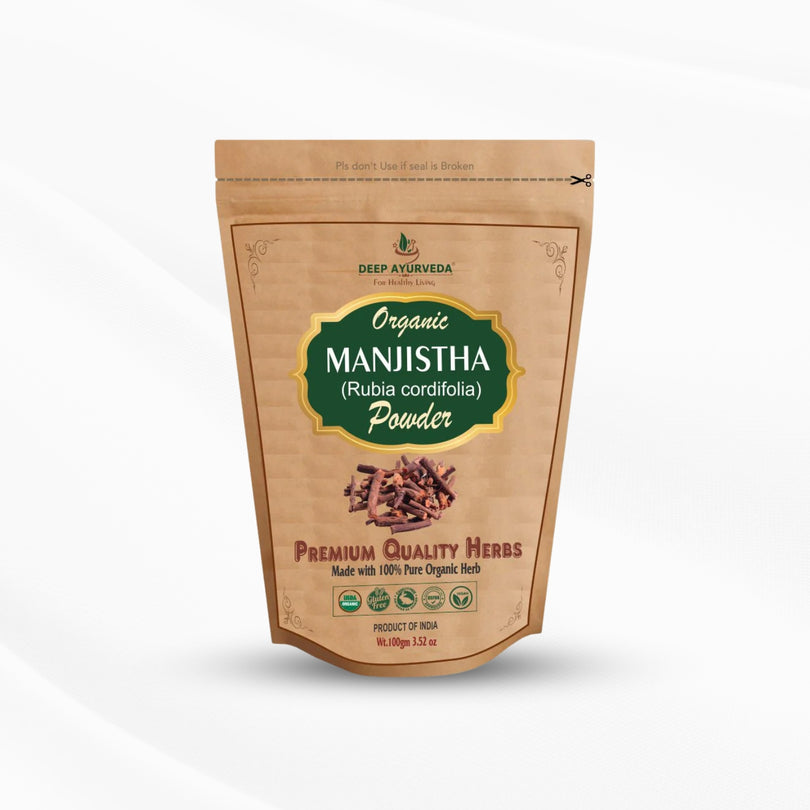
Deep Ayurveda Organic Manjistha Powder
✅ Powerful Blood Purifier ✅ Promotes Clear & Glowing Skin✅ Supports Liver Detoxification ✅ Helps Manage Acne & Skin Disorders ✅ 100% Natural ✅ Ayurvedic ✅ Lab-Tested
Introduction
Manjistha Powder is one of Ayurveda's most respected herbs for supporting healthy skin, maintaining blood purity, and balancing excess Pitta. Derived from the roots of Rubia cordifolia, Manjistha has been used for centuries in traditional Ayurvedic medicine to promote internal cleansing and support the body's natural detoxification processes.
Today, Manjistha is gaining global recognition as people seek natural approaches for skin health, inflammatory concerns, and holistic wellness. However, many online resources provide only surface-level information about this remarkable herb.
This comprehensive guide explores Manjistha Powder from both traditional Ayurvedic wisdom and modern scientific understanding. You'll learn its benefits, uses, dosage guidelines, safety considerations, and how Ayurvedic practitioners view its role in supporting overall health.
What Is Manjistha Powder?
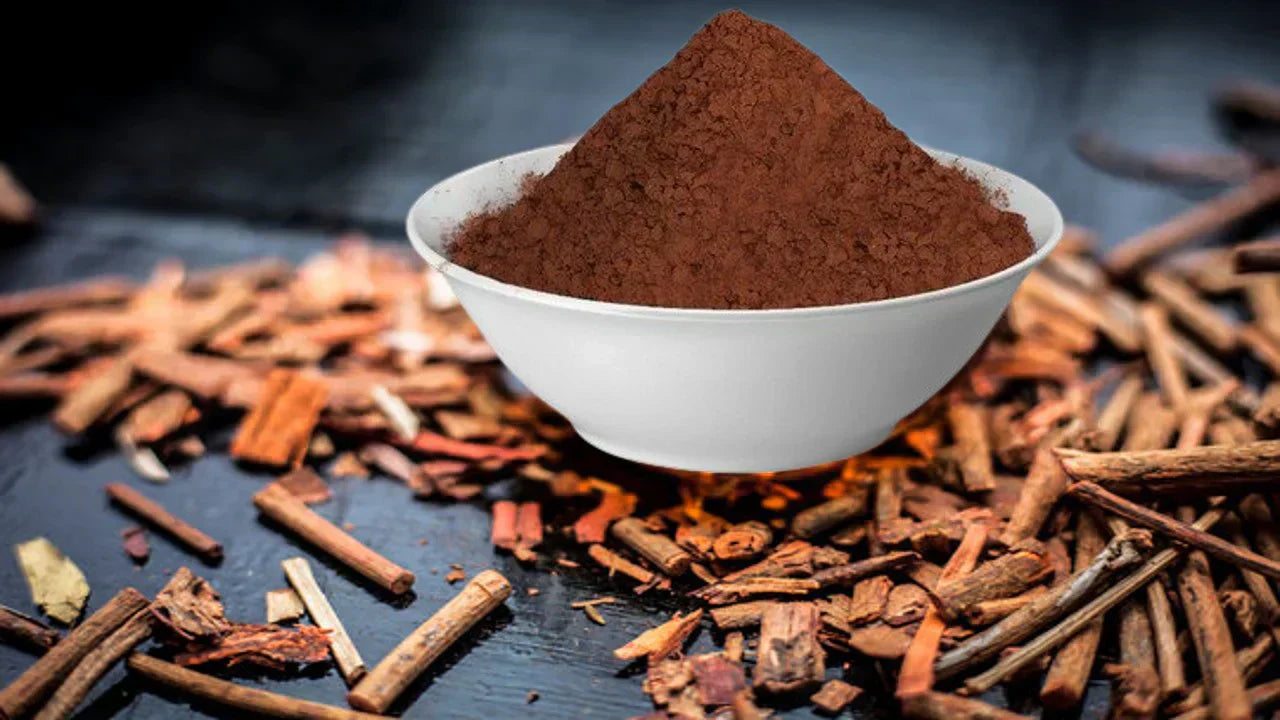
Manjistha Powder is made from the dried roots of the Manjistha plant (Rubia cordifolia), a climbing herb native to India and various parts of Asia.
In Ayurveda, Manjistha is traditionally known as one of the most effective herbs for supporting healthy blood circulation and maintaining balanced Rakta Dhatu (blood tissue).
Botanical Information
- Botanical Name: Rubia cordifolia
- Common Name: Indian Madder
- Sanskrit Name: Manjistha
- Family: Rubiaceae
- Part Used: Root
The roots contain naturally occurring compounds, including anthraquinones, flavonoids, and antioxidants, which contribute to the herb's traditional and modern applications.
Manjistha in Ayurveda: Why Is It So Highly Valued?
Ayurveda considers health to be the result of balance among the Doshas, Dhatus, and bodily channels. When this balance is disturbed, various health concerns may arise, including skin problems, inflammatory conditions, and issues related to blood tissue.
Manjistha has been highly regarded in Ayurvedic practice for centuries because of its traditional role in supporting Rakta Dhatu, maintaining healthy circulation, and helping balance excess Pitta. Its broad range of applications makes it one of the most valued herbs in classical Ayurvedic formulations.
Why Manjistha Holds a Special Place in Ayurveda
-
Rakta Dhatu (Blood Tissue): Manjistha is traditionally known for supporting the healthy functioning of Rakta Dhatu, which Ayurveda associates with skin health, nourishment, and proper circulation throughout the body.
-
Pitta Dosha Balance: Because Manjistha is often used in conditions linked with aggravated Pitta, Ayurvedic practitioners may recommend it as part of wellness
plans aimed at maintaining internal balance and reducing excess heat in the body.
-
Healthy Lymphatic Function: Ayurveda recognizes the importance of proper fluid movement and tissue nourishment. Manjistha is traditionally used to support these natural processes and promote overall systemic balance.
-
Natural Detoxification Pathways: Rather than acting as a quick-fix detox remedy, Manjistha is valued for supporting the body's natural cleansing mechanisms and helping maintain healthy metabolic processes.
- Skin Health and Complexion: Classical Ayurvedic texts describe Manjistha as a Varnya herb, meaning it is traditionally used to support healthy-looking skin, promote an even complexion, and maintain natural skin radiance.
Ayurvedic Properties of Manjistha
Rasa
-
Tikta (Bitter): The bitter taste of Manjistha is traditionally associated with supporting cleansing processes and helping maintain balance in Pitta and Rakta-related functions.
- Kashaya (Astringent): Its astringent nature is believed to support tissue integrity and contribute to the herb's traditional role in skin and blood-related wellness practices.
Guna
- Guru (Heavy): The Guru quality indicates that Manjistha possesses a grounding nature, which helps provide stability and nourishment within Ayurvedic formulations.
- Ruksha (Dry): This dry quality is traditionally considered beneficial in balancing excess moisture and Kapha-related accumulations within the body.
Virya
- Ushna (Heating): Manjistha has an Ushna Virya, meaning it possesses warming energy that Ayurveda associates with supporting circulation and healthy metabolic activity.
Vipaka
- Katu (Pungent): After digestion, Manjistha is believed to exert a pungent post-digestive effect, which may help support proper metabolism and internal balance according to Ayurvedic principles.
Ayurvedic practitioners traditionally use Manjistha when excess Pitta and imbalances in Rakta Dhatu are believed to contribute to concerns such as skin irritation, uneven complexion, and inflammatory conditions. However, its use is typically individualized based on a person's constitution (Prakriti), current imbalances (Vikriti), lifestyle, and overall health goals.
Top Health Benefits of Manjistha Powder
Manjistha Powder has been used in Ayurvedic medicine for centuries and is traditionally valued for its ability to support skin health, healthy blood tissue, natural detoxification, and overall wellness. Known as one of Ayurveda's most important Rakta Shodhak (blood-supporting) herbs, Manjistha is often recommended when addressing concerns related to excess Pitta, skin imbalances, and healthy circulation. While modern research continues to explore its therapeutic potential, Ayurveda views Manjistha as a holistic herb that works by supporting the body's natural balance rather than targeting a single symptom.
The following are some of the most recognized health benefits of Manjistha Powder according to traditional Ayurvedic principles and current scientific understanding.
1. Supports Healthy Skin from Within
Manjistha Powder is best known for its traditional use in promoting healthy skin. According to Ayurveda, many skin concerns are linked to imbalances in Rakta Dhatu (blood tissue) and aggravated Pitta Dosha. Instead of focusing only on external symptoms, Manjistha is traditionally used to support internal balance that may contribute to healthier-looking skin over time.
Potential Skin Benefits
-
Supports clearer-looking skin: Ayurveda traditionally uses Manjistha to help maintain balanced Rakta Dhatu, which is closely associated with skin health and a clear complexion.
-
Helps maintain an even skin tone: By supporting healthy circulation and skin nourishment, Manjistha may contribute to a more balanced and uniform appearance of the skin.
-
Promotes a healthy complexion: Manjistha is classified as a Varnya herb in Ayurveda, meaning it is traditionally valued for supporting natural skin radiance and glow.
-
Supports skin renewal processes: Its naturally occurring antioxidant compounds may help support the skin's normal repair and regeneration mechanisms.
- Assists in managing excess skin oil: Ayurvedic practitioners often include Manjistha in wellness protocols designed for individuals with oily or heat-sensitive skin types.
Many Ayurvedic practitioners recommend Manjistha as part of a holistic approach that combines proper diet, healthy digestion, and lifestyle modifications for long-term skin wellness.
2. Traditionally Used for Blood Purification
Manjistha is widely known as one of Ayurveda's most respected herbs for supporting healthy blood tissue. The Ayurvedic concept of "blood purification" does not imply that the blood is dirty. Instead, it refers to maintaining the healthy functioning of Rakta Dhatu and supporting the body's natural cleansing processes.
Traditional Blood Support Benefits
-
Supports healthy blood circulation: Proper circulation is essential for delivering nutrients and oxygen to tissues throughout the body.
-
Promotes balanced Rakta Dhatu function: Ayurveda considers healthy blood tissue important for skin health, vitality, and overall well-being.
-
Assists natural detoxification processes: Manjistha is traditionally used to support the body's own cleansing mechanisms rather than acting as a quick-fix detox remedy.
- Supports healthy lymphatic movement: Ayurvedic practitioners often value Manjistha for its traditional role in supporting healthy fluid circulation and tissue nourishment.
This traditional use remains one of the primary reasons Manjistha continues to be widely used in Ayurvedic wellness practices today.
3. Rich in Antioxidants
Modern scientific research has identified several naturally occurring antioxidant compounds in Rubia cordifolia. Antioxidants help protect cells from oxidative stress caused by free radicals, which can affect overall health and contribute to premature aging.
Potential Benefits of Antioxidant Support
-
Supports cellular protection: Antioxidants help neutralize free radicals that may damage healthy cells over time.
-
Promotes healthy aging: Reducing oxidative stress may help support long-term vitality and overall wellness.
-
Supports skin vitality: Antioxidant-rich herbs are often used to help maintain healthy, resilient-looking skin.
- Contributes to overall wellness: Healthy antioxidant activity plays an important role in supporting normal cellular function throughout the body.
While antioxidants alone are not a cure for disease, they are considered an important part of a balanced wellness routine.
4. Supports Natural Detoxification Pathways
Unlike many modern detox products that promise rapid results, Ayurveda focuses on supporting the body's existing detoxification systems. Manjistha has traditionally been used in cleansing and rejuvenation programs designed to maintain internal balance.
Traditional Detox Support Benefits
-
Supports healthy liver function: The liver plays an essential role in processing and eliminating metabolic waste from the body.
-
Supports lymphatic circulation: Healthy lymphatic flow is important for maintaining fluid balance and supporting natural cleansing pathways.
-
Promotes healthy blood circulation: Good circulation helps transport nutrients and support the body's normal maintenance processes.
- Assists the elimination of metabolic waste: Ayurveda traditionally uses Manjistha to support the body's natural ability to process and remove unwanted by-products.
This is one reason Manjistha is commonly included in Ayurvedic detoxification and rejuvenation formulations.
5. Supports a Healthy Inflammatory Response
Ayurvedic texts traditionally describe Manjistha as beneficial in conditions associated with excess heat and Pitta aggravation. Modern researchers have also explored its bioactive compounds for their potential role in supporting a healthy inflammatory response.
Traditional Uses Related to Inflammatory Balance
-
Supports skin comfort: Manjistha is often included in Ayurvedic formulations intended to promote overall skin wellness.
-
Helps manage redness associated with excess heat: Traditional Ayurvedic practitioners frequently use Manjistha when addressing Pitta-related skin concerns.
-
Supports balance in heat-related imbalances: Ayurveda considers Manjistha particularly valuable when excess internal heat contributes to discomfort.
- Promotes general tissue health: Healthy circulation and tissue nourishment may contribute to overall tissue wellness and resilience.
Its traditional role in balancing heat and supporting tissue health remains an important aspect of Ayurvedic practice.
6. Supports Women's Wellness
Manjistha has long been used in traditional Ayurvedic formulations designed to support women's health. Its traditional actions on circulation, Rakta Dhatu, and tissue nourishment have made it a valued herb in holistic wellness approaches.
Traditional Women's Health Applications
-
Supports healthy circulation: Proper circulation is important for delivering nutrients throughout the body.
-
Promotes balanced Rakta Dhatu: Ayurveda associates healthy blood tissue with overall vitality and wellness.
-
Supports tissue nourishment: Manjistha is traditionally used to help maintain the health of various body tissues.
- Contributes to overall well-being: Many Ayurvedic practitioners include Manjistha as part of comprehensive wellness plans for women.
Because every individual is different, personalized guidance from a qualified practitioner is recommended.
7. Supports Healthy Lymphatic Function
One of the most overlooked benefits of Manjistha is its traditional connection to lymphatic health. Ayurveda recognizes the importance of healthy fluid movement throughout the body's channels for maintaining overall wellness.
Traditional Lymphatic Support Benefits
-
Supports healthy lymphatic circulation: Proper lymphatic movement plays a key role in transporting fluids and maintaining tissue health.
-
Promotes healthy tissue nourishment: Efficient circulation helps deliver nutrients to various tissues throughout the body.
-
Supports natural cleansing pathways: Healthy lymphatic function contributes to the body's normal waste-removal processes.
- Helps maintain fluid balance: Ayurveda values herbs that support balanced movement of bodily fluids and healthy tissue function.
For this reason, experienced Ayurvedic practitioners often include Manjistha in broader wellness protocols focused on long-term health and vitality.
Manjistha Powder for Skin: Why It Is So Popular
Many people discover Manjistha while searching for natural ways to support healthy-looking skin. In Ayurveda, skin health is often viewed as a reflection of internal balance, particularly the condition of Rakta Dhatu (blood tissue), digestion, and Pitta Dosha. This is one reason Manjistha has remained a trusted herb in traditional skin-support protocols for centuries.
Common Reasons People Use Manjistha for Skin
-
Acne-Prone Skin: Manjistha is traditionally used in Ayurveda to support clear skin by helping maintain healthy blood circulation and supporting the body's natural detoxification processes.
-
Uneven Skin Tone: Many people use Manjistha as part of their skincare routine because it is traditionally associated with promoting a more balanced and healthy-looking complexion.
-
Dull Complexion: Ayurvedic practitioners often recommend herbs that support internal wellness, as healthy digestion and circulation can contribute to naturally radiant skin over time.
-
Excess Oil Production: Individuals with Pitta-dominant skin may use Manjistha as part of a broader Ayurvedic approach aimed at maintaining skin balance and supporting overall skin health.
- Skin Exposed to Environmental Stressors: Daily exposure to pollution, UV radiation, and environmental stress can affect skin appearance. Manjistha contains naturally occurring antioxidant compounds that may help support skin wellness.
Internal vs External Use
A common misconception is that skin-supporting herbs only work when applied externally. Ayurveda takes a broader approach and focuses on addressing internal imbalances that may contribute to visible skin concerns.
For this reason, Ayurvedic practitioners often recommend a combination of:
-
Internal Use of Manjistha: Traditionally used to support Rakta Dhatu, circulation, and the body's natural cleansing pathways from within.
-
Healthy Digestion Support: Ayurveda considers strong digestion essential for overall wellness, as poor digestion may contribute to imbalances that can eventually affect the skin.
-
Appropriate Dietary Adjustments: Reducing foods that aggravate Pitta and following a balanced diet can help support both internal health and skin appearance.
- Proper Skincare Habits: Gentle cleansing, adequate hydration, sun protection, and a consistent skincare routine complement the benefits of internal wellness practices.
This holistic approach—supporting the body both internally and externally—is one of the reasons Ayurveda continues to attract global interest among individuals seeking long-term skin wellness rather than short-term cosmetic solutions.
How to Use Manjistha Powder
1. With Warm Water
One of the simplest and most traditional ways to consume Manjistha Powder is with warm water. This method is commonly preferred by Ayurvedic practitioners because it is easy to follow and fits well into a daily wellness routine.
General Method
- Mix the recommended quantity of Manjistha Powder in a glass of lukewarm water and stir thoroughly until it is evenly dispersed.
- Consume the mixture as advised by an Ayurvedic practitioner, preferably as part of a consistent routine for best results.
- Warm water is traditionally considered easier on digestion and may support the body's natural cleansing processes.
2. With Honey
Some people prefer taking Manjistha Powder with honey to improve its taste and make regular consumption more convenient.
- Mix the recommended amount of Manjistha Powder with a small quantity of pure honey to form a smooth paste before consumption.
- This traditional Ayurvedic method is often chosen by individuals who find herbal powders difficult to take with plain water.
- Always use honey in moderation and avoid mixing it with very hot liquids, as this is generally discouraged in Ayurveda.
3. As Part of an Ayurvedic Herbal Blend
Manjistha is frequently combined with other Ayurvedic herbs to create formulations tailored to specific health goals and individual constitutions.
Common Herbal Combinations
-
Neem: Often paired with Manjistha in traditional Ayurvedic practices that focus on maintaining healthy skin and supporting internal cleansing.
-
Triphala: Commonly combined with Manjistha to support digestive health and overall detoxification pathways.
-
Guduchi: Frequently used alongside Manjistha to promote immune balance and general wellness.
-
Turmeric: This combination is traditionally valued for supporting a healthy inflammatory response and maintaining skin health.
- Sariva: Often paired with Manjistha in Ayurvedic formulations intended to support cooling and balancing effects within the body.
The most suitable herbal combination depends on factors such as Prakriti (body constitution), current imbalances, lifestyle, and overall wellness goals.
4. As a Face Pack
Manjistha Powder is also widely used in DIY Ayurvedic face masks and skincare preparations.
Common Ingredients Used with Manjistha
-
Rose Water: Helps create a smooth paste and is traditionally used to provide a soothing effect on the skin.
-
Sandalwood Powder: Often added to support skin comfort and improve the overall texture of the face pack.
-
Multani Mitti (Fuller's Earth): Commonly used in face masks for oily or combination skin because it helps absorb excess oil.
- Aloe Vera Gel: Frequently combined with Manjistha to create a more hydrating and skin-friendly application.
Apply the prepared face pack evenly to clean skin, allow it to dry partially, and then rinse with lukewarm water. Always perform a patch test before using any herbal preparation on the face, especially if you have sensitive skin.
Manjistha Powder Dosage
The appropriate dosage of Manjistha Powder can vary from person to person and should ideally be determined by a qualified Ayurvedic practitioner.
Factors That May Influence Dosage
-
Age: Dosage requirements can differ between younger adults, older individuals, and children.
-
Prakriti (Body Constitution): Ayurvedic recommendations are often adjusted according to an individual's natural constitution.
-
Digestive Strength: People with stronger digestion may tolerate herbal preparations differently than those with sensitive digestion.
-
Health Goals: The intended purpose of using Manjistha may influence the recommended quantity and duration of use.
- Formulation Type: Dosage can vary depending on whether Manjistha is taken as a powder, capsule, tablet, decoction, or as part of a herbal blend.
Common Traditional Range
Many Ayurvedic references suggest approximately:
1–3 grams once or twice daily
However, this range should be considered a general guideline rather than a universal recommendation. Taking larger amounts does not necessarily lead to faster results and may increase the possibility of unwanted effects. For safe and effective use, personalized guidance from a qualified healthcare professional or Ayurvedic practitioner is recommended.
Best Time to Take Manjistha Powder
The ideal time to take Manjistha Powder can vary depending on your health goals, digestive strength, and the guidance of your Ayurvedic practitioner. However, a few general recommendations are commonly followed.
After Meals
Taking Manjistha Powder after meals is often preferred because it may be gentler on the stomach and easier to digest. This approach is commonly recommended for individuals with sensitive digestion or those new to Ayurvedic herbs.
With Warm Water
Warm water is traditionally used as an Anupana (carrier) in Ayurveda because it supports digestion and helps the body absorb herbal preparations more effectively. Many practitioners recommend mixing Manjistha Powder with lukewarm water for daily use.
As Directed by an Ayurvedic Practitioner
Since Ayurveda focuses on individual constitution and health needs, the ideal timing may differ from person to person. An Ayurvedic practitioner may recommend a specific schedule based on your Dosha balance, digestive capacity, and wellness goals.
Consistency is generally more important than taking the herb at an exact time. Regular use as part of a balanced lifestyle often provides better results than occasional consumption.
Manjistha Powder vs Modern Skin Treatments
This is where Ayurveda offers a fundamentally different perspective on skin health.
Modern skincare approaches often focus on managing visible symptoms such as breakouts, excess oil, redness, or pigmentation through topical products and cosmetic treatments. While these methods can be useful, Ayurveda seeks to understand why these concerns developed in the first place.
According to Ayurvedic principles, several internal factors may influence skin health:
Pitta Imbalance
Excess Pitta is traditionally associated with heat-related skin concerns, increased sensitivity, redness, and inflammatory tendencies. Manjistha is often used in Ayurvedic formulations designed to help maintain balanced Pitta levels.
Poor Digestion
Ayurveda considers healthy digestion essential for overall wellness. When digestion is not functioning optimally, it may contribute to internal imbalances that can eventually affect the skin's appearance and vitality.
Accumulation of Metabolic Waste
Traditional Ayurvedic theory suggests that the accumulation of Ama (metabolic waste) may interfere with the body's natural processes. Herbs such as Manjistha are commonly included in wellness programs that focus on supporting the body's natural cleansing mechanisms.
Lifestyle Factors
Inadequate sleep, chronic stress, lack of physical activity, and irregular daily routines can all influence skin health. Ayurveda emphasizes correcting these lifestyle factors alongside herbal support.
Dietary Triggers
Excessively spicy, fried, processed, or highly refined foods may contribute to Dosha imbalances in some individuals. A balanced diet tailored to individual needs is considered an important component of healthy skin.
Rather than targeting only visible symptoms, Ayurvedic herbs like Manjistha aim to support internal balance that may eventually be reflected in healthier-looking skin. This holistic perspective continues to make Ayurveda relevant in modern wellness practices.
Scientific Perspective on Manjistha
Interest in Manjistha has increased among researchers due to the presence of naturally occurring bioactive compounds found in Rubia cordifolia.
While research is ongoing, scientists have explored several areas that may help explain some of its traditional uses.
Antioxidant Properties
Studies suggest that Manjistha contains compounds with antioxidant activity, which may help protect cells from oxidative stress caused by free radicals. Antioxidant support is often associated with overall cellular health and healthy aging.
Anti-Inflammatory Activity
Researchers have investigated the herb's potential role in supporting a healthy inflammatory response. This area of study is particularly relevant because inflammation is linked to many aspects of health and wellness.
Skin-Supportive Effects
Some scientific findings indicate that compounds present in Manjistha may support skin health through antioxidant and protective mechanisms. However, further human studies are needed to better understand these effects.
Immune-Supportive Properties
Preliminary research has also explored the herb's interaction with immune-related pathways. Although promising, more clinical evidence is required before drawing definitive conclusions.
Current research provides encouraging insights into the traditional uses of Manjistha. However, high-quality human studies remain limited, and the herb should not be considered a replacement for professional medical care when treatment is necessary.
Potential Side Effects of Manjistha Powder
When used appropriately, Manjistha Powder is generally well tolerated by most healthy adults. However, like any herbal supplement, it may not suit everyone. The likelihood of side effects can increase if the herb is consumed in excessive amounts or without considering an individual's body constitution and health condition.
Potential Concerns
-
Digestive discomfort: Some individuals may experience digestive uneasiness, especially when Manjistha is taken on an empty stomach or in higher-than-recommended amounts.
-
Mild stomach upset: In sensitive individuals, occasional symptoms such as stomach irritation, abdominal discomfort, or changes in digestion may occur during the initial period of use.
-
Individual sensitivity reactions: Although uncommon, some people may be sensitive to specific herbal compounds present in Manjistha and may experience mild adverse reactions.
- Discomfort from excessive use: Taking larger doses than recommended does not necessarily improve results and may increase the risk of unwanted digestive or constitutional imbalances.
If you notice any unusual symptoms after taking Manjistha Powder, discontinue use and consult a qualified healthcare professional for personalized advice.
Who Should Be Cautious?
While Manjistha has a long history of traditional use in Ayurveda, certain individuals should seek professional guidance before adding it to their wellness routine.
-
Pregnant women: Limited safety data is available regarding Manjistha use during pregnancy, so medical or Ayurvedic supervision is recommended.
-
Breastfeeding mothers: Nursing mothers should consult a healthcare professional before using herbal supplements to ensure suitability for their individual circumstances.
-
People with existing medical conditions: Individuals managing chronic health conditions should discuss Manjistha use with their healthcare provider to avoid potential complications.
-
Those taking prescription medications: Herbal supplements may interact with certain medications, making professional guidance important before use.
-
Individuals preparing for surgery: If you have an upcoming surgical procedure, consult your healthcare provider regarding the appropriate timing of herbal supplement use.
- Children: Herbal supplements should only be given to children under the guidance of a qualified healthcare practitioner who can determine appropriate usage and dosage.
Conclusion
Manjistha Powder is one of Ayurveda's most respected herbs for supporting healthy skin, balanced blood tissue, healthy circulation, and natural detoxification pathways. Its long history of traditional use, combined with growing scientific interest, continues to make it relevant in modern wellness practices.
Frequently Asked Questions
Is Manjistha Powder good for acne?
Ayurveda traditionally uses Manjistha to support skin health and balance Pitta-related skin concerns. Results vary depending on the underlying causes and overall lifestyle factors.
Can I take Manjistha Powder daily?
Many people use Manjistha regularly under professional guidance. Appropriate dosage and duration depend on individual needs.
How long does Manjistha take to show results?
Results vary based on diet, lifestyle, constitution, and wellness goals. Consistent use combined with supportive habits generally produces better outcomes.
Can Manjistha help improve skin glow?
Traditionally, Manjistha is valued as a Varnya herb, meaning it supports healthy complexion and skin appearance.
Is Manjistha safe for long-term use?
Long-term use should ideally be supervised by a qualified Ayurvedic practitioner or healthcare professional.