
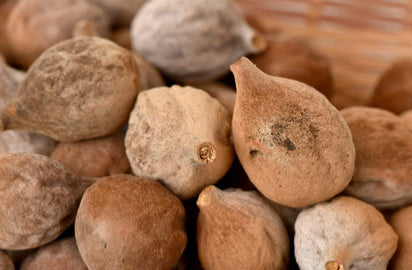
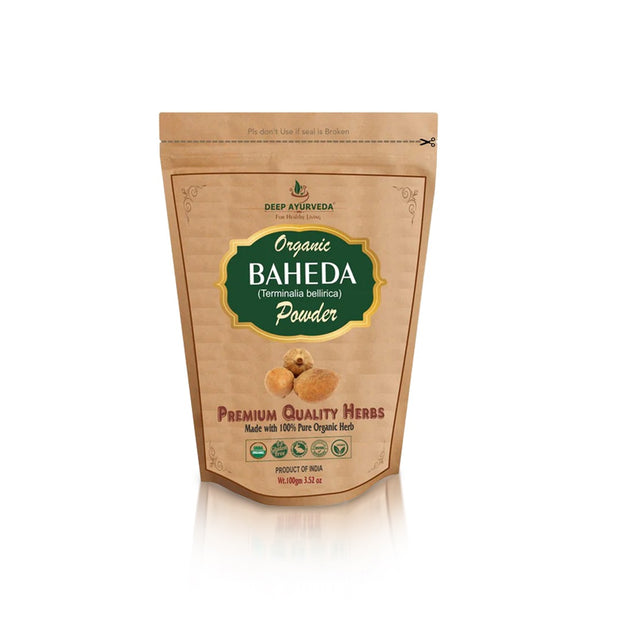
Deep Ayurveda Organic Baheda Powder
✔ Supports Digestive Health ✔ Relieves Cough & Respiratory Problems ✔ Boosts Immunity ✔ Helps in Detoxification ✔ Supports Weight & Metabolism Ayurvedic | Lab-Tested
Introduction
Ayurveda has relied on the wisdom of medicinal plants for thousands of years to support health and well-being. Among the many revered herbs described in classical Ayurvedic texts, Baheda holds a special place. Known as Bibhitaki in Sanskrit, Baheda is one of the three fruits that make up the famous Ayurvedic formulation Triphala, alongside Amla and Harad.
While many people recognize Baheda Powder as an ingredient in Triphala, its individual importance is often overlooked. In traditional Ayurvedic practice, Baheda is valued for its ability to support respiratory wellness, digestive balance, healthy metabolism, and overall vitality. Its unique properties make it particularly beneficial for balancing Kapha Dosha while also supporting the body's natural cleansing processes.
Today, interest in herbal wellness solutions is growing rapidly, and Baheda Powder has gained attention for its rich antioxidant profile and traditional applications in holistic health. However, understanding Baheda goes beyond simply listing its benefits. To truly appreciate this remarkable herb, it is important to explore its Ayurvedic properties, traditional uses, and practical applications.
In this comprehensive guide, we will discuss what Baheda Powder is, its Ayurvedic significance, potential health benefits, traditional uses, dosage recommendations, precautions, and how it can be incorporated into a wellness routine.
What is Baheda Powder?

Baheda Powder is a natural herbal powder prepared from the dried fruit of the Baheda tree (Terminalia bellirica). The fruit is carefully harvested, dried, and finely ground to create a powder that has been used in Ayurveda for centuries.
Quick Facts About Baheda
| Attribute | Details |
|---|
| Botanical Name | Terminalia bellirica |
| Sanskrit Name | Bibhitaki |
| Common Names | Baheda, Baheda Powder, Bibhitaki |
| Family | Combretaceae |
| Part Used | Fruit |
| Traditional System | Ayurveda |
| Taste (Rasa) | Kashaya (Astringent) |
The Sanskrit name Bibhitaki carries profound significance. It is often interpreted as "the fruit that removes the fear of disease." This reflects the herb's historical importance in supporting overall health and wellness.
Baheda trees are commonly found throughout India and other parts of Southeast Asia. The fruit has been extensively described in classical Ayurvedic texts such as Charaka Samhita and Ashtanga Hridayam, where it is regarded as a valuable Rasayana herb that supports longevity and vitality.
Why Is Baheda Important in Ayurveda?
From an Ayurvedic perspective, health depends upon the balance of the three Doshas—Vata, Pitta, and Kapha. Imbalances in these biological energies may contribute to various discomforts and disturbances in normal body functions.
Baheda is traditionally known for its Kapha-balancing properties. Excess Kapha is often associated with heaviness, sluggish digestion, excess mucus production, and feelings of lethargy. Ayurvedic practitioners have traditionally used Baheda to support the body's natural ability to maintain balance.
Unlike herbs that focus on a single system, Baheda is considered a multi-system herb. Classical Ayurvedic literature describes its use in supporting:
- Respiratory wellness
- Digestive balance
- Healthy metabolism
- Oral health
- Hair care practices
- Natural rejuvenation
This broad range of traditional applications explains why Baheda continues to be used in many Ayurvedic formulations today.
Ayurvedic Properties of Baheda Powder
Understanding the Ayurvedic properties of Baheda helps explain why it has been valued for centuries.
Ayurvedic Profile of Baheda
| Ayurvedic Parameter | Property |
| Rasa (Taste) | Kashaya (Astringent) |
| Guna (Qualities) | Laghu (Light), Ruksha (Dry) |
| Virya (Potency) | Ushna (Warm) |
| Vipaka (Post-Digestive Effect) | Madhura (Sweet) |
| Dosha Effect | Balances Kapha and Pitta |
Rasa (Taste)
Baheda predominantly possesses Kashaya Rasa, or an astringent taste. In Ayurveda, astringent herbs are often associated with supporting tissue integrity and maintaining balance in bodily secretions.
Guna (Qualities)
The qualities of Baheda are Laghu (light) and Ruksha (dry).
These qualities may help counterbalance excess heaviness and moisture associated with aggravated Kapha Dosha.
Virya (Potency)
Baheda is considered Ushna Virya, meaning it has a warming energetic effect. This warming nature is traditionally believed to support digestive fire (Agni) and help maintain healthy circulation of nutrients.
Vipaka (Post-Digestive Effect)
Its Madhura Vipaka (sweet post-digestive effect) is considered nourishing and supportive of long-term tissue health according to Ayurvedic principles.
Why Baheda Is More Than a Digestive Herb
Many modern articles describe Baheda simply as a digestive herb. However, this perspective overlooks the broader Ayurvedic understanding of how the body functions as an interconnected system.
In Ayurveda, digestive health, respiratory wellness, and tissue nourishment are closely linked.
When digestive fire (Agni) becomes weak, partially digested substances may accumulate in the body as Ama (metabolic waste). Excess Ama can contribute to Kapha imbalance, which may manifest as sluggish digestion, feelings of heaviness, and increased mucus production.
This is one reason why Ayurvedic practitioners often view Baheda as a herb that supports multiple systems simultaneously rather than targeting only digestion.
The Gut-Lungs-Hair Connection in Ayurveda
A unique Ayurvedic perspective suggests that healthy digestion influences every tissue in the body.
When digestion functions efficiently:
- Nutrients are properly assimilated.
- Tissues receive adequate nourishment.
- Respiratory channels remain clearer.
- Hair and scalp receive better nutritional support.
- Overall vitality is maintained.
Because Baheda traditionally supports digestive balance and Kapha management, it is often included in wellness protocols that aim to promote overall systemic harmony.
This interconnected understanding is one of the reasons Baheda remains a valued herb in classical Ayurvedic practice even today.
Traditional Use vs Modern Understanding
| Traditional Ayurvedic View | Modern Understanding |
| Supports Kapha balance | Contains natural plant compounds and antioxidants |
| Promotes digestive harmony | Supports digestive wellness |
| Traditionally used for respiratory comfort | Supports respiratory wellness |
| Included in Rasayana formulations | Associated with healthy aging and vitality |
| Supports natural cleansing | Helps maintain overall wellness |
While traditional Ayurvedic knowledge and modern scientific research use different frameworks, both highlight the importance of Baheda as a valuable botanical ingredient.
What Makes Baheda Different from Other Ayurvedic Herbs?
One of the most fascinating aspects of Baheda is its ability to support multiple dimensions of wellness simultaneously.
Unlike herbs that are traditionally associated with only one body system, Baheda has historically been used in formulations aimed at:
- Digestive balance
- Respiratory support
- Healthy metabolism
- Oral wellness
- Hair care
- Rejuvenation practices
This versatility has helped Baheda maintain its relevance across centuries of Ayurvedic use.
In the next section, we will explore the top evidence-based and traditionally recognized benefits of Baheda Powder and understand why this ancient herb continues to attract attention in modern wellness practices.
1. Supports Respiratory Wellness
Baheda Powder has traditionally been used in Ayurveda to support respiratory wellness and help maintain clear airways. Its Kapha-balancing properties make it a valuable herb for seasonal respiratory care.
Why Ayurveda Values Baheda for Respiratory Health
- Traditionally supports healthy respiratory function and throat comfort.
- Helps maintain clear respiratory passages by balancing excess Kapha.
- Commonly included in classical Ayurvedic respiratory formulations.
- Useful during seasonal changes when dust, pollution, and weather fluctuations may affect respiratory comfort.
Practitioner Insight: Ayurveda considers digestion and respiratory health closely connected. By supporting digestive balance and Kapha management, Baheda may contribute to overall respiratory wellness.
2. Helps Maintain Healthy Digestion
Baheda Powder is traditionally used in Ayurveda to support healthy digestion and promote digestive balance. It may help maintain bowel regularity, support nutrient absorption, and assist the body's natural cleansing processes.
Potential Digestive Benefits:
- Supports healthy digestion and digestive comfort.
- Helps maintain regular bowel movements.
- Encourages efficient nutrient assimilation.
- Supports the body's natural detoxification processes.
- Traditionally valued for balancing Agni (digestive fire).
According to Ayurveda, healthy digestion is essential for overall wellness. This is one of the key reasons Baheda is included in the renowned Triphala formulation.
3. Rich in Natural Antioxidants
Baheda Powder contains naturally occurring compounds such as tannins, gallic acid, ellagic acid, lignans, and flavonoids that contribute to its antioxidant properties.
Why It Matters:
- Helps protect cells from oxidative stress.
- Supports overall wellness and healthy aging.
- Contributes to the herb's traditional rejuvenating (Rasayana) value in Ayurveda.
4. Supports Natural Detoxification Processes
In Ayurveda, detox is not about quick cleanses but supporting the body’s natural elimination system through balanced digestion and metabolism. Baheda is traditionally used to help maintain healthy digestion, support efficient waste removal, and promote internal balance.
From a practitioner’s view, when Agni (digestive fire) is strong, the body naturally clears Ama (metabolic toxins) more effectively—this is why Baheda is often included in seasonal wellness and rejuvenation routines.
5. Supports Hair and Scalp Wellness
Baheda Powder is traditionally used in Ayurvedic hair care as it helps support overall scalp wellness and healthy-looking hair, especially when combined with herbs like Amla and Bhringraj in hair masks or oils.
In Ayurveda, it is believed that when digestion and internal balance are maintained, it positively reflects on hair quality, making Baheda a supportive herb in holistic hair care routines.
6. Supports Scalp Health
Baheda Powder helps maintain a clean and balanced scalp due to its natural astringent properties. It is traditionally used in Ayurvedic hair care to support scalp hygiene and overall scalp wellness.
It is often combined with Amla Powder and Bhringraj Powder in herbal hair masks to enhance nourishment and support healthy-looking hair.
7. Supports Healthy Lipid Metabolism
Baheda is traditionally used in Ayurveda to help balance Kapha dosha, which is associated with heaviness and sluggish metabolic activity. It is often included in wellness routines that aim to support natural metabolic balance alongside a healthy lifestyle.
Traditional Use: Supports Kapha balance, healthy metabolism, and complements diet and exercise-based wellness practices.
8. Supports Seasonal Immunity
Baheda is traditionally used in Ayurveda during seasonal changes to help maintain balance, especially when Kapha-related issues like heaviness and respiratory discomfort are more common.
It supports overall seasonal wellness by helping the body adapt to changes in weather, digestion, and respiratory comfort when combined with a balanced lifestyle.
9. Supports Oral Wellness
Baheda Powder is traditionally used in Ayurveda for oral care due to its Kashaya (astringent) nature, which helps support gum health and maintain oral hygiene. It is also included in some herbal mouth rinses and dental wellness preparations in classical Ayurvedic practice.
10. Supports Healthy Aging and Vitality
In Ayurveda, Baheda is traditionally classified as a Rasayana herb, meaning it supports rejuvenation, vitality, and overall well-being. By helping maintain digestive balance and proper nourishment, Baheda may contribute to healthy aging and long-term wellness when combined with a balanced lifestyle.
Baheda Powder for Hair, Digestion, and Respiratory Wellness
While Baheda Powder is valued for its broad range of traditional applications, certain areas receive particular attention in Ayurvedic practice. Among these are hair care, digestive balance, and respiratory wellness.
These systems are not viewed independently in Ayurveda. Instead, they are considered interconnected through digestion, tissue nourishment, and Dosha balance.
Let us explore how Baheda Powder is traditionally used in these areas.
Traditional Uses of Baheda for Hair
Baheda Powder has been traditionally used in Ayurvedic hair care practices for centuries. Ayurvedic practitioners often include it in herbal formulations designed to support scalp health and maintain the natural appearance and strength of hair. Due to its astringent properties and rich phytochemical profile, Baheda is commonly combined with other nourishing herbs to create balanced hair care remedies.
Common Ayurvedic Herbs Combined with Baheda
Amla (Indian Gooseberry)
Amla is valued for its rich antioxidant content and its traditional role in supporting hair nourishment. When combined with Baheda, it helps create a well-rounded herbal hair care formulation.
Bhringraj
Known as one of Ayurveda's most respected hair care herbs, Bhringraj is traditionally used to support scalp health and maintain healthy-looking hair. It is often paired with Baheda in herbal hair oils and masks.
Brahmi
Brahmi is commonly included in Ayurvedic hair care preparations due to its soothing properties. It complements Baheda by supporting overall scalp wellness and nourishment.
Neem
Neem is traditionally used in scalp care routines because of its cleansing properties. Combining Neem with Baheda may help maintain a healthy scalp environment.
Hibiscus
Hibiscus is widely used in Ayurvedic beauty rituals and is known for supporting hair softness and manageability. It works well alongside Baheda in herbal hair packs.
Potential Benefits of Baheda Powder for Hair Care
Supports Scalp Wellness
A healthy scalp provides the foundation for healthy-looking hair. Baheda Powder is traditionally used in scalp care formulations that help maintain scalp balance and support overall scalp wellness.
Helps Maintain Healthy-Looking Hair
Regular Ayurvedic hair care practices often focus on nourishing the hair from root to tip. Baheda is commonly included in these routines to help maintain the natural texture, strength, and appearance of hair.
Complements Holistic Hair Care Routines
Ayurveda views hair care as a combination of proper nutrition, healthy digestion, lifestyle habits, and external herbal applications. Baheda fits well into this holistic approach to hair wellness.
Supports Nourishment-Focused Hair Care Practices
Since Ayurveda associates healthy hair with proper tissue nourishment, Baheda is frequently incorporated into formulations designed to support long-term hair and scalp care goals.
Commonly Used in Traditional Ayurvedic Formulations
Baheda has been used for generations in Ayurvedic hair oils, herbal powders, and scalp masks. Its continued presence in traditional formulations reflects its long-standing importance in natural hair care practices.
DIY Ayurvedic Hair Mask with Baheda Powder
Baheda Powder has traditionally been used in Ayurvedic hair care practices due to its nourishing and scalp-supportive properties. When combined with herbs like Amla and Bhringraj, it creates a holistic hair mask that helps maintain healthy-looking hair and scalp wellness.
Ingredients
2 teaspoons Baheda Powder
Baheda is traditionally used to support scalp balance and is often included in herbal formulations aimed at maintaining healthy hair.
2 teaspoons Amla Powder
Amla is rich in natural antioxidants and is widely used in Ayurveda to nourish the scalp and support the natural strength and appearance of hair.
1 teaspoon Bhringraj Powder
Bhringraj is one of Ayurveda's most respected hair care herbs and is traditionally used to support healthy hair growth and scalp nourishment.
Water or Rose Water (as needed)
Rose water helps create a smooth paste while adding a soothing and refreshing element to the hair mask.
Method
Step 1:
Combine Baheda Powder, Amla Powder, and Bhringraj Powder in a clean bowl.
Step 2:
Gradually add water or rose water and mix until a smooth, lump-free paste is formed.
Step 3:
Apply the mixture evenly from the scalp to the hair strands, ensuring complete coverage.
Step 4:
Allow the mask to remain on the scalp and hair for approximately 20–30 minutes.
Step 5:
Rinse thoroughly using lukewarm water and allow the hair to dry naturally.
Practitioner Tip
Ayurvedic hair care focuses on consistency rather than occasional intensive treatments. Regular scalp nourishment, a balanced diet, proper hydration, and healthy lifestyle habits are considered equally important for maintaining long-term hair wellness.
Baheda Powder for Digestive Wellness
In Ayurveda, digestion is considered the cornerstone of health. Classical texts repeatedly emphasize that when digestion functions efficiently, the body is better able to absorb nutrients, eliminate waste products, and maintain overall balance.
Understanding Agni
Agni refers to the body's digestive and metabolic fire. It governs the transformation of food into energy and nourishment for the tissues.
When Agni functions optimally:
Food is properly digested
Efficient digestion helps the body break down food and utilize its nutritional components effectively.
Nutrients are absorbed effectively
A healthy digestive system allows nutrients to reach various tissues and support normal bodily functions.
Waste products are eliminated appropriately
Proper elimination helps the body maintain internal balance and supports overall wellness.
Tissues receive nourishment
According to Ayurveda, healthy digestion is essential for nourishing every tissue, including skin, hair, muscles, and bones.
When Agni becomes weak, Ayurveda suggests that Ama (metabolic waste) may accumulate within the body. Excess Ama is believed to interfere with normal physiological processes and contribute to various imbalances.
Why Baheda Is Traditionally Used for Digestion
Baheda has been valued in Ayurveda for centuries because it supports digestive wellness while maintaining a gentle and balanced approach.
Its traditional applications include supporting:
Digestive Comfort
Baheda is traditionally used to help maintain digestive ease and support overall gastrointestinal balance.
Healthy Elimination
Ayurvedic practitioners have historically included Baheda in formulations that support the body's natural elimination processes.
Nutrient Assimilation
By supporting digestive efficiency, Baheda may contribute to the proper utilization of nutrients obtained from food.
Metabolic Balance
Ayurveda associates healthy metabolism with balanced Agni. Baheda is traditionally used to help maintain this balance.
Regular Digestive Function
One of the reasons Baheda remains popular in Ayurvedic formulations is its traditional role in supporting normal digestive function and bowel regularity.
Because of these properties, Baheda continues to be a key ingredient in Triphala, one of Ayurveda's most widely used herbal formulations.
The Ayurvedic Gut-Lungs Connection
One of Ayurveda's most unique insights is the close relationship between digestive health and respiratory wellness.
According to Ayurvedic understanding:
Weak Digestion → Ama Formation → Kapha Accumulation → Respiratory Imbalance
This concept suggests that when digestion becomes inefficient, metabolic waste (Ama) may accumulate in the body. Over time, this accumulation may contribute to Kapha imbalance, which can affect respiratory comfort and overall vitality.
This interconnected view explains why Ayurvedic practitioners often focus on improving digestive health when addressing respiratory wellness. Rather than treating body systems separately, Ayurveda emphasizes restoring balance throughout the entire body.
Baheda Powder for Respiratory Wellness
Respiratory wellness is one of the most recognized traditional applications of Baheda Powder. For centuries, Ayurvedic practitioners have included Baheda in formulations designed to support healthy respiratory function and Kapha balance.
Understanding Kapha and Respiratory Health
Kapha Dosha is responsible for providing structure, stability, lubrication, and moisture within the body.
Structure
Kapha helps maintain the physical integrity of tissues and supports overall bodily strength and stability.
Stability
It contributes to endurance, resilience, and the body's ability to maintain equilibrium.
Lubrication
Kapha supports the natural moisture required for healthy functioning of tissues and bodily systems.
Moisture Balance
Proper Kapha balance helps maintain healthy levels of hydration and lubrication throughout the body.
When Kapha becomes excessive, individuals may experience:
Heaviness
An increased sense of physical or mental sluggishness is commonly associated with excess Kapha.
Increased Mucus Production
Excess Kapha may contribute to the accumulation of mucus within the respiratory passages.
Sluggishness
Individuals may feel less energetic and experience reduced motivation or activity levels.
Respiratory Discomfort
An imbalance in Kapha can sometimes affect respiratory comfort and the feeling of ease while breathing.
For this reason, Ayurvedic practitioners traditionally use Kapha-balancing herbs such as Baheda to support respiratory wellness and maintain balance.
Traditional Respiratory Applications of Baheda
Historically, Baheda has been included in various Ayurvedic formulations intended to support respiratory health.
Respiratory Comfort
Baheda is traditionally used to help maintain healthy respiratory function and support overall respiratory well-being.
Healthy Mucus Balance
Its Kapha-balancing properties make it a valuable herb in formulations designed to support normal mucus balance.
Throat Wellness
Ayurvedic practitioners have traditionally used Baheda to support throat comfort and maintain throat health.
Seasonal Respiratory Support
Baheda is commonly included in seasonal wellness routines when environmental changes may affect respiratory comfort.
Its astringent nature and traditional Ayurvedic properties contribute to its long-standing role in respiratory health practices.
Why Baheda Is Commonly Used During Seasonal Changes
Many individuals notice fluctuations in respiratory comfort during specific times of the year. Ayurveda recognizes these seasonal transitions as periods when Kapha imbalance may become more prominent.
Winter Season
Cold weather is traditionally associated with increased Kapha accumulation, making respiratory support particularly important.
Monsoon Season
Higher humidity levels during the monsoon may contribute to feelings of heaviness and respiratory discomfort in some individuals.
Environmental Pollution Exposure
Modern environmental factors, including pollution and airborne irritants, can place additional stress on respiratory wellness.
Dust-Heavy Environments
Frequent exposure to dust may affect respiratory comfort and increase the need for supportive wellness practices.
As part of seasonal wellness routines, Baheda is traditionally combined with appropriate dietary choices, lifestyle modifications, and other Ayurvedic herbs to help maintain balance throughout the year.
How to Use Baheda Powder
One of the most common questions people ask is how to incorporate Baheda Powder into their daily wellness routine. Ayurveda does not follow a one-size-fits-all approach, so the ideal method of use may vary depending on an individual's body constitution (Prakriti), digestive strength, age, and specific wellness goals. Traditionally, Baheda is consumed in different ways to complement various health practices.
1. Baheda Powder with Warm Water
Taking Baheda Powder with warm water is one of the simplest and most traditional methods recommended in Ayurveda. Warm water is believed to support digestive fire (Agni) and help the body absorb herbal preparations more effectively.
How to Use
Mix the recommended quantity of Baheda Powder in a glass of lukewarm water and consume it as advised by a qualified Ayurvedic practitioner. This method is commonly preferred by individuals looking to incorporate Baheda into their daily wellness routine.
Why Warm Water Is Preferred
Warm water is traditionally considered beneficial because it supports healthy digestion and helps maintain the natural movement of nutrients throughout the body. Ayurvedic practitioners often recommend warm water as an ideal carrier for herbal powders due to its digestive-supportive properties.
2. Baheda Powder with Honey
In certain traditional Ayurvedic practices, Baheda Powder may be combined with honey. This combination is particularly valued in formulations intended to support Kapha balance and respiratory wellness.
How to Use
Mix the recommended amount of Baheda Powder with a small quantity of raw honey to form a smooth paste. Consume only under the guidance of a qualified Ayurvedic practitioner.
Why Honey Is Traditionally Used
According to Ayurveda, honey is known as a Yogavahi, meaning it helps carry herbal properties deeper into the body's tissues. It is also traditionally appreciated for its ability to support Kapha balance and complement herbal wellness formulations.
Important: Honey should never be heated, as classical Ayurvedic texts advise against consuming heated honey.
3. As Part of Triphala
One of the most popular ways to consume Baheda is through Triphala, a renowned Ayurvedic formulation that combines three fruits known for their complementary properties.
Ingredients of Triphala
- Amla (Emblica officinalis)
- Harad (Terminalia chebula)
- Baheda (Terminalia bellirica)
Each ingredient contributes unique qualities that work together to support digestive balance, natural cleansing, and overall wellness.
Why Triphala Is Popular
Triphala is widely valued because it provides balanced support for all three Doshas—Vata, Pitta, and Kapha. Rather than relying on a single herb, this classical formulation combines the strengths of three traditional fruits to promote holistic well-being.
4. External Application for Hair Care
Baheda Powder is not limited to internal use. It has also been traditionally incorporated into Ayurvedic hair care routines and herbal scalp treatments.
Common Herbal Combinations
- Baheda + Amla Powder
- Baheda + Bhringraj Powder
- Baheda + Brahmi Powder
- Baheda + Neem Powder
These herbs are often blended together to prepare nourishing hair masks and scalp packs.
Why It Is Used for Hair Care
Traditional Ayurvedic hair care focuses on supporting scalp wellness and maintaining healthy-looking hair through natural ingredients. Baheda is frequently included in these formulations because of its long-standing use in herbal beauty and wellness practices.
Recommended Dosage of Baheda Powder
The appropriate dosage of Baheda Powder can vary significantly from person to person. Ayurveda considers several factors before recommending the amount and duration of use.
Factors That May Influence Dosage
Age
The dosage may differ for children, adults, and elderly individuals, as nutritional needs and digestive strength often change with age.
Constitution (Prakriti)
A person's natural body constitution plays an important role in Ayurvedic recommendations. What works well for one individual may not be suitable for another.
Digestive Strength
Strong and weak digestive systems may respond differently to herbal preparations, which is why digestive capacity is often considered before suggesting a dosage.
Individual Wellness Goals
The intended purpose of use, whether for digestive support, respiratory wellness, or general health maintenance, may influence the recommended quantity and method of consumption.
Formulation Type
Baheda may be consumed as a standalone powder or as part of a compound formulation such as Triphala. The dosage can vary depending on the product being used.
General Reference Table
| Category | Traditional Usage Guidance |
|---|---|
| Adults | Usage should be based on individual requirements and practitioner guidance. |
| Children | Professional consultation is recommended before use. |
| Elderly Individuals | Personalized recommendations may be beneficial due to age-related changes in digestion and metabolism. |
Important Note
Ayurveda emphasizes individualized wellness rather than generalized recommendations. While Baheda Powder has been traditionally used for centuries, the most appropriate dosage should always be determined by a qualified Ayurvedic practitioner who can assess an individual's constitution, lifestyle, digestive strength, and overall health status.
Best Time to Take Baheda Powder
The timing of herbal consumption can play an important role in Ayurveda. Depending on your wellness goals, an Ayurvedic practitioner may recommend taking Baheda Powder in the morning or evening. The ideal timing often depends on your digestive strength, body constitution (Prakriti), and the purpose for which the herb is being used.
Morning Use
Many Ayurvedic practitioners recommend taking Baheda Powder in the morning as part of a daily wellness routine. Morning consumption is often preferred because the body is naturally preparing for the day's metabolic activities.
Supports Digestive Wellness
Taking Baheda Powder in the morning may help support healthy digestive function and promote balanced digestion throughout the day. Ayurveda considers morning an ideal time to stimulate digestive fire (Agni) after the overnight fasting period.
Supports Daily Metabolic Balance
Morning intake is often associated with maintaining healthy metabolic activity. When combined with a balanced diet and active lifestyle, Baheda Powder may complement overall wellness practices.
Suitable for General Wellness Routines
Individuals who use Baheda Powder as part of their daily self-care routine may find morning consumption convenient and easy to incorporate into their schedule.
Common Method of Use
Traditionally, Baheda Powder is often taken with lukewarm water in the morning. Warm water is believed to support digestion and improve the assimilation of herbal preparations according to Ayurvedic principles.
Evening Use
In some situations, Ayurvedic practitioners may recommend taking Baheda Powder in the evening. Evening use is often preferred when the focus is on overnight digestive support and long-term wellness maintenance.
Supports Overnight Restorative Processes
The body naturally performs many restorative and maintenance functions during sleep. Evening consumption of Baheda Powder may complement these natural processes as part of a holistic wellness routine.
May Support Digestive Balance
Some traditional Ayurvedic practices use Baheda-containing formulations in the evening to help maintain digestive comfort and support healthy elimination the following day.
Suitable for Long-Term Wellness Practices
Individuals following traditional Ayurvedic wellness routines may incorporate Baheda Powder into their evening regimen as part of a consistent self-care approach.
Often Used in Triphala Routines
Since Baheda is one of the three ingredients in Triphala, many people who consume Triphala regularly may prefer taking it during the evening, following traditional Ayurvedic recommendations.
Morning vs Evening: Which Is Better?
There is no universal answer because Ayurveda emphasizes individualized care. The most suitable time to take Baheda Powder depends on factors such as your body constitution, digestive strength, daily routine, and wellness objectives.
| Wellness Goal | Commonly Preferred Timing |
|---|---|
| General Wellness Support | Morning or Evening |
| Digestive Wellness | Often Morning |
| Triphala Routine | Frequently Evening |
| Personalized Ayurvedic Care | As Recommended by Practitioner |
Practitioner Insight
Rather than focusing only on the timing, Ayurveda places greater importance on consistency, proper dosage, and selecting herbs according to an individual's unique constitution. For the best results, Baheda Powder should be used as part of a balanced lifestyle that includes a wholesome diet, regular physical activity, adequate sleep, and personalized Ayurvedic guidance.
Baheda Powder vs Amla Powder vs Harad Powder
Because Baheda is one of the three ingredients in Triphala, many people wonder how it differs from Amla and Harad.
Comparison Table
| Herb | Primary Dosha Focus | Traditional Role |
| Baheda | Kapha | Respiratory and digestive support |
| Harad | Vata | Elimination and digestive balance |
| Amla | Pitta | Cooling nourishment and rejuvenation |
Why These Three Herbs Are Combined
Ayurveda values balance.
Rather than emphasizing a single Dosha, Triphala combines three fruits that complement one another.
Together they provide broader support than any individual ingredient alone.
This balanced formulation explains why Triphala remains one of Ayurveda's most respected traditional preparations.
Is Baheda Powder Safe?
Baheda Powder has been used in Ayurvedic traditions for centuries and is commonly included in various classical formulations. However, like any herbal preparation, its suitability may vary from person to person.
Ayurveda emphasizes individualized wellness. Factors such as age, digestive strength, body constitution (Prakriti), lifestyle habits, and current health status can influence how a particular herb is used.
For this reason, it is always advisable to seek guidance from a qualified Ayurvedic practitioner before adding any herbal product to your routine, especially if you have specific health concerns or are taking medications.
Possible Precautions While Using Baheda Powder
Although Baheda Powder has been traditionally used in Ayurveda for centuries, it is important to use any herbal preparation mindfully. Individual constitution, digestive strength, age, and overall health status can influence how a person responds to an herb. Keeping the following precautions in mind can help ensure its appropriate use.
1. Follow Recommended Usage
When it comes to Ayurvedic herbs, more is not necessarily better. Baheda Powder should be used in the quantity recommended by an Ayurvedic practitioner or as directed on the product label. Excessive consumption may not provide additional benefits and may not be suitable for every individual. Ayurveda focuses on using the right herb in the right amount according to a person's unique needs.
2. Consider Your Body Constitution (Prakriti)
Ayurveda recognizes that every individual has a unique body constitution, known as Prakriti, which is based on the balance of Vata, Pitta, and Kapha Doshas. Baheda is traditionally valued for its Kapha-balancing properties; however, its usage may vary depending on a person's constitution and current state of imbalance. This is why personalized Ayurvedic guidance is often recommended before incorporating herbs into a daily wellness routine.
3. Pay Attention to Digestive Strength
Digestive health, or Agni, plays a central role in Ayurveda. Before recommending herbs such as Baheda, Ayurvedic practitioners often assess factors such as appetite, digestion, elimination patterns, energy levels, and lifestyle habits. Individuals with different digestive capacities may require different approaches, combinations, or timing of herbal use to achieve the best results.
4. Quality Matters
The effectiveness of any herbal product depends greatly on its quality and authenticity. Choosing a high-quality Baheda Powder that is properly sourced, processed, and tested for purity is essential. Products that contain unnecessary fillers, additives, or poor-quality raw materials may not provide the same level of traditional value. Always select herbal products from reputable Ayurvedic brands that prioritize quality standards and transparency.
Who Should Consult a Healthcare Professional Before Using Baheda Powder?
Professional guidance is recommended for:
Pregnant Women
Pregnancy requires special nutritional and herbal considerations.
Women who are pregnant should seek advice from a qualified healthcare provider or Ayurvedic practitioner before using herbal products.
Breastfeeding Mothers
The suitability of herbal preparations during breastfeeding should be assessed individually.
Professional guidance is recommended.
Children
Children have unique nutritional and physiological requirements.
Any herbal preparation intended for children should be used only under professional supervision.
Individuals Taking Medications
People currently taking prescription medications should consult their healthcare provider before using herbal supplements.
Individuals with Existing Medical Conditions
Those managing ongoing medical conditions should discuss herbal products with a qualified healthcare professional before use.
How to Choose High-Quality Organic Baheda Powder
The effectiveness of any Ayurvedic herb depends not only on the herb itself but also on its quality, purity, and processing methods. Since the market offers a wide variety of herbal products, choosing a high-quality Baheda Powder is essential to ensure you receive its traditional benefits and nutritional value. Here are some important factors to consider before purchasing Baheda Powder.
1. Check Botanical Authenticity
One of the first things to verify is the botanical name mentioned on the product label. Authentic Baheda Powder should clearly state Terminalia bellirica as the source ingredient.
This helps ensure that you are purchasing genuine Baheda rather than a substitute or blended product. Reputable brands are usually transparent about the botanical identity of their herbs and provide complete ingredient information.
2. Prefer Organic and Clean Sourcing
The quality of Baheda Powder largely depends on where and how the fruits are sourced. Products made from organically grown Baheda fruits are often preferred because they are cultivated using practices that minimize exposure to synthetic pesticides and chemicals.
Choosing products from brands that emphasize sustainable harvesting and responsible sourcing can help ensure better purity, quality, and authenticity.
3. Look for Lab Testing and Quality Assurance
Reliable Ayurvedic brands generally perform laboratory testing to maintain quality standards. These tests help verify the purity and safety of the herbal powder before it reaches consumers.
Look for brands that provide information about testing for contaminants, heavy metals, microbial quality, and overall product safety. Transparent quality-control practices are often a good indicator of a trustworthy product.
4. Avoid Unnecessary Additives and Fillers
A high-quality Baheda Powder should ideally contain only pure Baheda fruit powder without unnecessary additives. Some low-quality products may include fillers, artificial colors, preservatives, or other ingredients that reduce product purity.
Always review the ingredient list carefully and choose products with a clean and simple formulation. The shorter and more transparent the ingredient list, the better.
5. Evaluate Texture, Color, and Aroma
The physical characteristics of Baheda Powder can provide useful clues about its quality. Good-quality powder typically has a fine and uniform texture, making it easy to mix with water or other herbal preparations.
It should possess a natural herbal aroma and appear free from excessive moisture, lumps, or signs of contamination. Proper storage and packaging also play an important role in preserving freshness and potency.
6. Choose Trusted Ayurvedic Brands
Purchasing from a well-established Ayurvedic company can provide additional confidence regarding quality, authenticity, and manufacturing standards. Reputed brands often follow standardized processing methods and maintain strict quality-control procedures.
Before making a purchase, consider reviewing the company's certifications, ingredient sourcing information, manufacturing practices, and customer feedback. Taking a few extra minutes to research a brand can help you make a more informed choice.
Expert Tip
When selecting Baheda Powder, do not focus solely on price. Factors such as botanical authenticity, purity, sourcing practices, laboratory testing, and brand reputation are often more important indicators of quality. Choosing a premium-quality Baheda Powder can help ensure that you receive the herb in its most authentic and beneficial form.
Quick Facts About Baheda Powder
| Feature | Details |
|---|---|
| Botanical Name | Terminalia bellirica |
| Sanskrit Name | Bibhitaki |
| Ayurvedic Taste (Rasa) | Kashaya (Astringent) |
| Dosha Action | Primarily Kapha-Pitta Balancing |
| Part Used | Fruit |
| Traditional Use | Digestive, Respiratory, and Wellness Support |
| Common Form | Powder |
| Key Formulation | Triphala |
Conclusion
Baheda Powder, also known as Bibhitaki Powder, is one of Ayurveda's most respected traditional herbs. Derived from the fruit of Terminalia bellirica, it has been used for centuries to support digestive balance, respiratory wellness, Kapha management, scalp health, and overall vitality.
Frequently Asked Questions
What is Baheda Powder used for?
Baheda Powder is traditionally used in Ayurveda to support respiratory wellness, digestive balance, Kapha management, healthy metabolism, and overall vitality. It is also a key ingredient in the classical Ayurvedic formulation Triphala.
Can Baheda Powder be taken daily?
The suitability of daily use depends on individual factors such as constitution, wellness goals, and practitioner recommendations. Personalized guidance from an Ayurvedic practitioner is recommended.
Is Baheda Powder part of Triphala?
Yes. Baheda is one of the three fruits used to prepare Triphala, along with Amla and Harad.
What is the Ayurvedic name of Baheda?
The Ayurvedic name of Baheda is Bibhitaki.
The name is traditionally interpreted as "the fruit that removes the fear of disease.
Is Baheda Powder good for hair?
Baheda Powder has traditionally been used in Ayurvedic hair care preparations. It is commonly combined with herbs such as Amla and Bhringraj in herbal hair masks and scalp care formulations.
Which Dosha does Baheda balance?
According to Ayurveda, Baheda is primarily associated with balancing Kapha Dosha and may also support Pitta balance when used appropriately.
What is the best time to take Baheda Powder?
The ideal timing depends upon individual goals and practitioner recommendations. Some wellness routines incorporate Baheda in the morning, while others may use it in the evening as part of traditional formulations such as Triphala.
Is Organic Baheda Powder better?
Many consumers prefer organic products because they are often cultivated using practices that minimize exposure to synthetic chemicals. Quality, purity, sourcing, and testing standards are also important considerations.